OUTSIDE LANDS ‘26: A CITY IN A PARK

Every great American city has a song. One that paints the people inside that city as more chosen than their rival-city counterparts. The sentiment in those songs are, at best, a funhouse mirror of reality. A lie agreed upon by everyone who lives there. Or as Bunk Moreland once said, “the bigger the lie, the more they believe.”
Take New York City, whose moniker of greatest city in the world runs on several small melodic fibs. Sinatra in your ear every December, insisting it’s fine to be festive when rent on a Bushwick walk-up is six grand. Jay-Z and Alicia Keys promising anyone can make it in this town, provided anyone is already a millionaire. And James Murphy swooning like Dear Evan Hansen in an aria, promising that New York will always let you down — a rare pledge of honesty, and for that, the one of the three that doesn’t play in stadiums when the Knicks close it out in five.
Los Angeles, a city built by lies, is the most audacious of them all. What most see as a Disney-tinged anthem of positivity, Randy Newman’s “I Love LA” is a bouncy little jaunt written to subtly highlight the city’s “aggressive ignorance.” Over in Elysian Park, when the Dodgers win, fifty thousand native Angelenos stand up and sing along to a verse like “Look at that bum over there, man. He's down on his knees,” inadvertently in chorus celebrating the civic mismanagement that made getting to the stadium take ninety minutes in the first place.
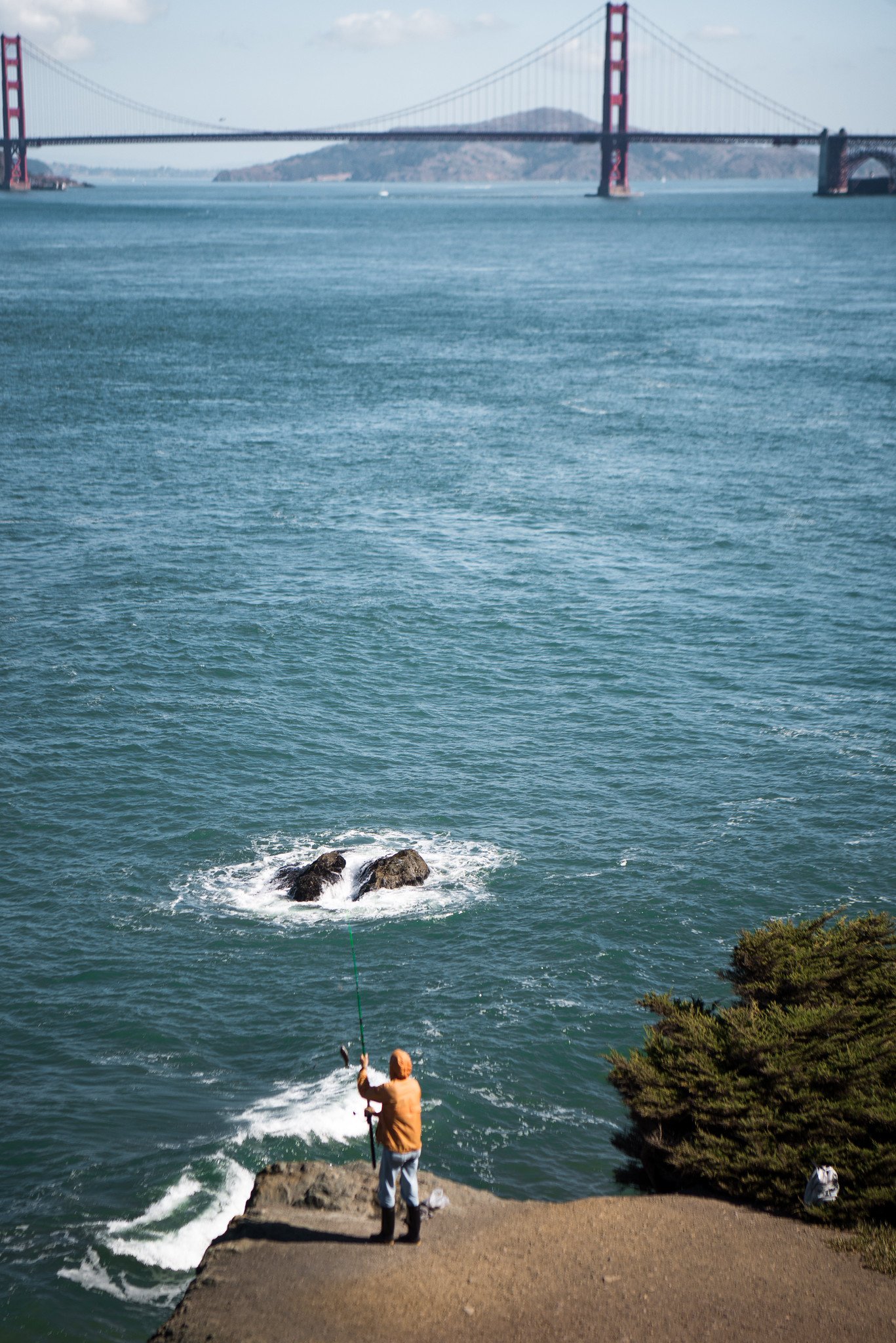

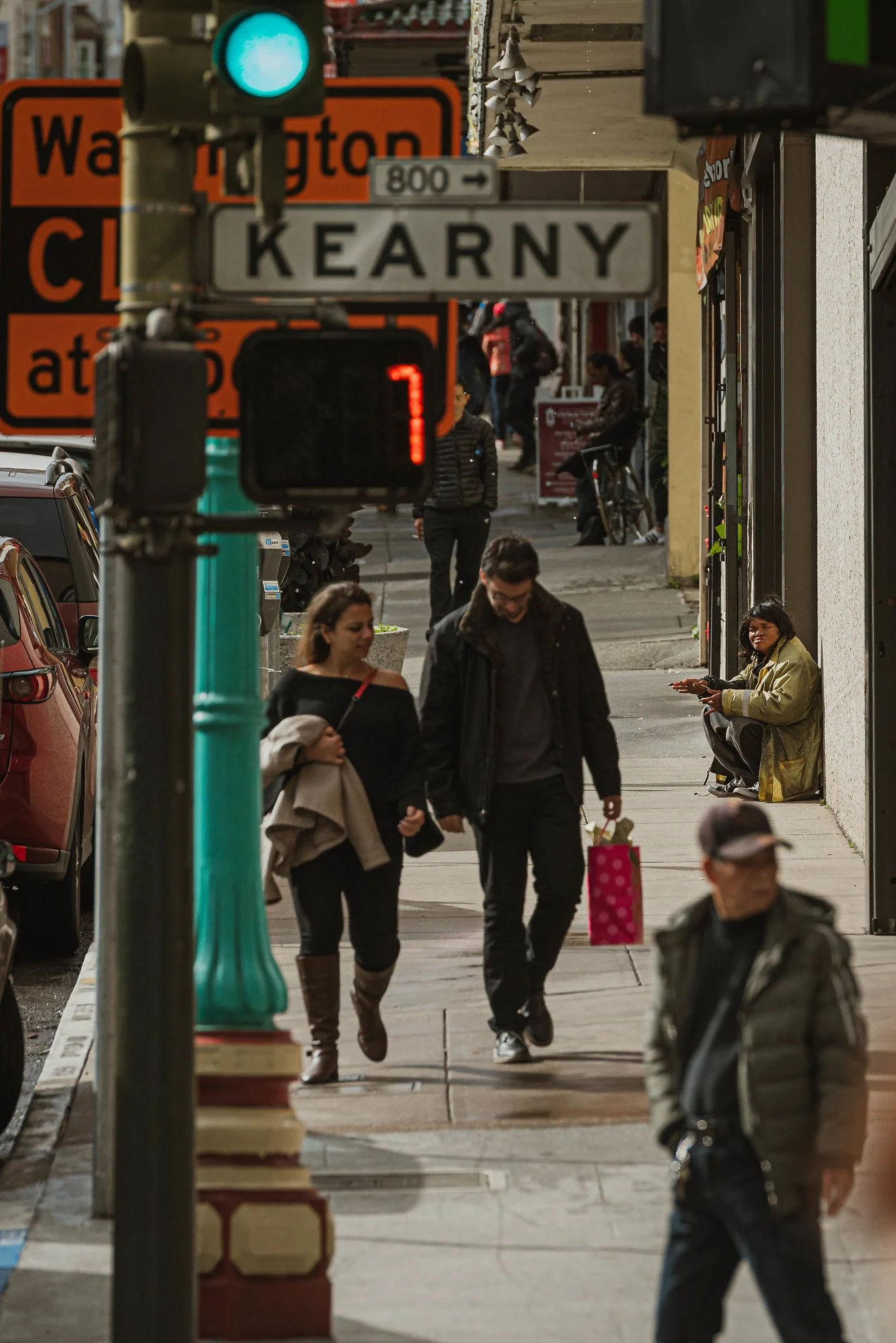
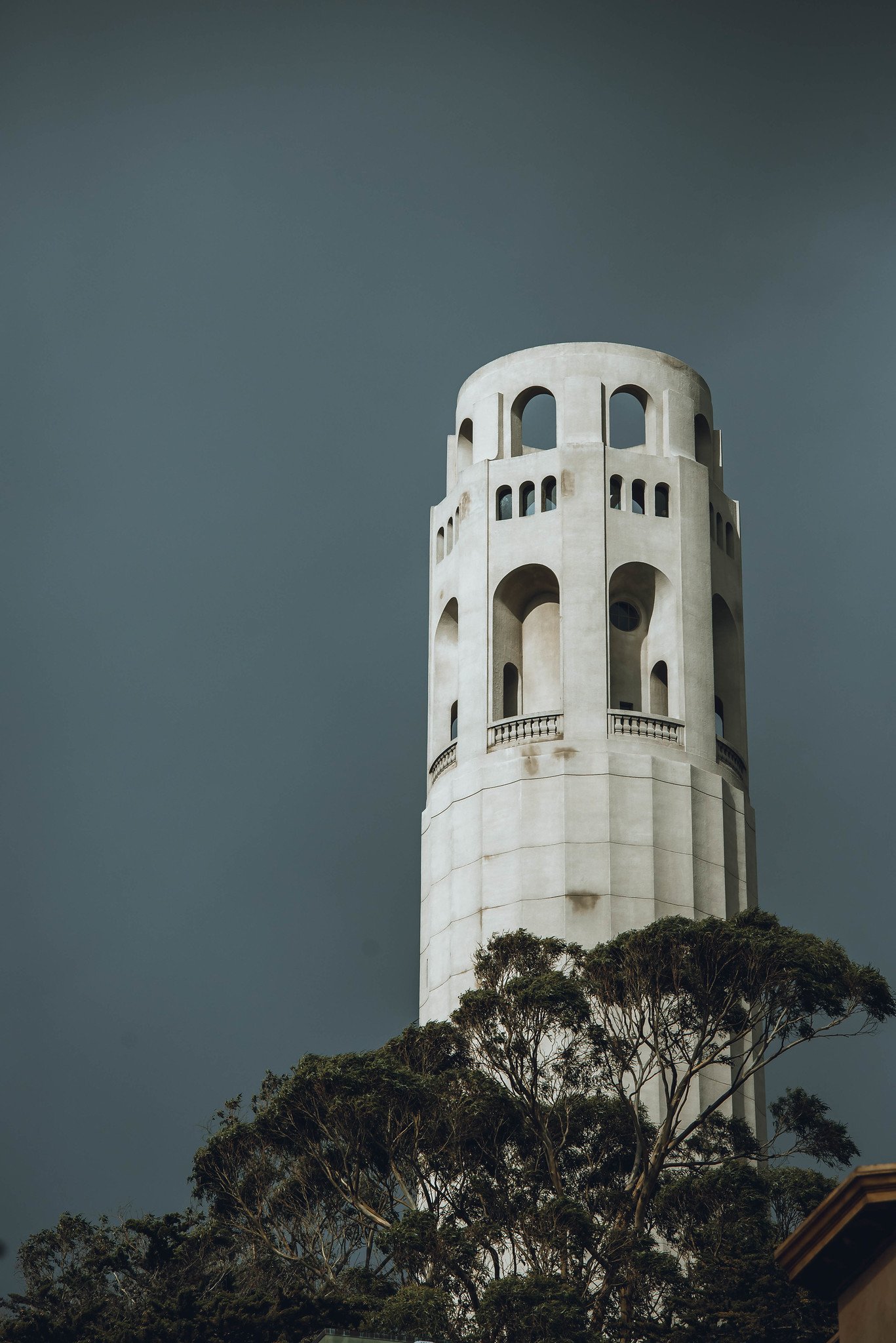
San Francisco, on the other hand, is a city with no definitive song. The songs we do know are written by people who don’t really know it. The city’s government would have you believe that a tune composed on a MGM lot by two European émigrés and a German lyricist captures its nuance. A pair of songwriters who had already given up and left their hearts in the city wrote a song about it from Brooklyn Heights, then gave it to a guy from Queens to sing it. A frenchman perched in a bright blue house in the heart of the Castro captured the summer of love — that house still standing and visited exclusively by French tourists because no native has ever heard the song. And a Scottish band used a New York Mets catcher’s press conference announcing that he was, in fact, not gay (totally not gay; he promises) as a romantic portrait of the liveliness of the city by the bay.
Like the microclimates, the tone and tenor of San Francisco’s music shifts rapidly depending on where you stand. Songs about San Francisco were less of a lie and more like a longing — a place where visitors, passengers, and outsiders sing songs less about being the best, and more about arriving and departing. From the Latinos who built Mission Street, to the beatniks who ruled the Haight, to the queer kids who came looking for a home, to the three separate generations of engineers promising not to be evil (and end up kind of being it). Some came chasing it, some came fleeing something worse, and some were already here when the borderline moved north. What they all share is that each wave got to define the city for a generation before the next one arrived. A transient city cannot be definitively defined, but it can be expressed — through districts, cultures, murals, menus, and yes, songs.
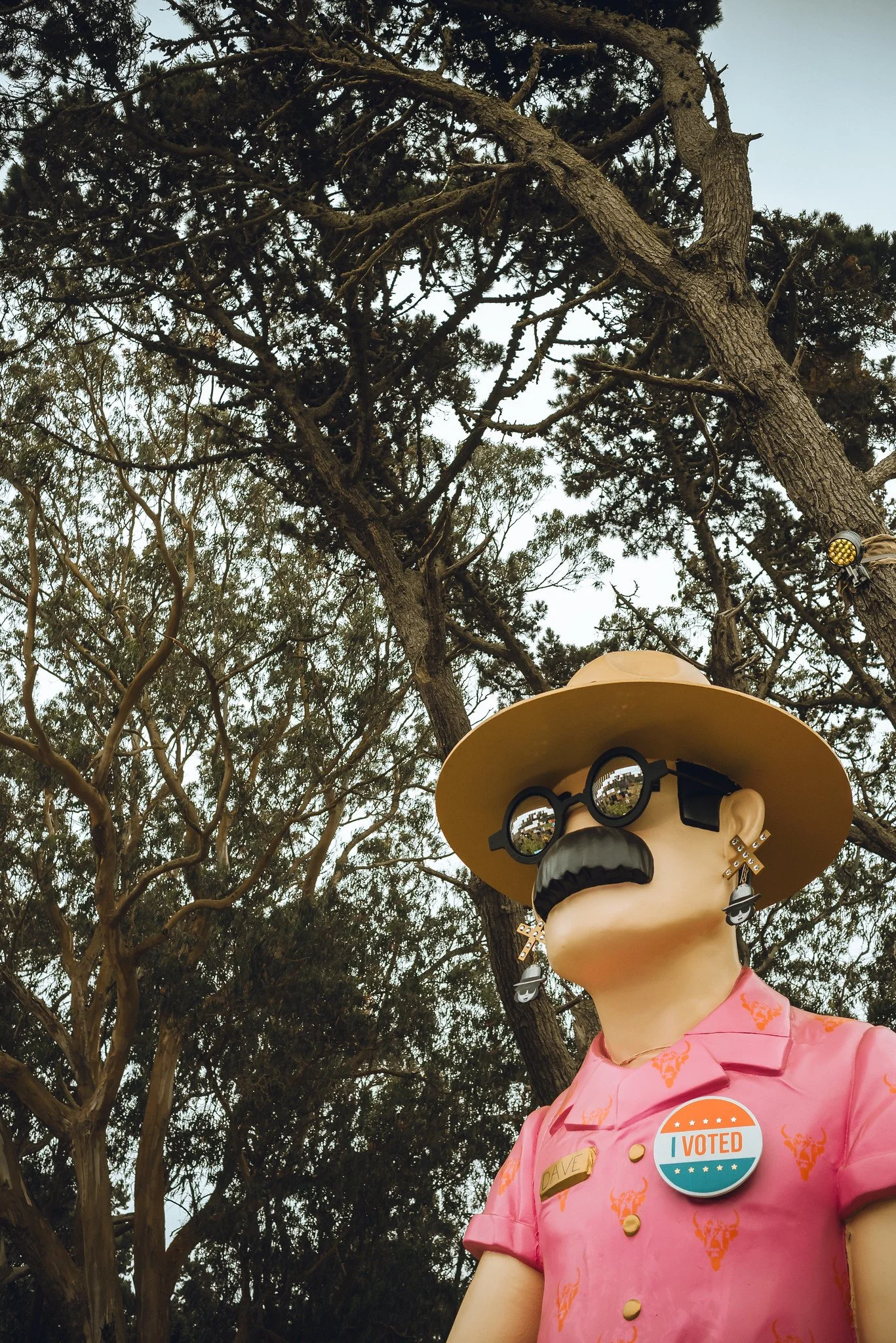
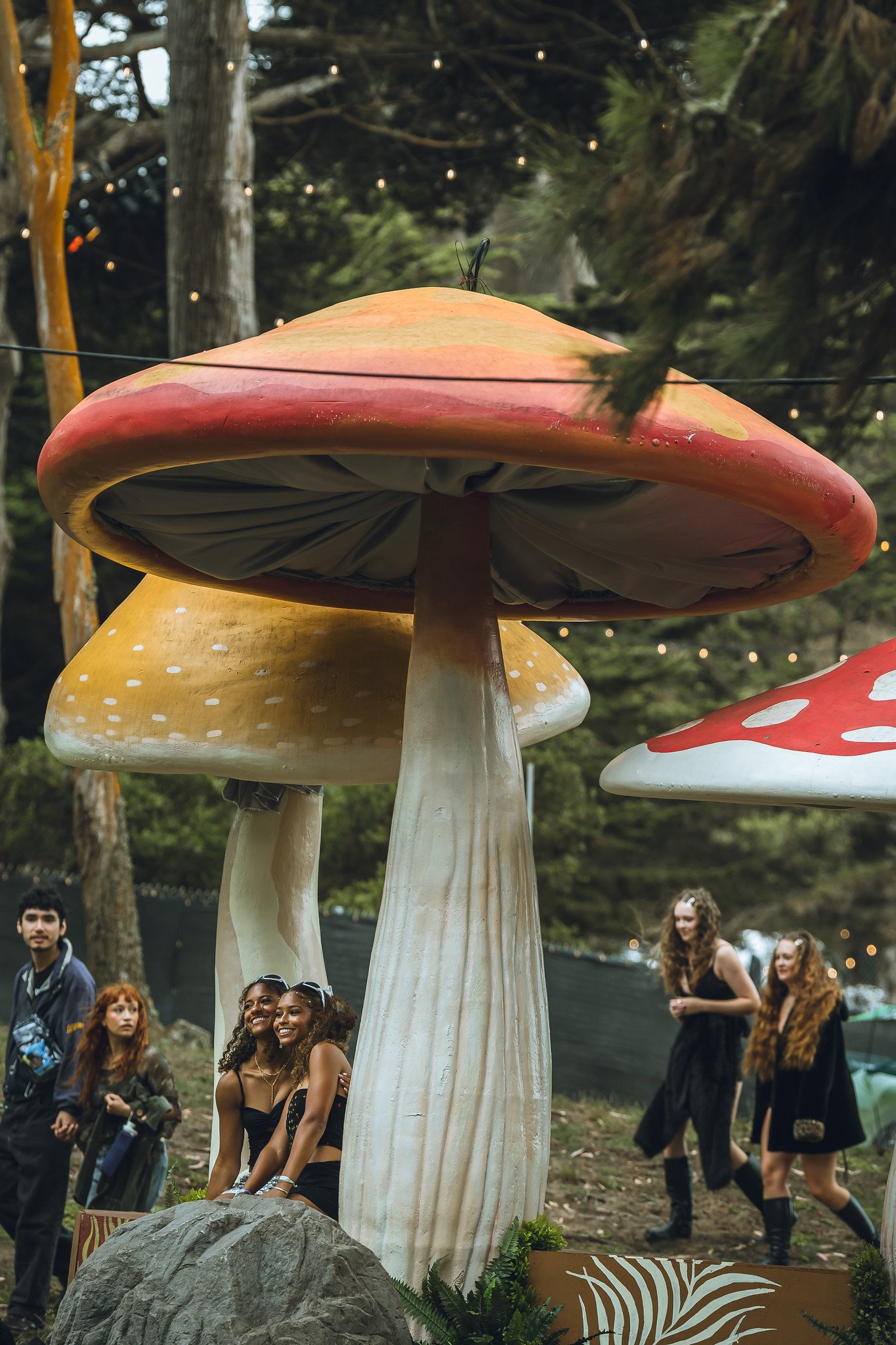
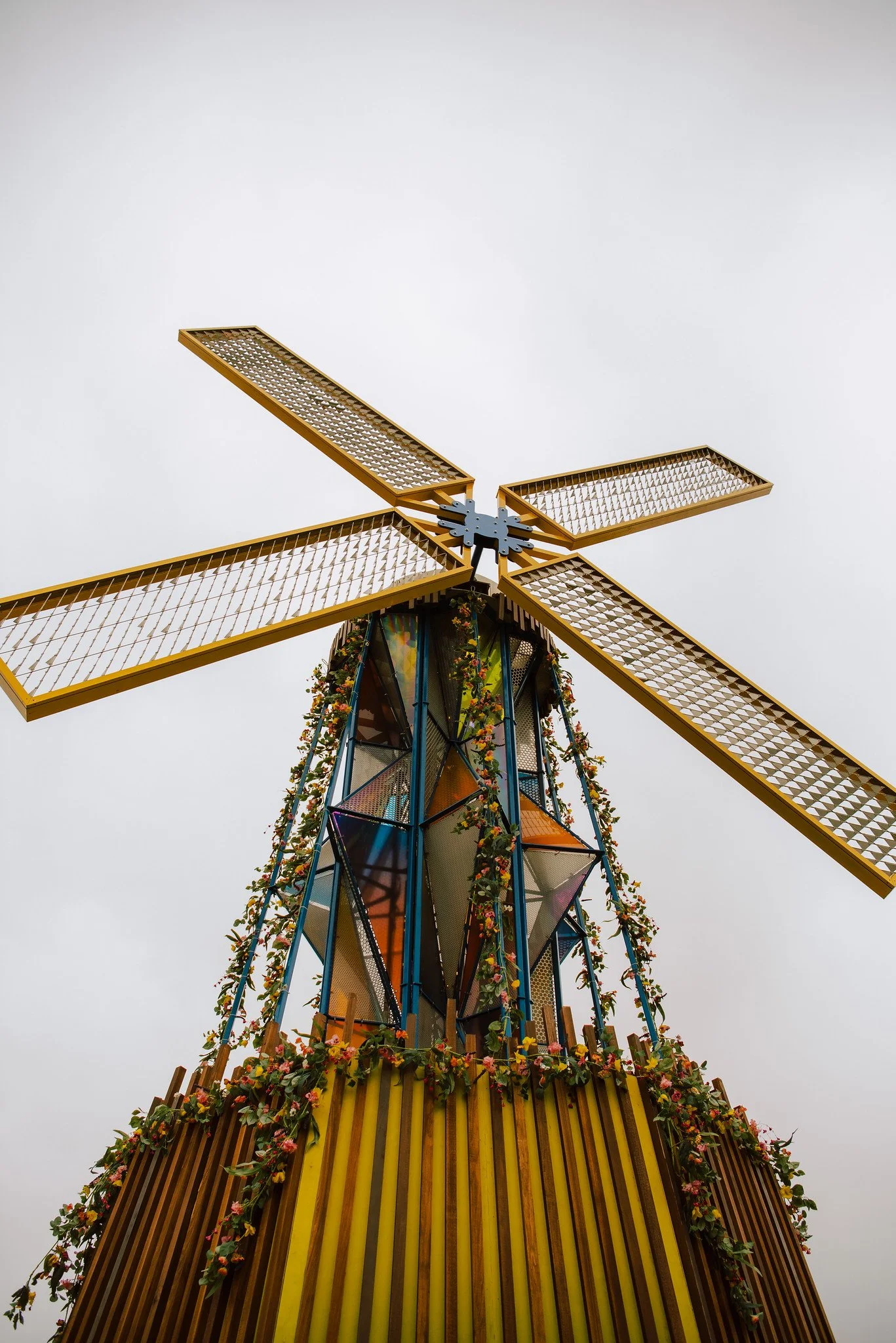
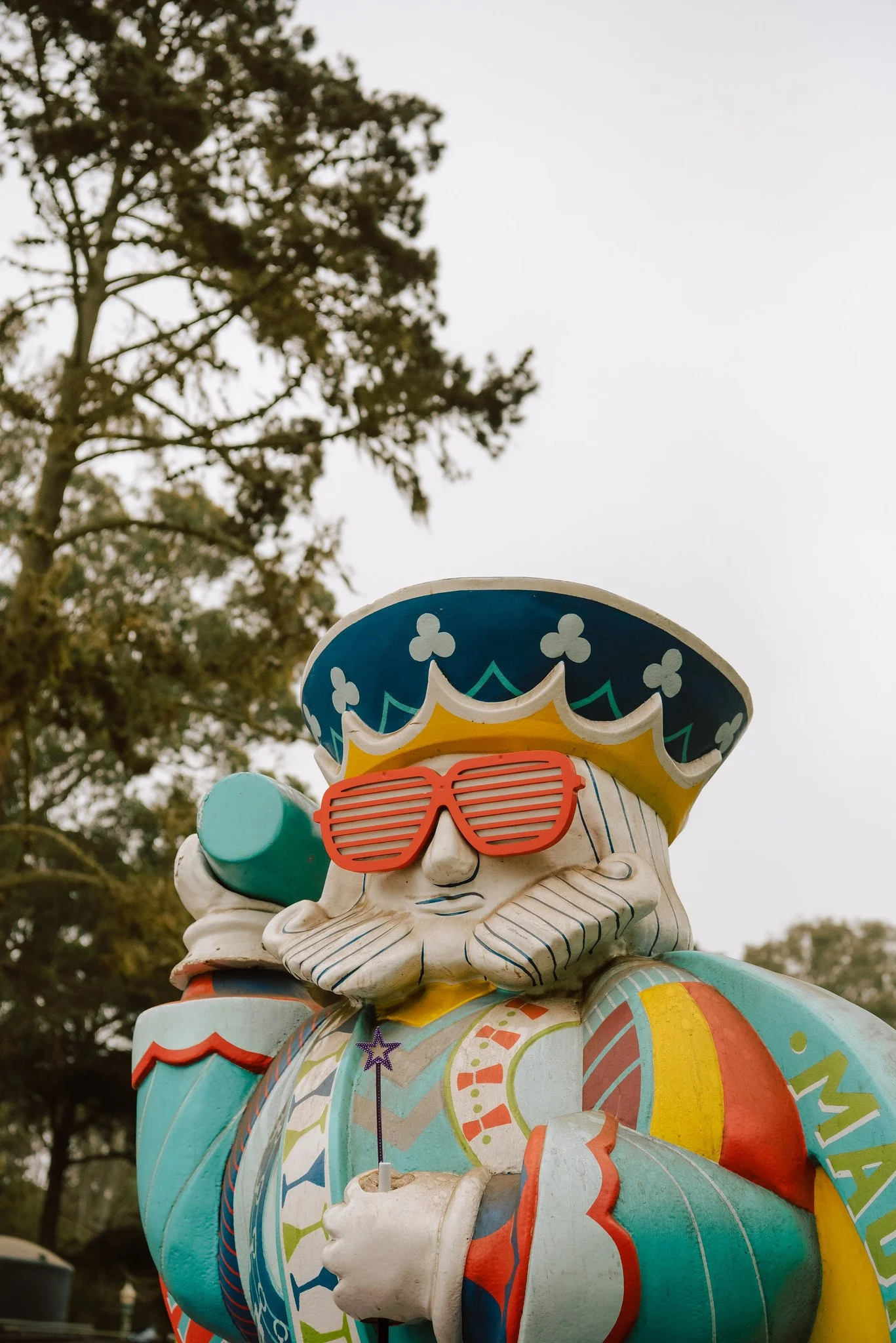
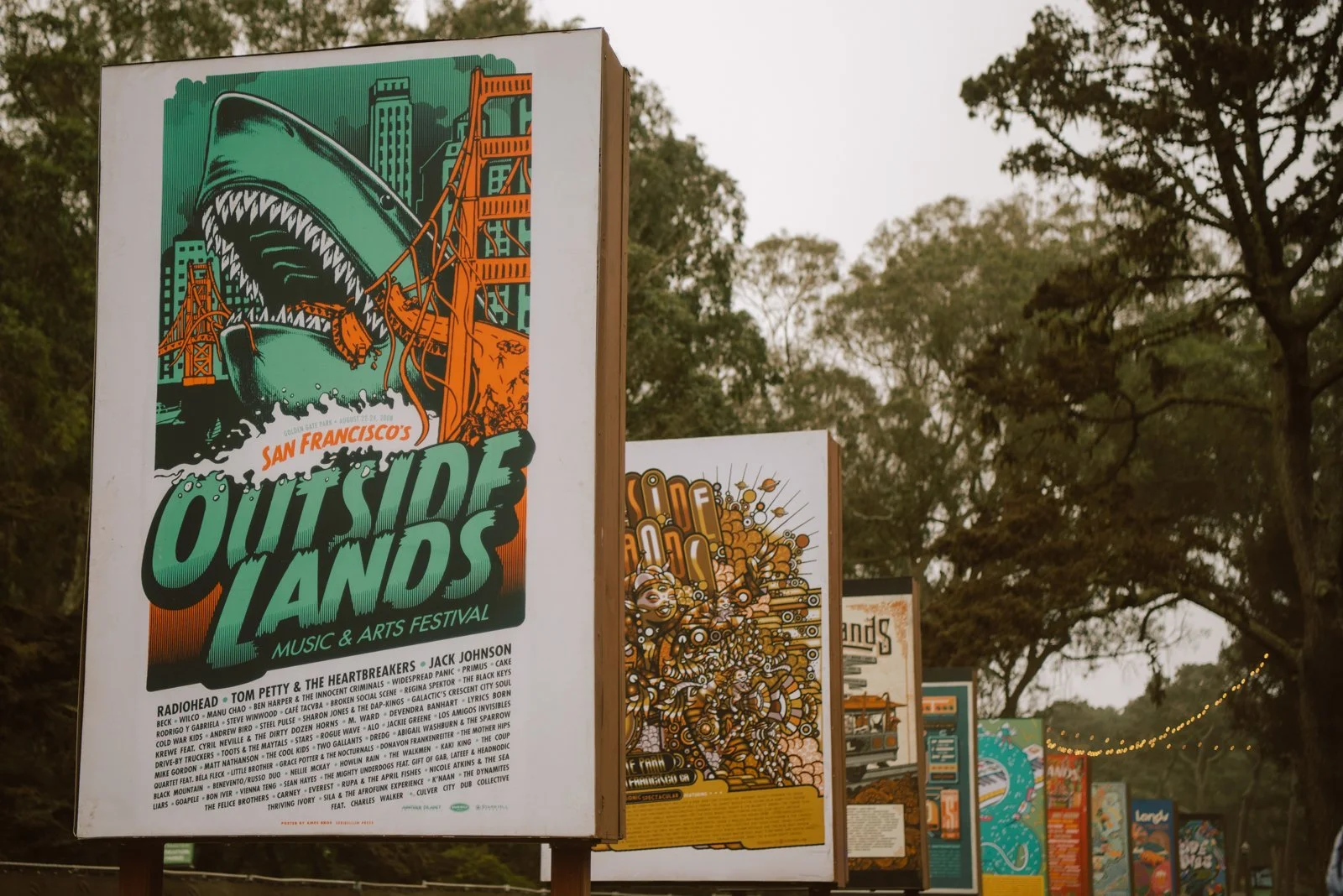
Through most of the nineteenth century, the western two-thirds of San Francisco (everything past Divisadero, all the way to the ocean) was sand, scrub, and squatters — all patiently waiting out a decade of litigation over whoever owned it, and a city whose official position was that the land was worthless. In its deliberations, the city landed on a moniker worthy of that alleged unworthiness: the Outside Lands. The insult stuck, and followed the place through every trial and tribulation that came after. When somebody eventually floated the idea of a park to make use of the land, they went to Frederick Law Olmsted, the architect behind NYC’s Central Park. He took one brief look and told them not to bother. Trees won’t grow. Nothing built out will ever stand up to the grandeur of a real city. Try the other side of town, he suggested. The side that was more inside than out.
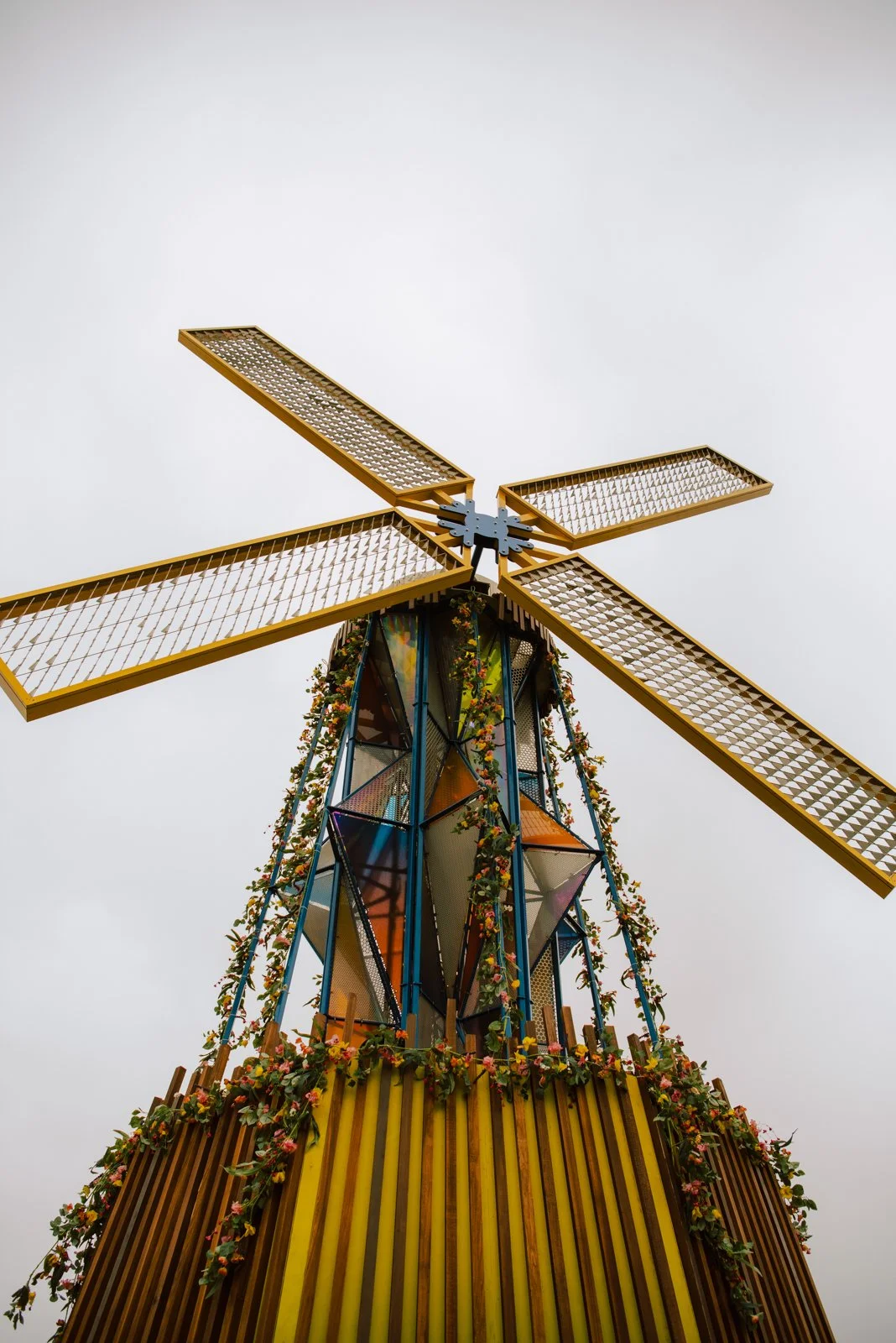
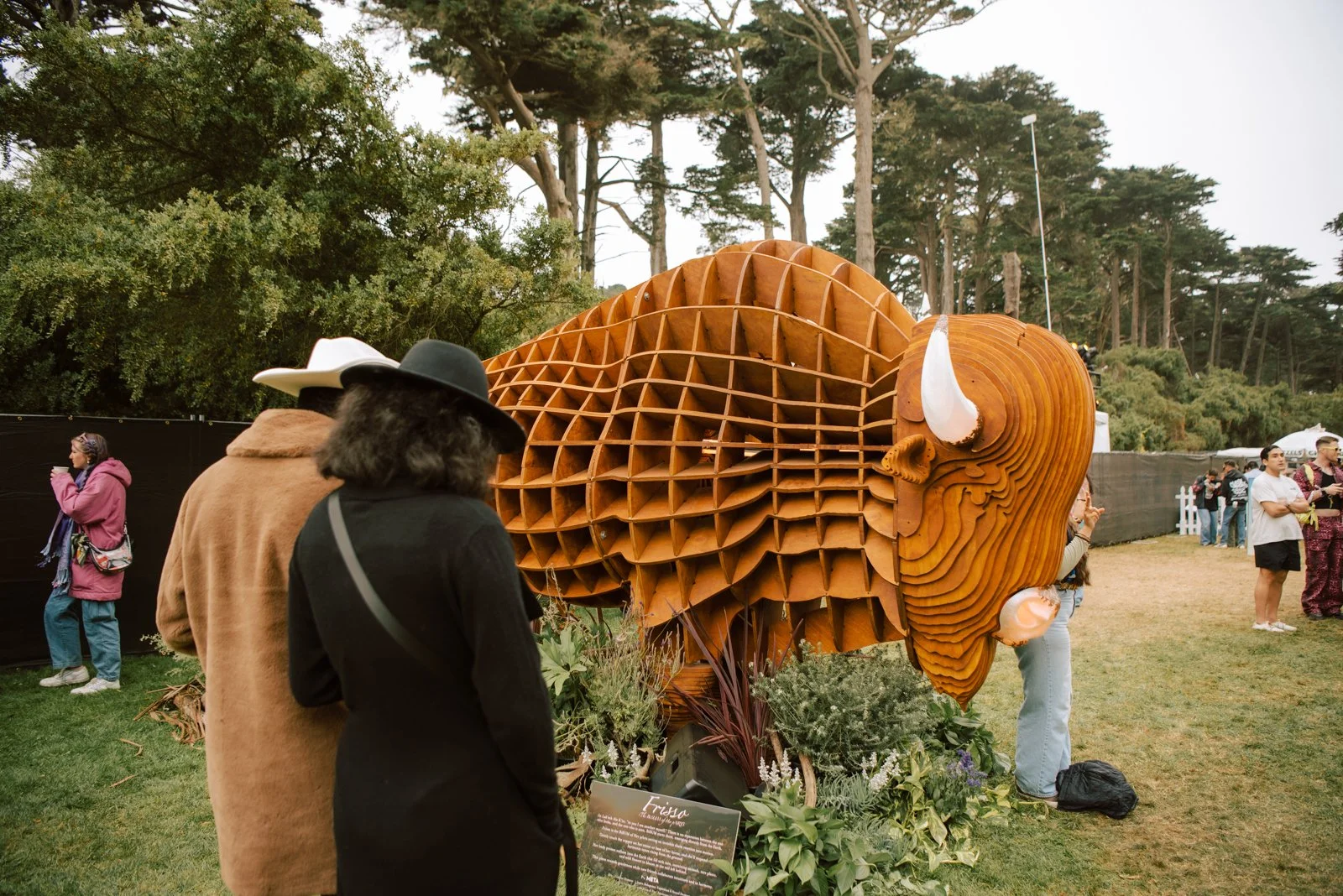
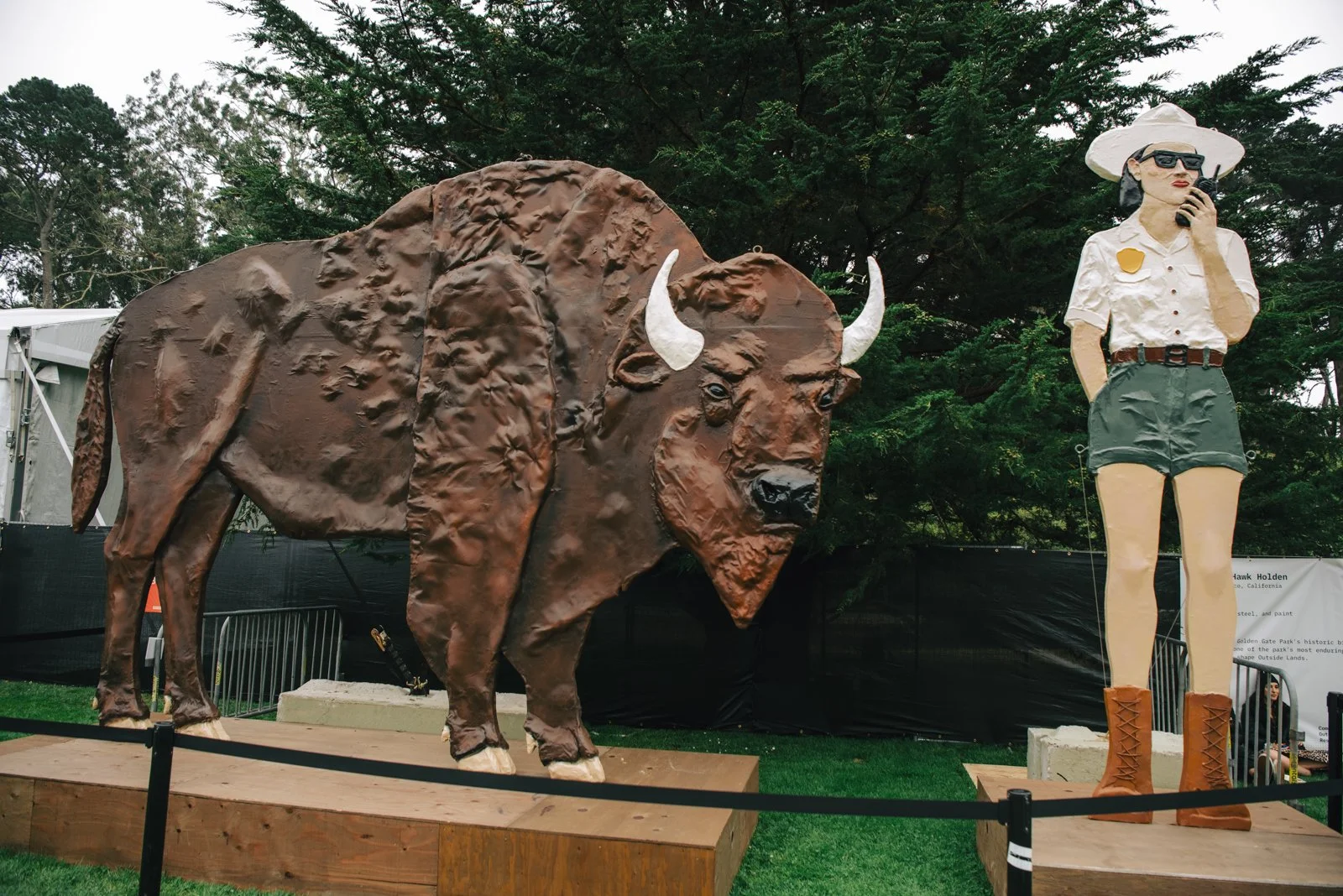
With the land renounced, the city handed the property to a freshly minted twenty-four-year-old engineer named William Hammond Hall, who proceeded to live up to the ingenuity now associated with the Bay Area. He figured out that lupine would hold a dune long enough for grass, and that grass would live long enough for trees. He then spent two decades fending off developers who wanted to build gaudy casinos and funnelcake drenched theme parks on it. What we got, by 1908, was a thousand-and-seventeen-acre park — made up of a Japanese tea garden, a home for bison, two windmills at the ocean end, a polo field, a redwood grove, a lake with an island in it, and about a million trees planted on a dune that was never supposed to house them.
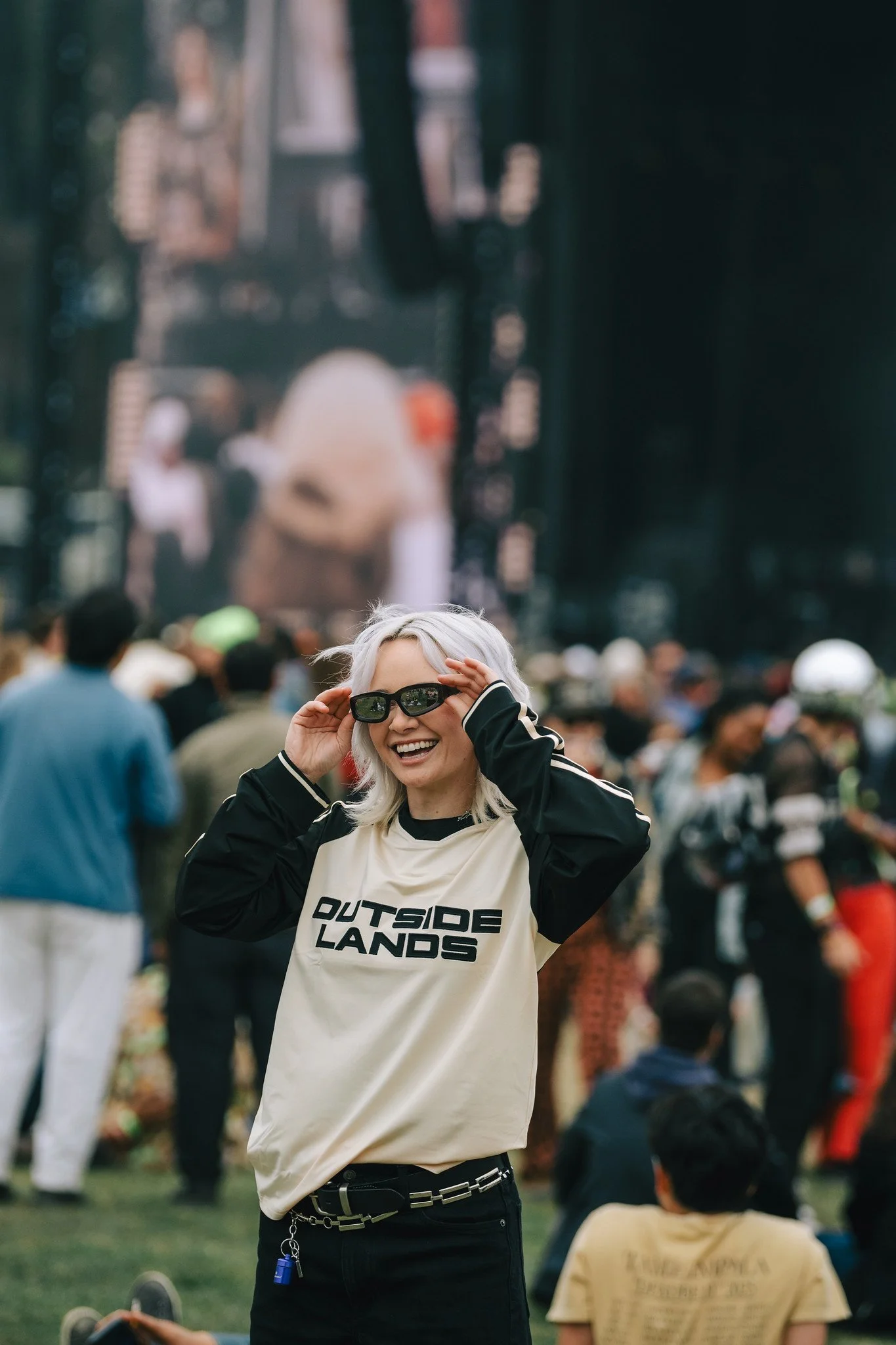
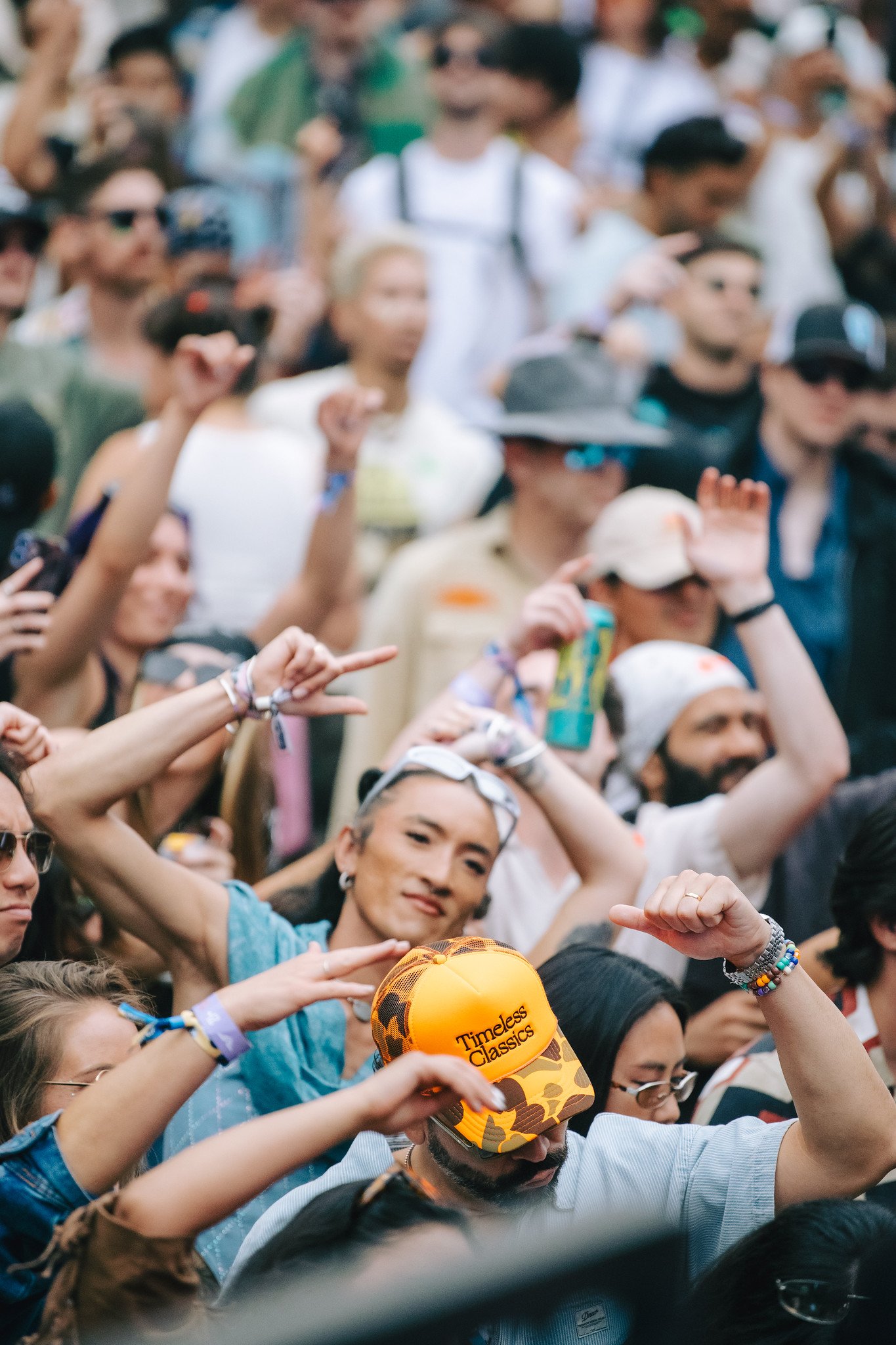
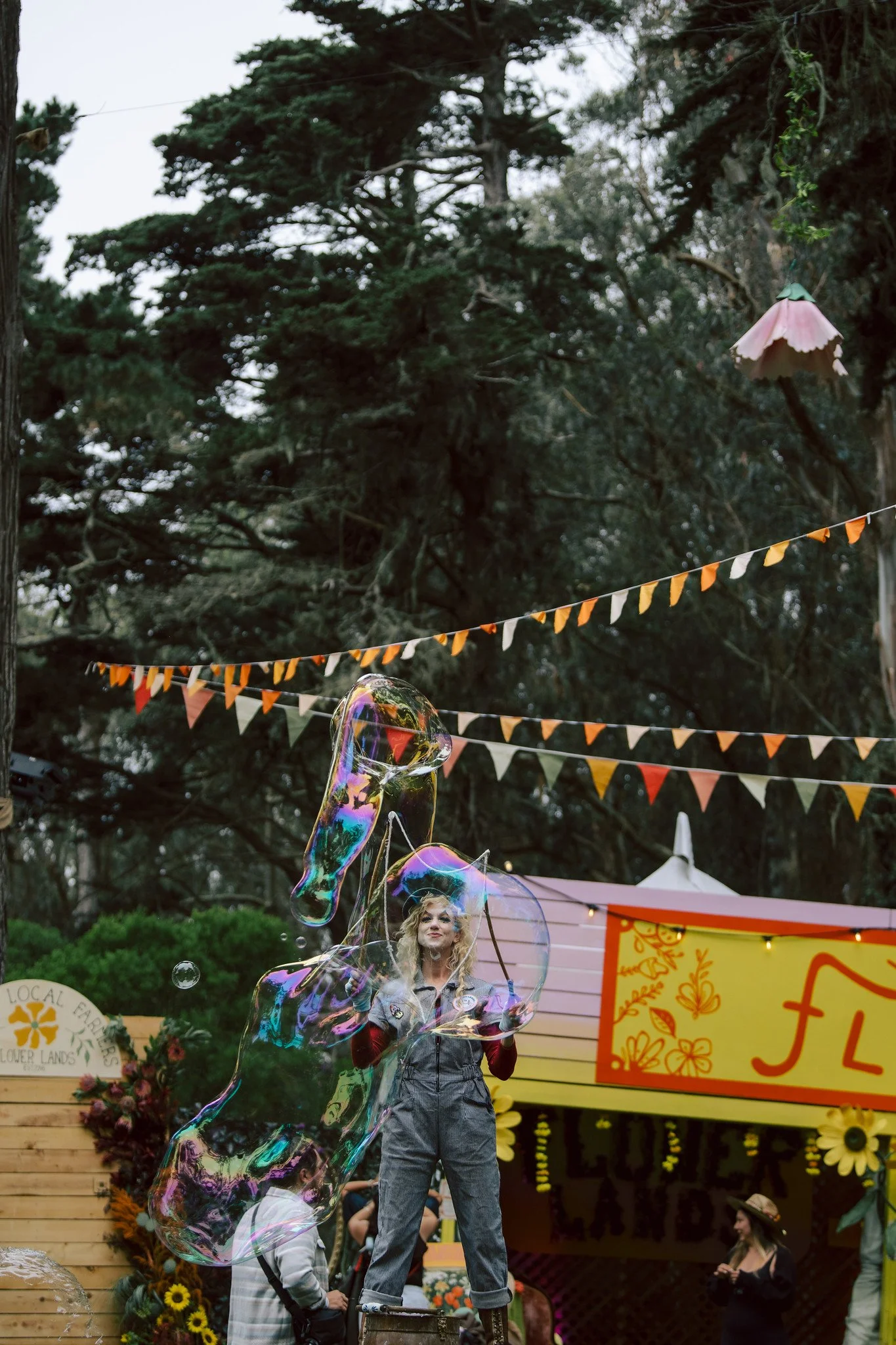

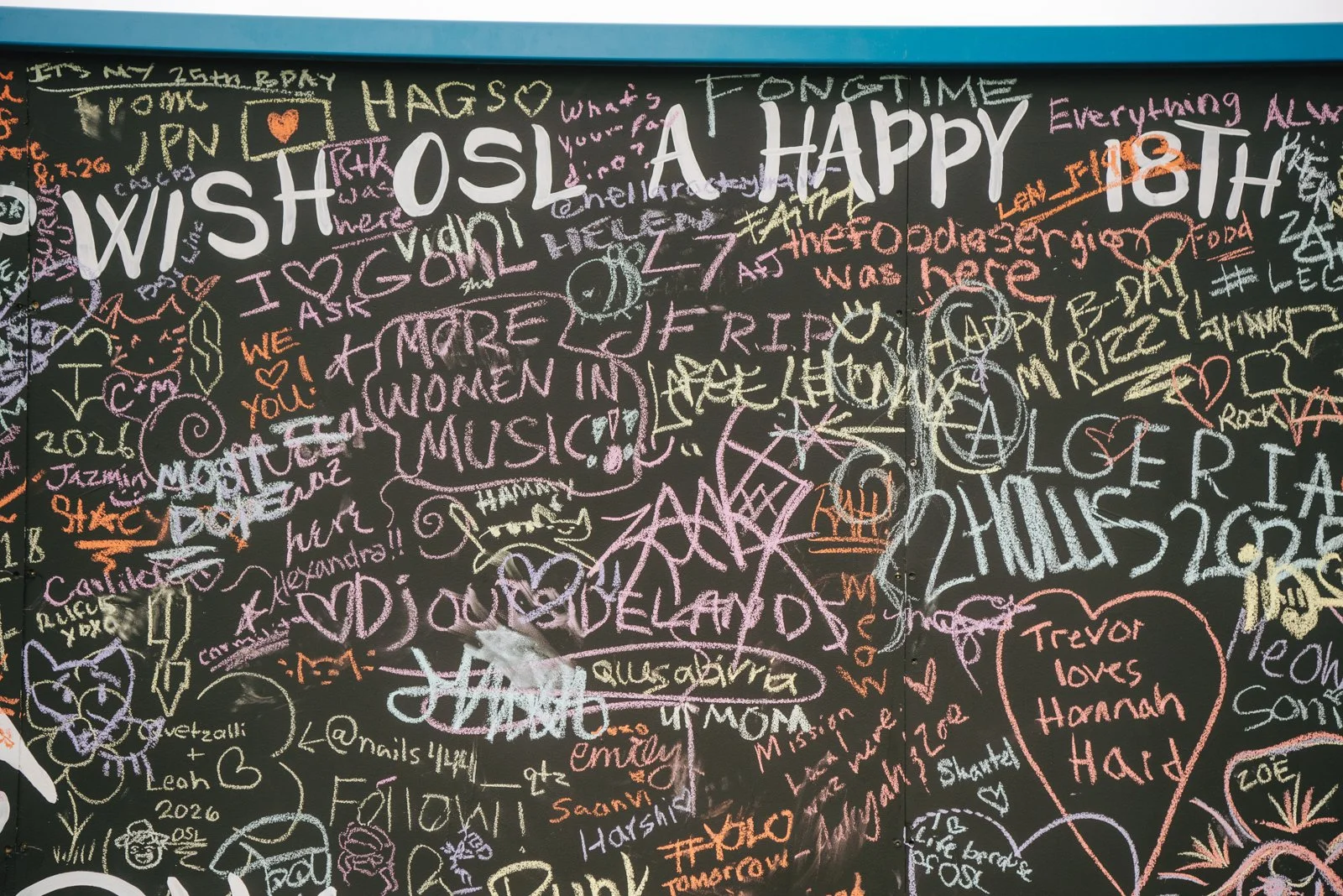
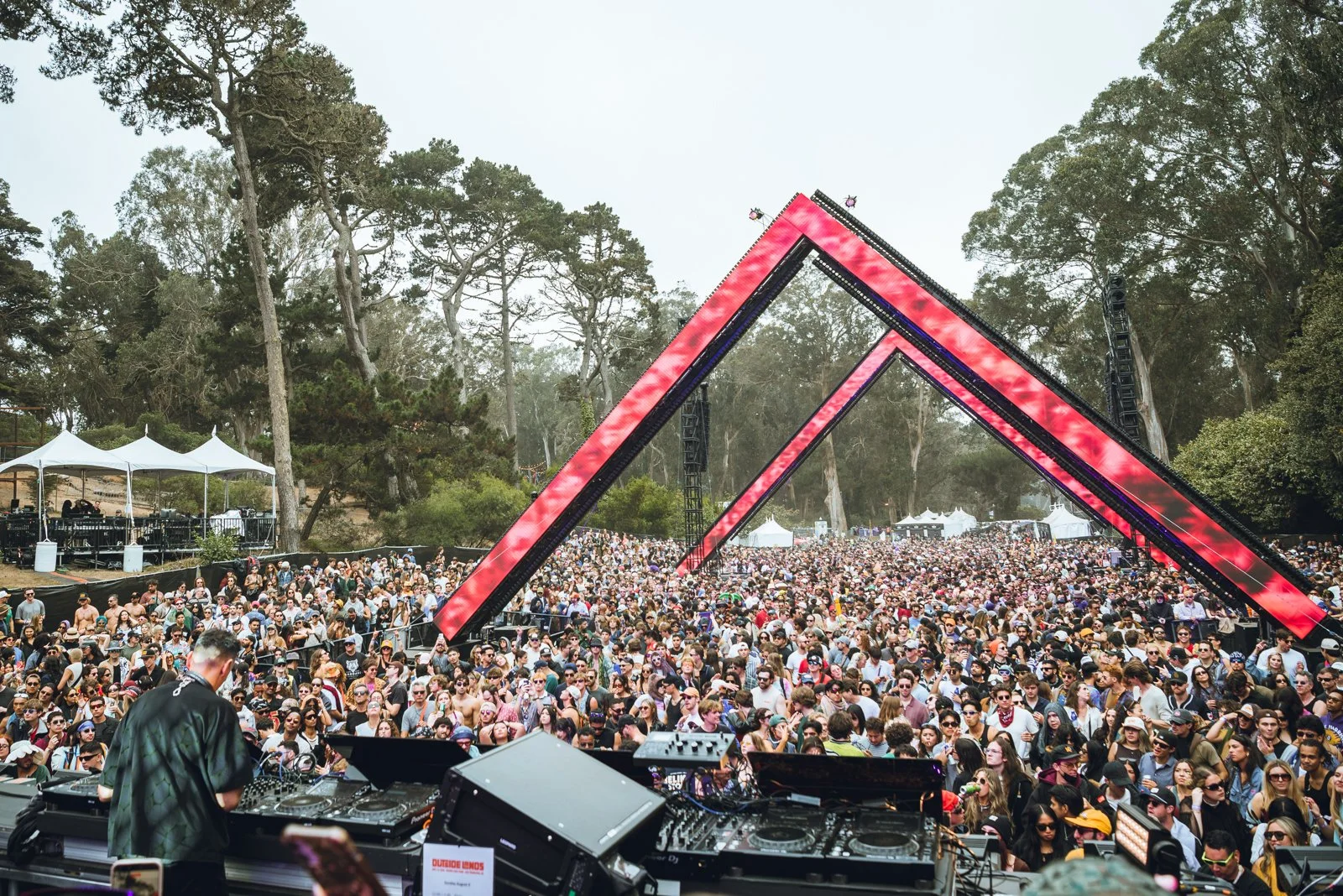
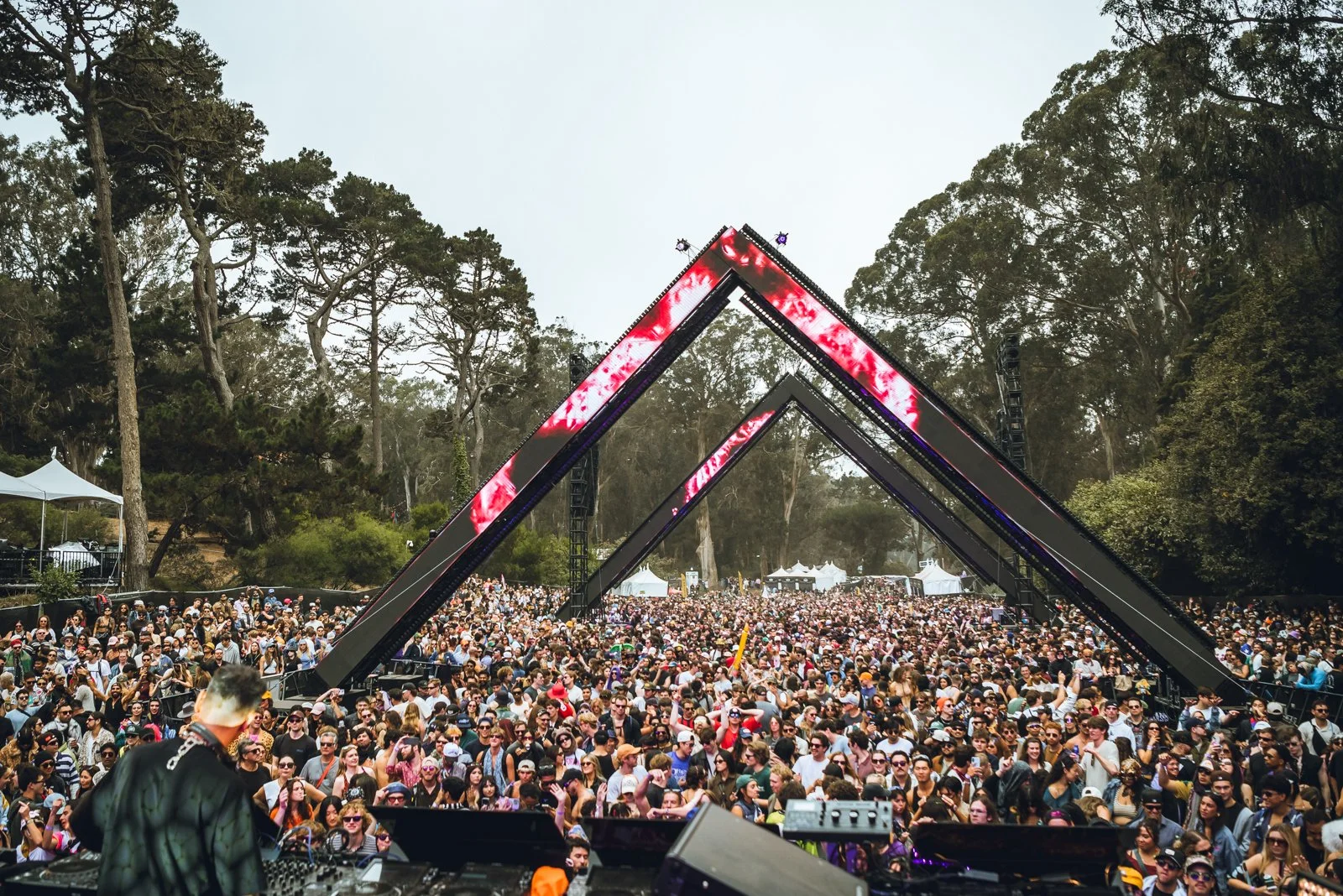
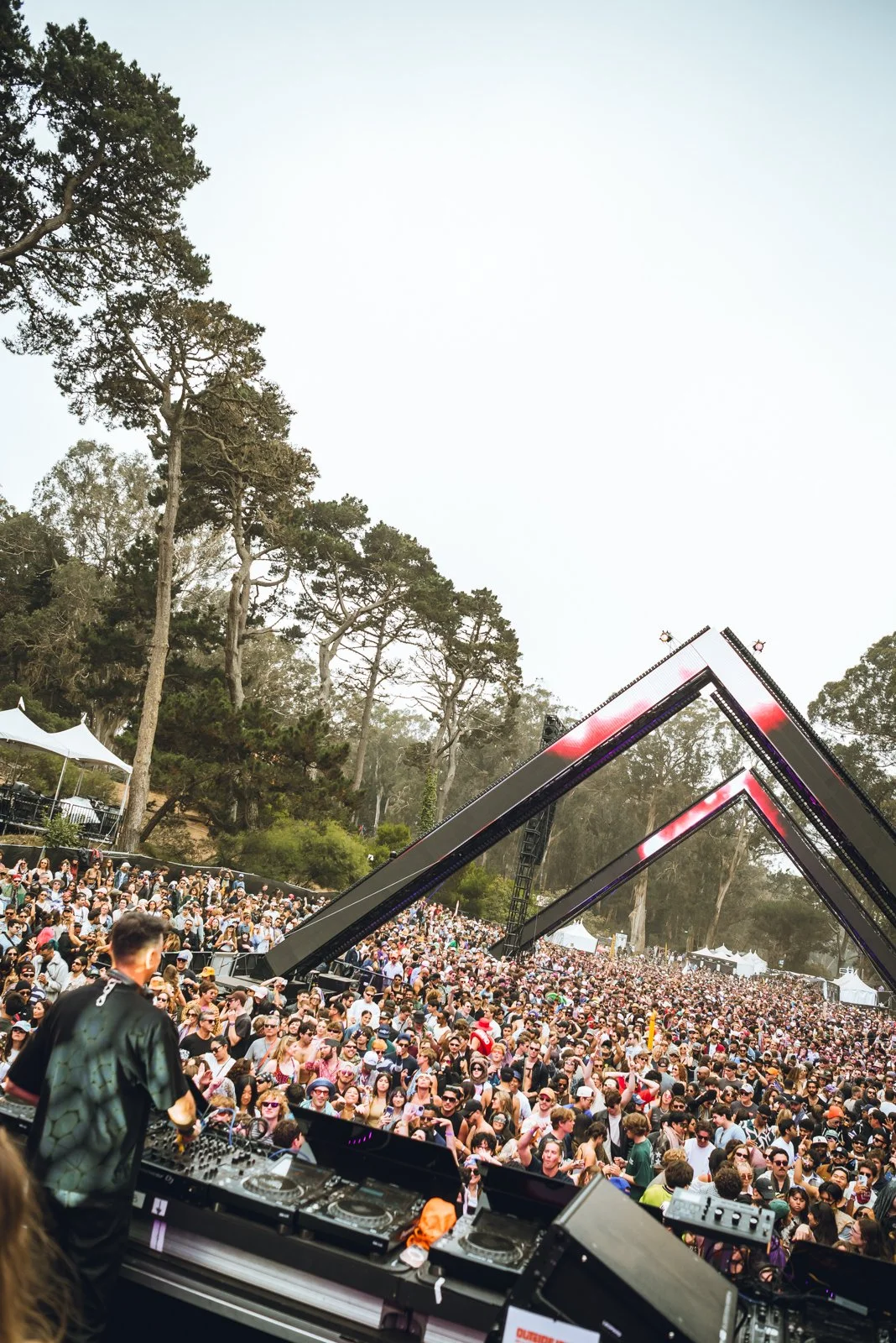
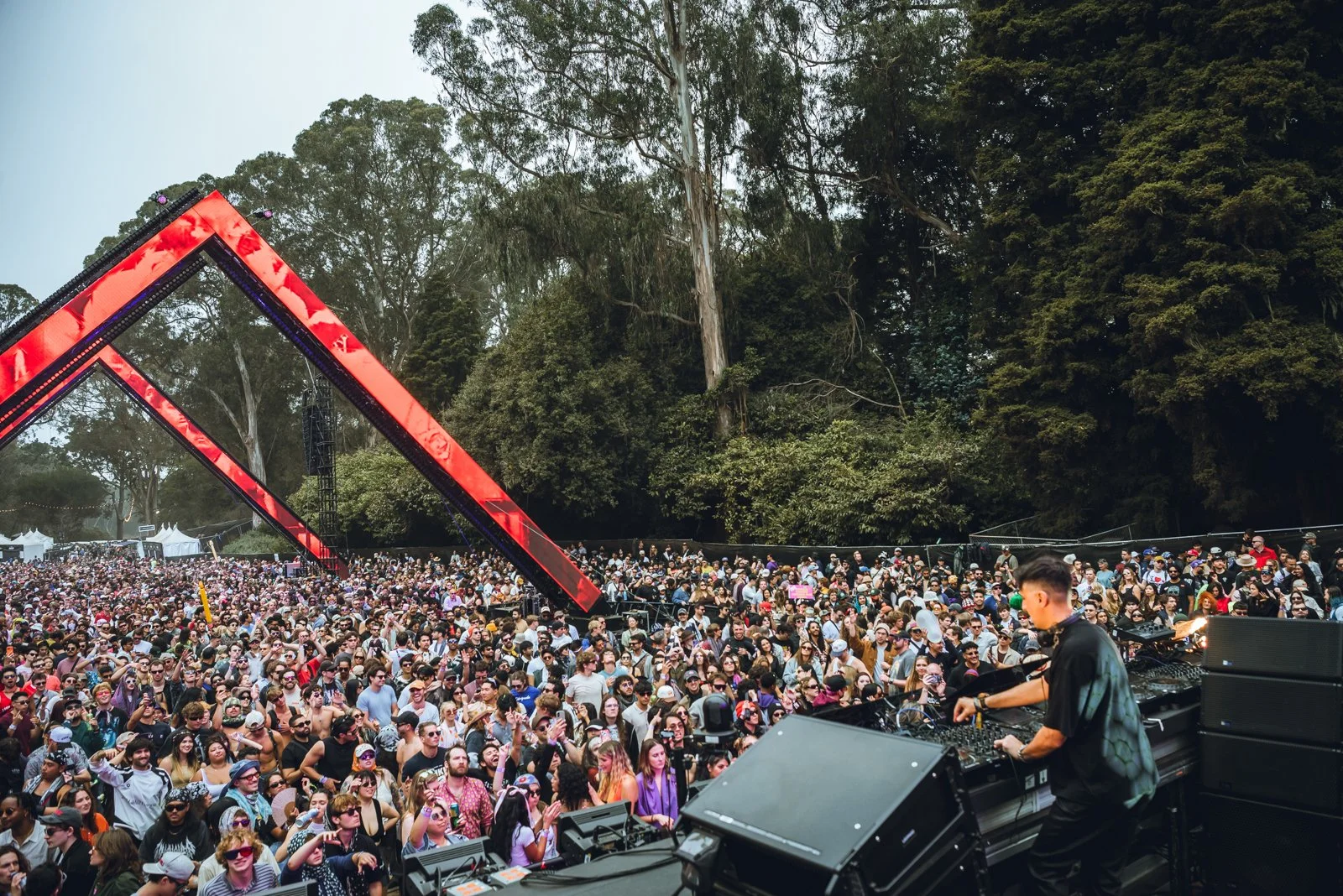
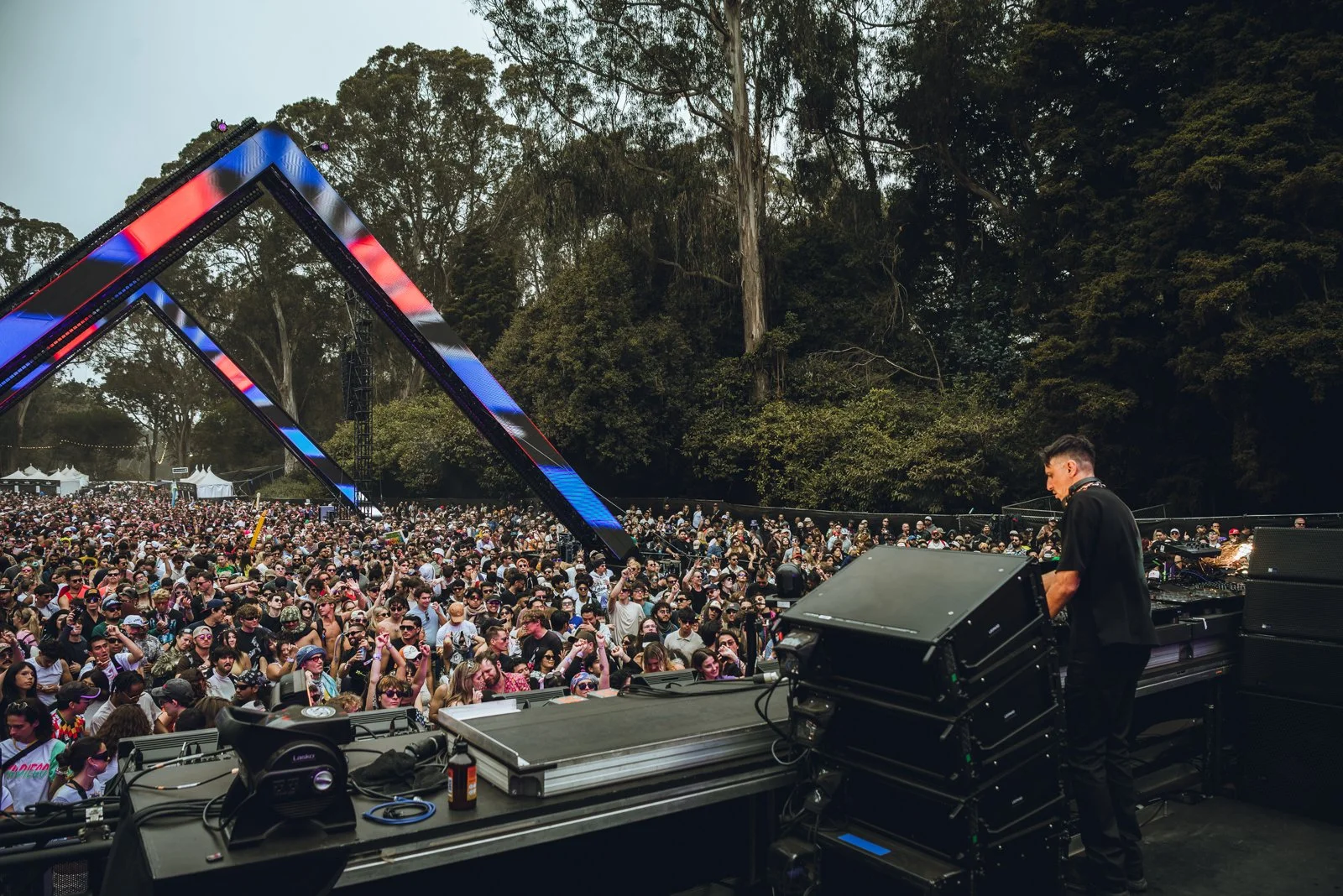
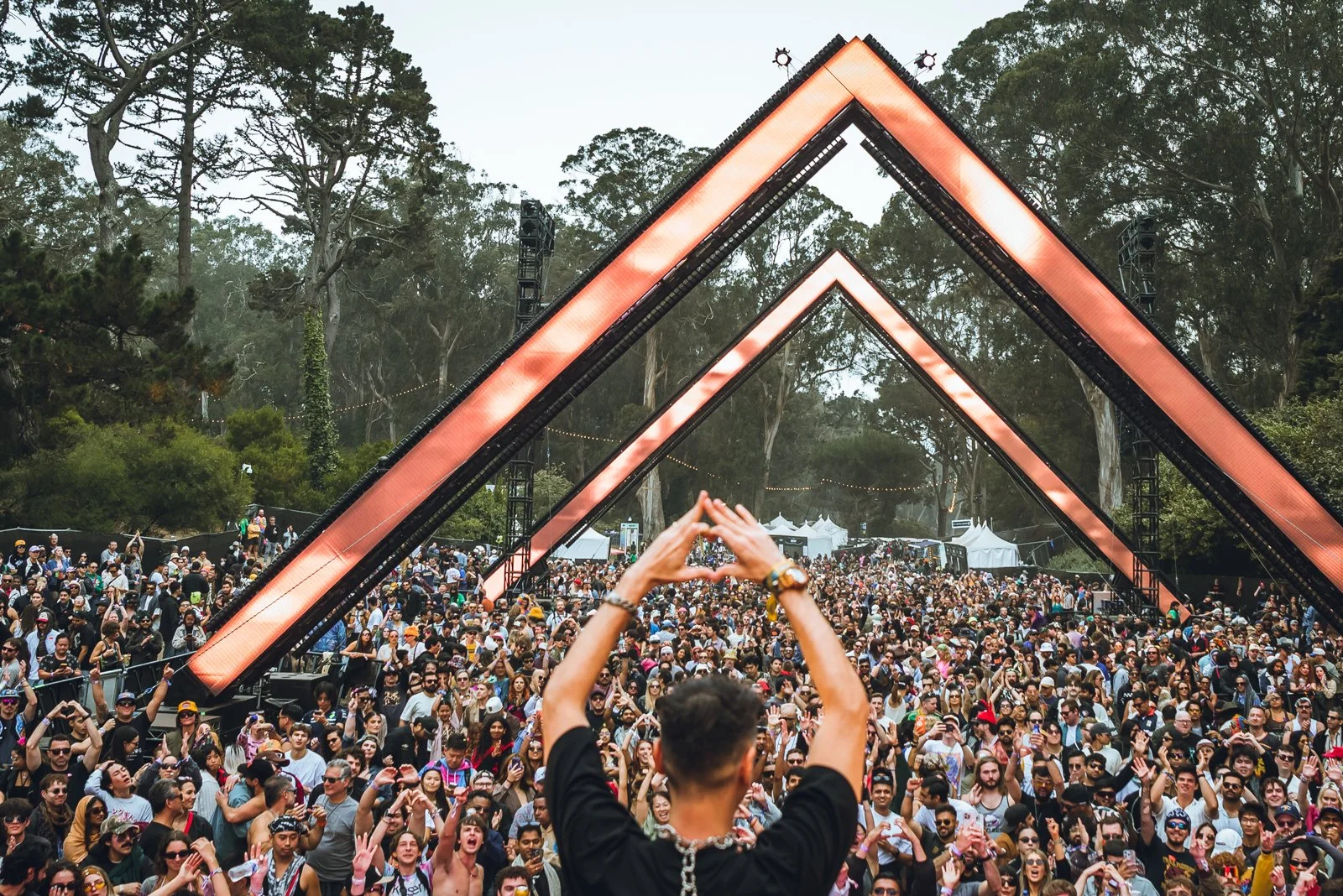
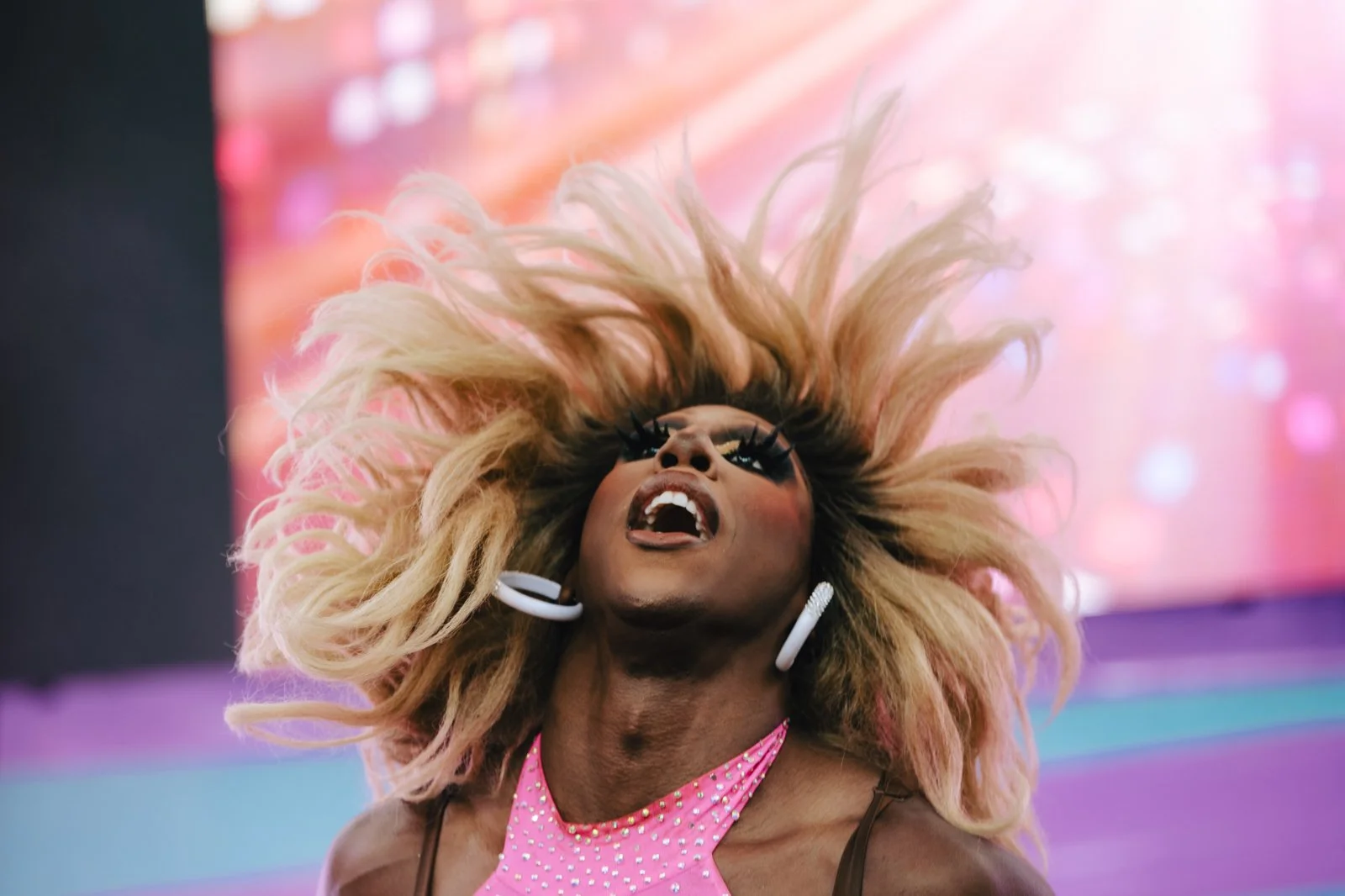
A hundred and eighteen years later, fifty-five thousand people a day pay to stand on it, at a festival that kept the insulting moniker as its name. In an era where festivals are standardized products — same rigs, same production, the same eleven names on a poster from Austin to Chicago to a muddy field outside Manchester — what defines one anymore is the city underneath it. While other city-based festivals of similar size sell the space to whoever’s buying (“Catch Lorde at the T-Mobile stage! How bout some Ying Yang Twins brought to you by Bud Light?!"), Outside Lands made the purposeful choice to name its stages after the locations that make up San Francisco, and book them accordingly.
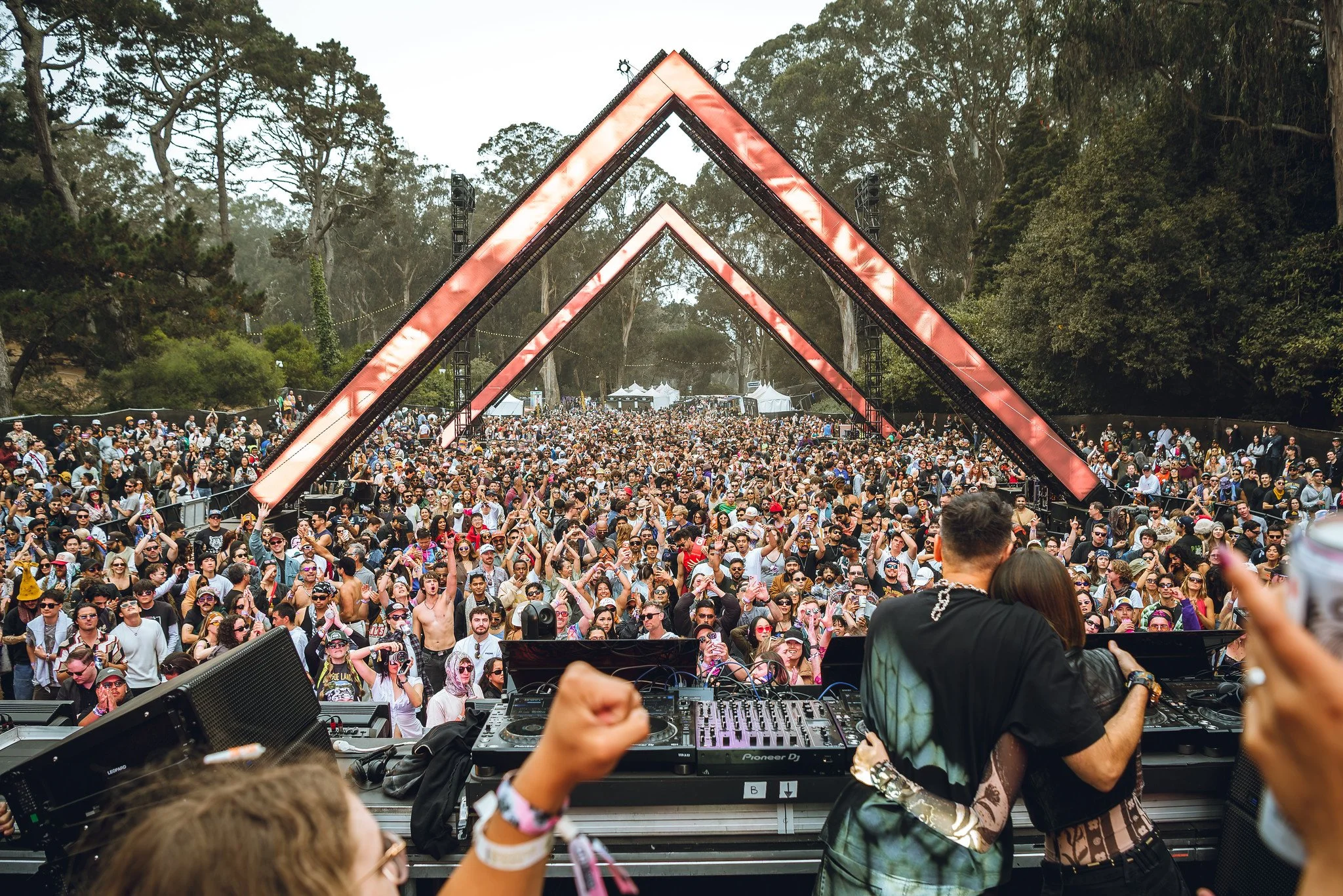
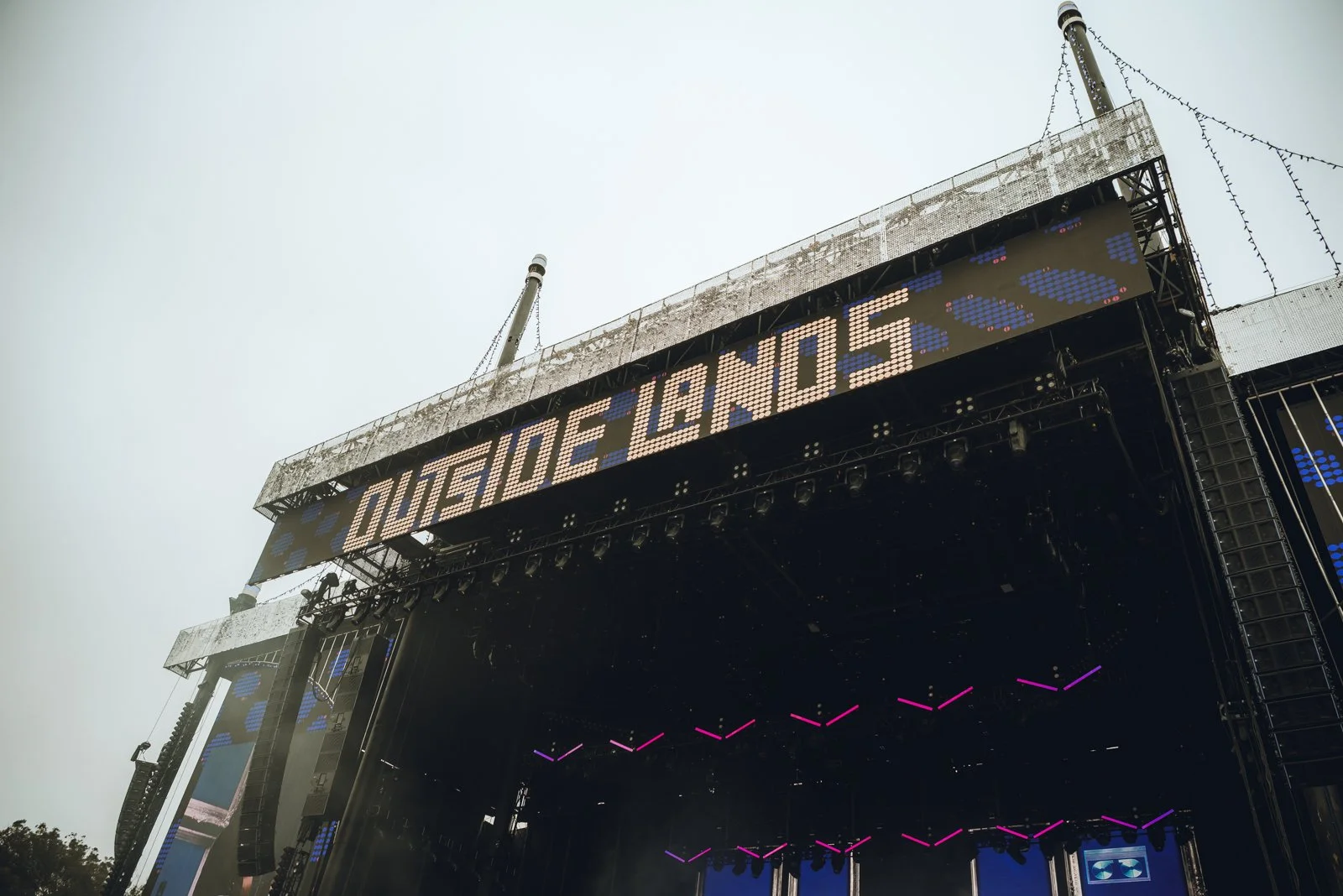
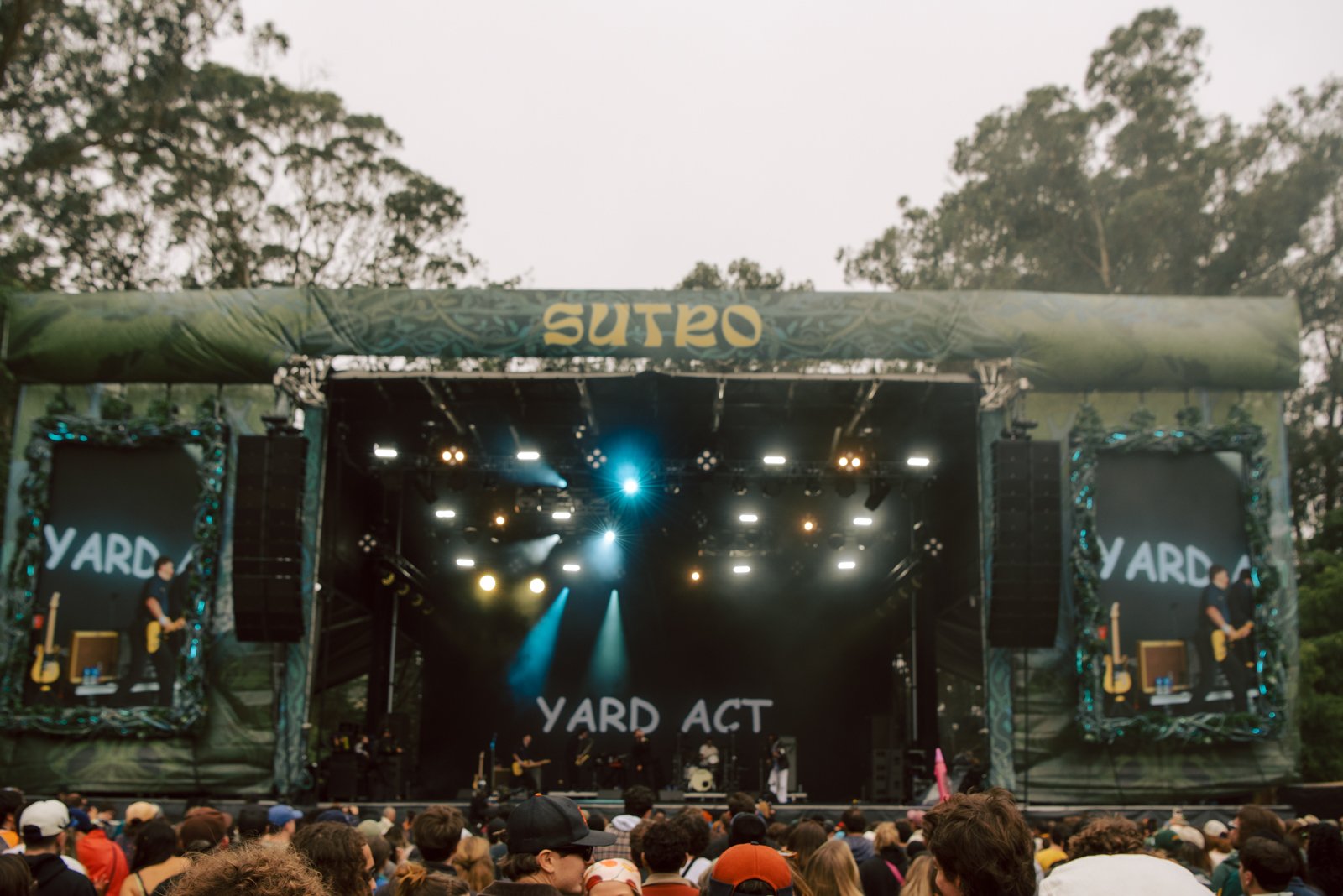
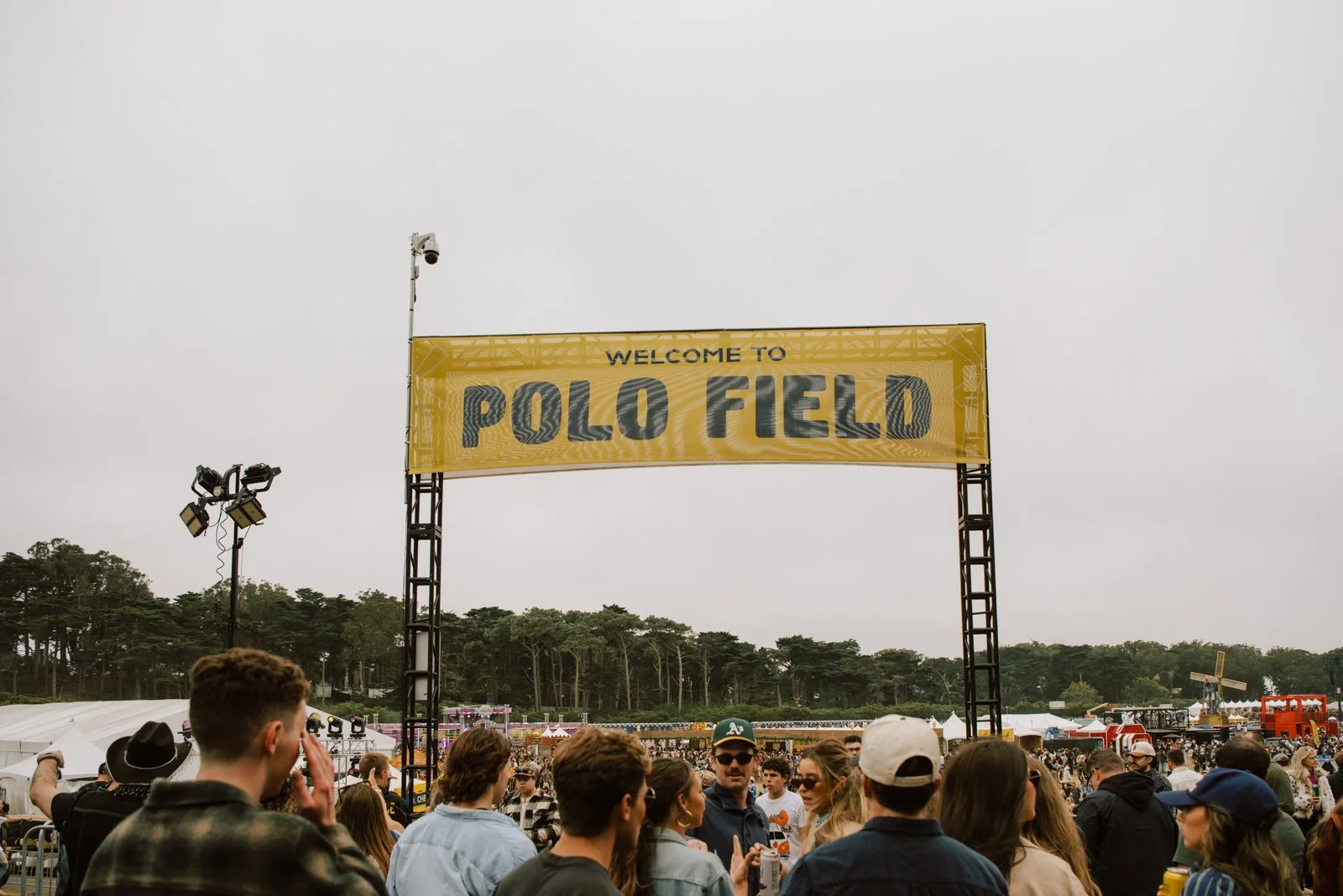
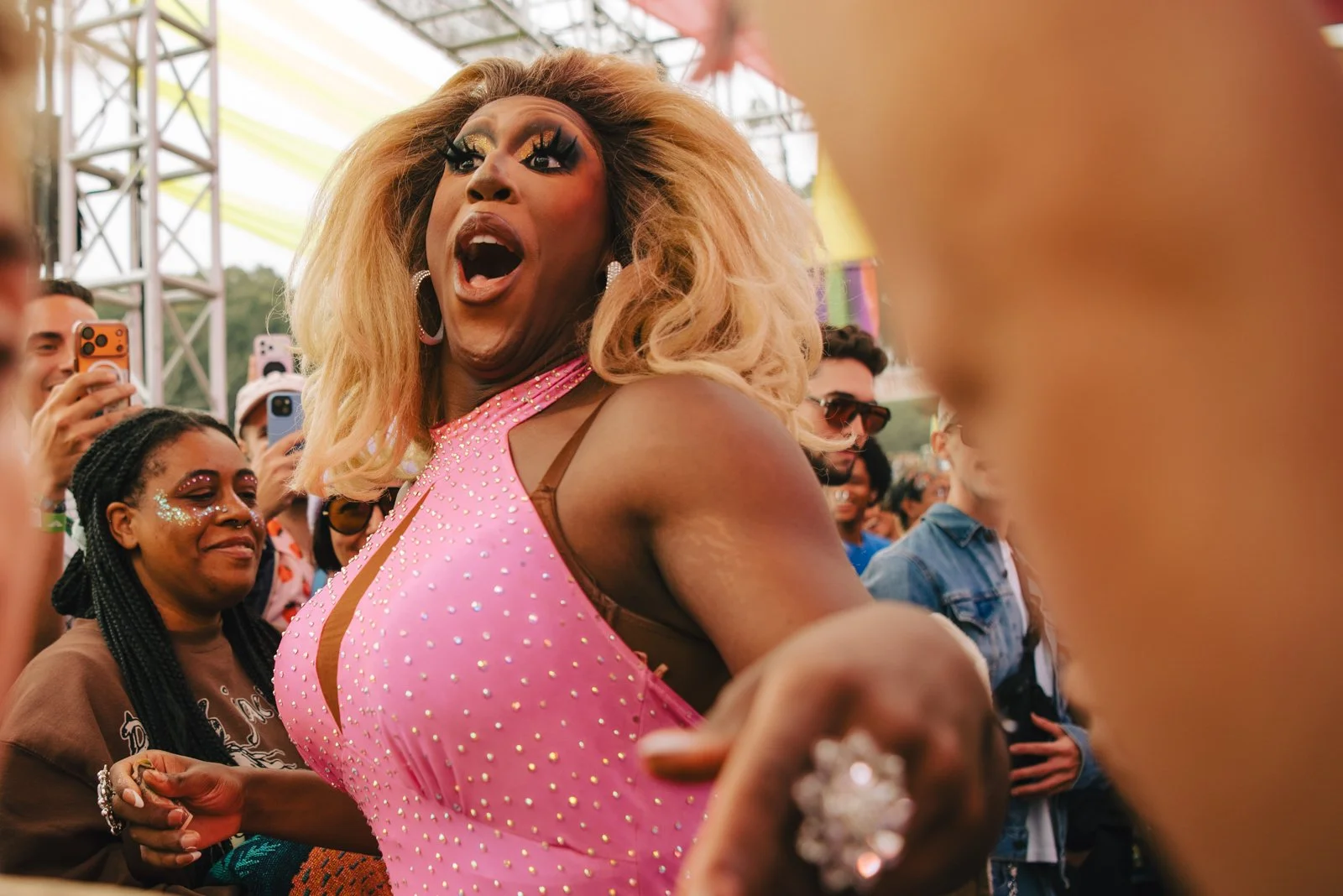
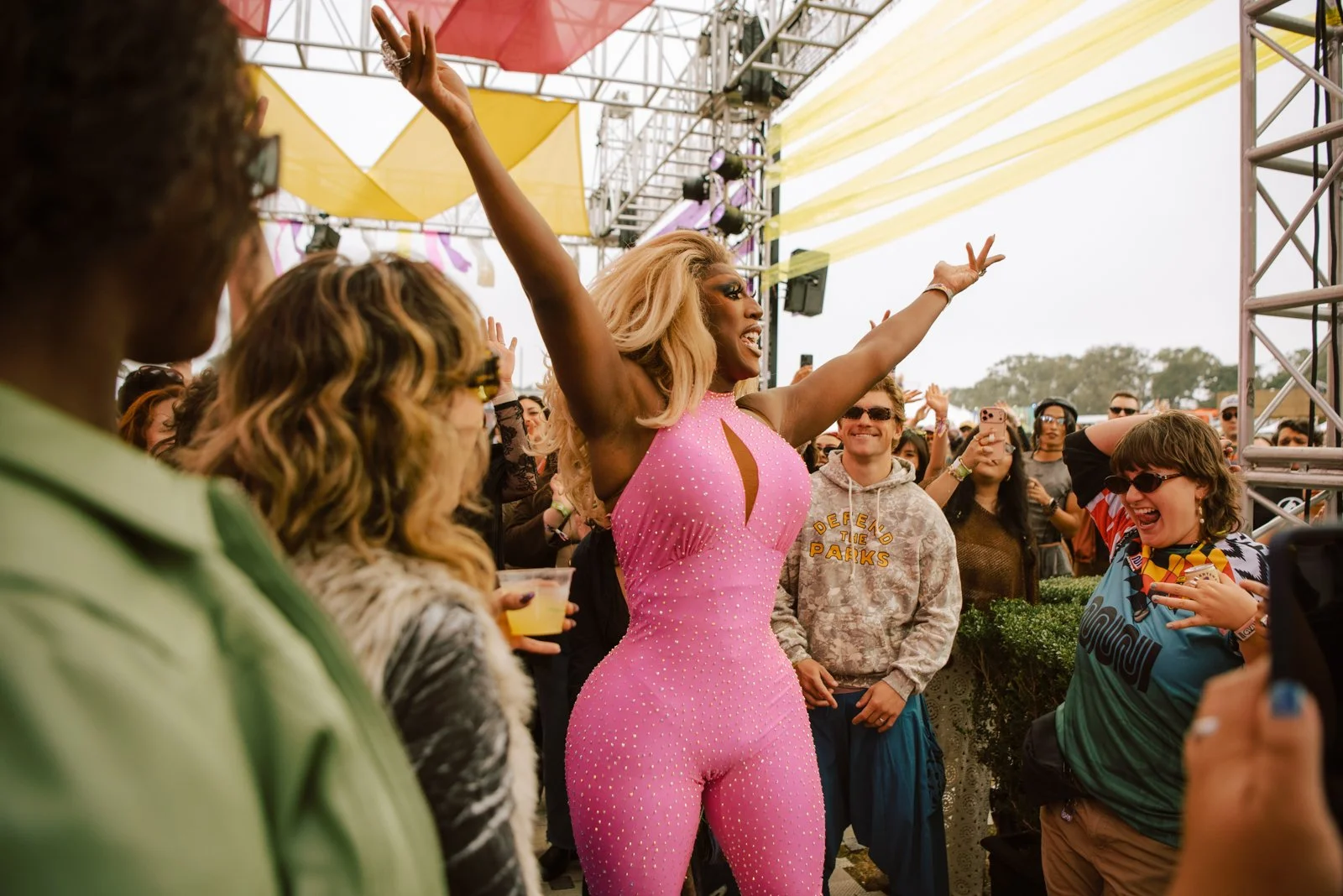
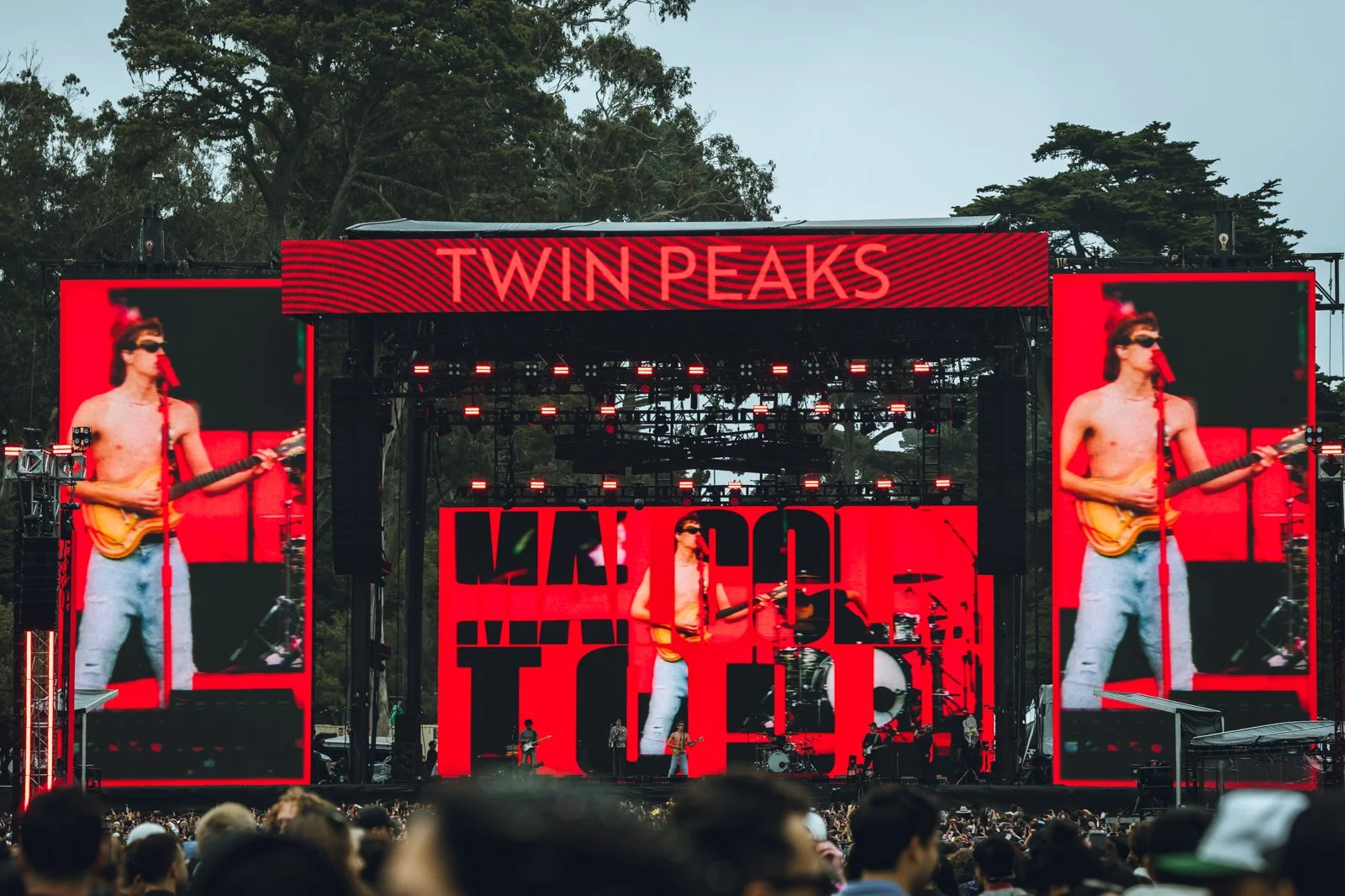
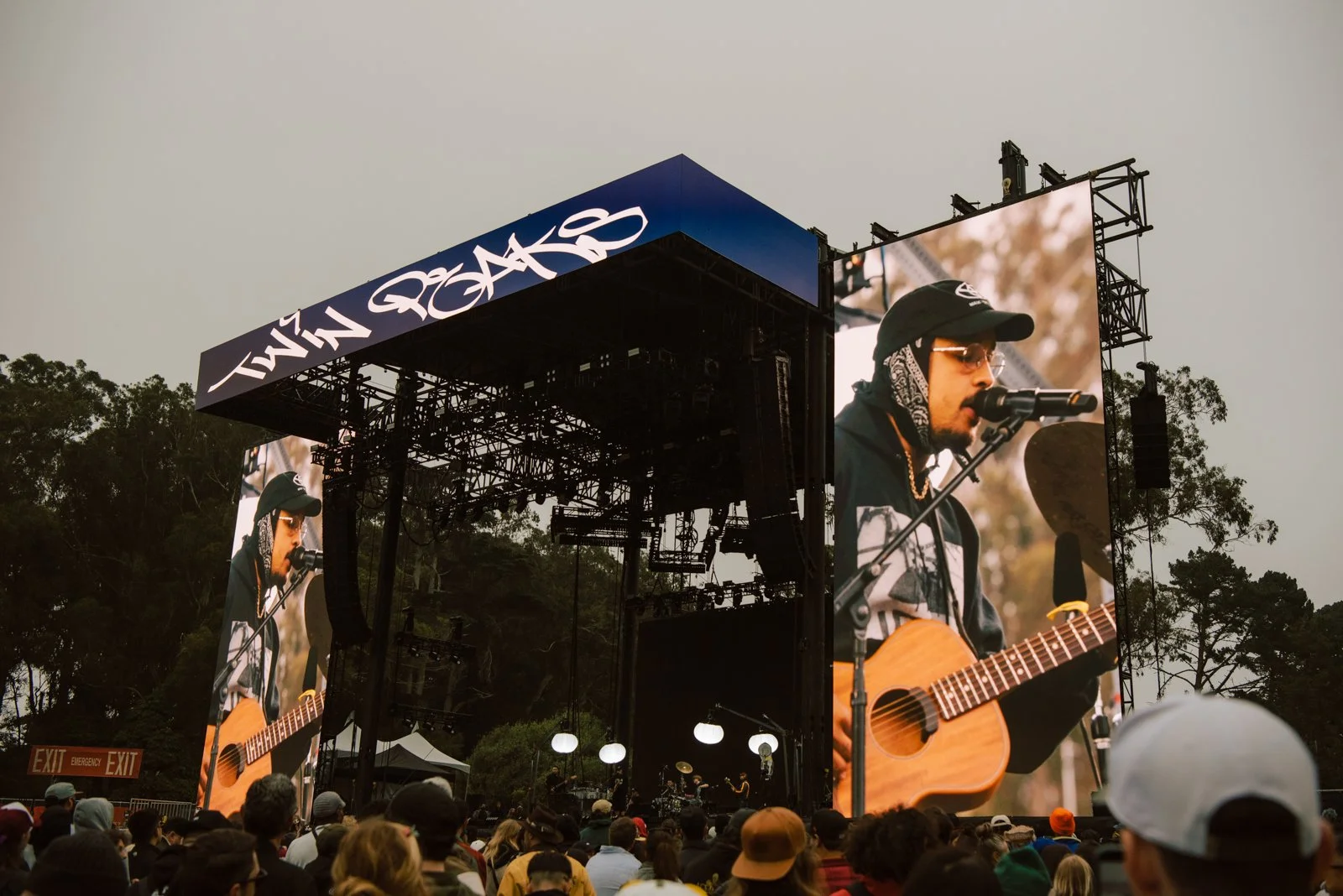
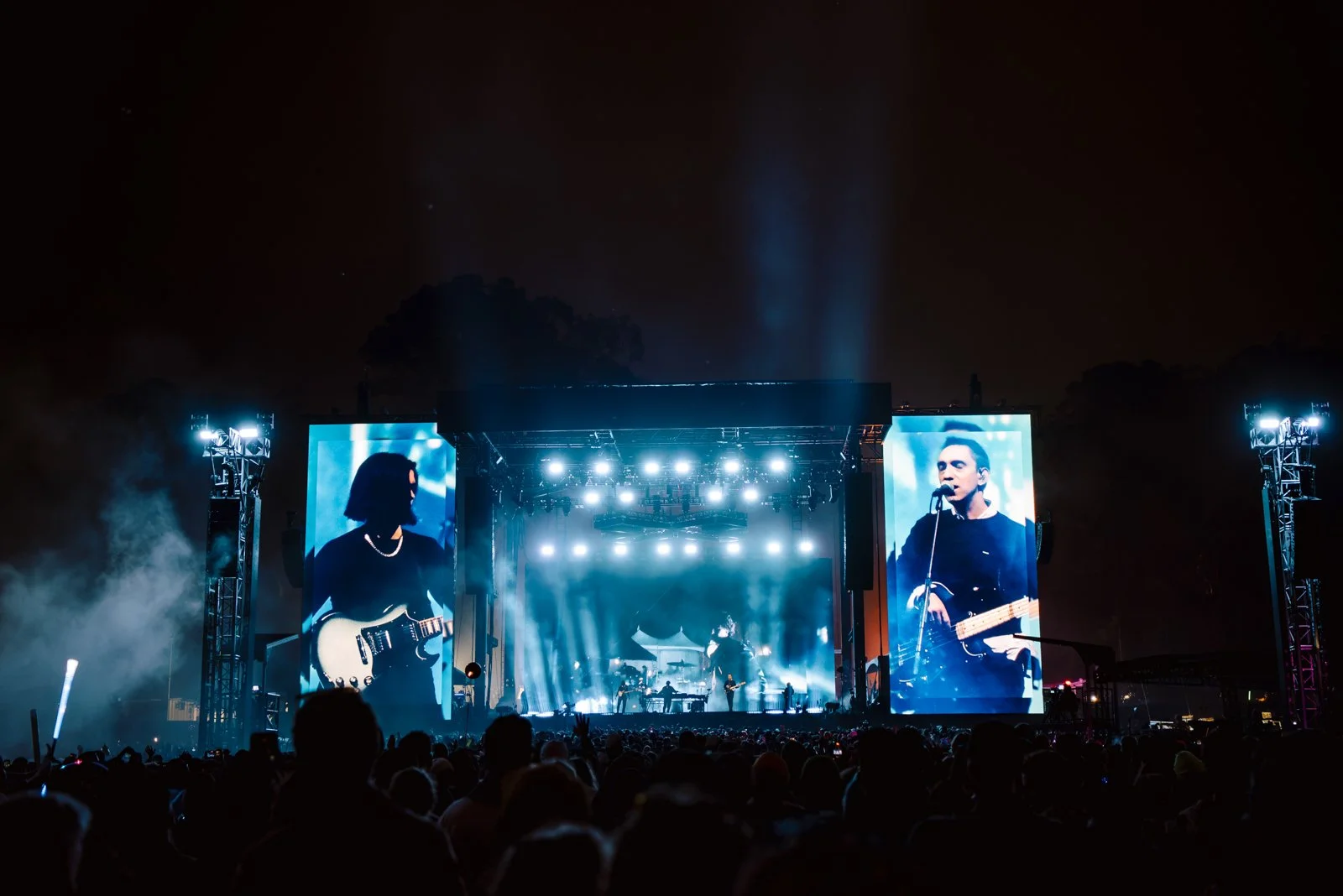
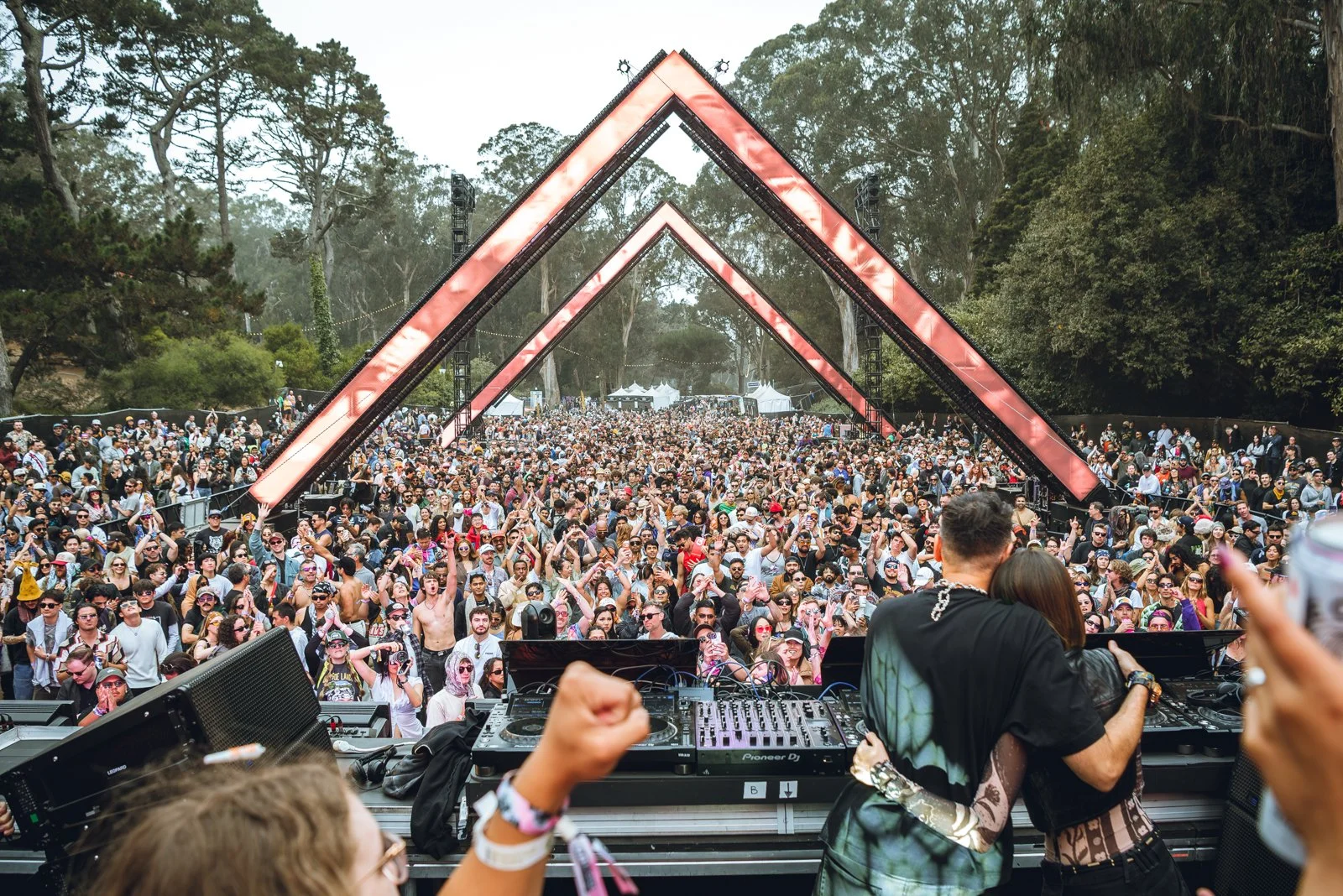
Lands End sits at the western edge of the Polo Field with its back to the ocean, exactly like the headland, and gets acts big enough to be heard from miles away. Sutro sits in the bowl Hall refused to let anyone bulldoze, where the crowd rises toward the stage like a 40 foot wave caught before it breaks, and features similarly rising artists. SOMA hosts the “who’s who?” of electronic music, an homage to the warehouses now repurposed as cosplay of a decade when a rave was federally persecuted. The open-air dance floor dedicated to all things queer is named for Dolores — the sunny park on the hill where parents with strollers mingle with dom/sub polycules over Bi-Rite soft serve. And Twin Peaks is the lookout, tucked toward the back of the grounds, where you climb to see just how high the performing artist has reached.
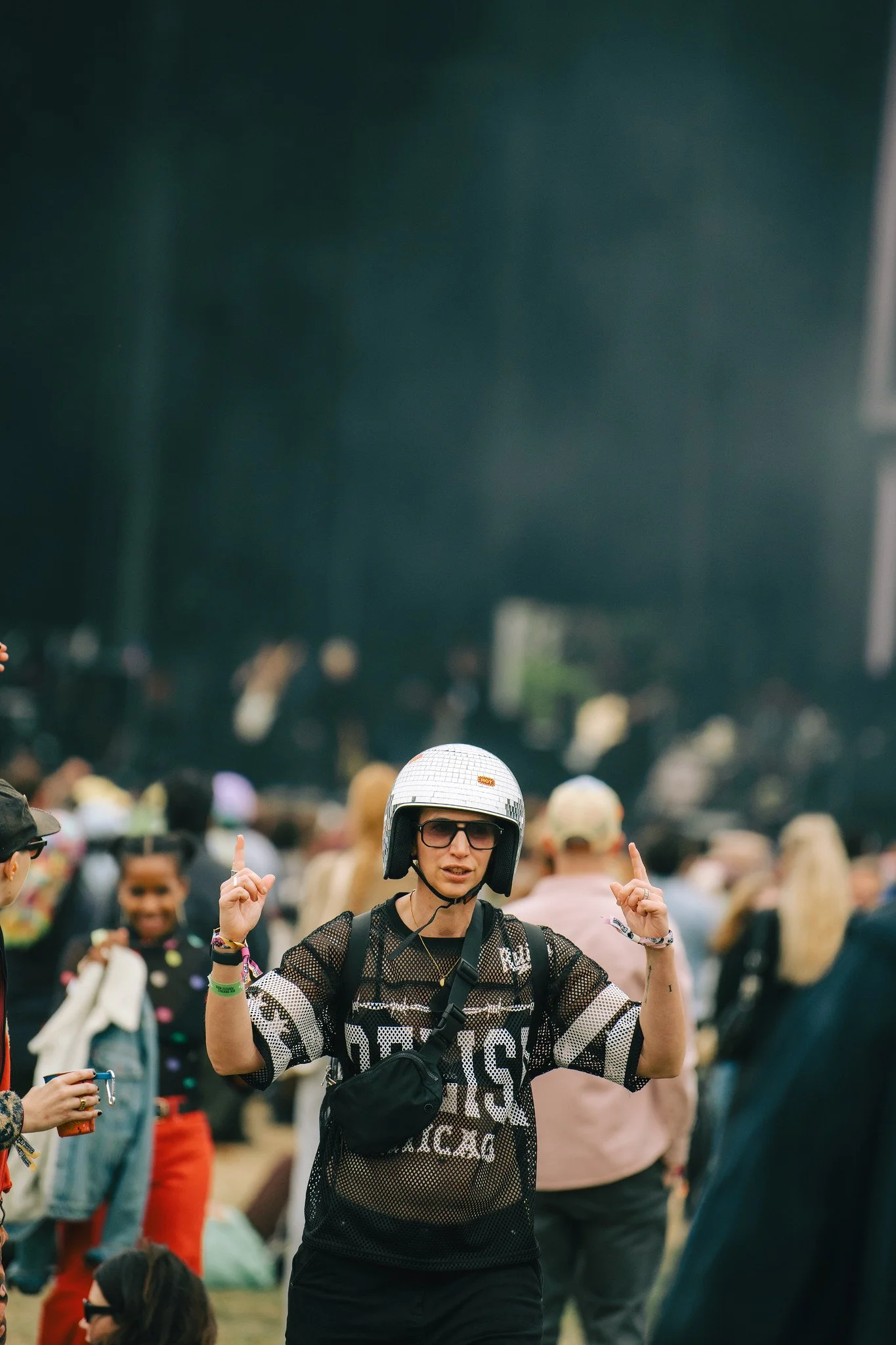
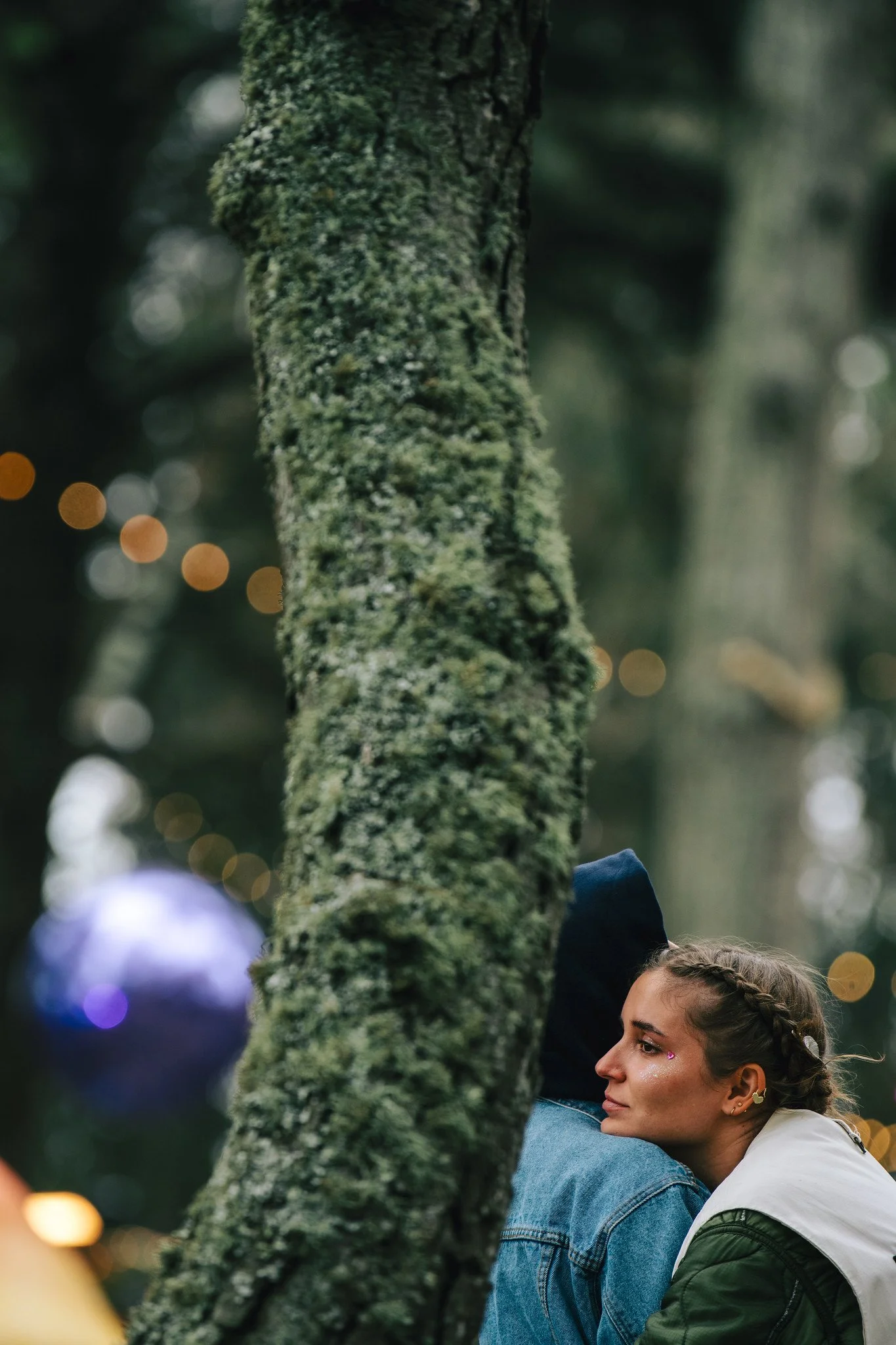
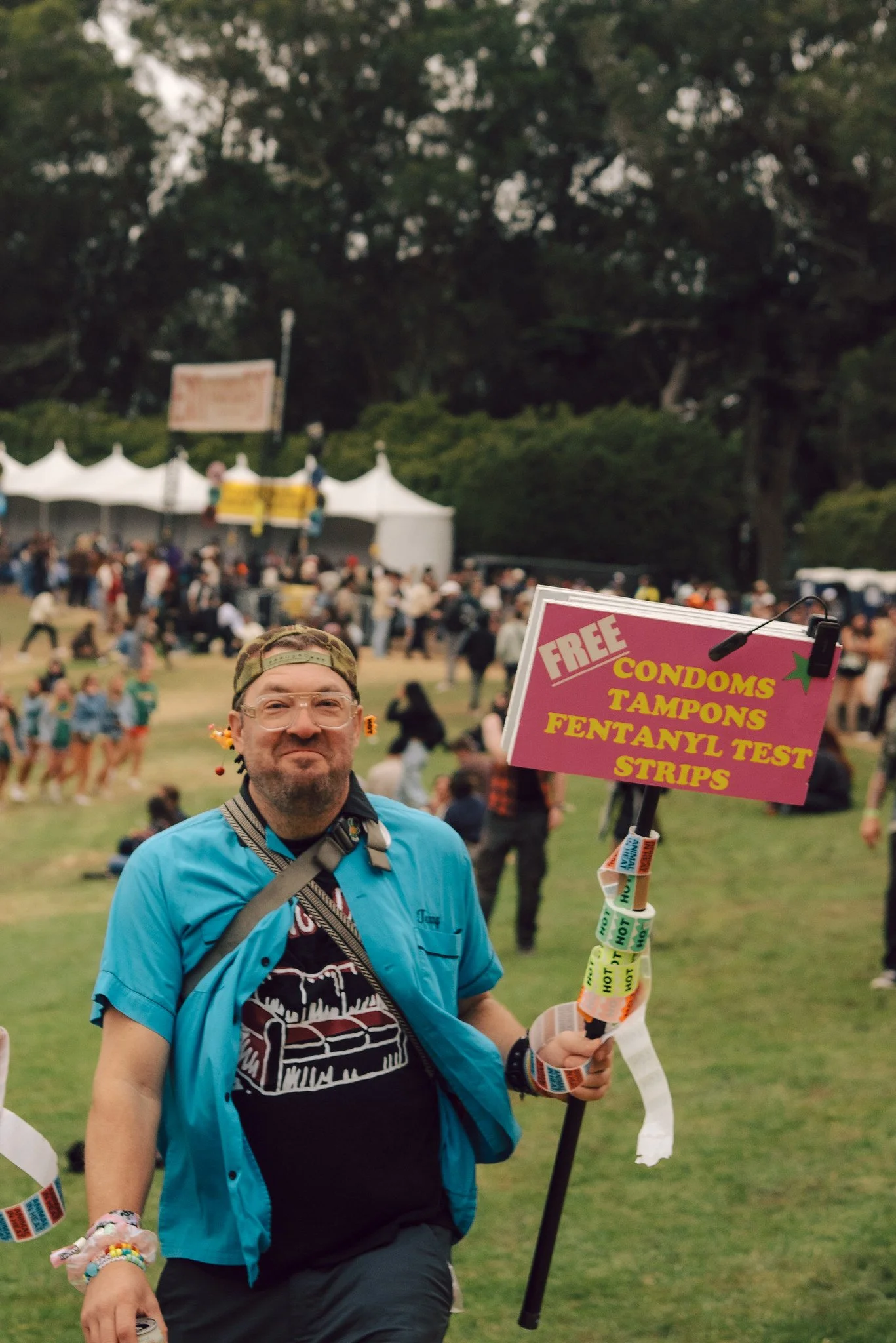
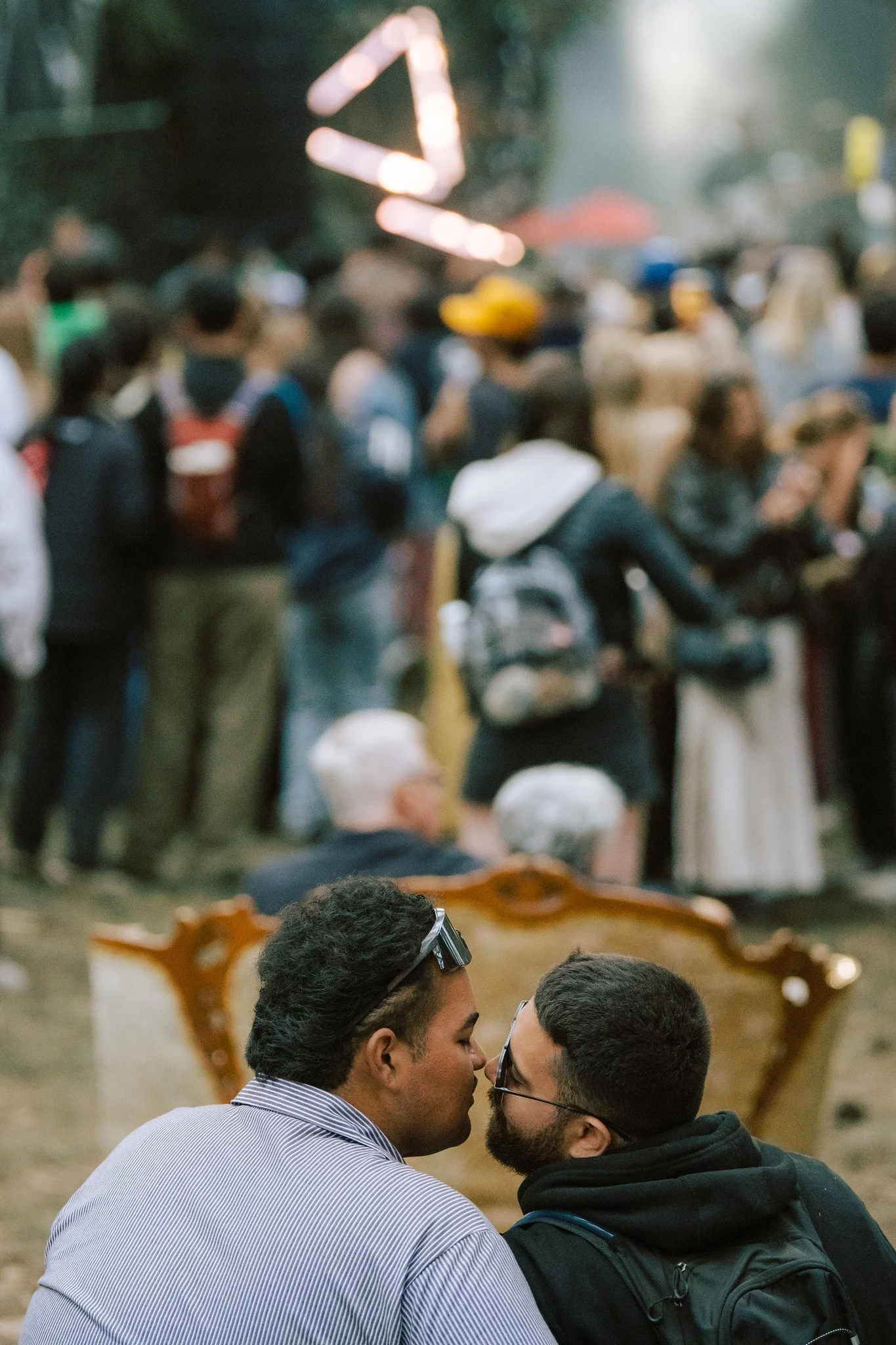
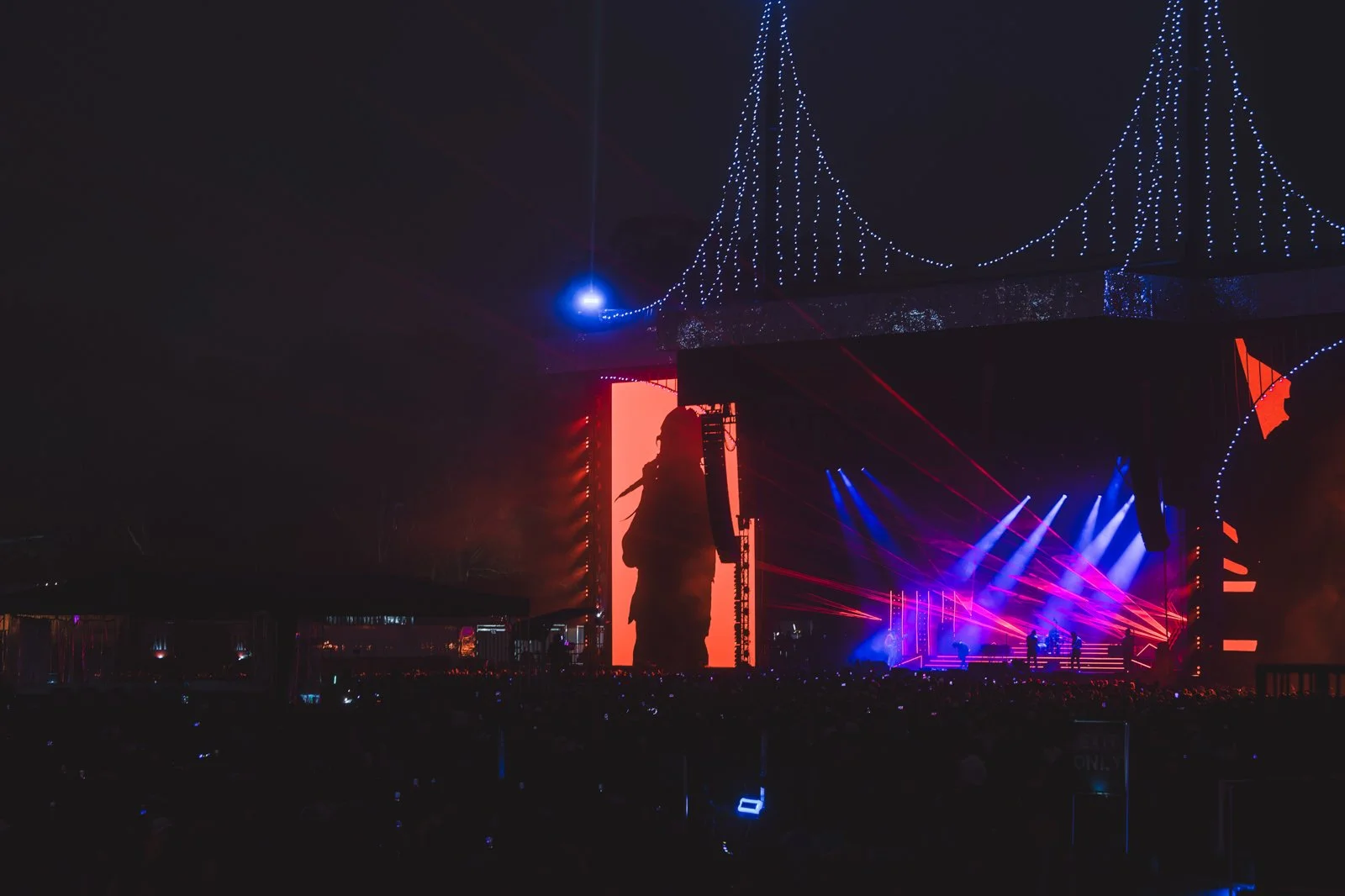
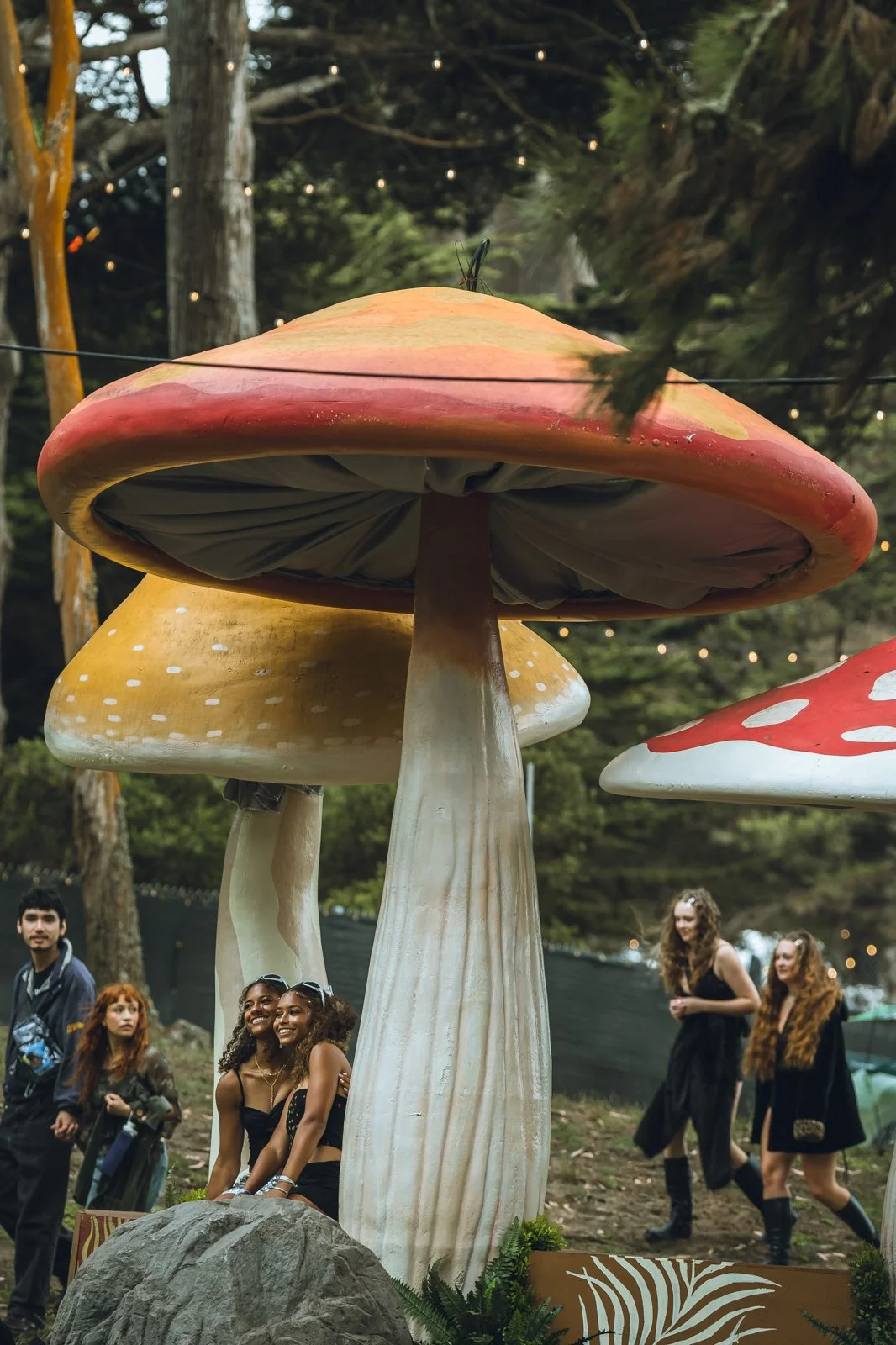
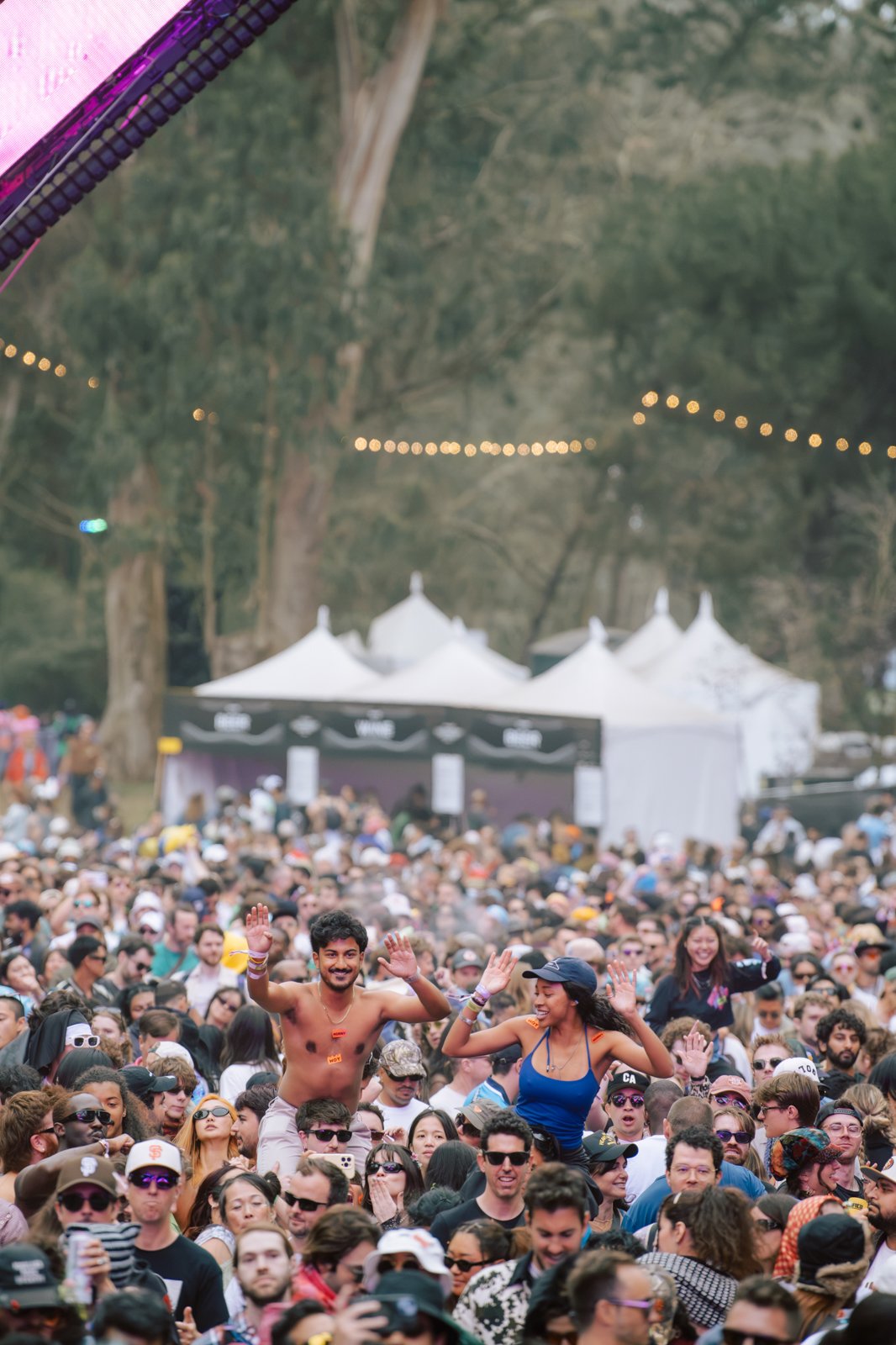
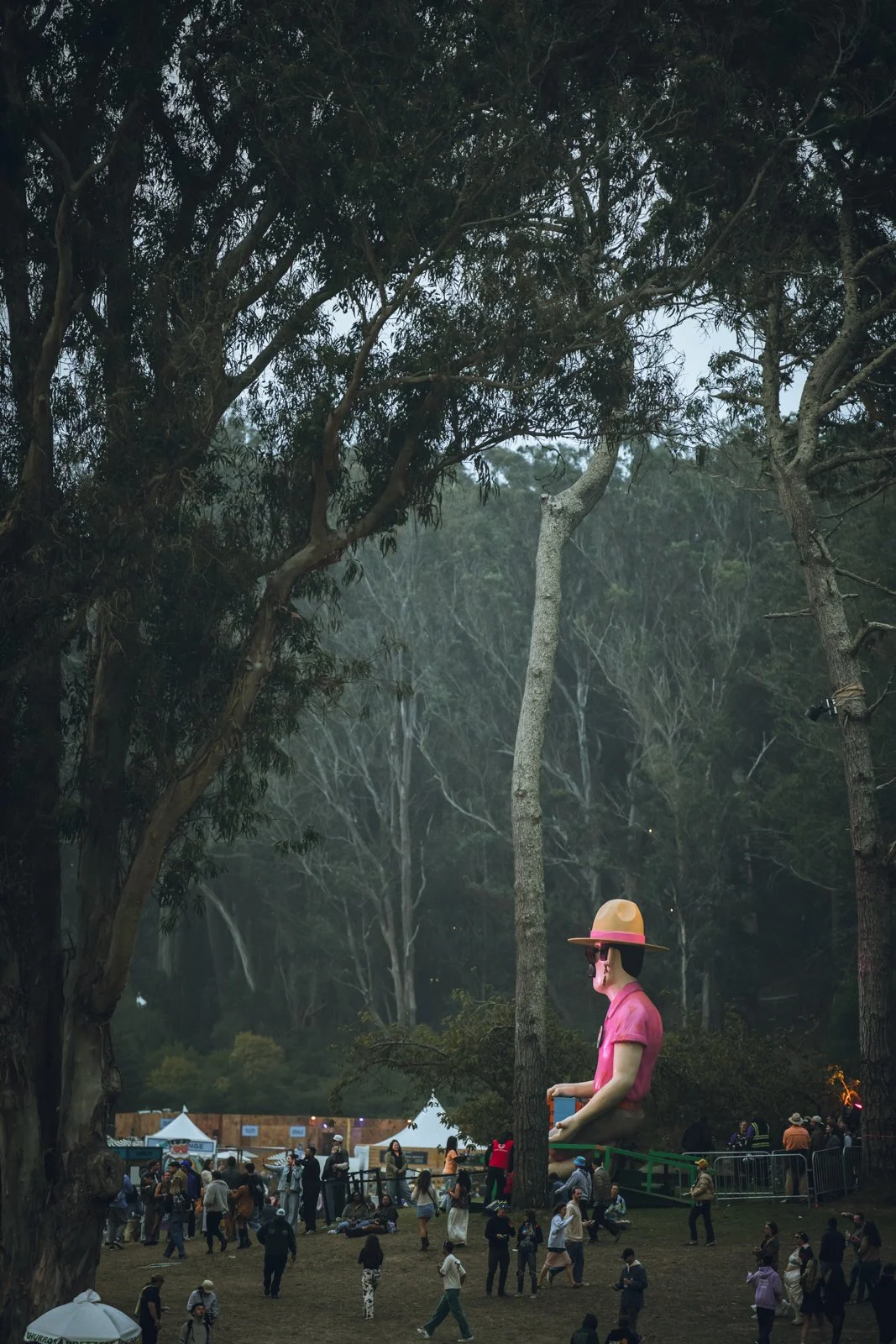
These stages aren’t just allusions, they’re working replicas built to elicit the feeling of what it’s like living in San Francisco. The trellises surrounding the Sutro bowl do what the eucalyptus canopy does on the real hill. The dirt path connecting Sutro to Twin Peaks to SOMA is the crosstown trek compressed into twelve minutes, with a stop at Wine Lands on the way as though Napa Valley were one exit off the 80.
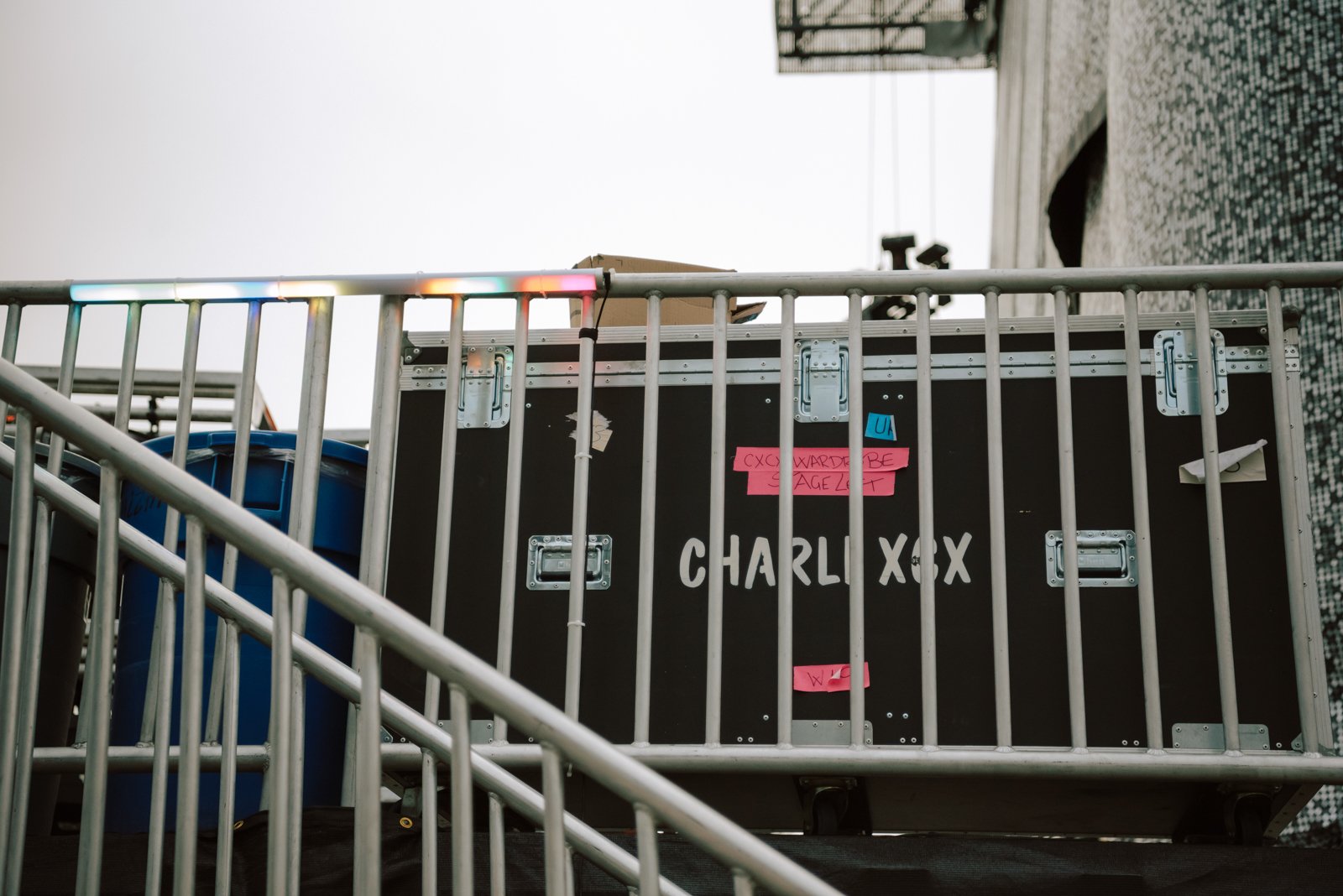
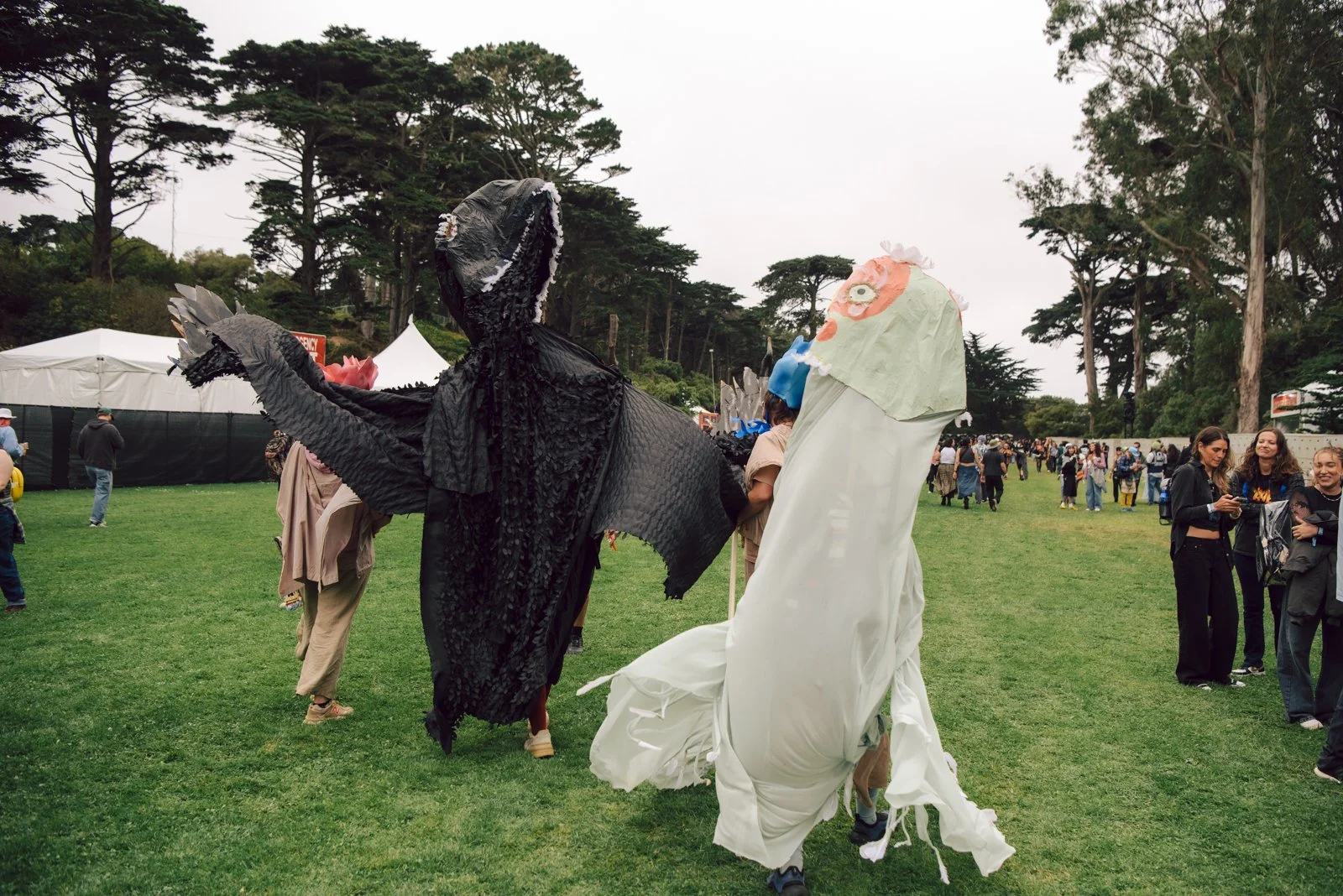
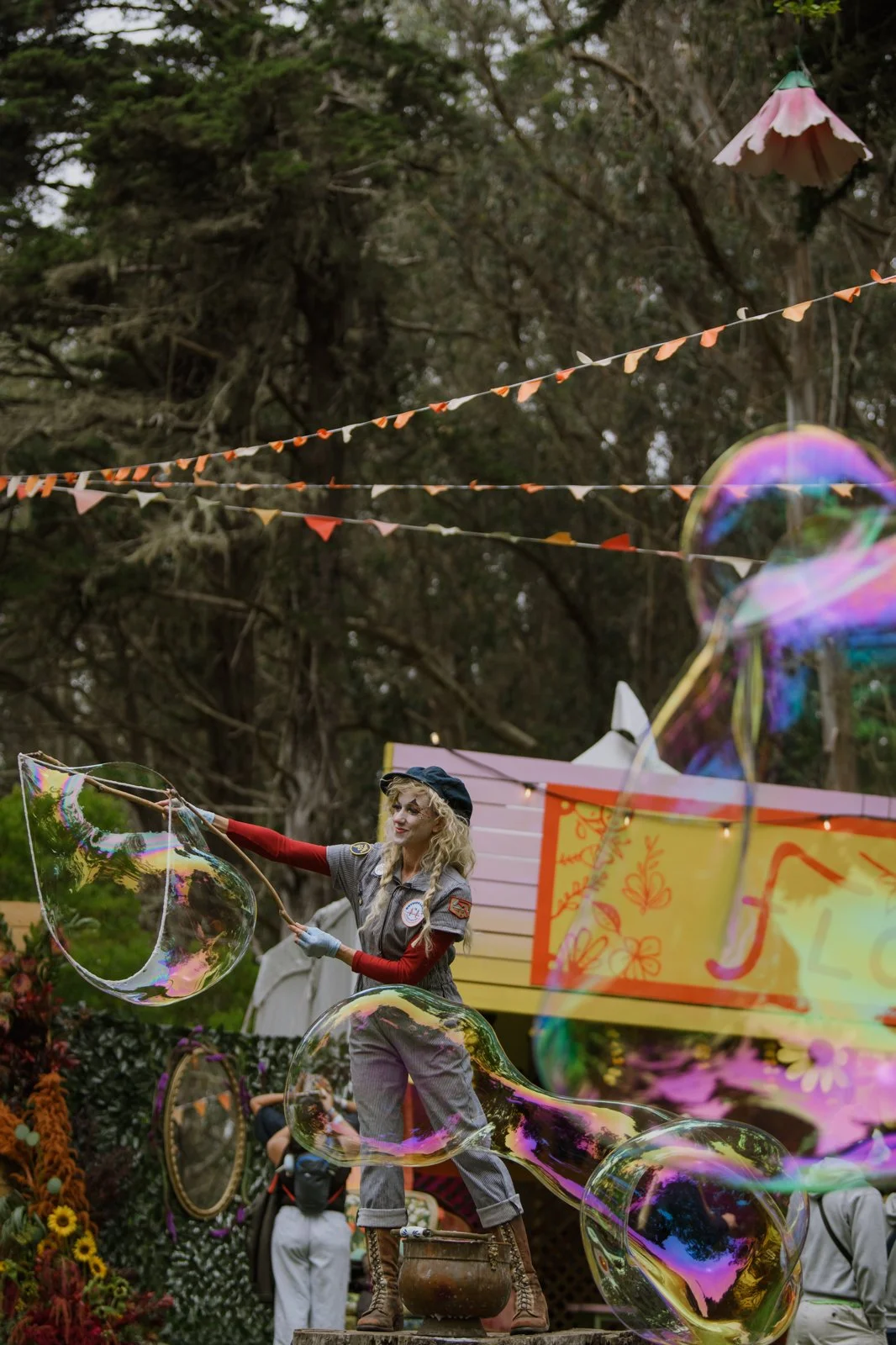
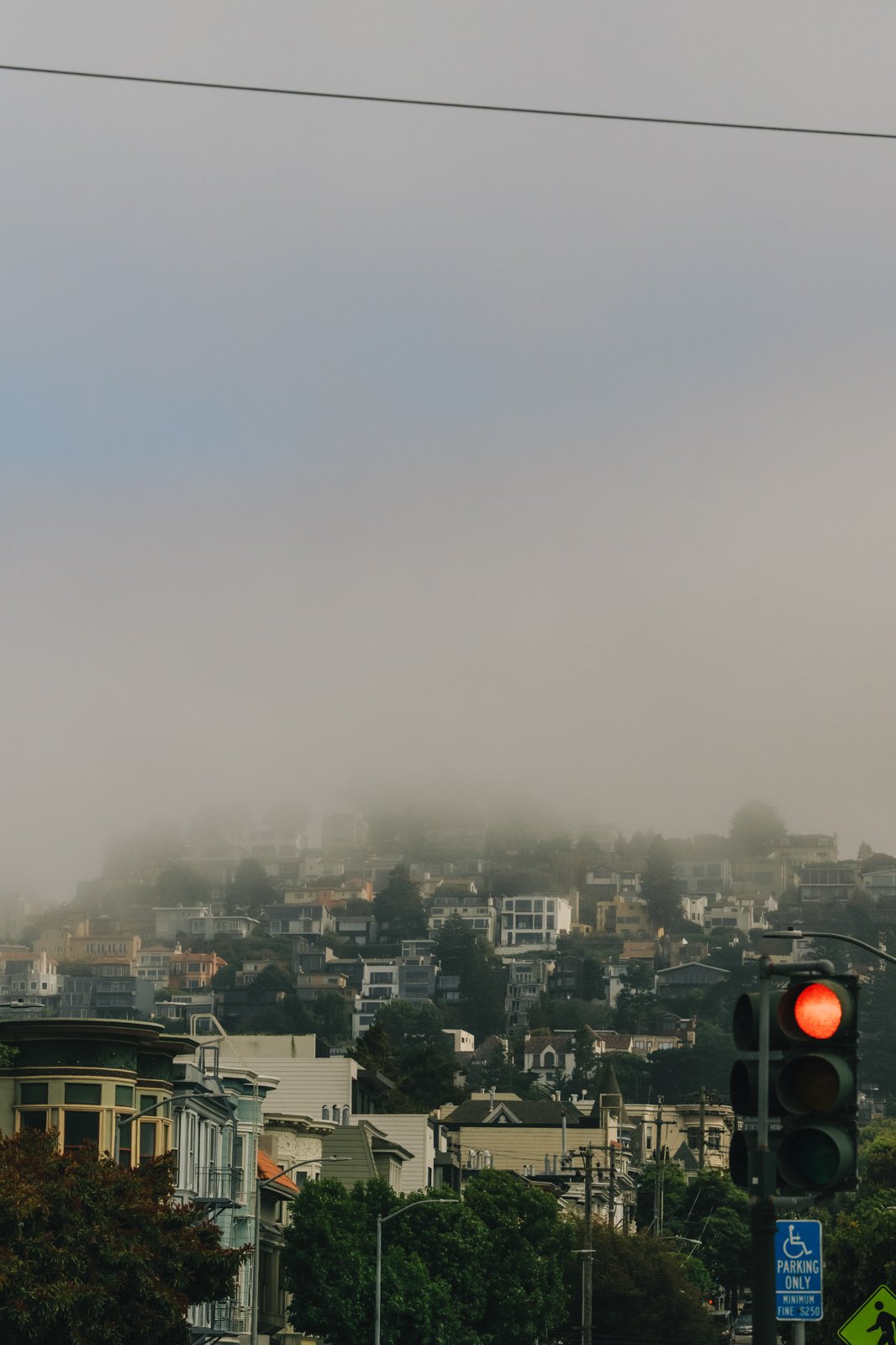
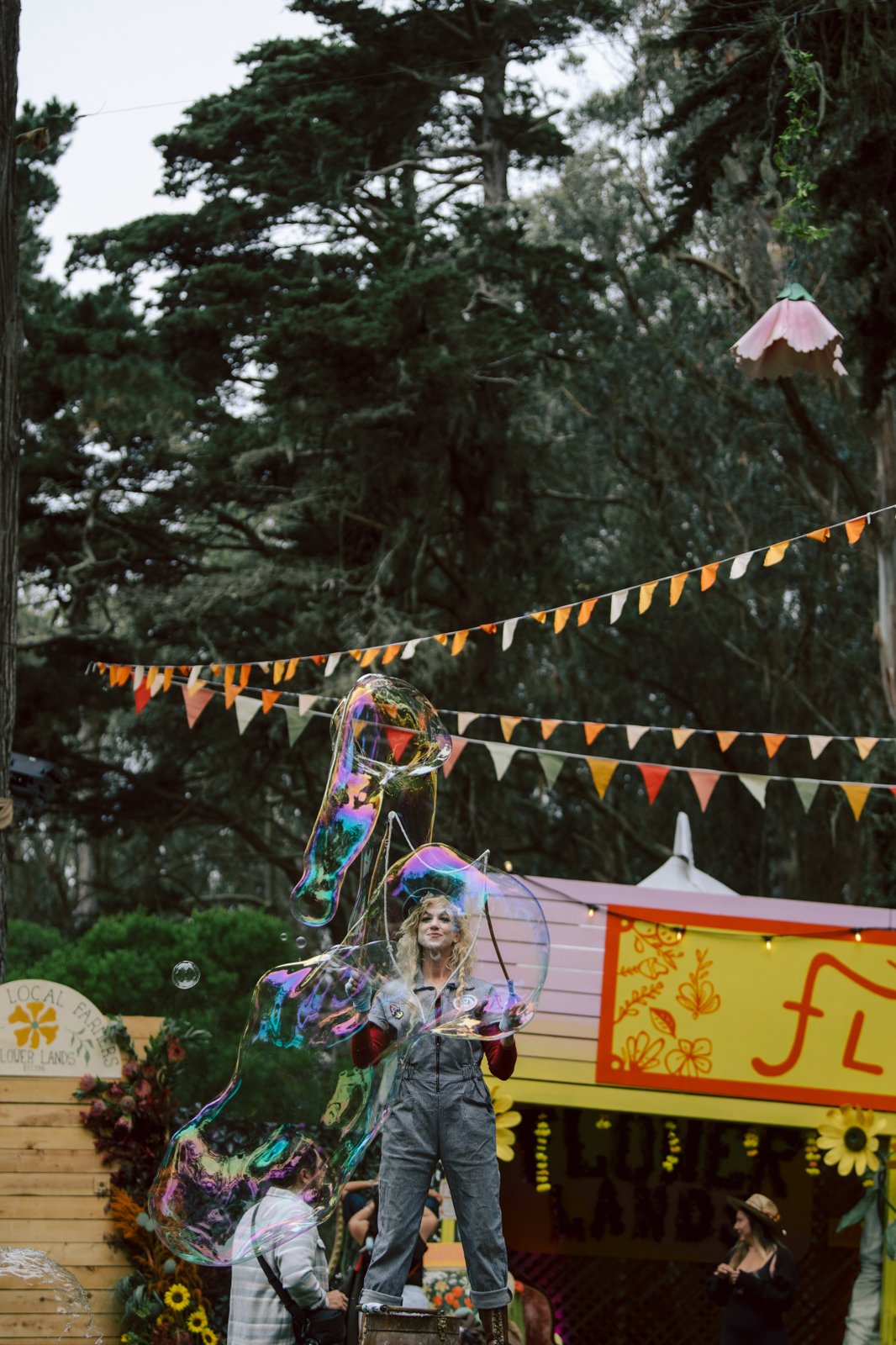
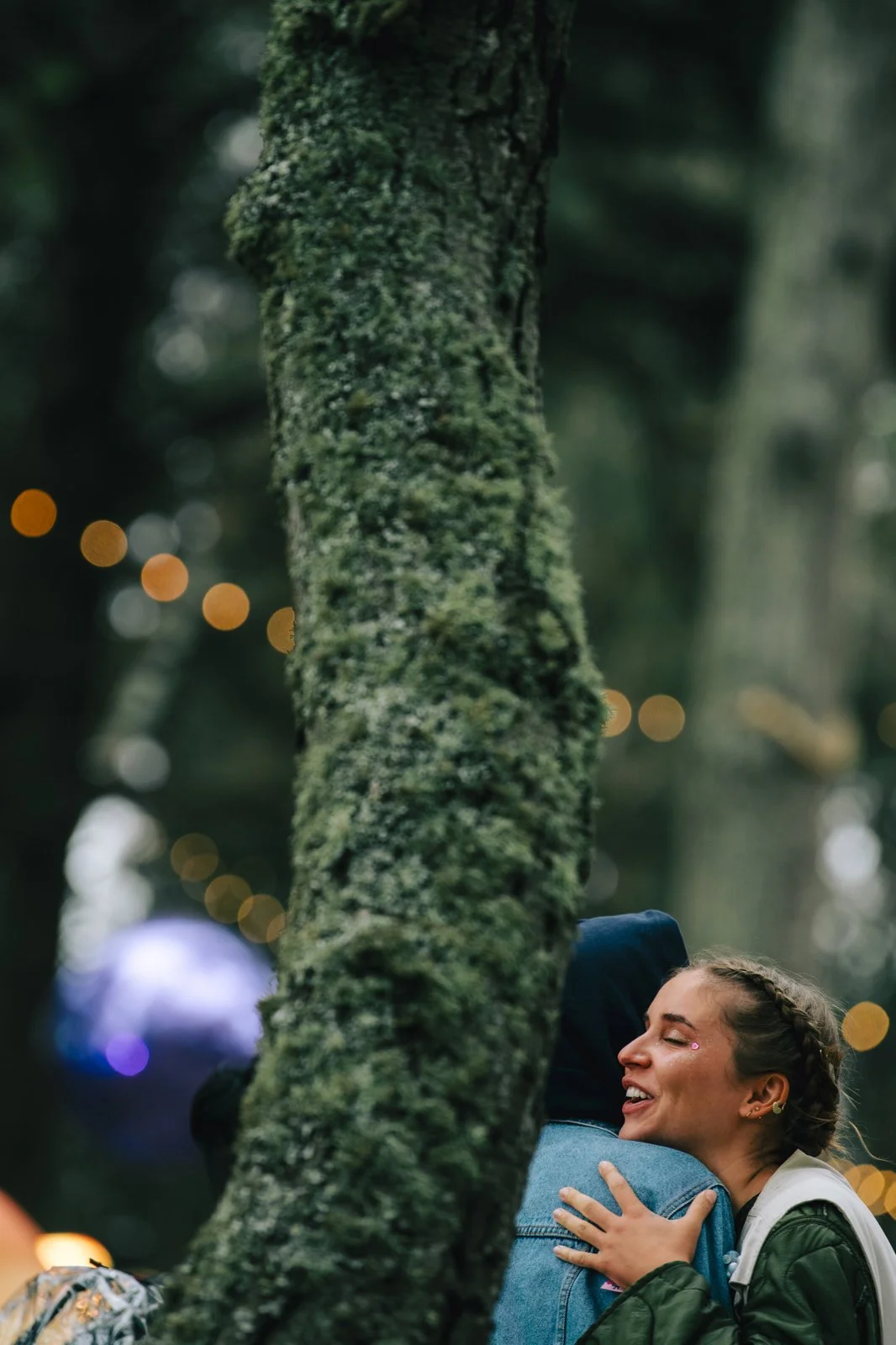
That’s the part no other competing festival can mimic. Festival lineups have, for most part, converged. Charli XCX, for example, headlined Lollapalooza a week before Outside Lands, and nearly everyone at the top of the poster is at the top of somebody else’s. What can’t be shipped is the specificity of San Francisco. A Swan Lake production staged on a hillside of moss at four in the afternoon. A séance that plays better in daylight because Karl the Fog says so. A Sunday-night singalong that Ben Gibbard asked for specifically so he could hear the echoes bounce off the trees. Every other festival is renting a field. Outside Lands is a city nestled in a park with winding, interconnected paths that took decades to grow.
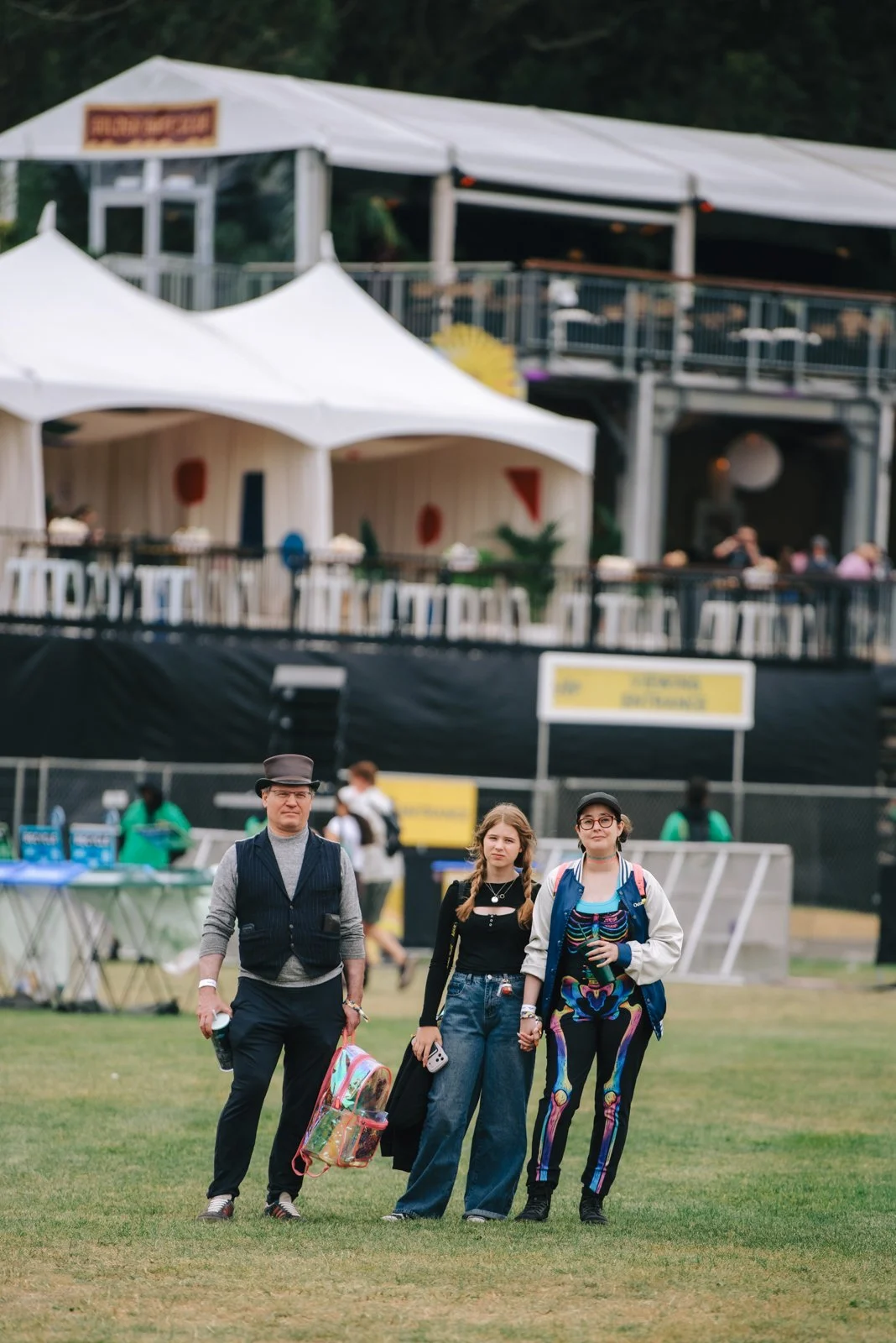
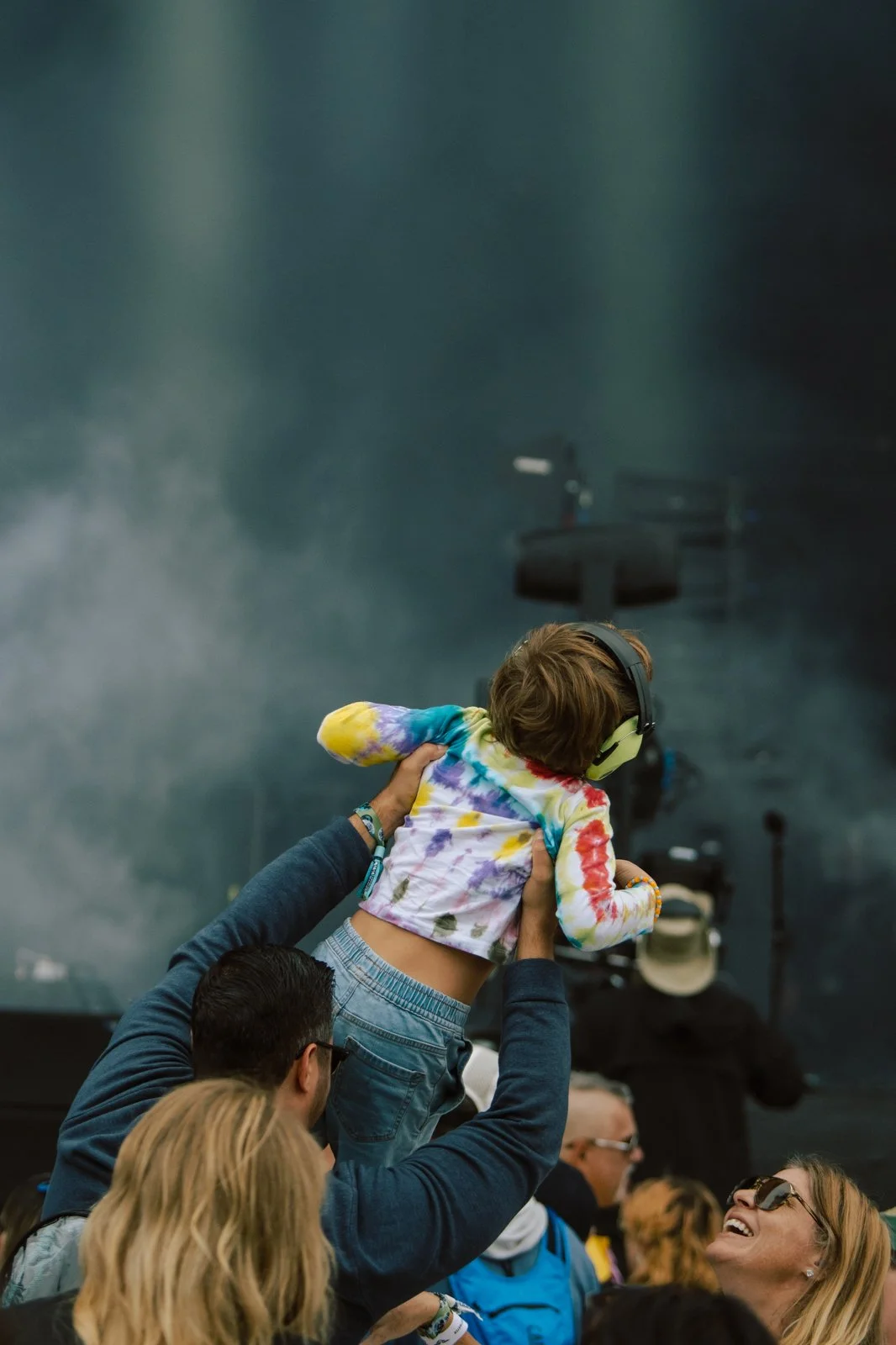
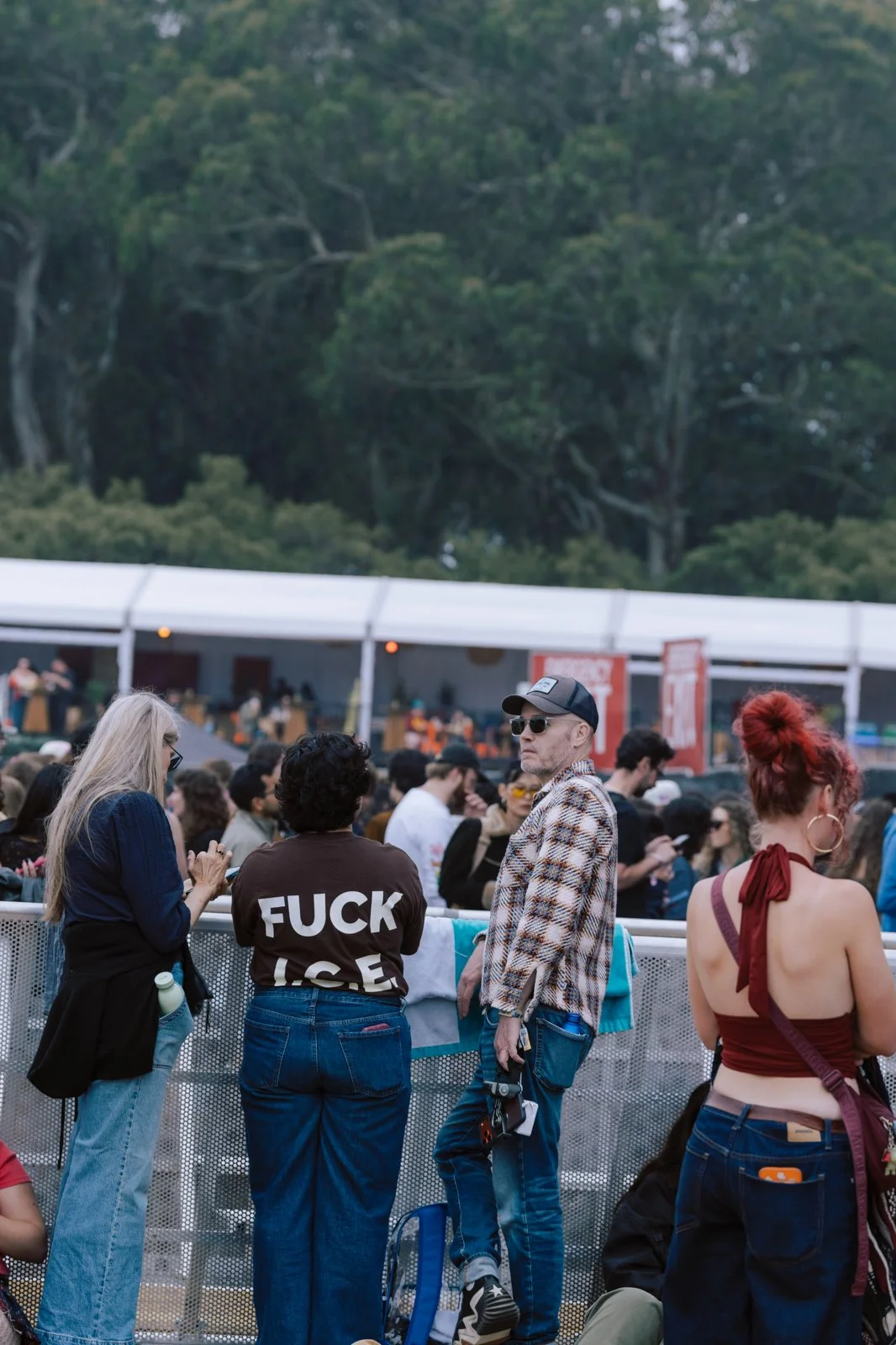
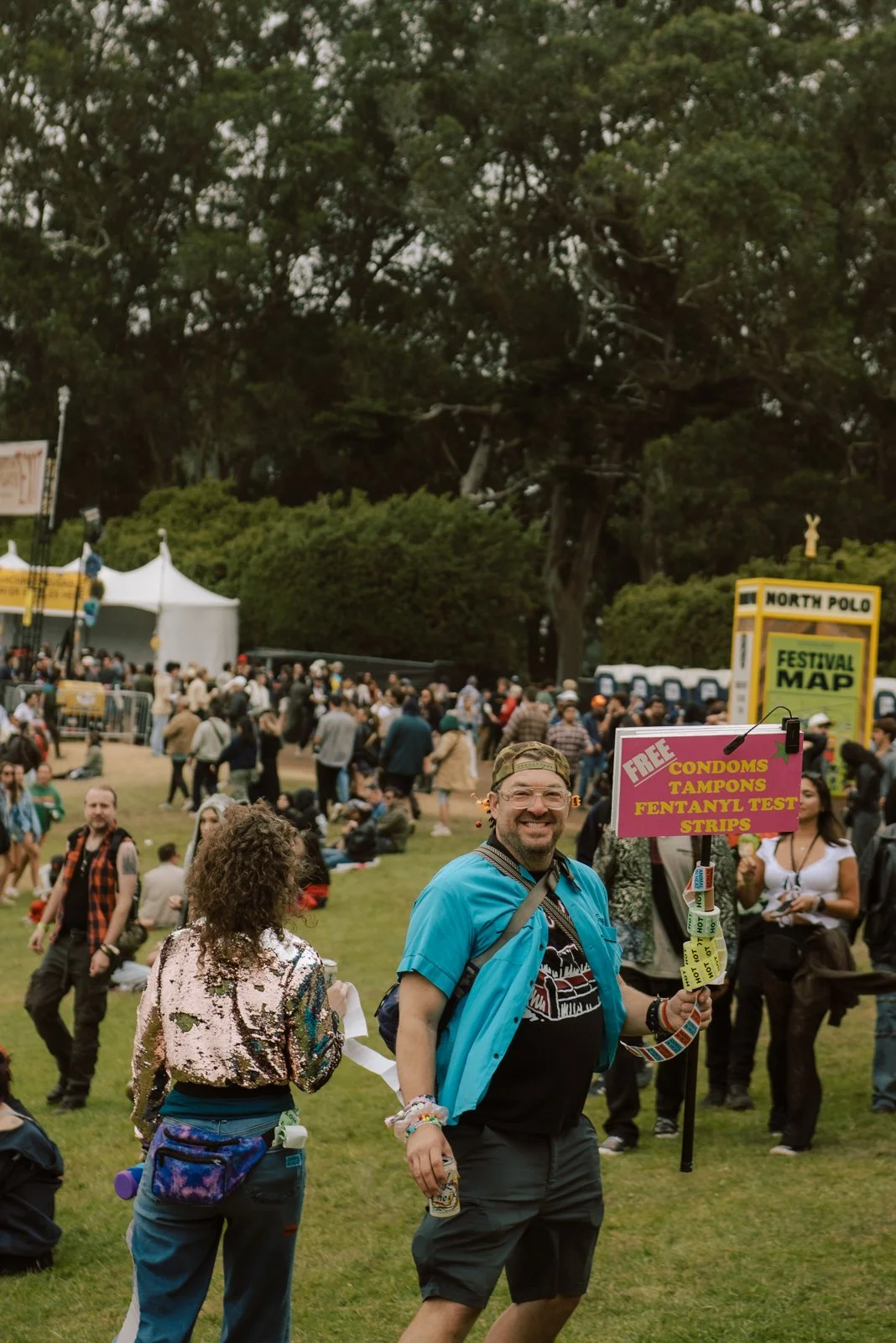
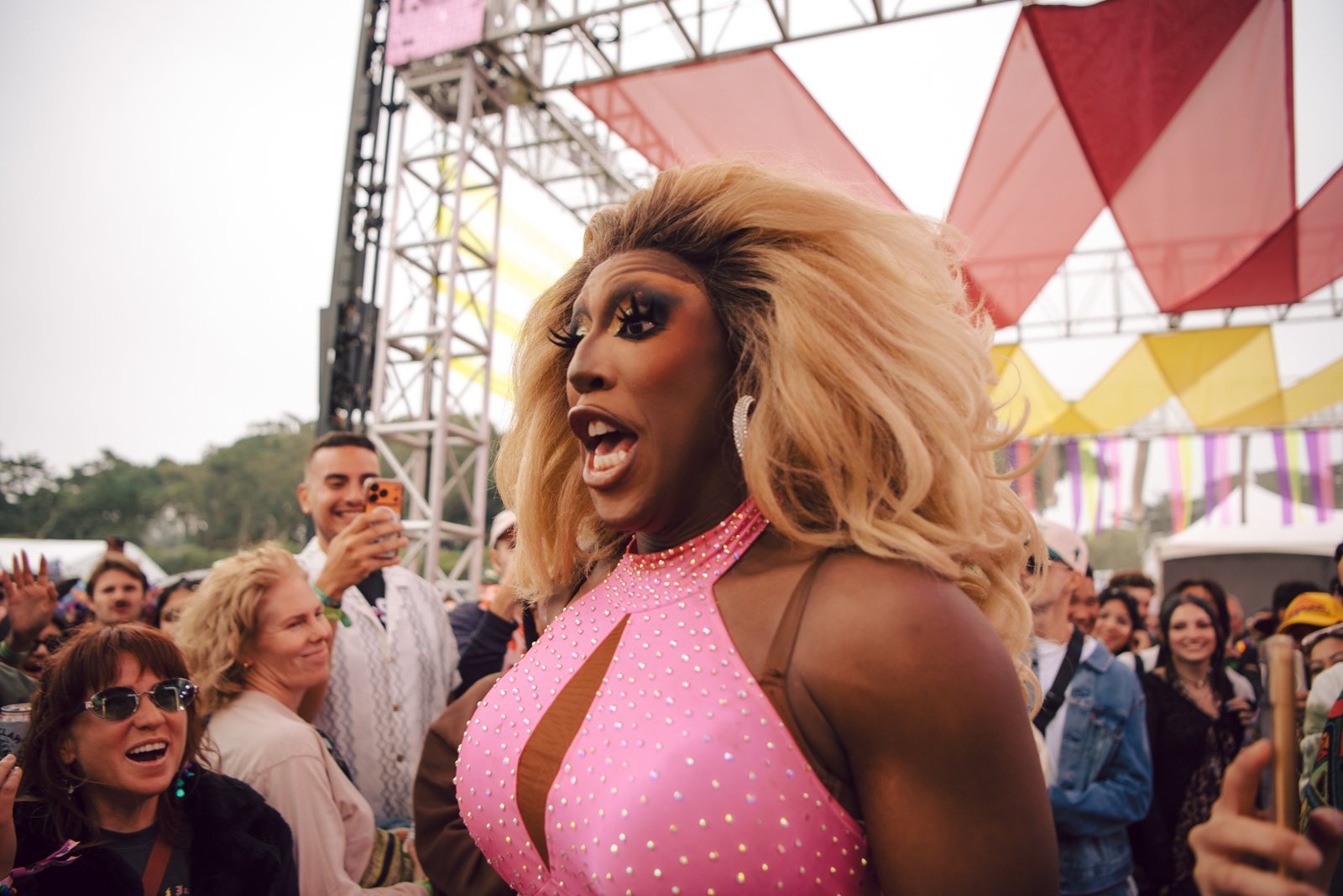
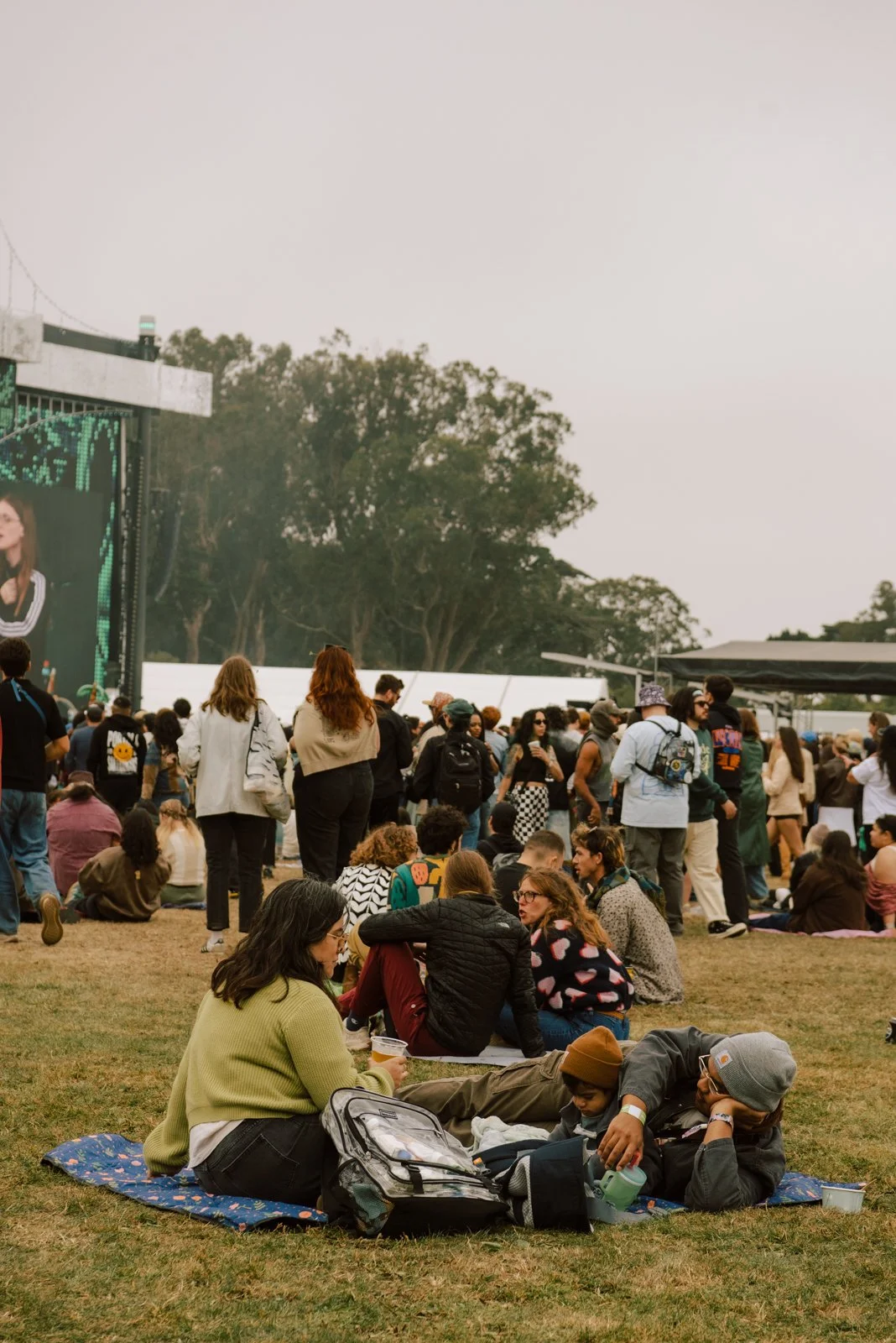
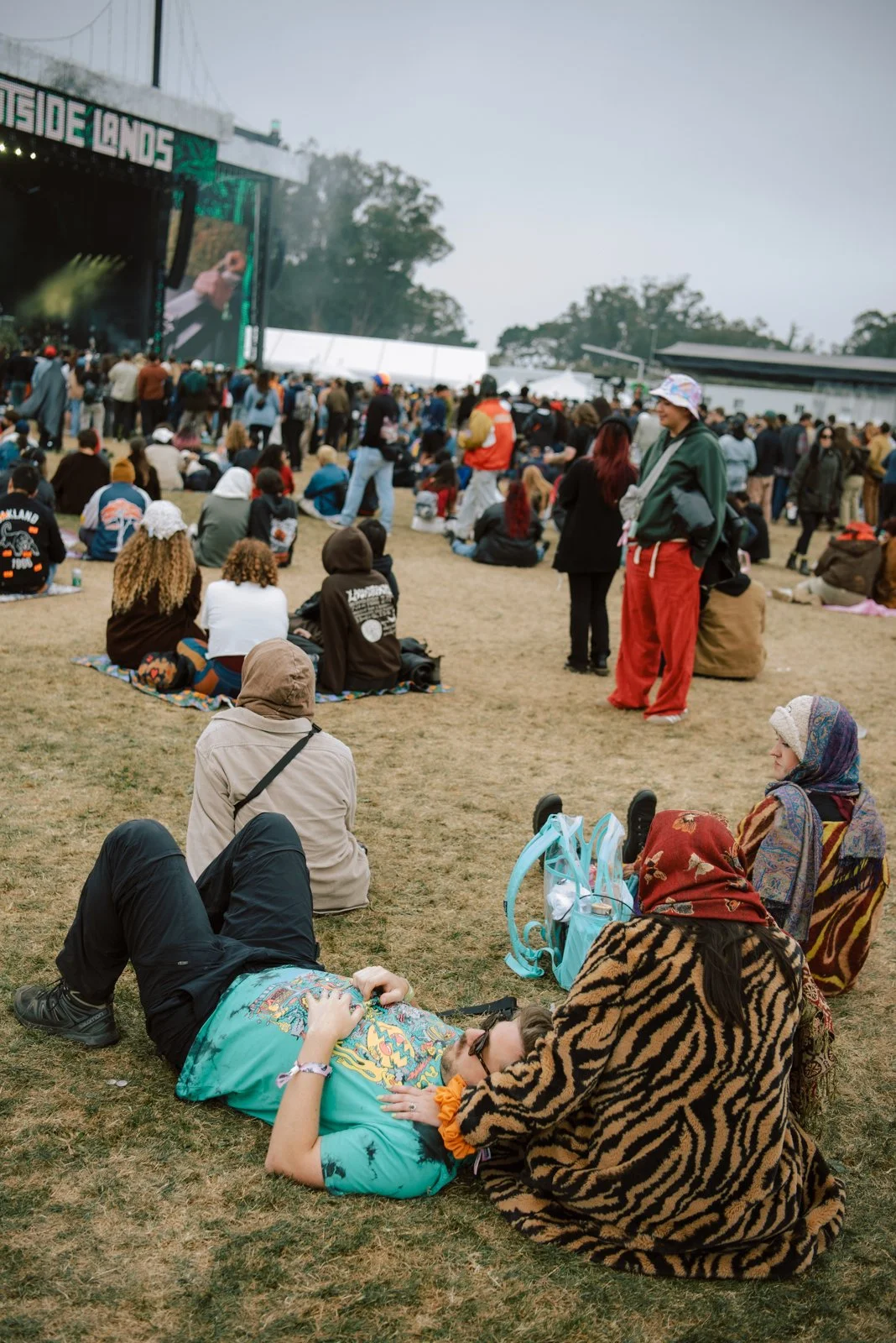
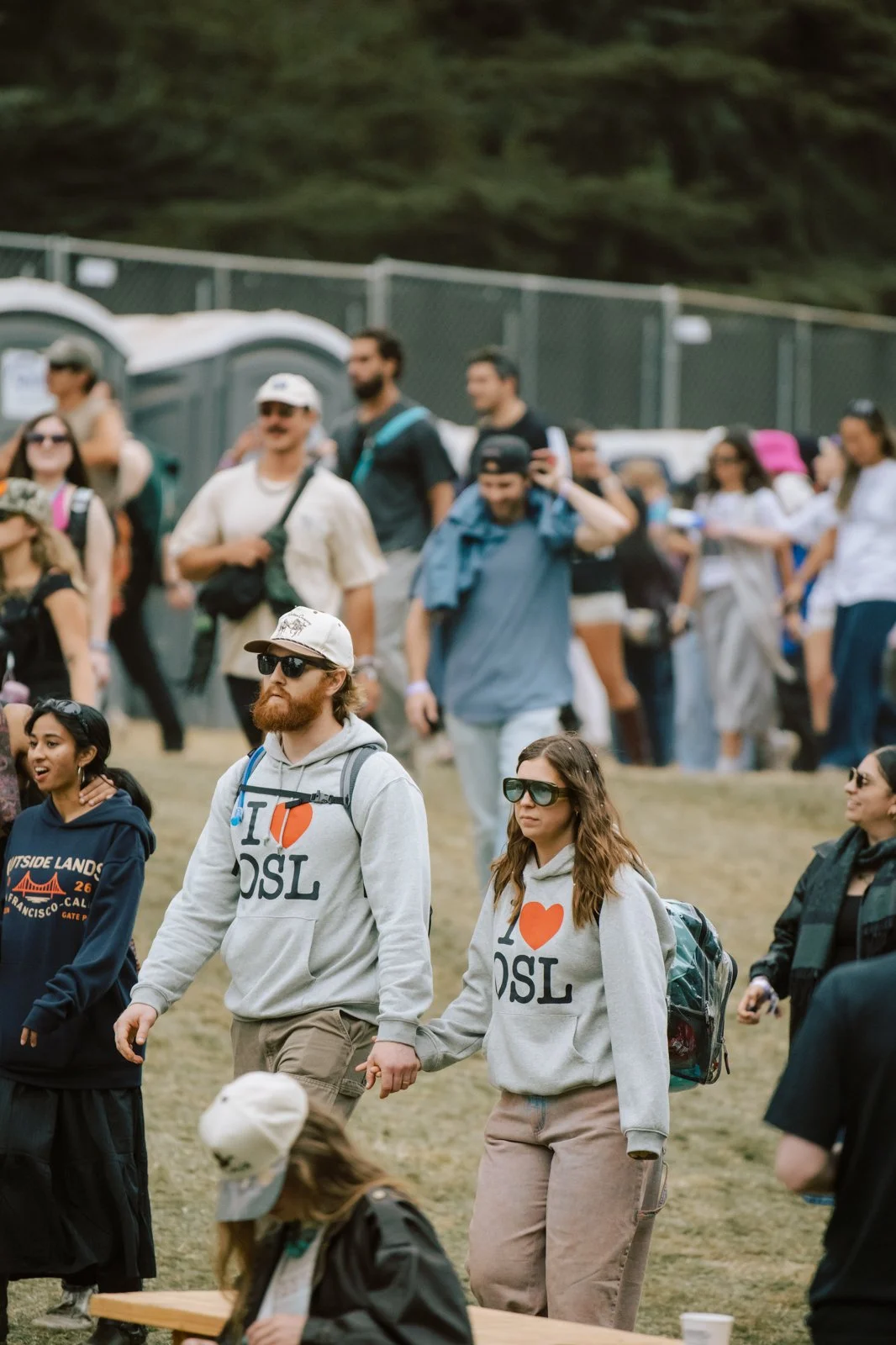
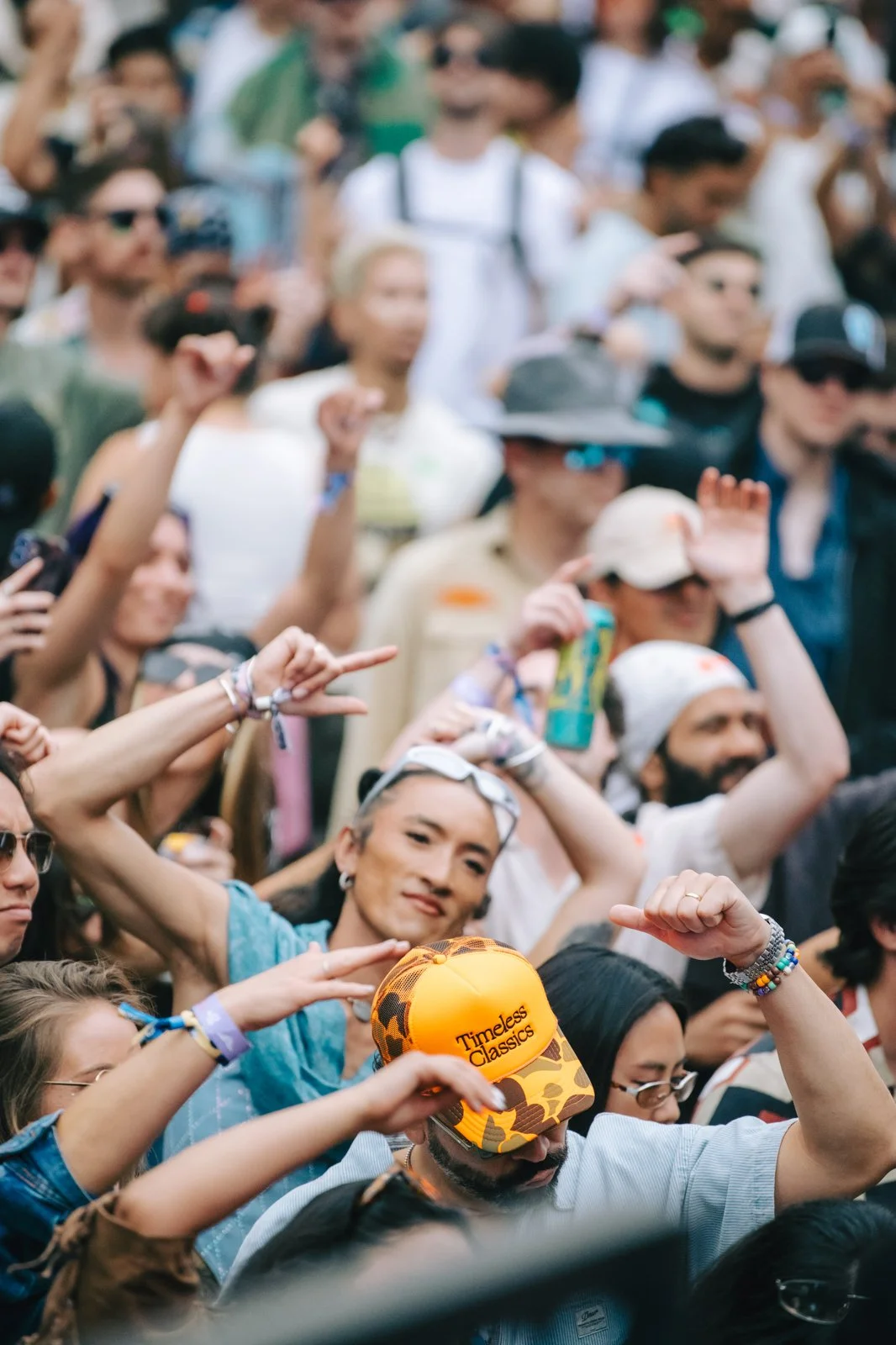
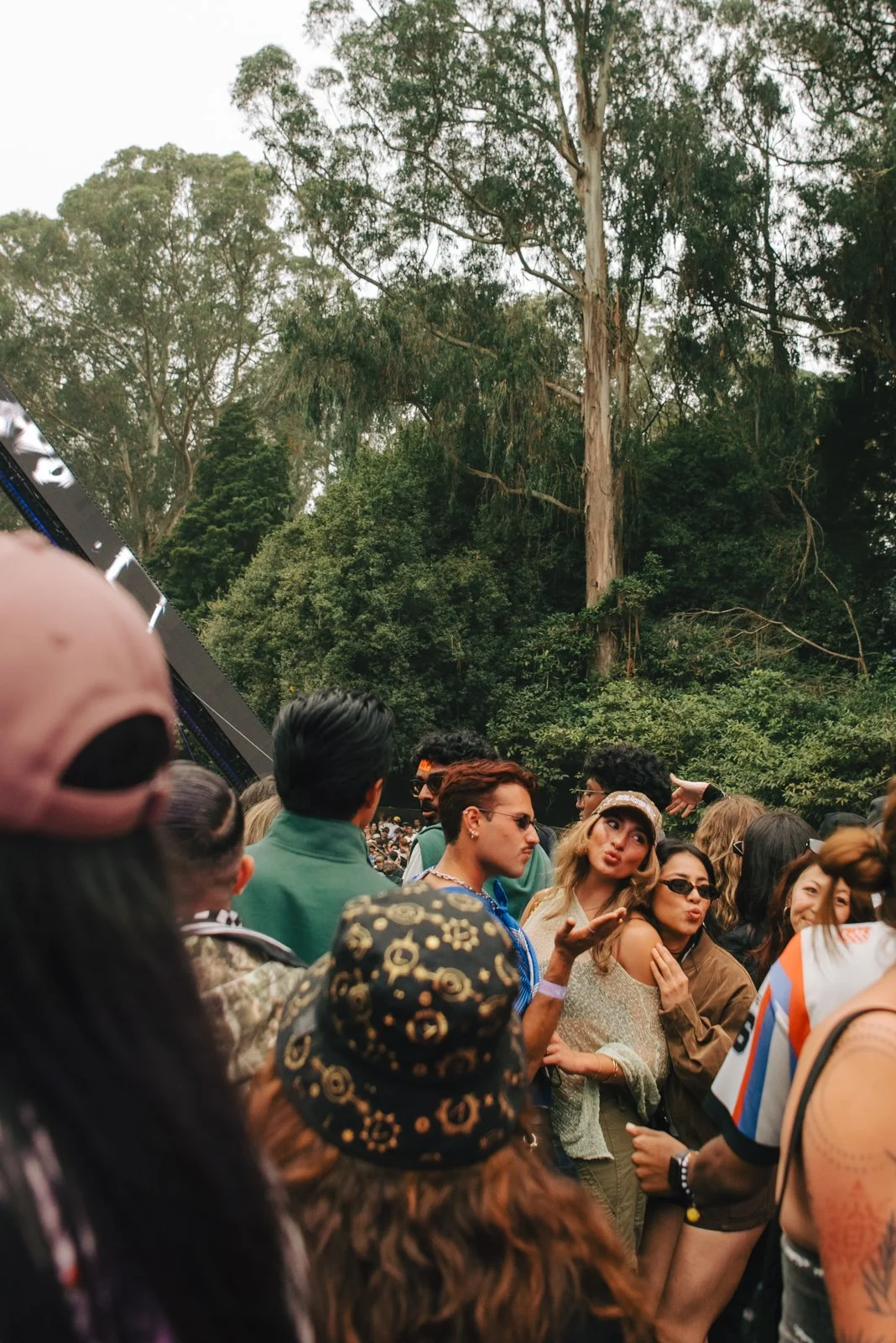
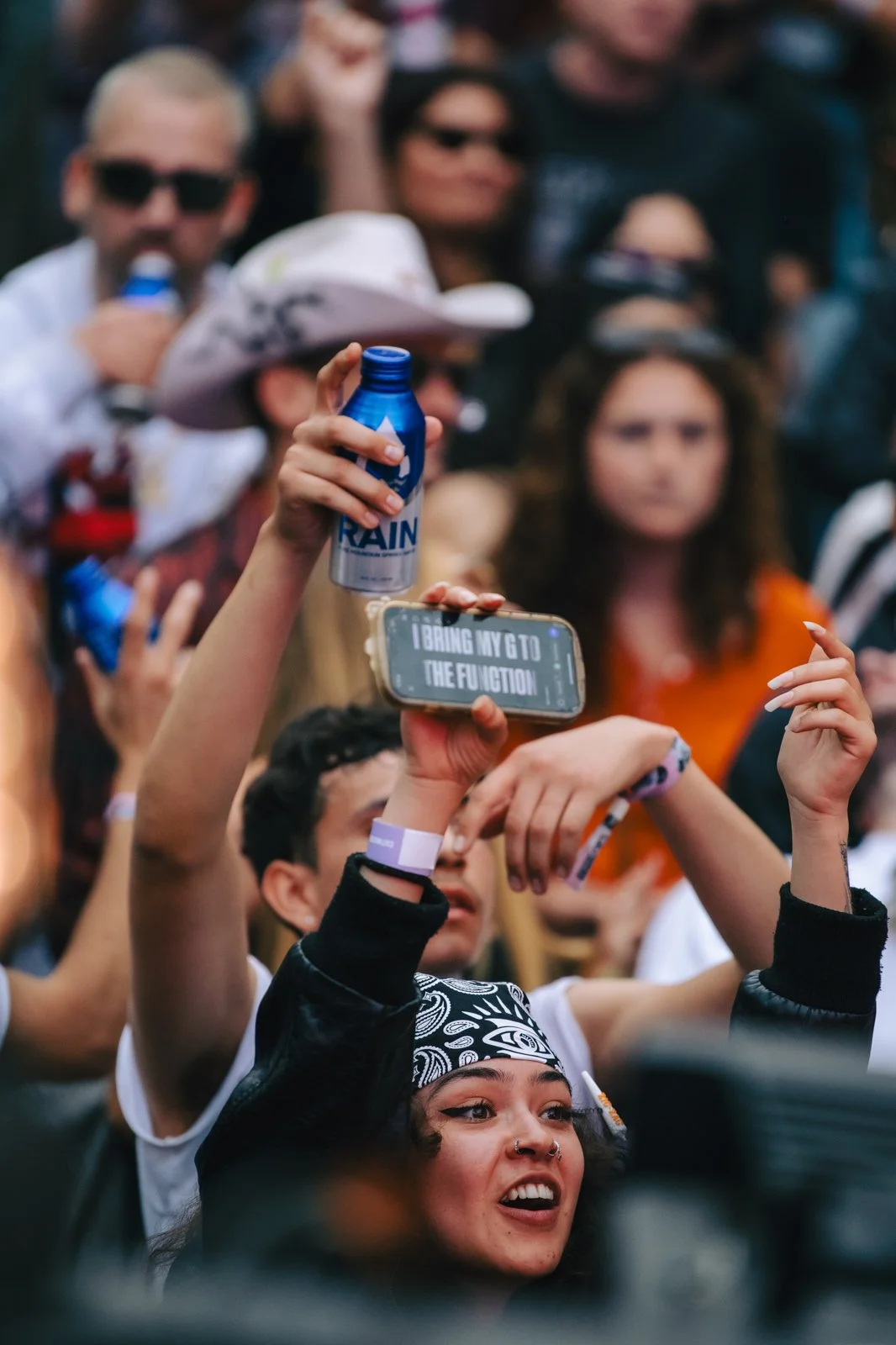
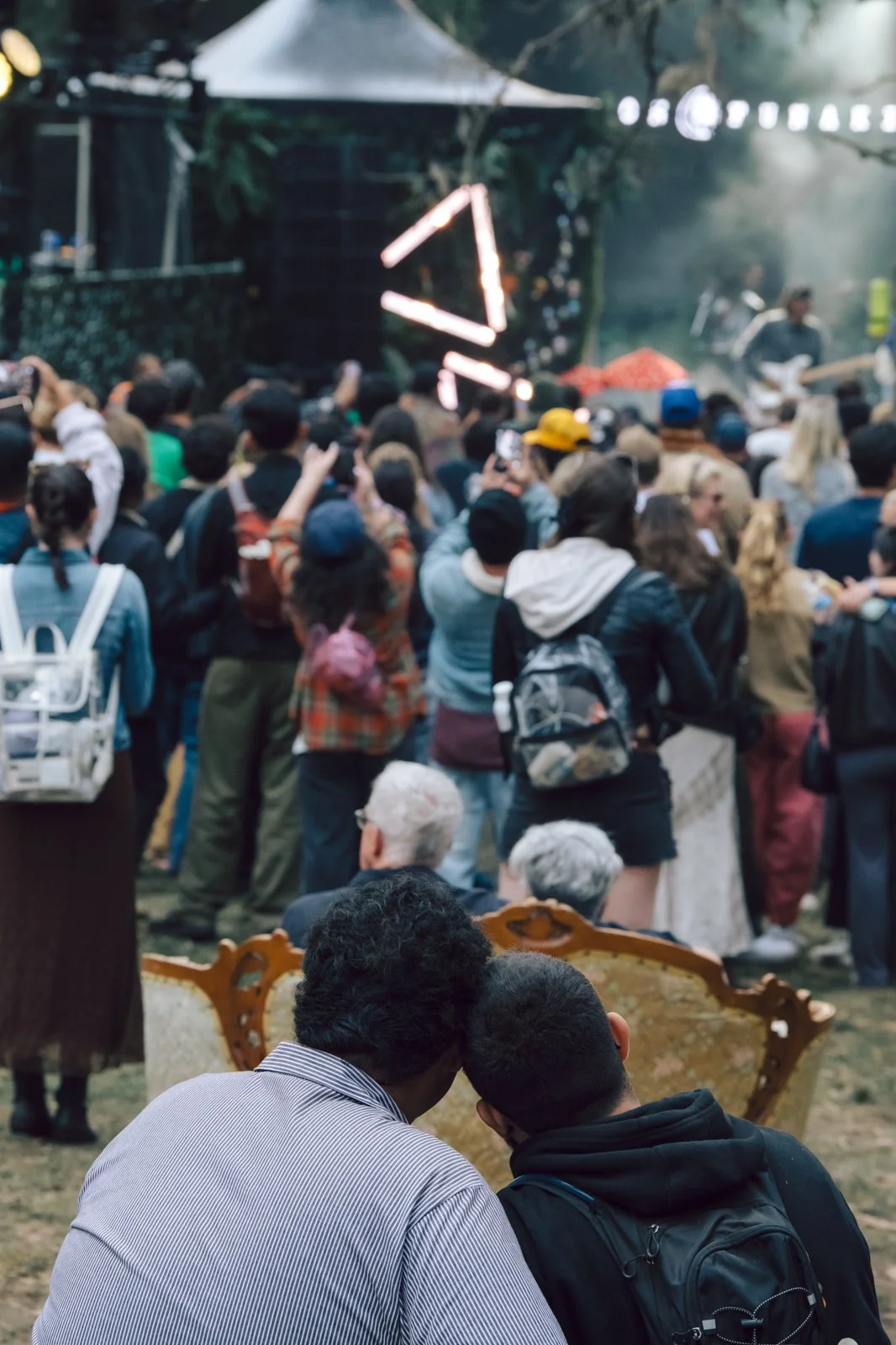
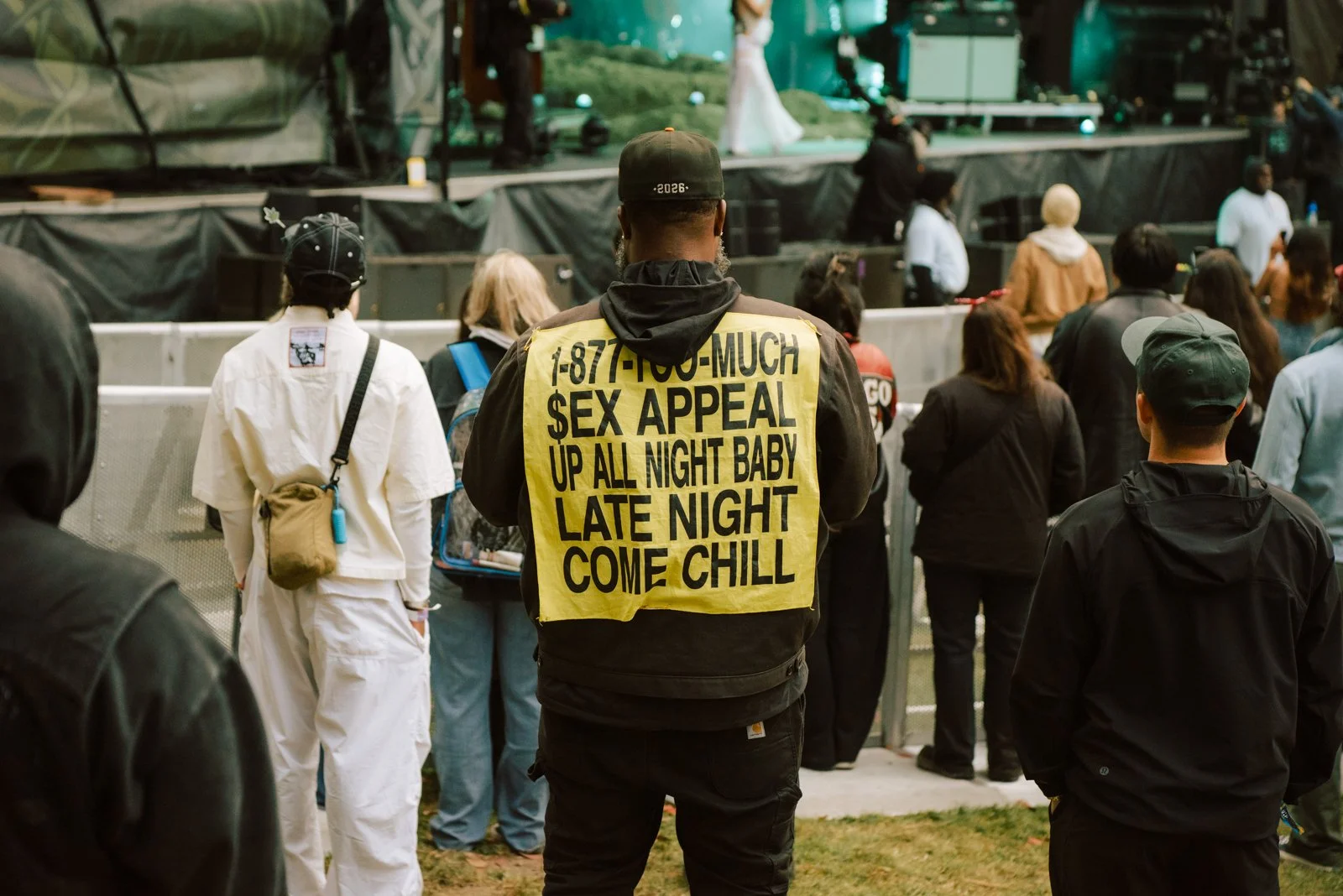
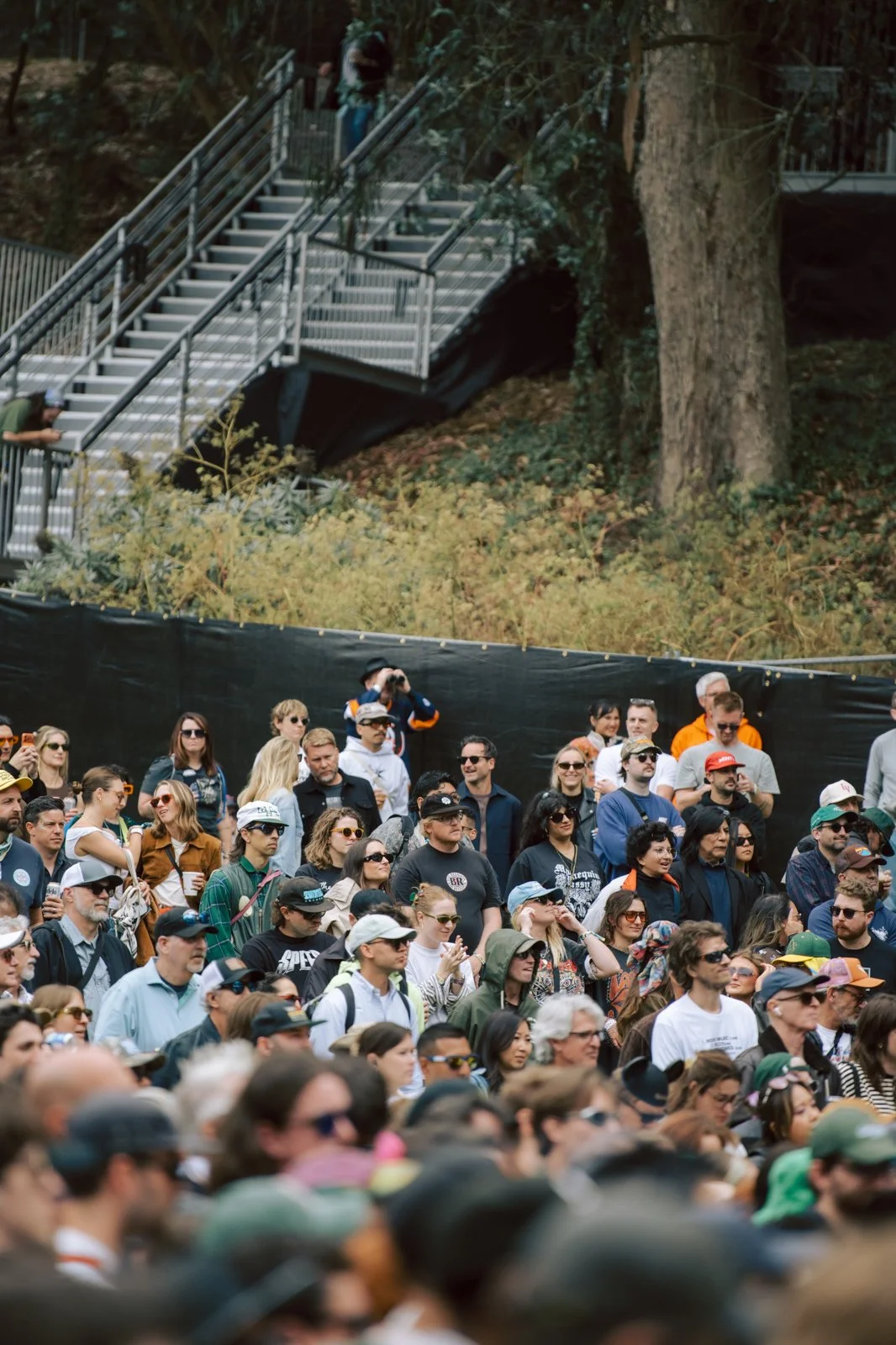
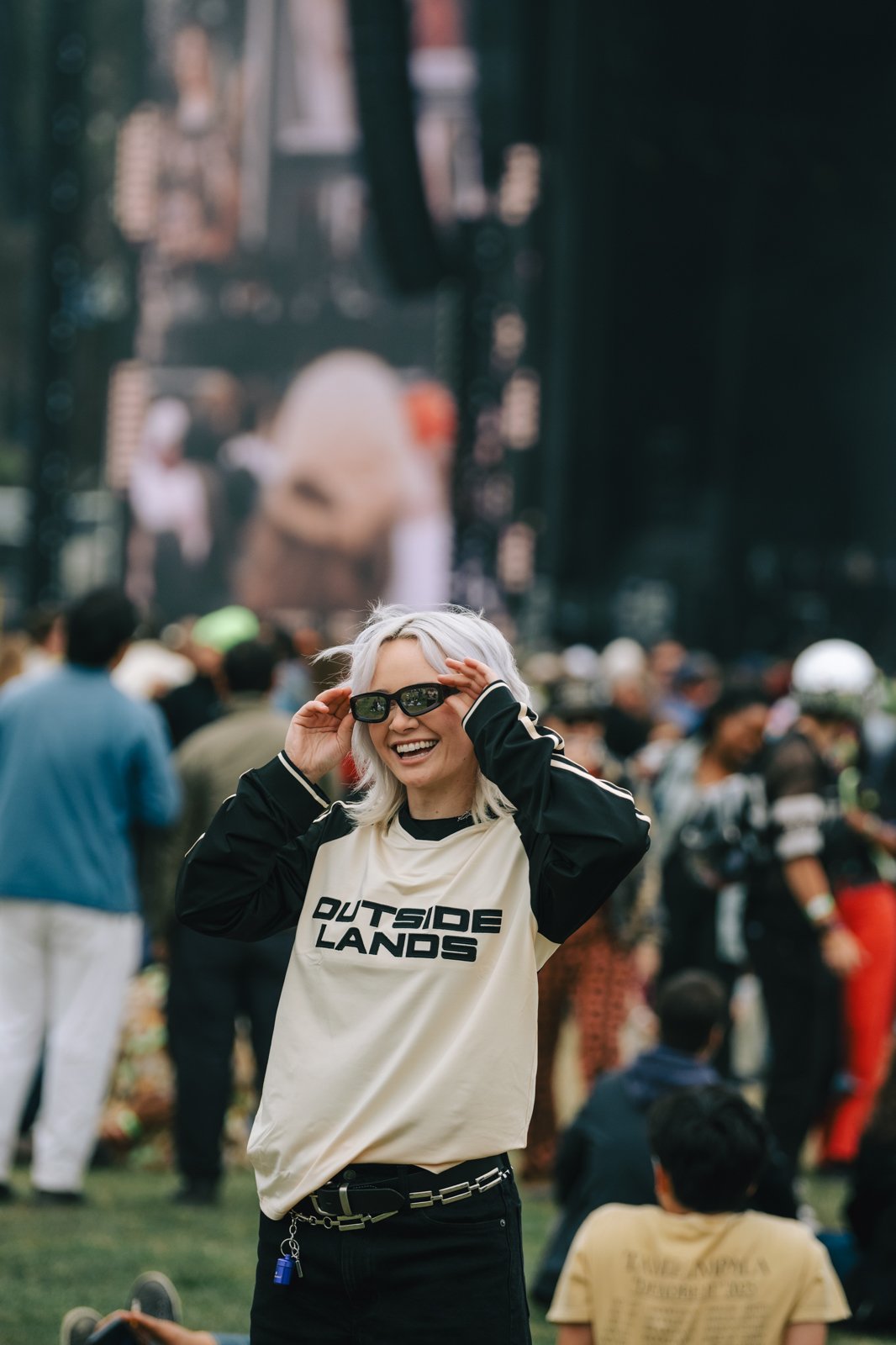
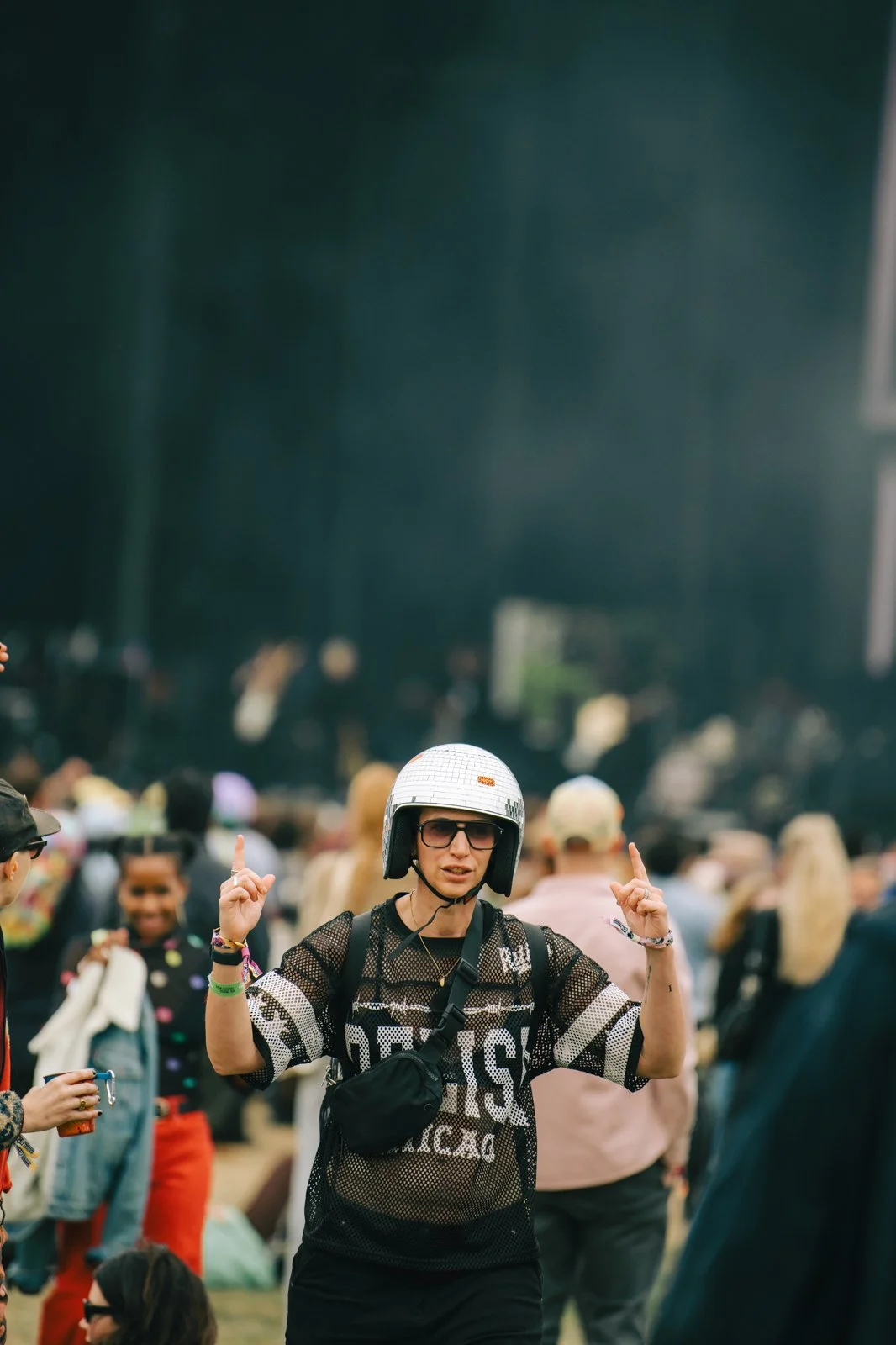
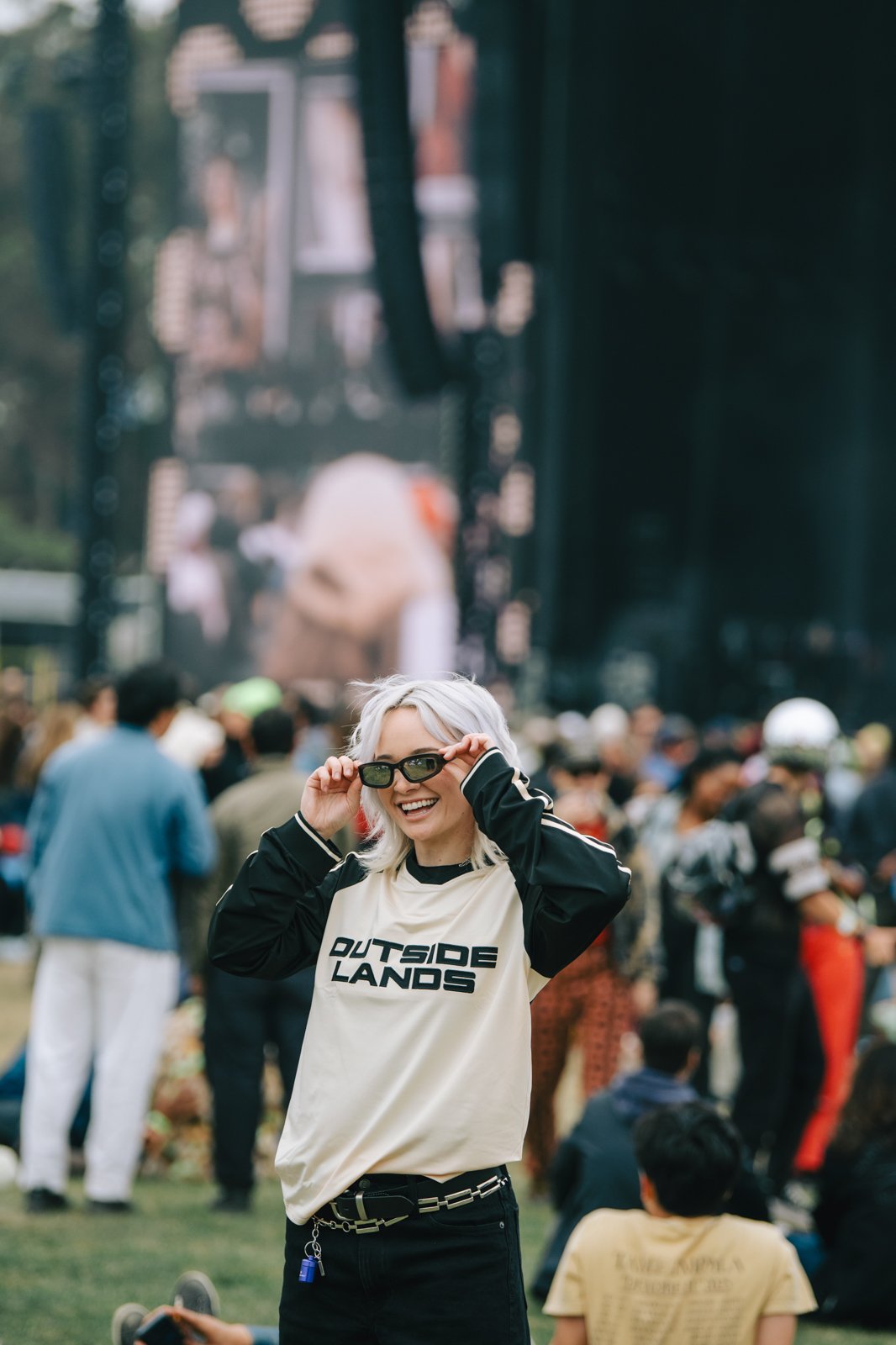
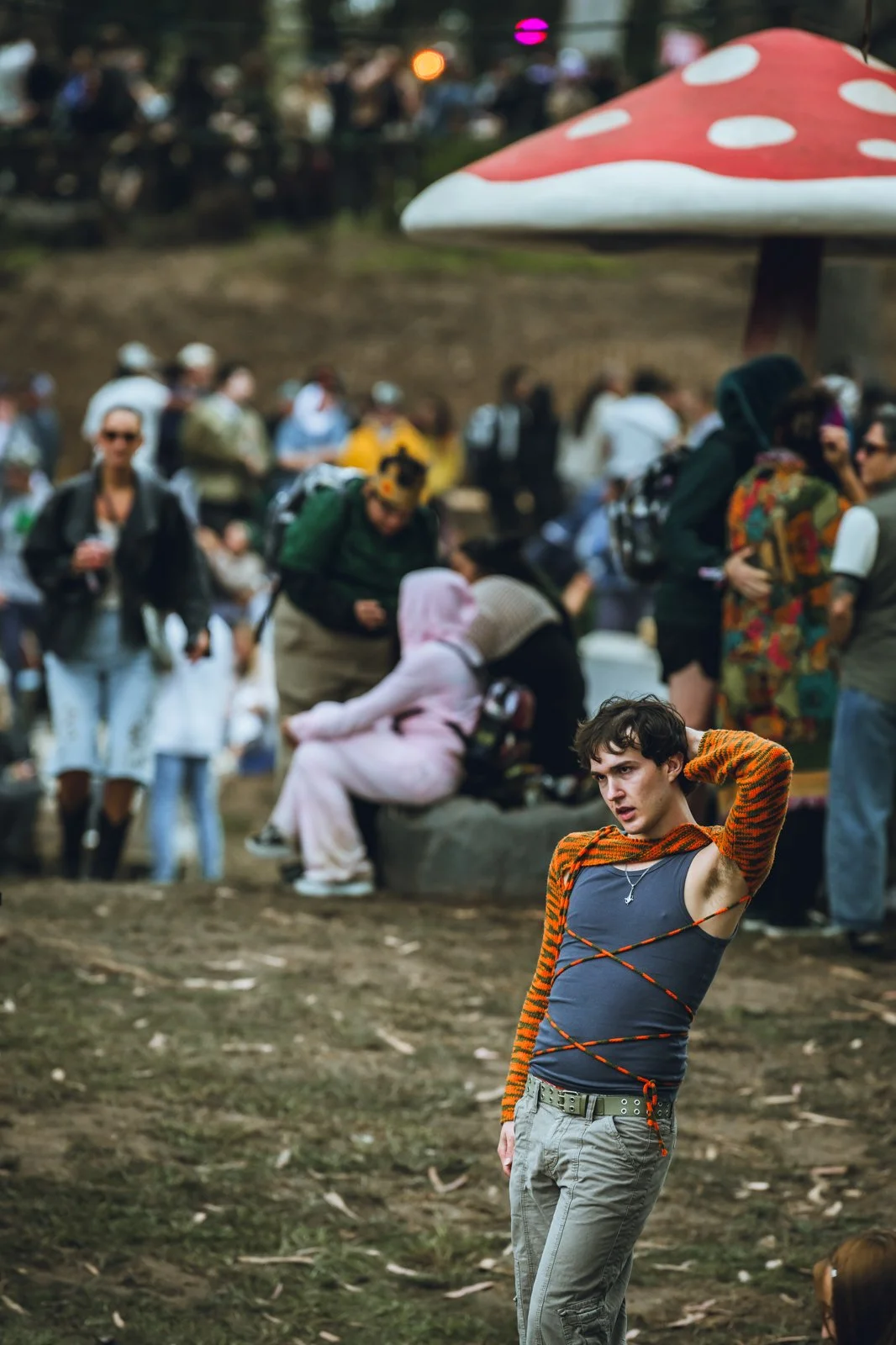
On these paths is where the city’s many purveyors assemble. Bros in Patagonia vests heading to a tent their employer (probably Wilson Sonsini) bought out rub shoulders with a 21-year-old USF student in a beaded vest and short-shorts, dressed for Coachella and freezing by six. A dad in a Scott Wiener shirt naps under a eucalyptus tree while his kid, in ear protection, screams along to a song neither of them can name. A twenty-something who works for Palantir, ironically in a “Fuck ICE” shirt, waits in line for Rich Table’s porcini doughnuts, while a cadre of cubs dressed in all-black cut-off mesh and chains inhale a burrito they smuggled in from Taqueria El Buen Sabor. And veteran natives in goose-down parkas troll the mostly empty Golden Gate Club section (available at 5k a pop), where one or two people are dancing as if their limbs were trying to escape, physically interpreting their own version of an Electric Kool-Aid Acid test.
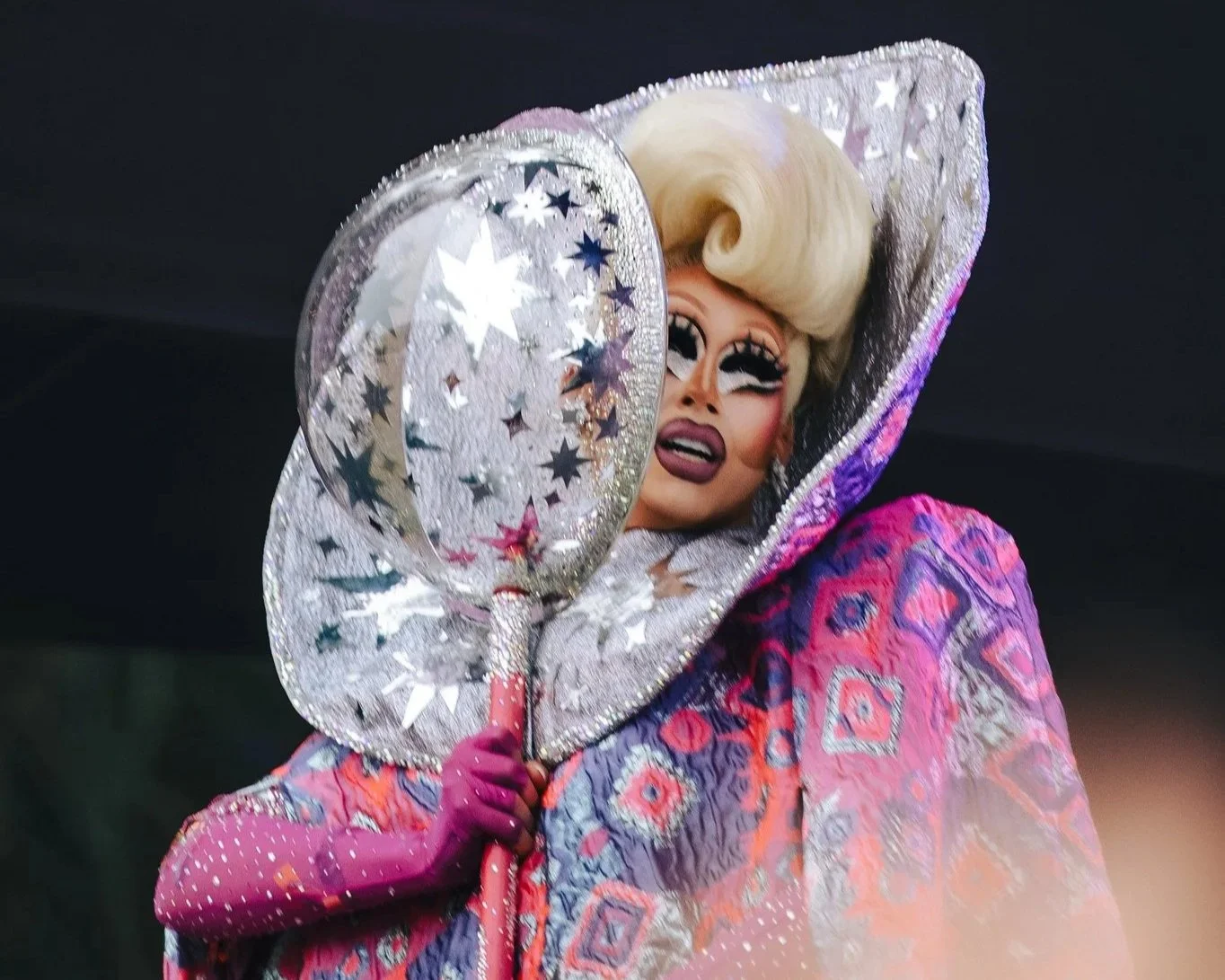
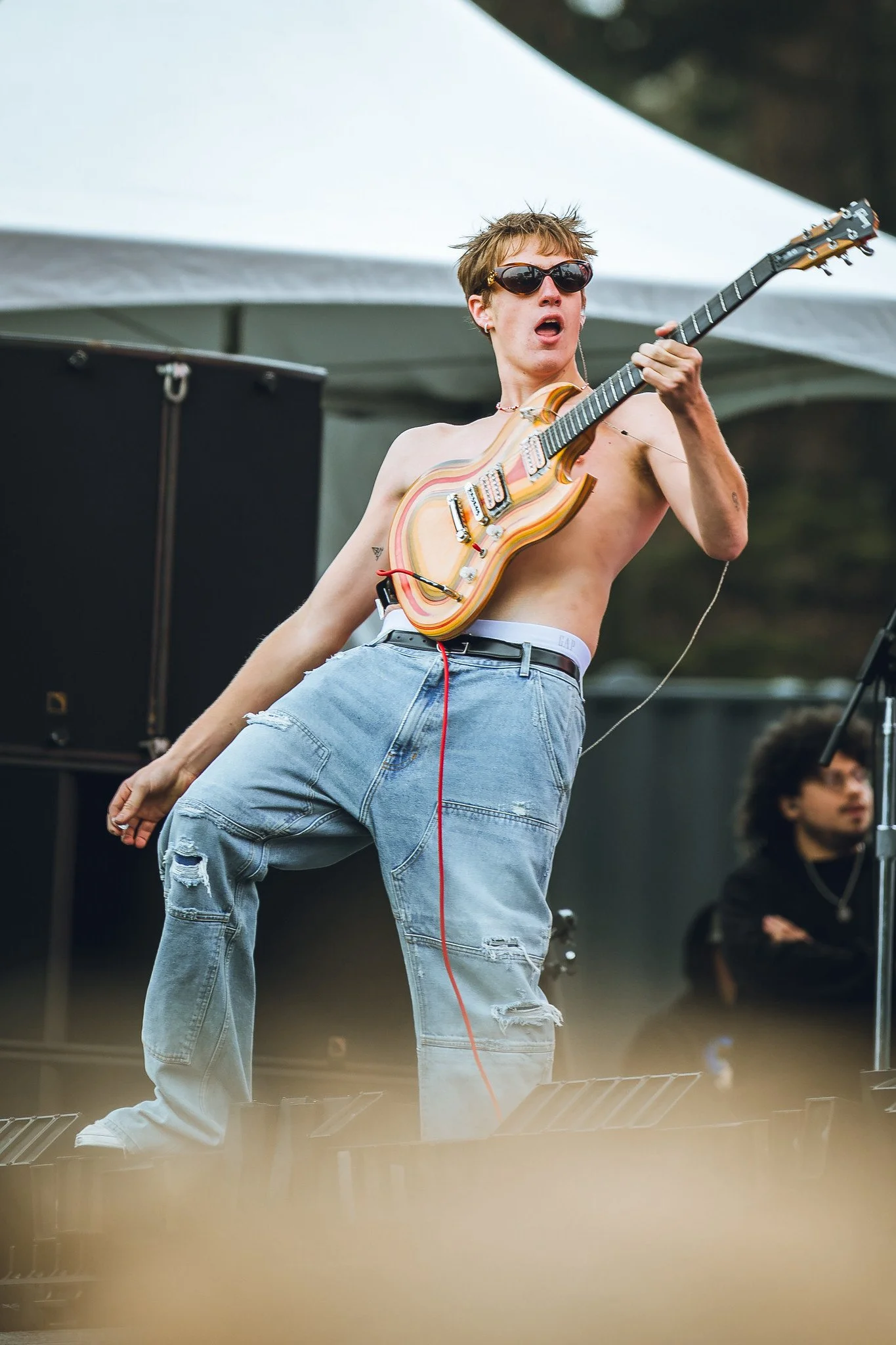
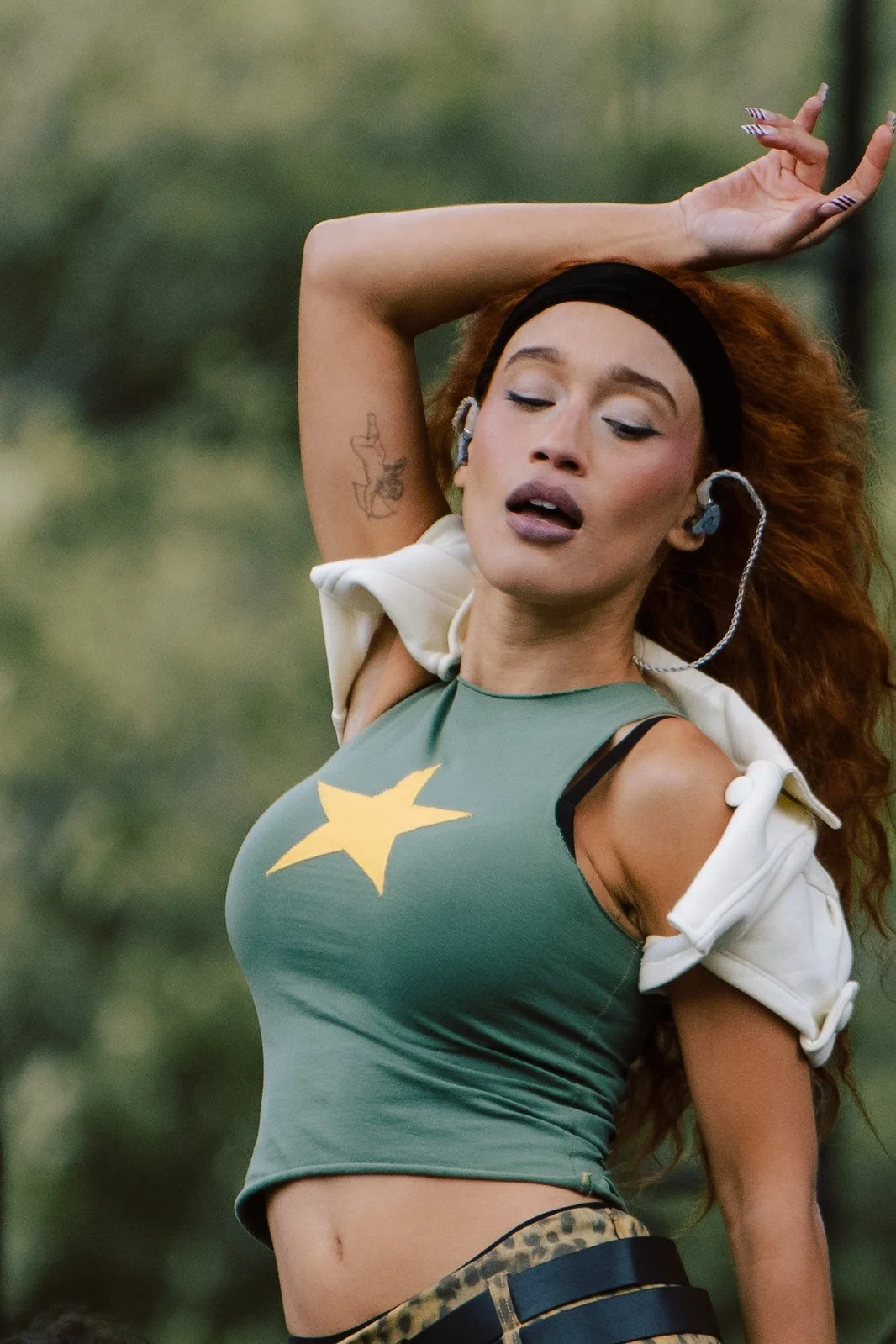
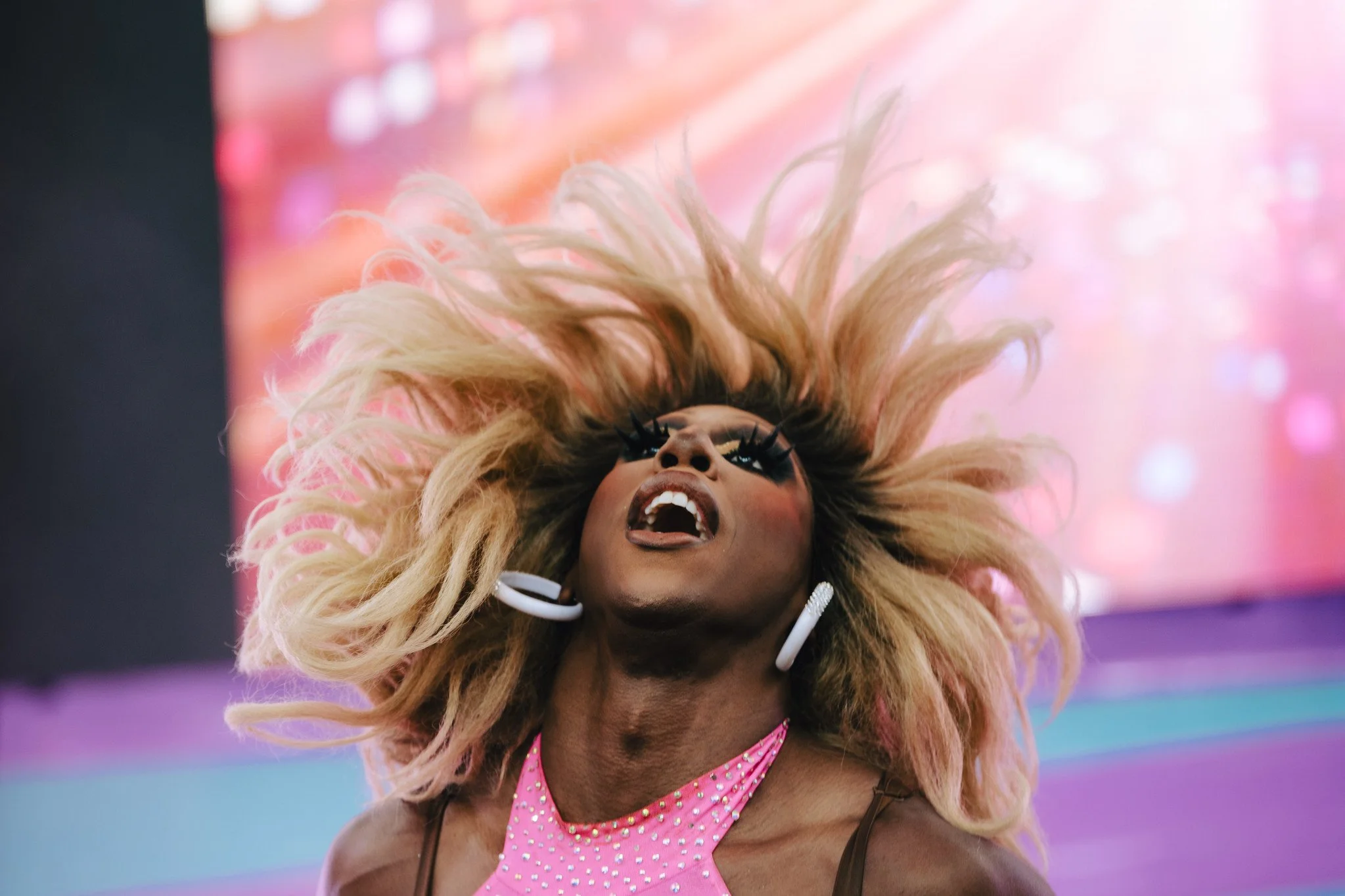
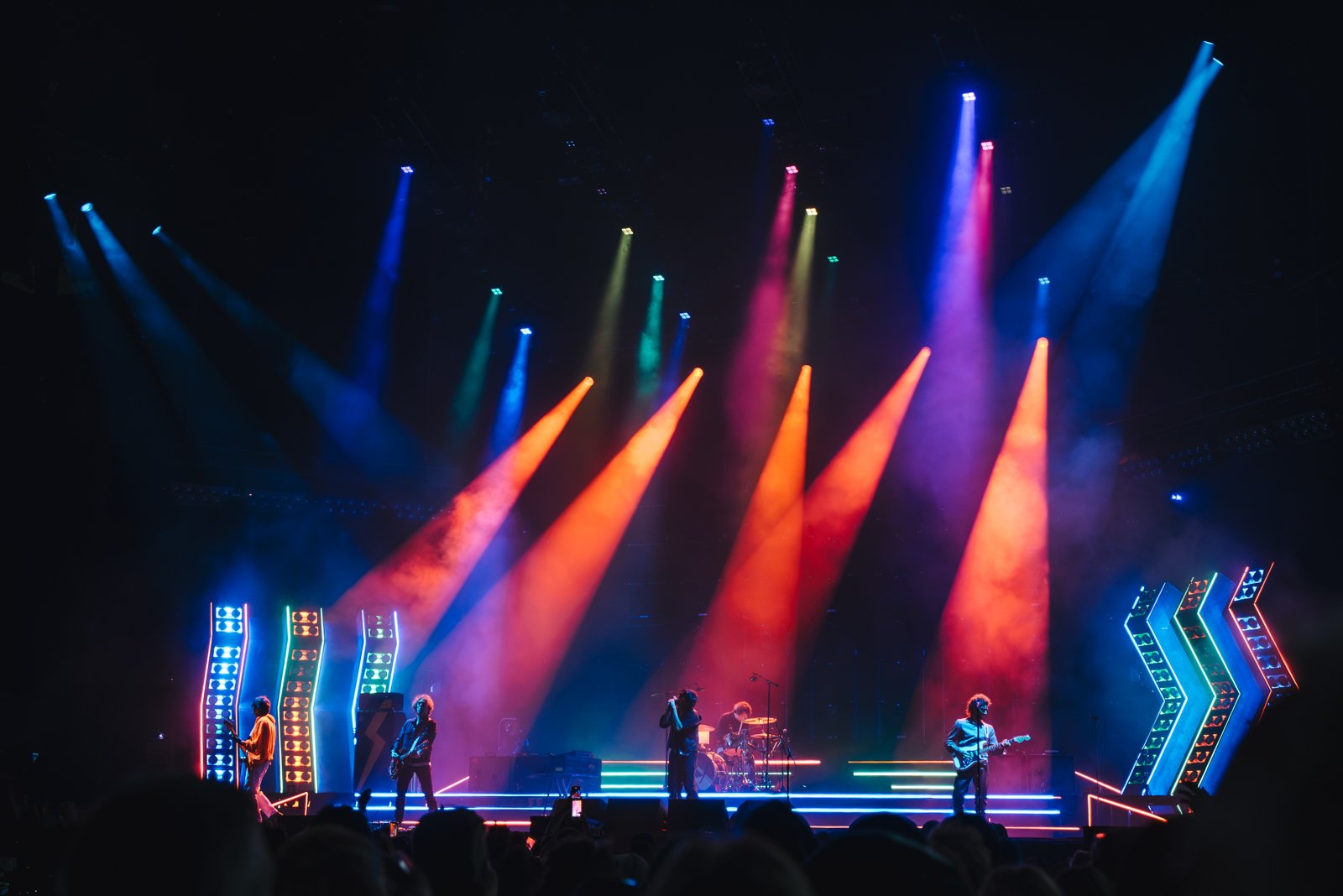
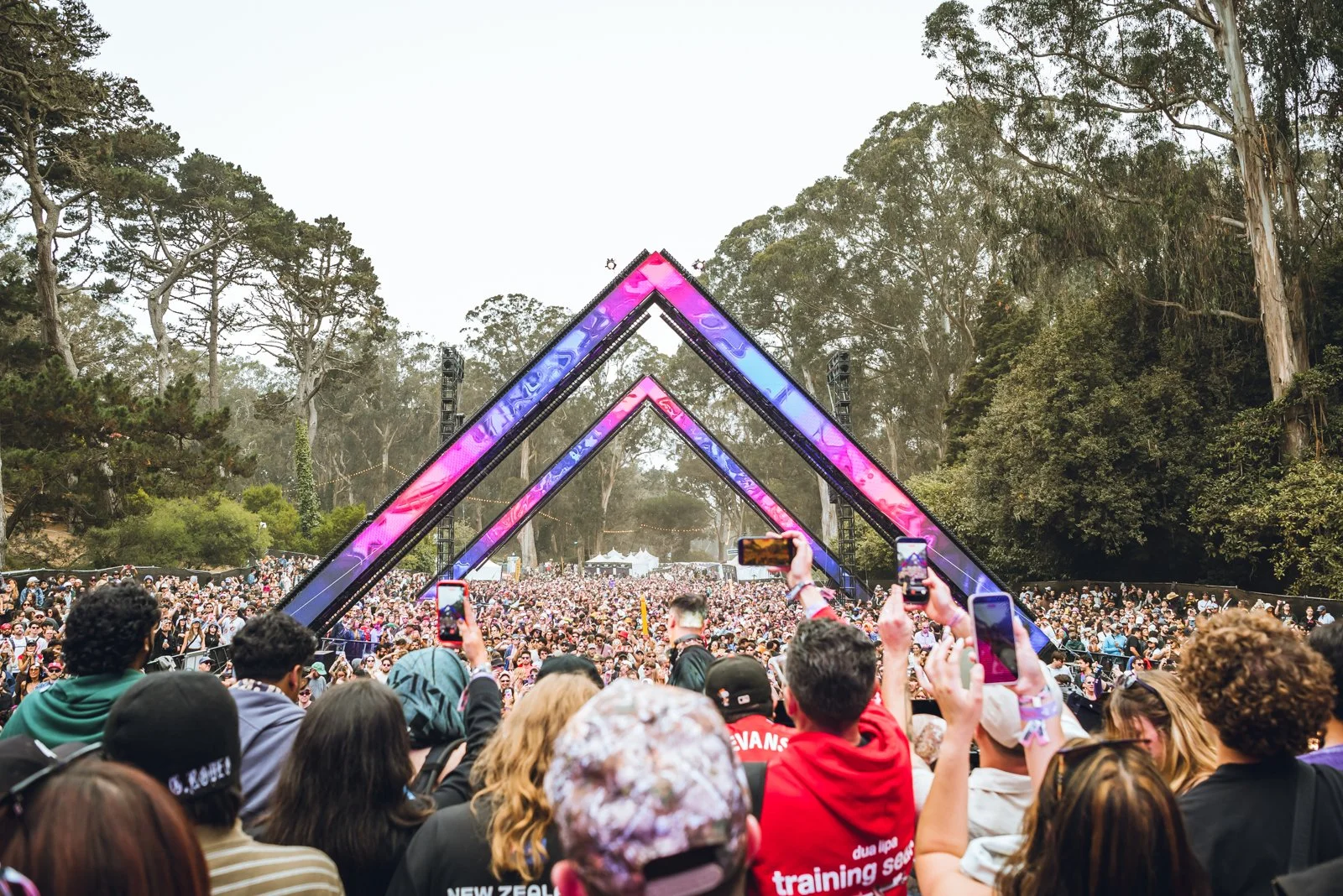
As the fog from Ocean Beach comes rolling in by nightfall, the treeline pulses in shades of purple and blue. The stages start pushing their production out into it, and the bass rings across what feels like the entire city. Trekking back and forth between them, I am reminded of my own youth here. Furiously dialing to be the first person to reach the one and only Disco Taxi in San Francisco, to get my friends and me to DNA Lounge for another Saturday night at Bootie. Making out with a stranger in a seedy corner at Madrone Art Bar while Cut Copy’s “Lights & Music” blared over the speakers. Buying a then-fourteen-dollar cocktail at Bourbon & Branch and thinking that it would be the most expensive drink I’d ever buy in my life (it would not be).
Trying to do all of Outside Lands is like trying to pack a decade living in the city into three days. It’s quite simply impossible. And if there’s anything my time in the Bay has taught me, it’s that there’s wisdom in knowing what you’re going to miss, and finding the joy in whatever you committed to instead.
Here are four observations from Outside Lands 2026 — a year that made the case that what separates this festival from every other city’s is the intention behind the reflection.
I. Oblivion Is Freedom (The Headliners)
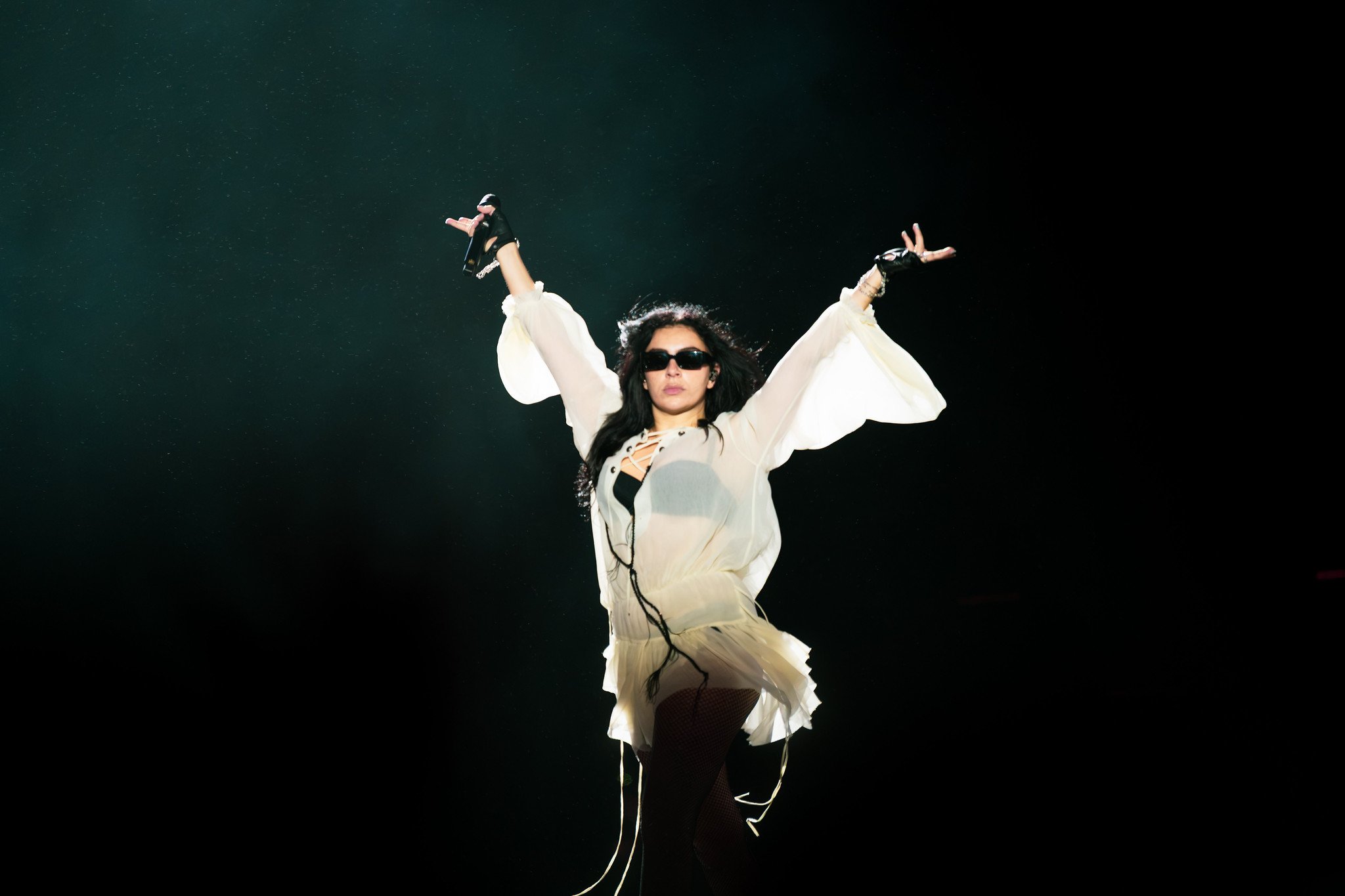
In a media ecosystem that rewards first impressions, the biggest name on a festival poster is the only part of it most people will ever discuss. A festival can have the most stacked undercard in the country and most folks still won’t care. Sade could play Love Deluxe for the first time in three decades and not crack the algorithm. The Knife can reunite and it likely won’t be a blip on the Gen-Z radar. If the top line doesn’t simultaneously point at the past, the present, and the future, a promoter can feel shit out of luck before a single ticket goes on sale. Or, as Robert McKee once said, “Wow them at the end, and you’ve got a hit.”
This year’s Outside Lands went through the dozen or so names that tumble through headline slots and landed on THE STROKES, RÜFÜS DU SOL, and CHARLI XCX — representing the past, present, and future, respectively.
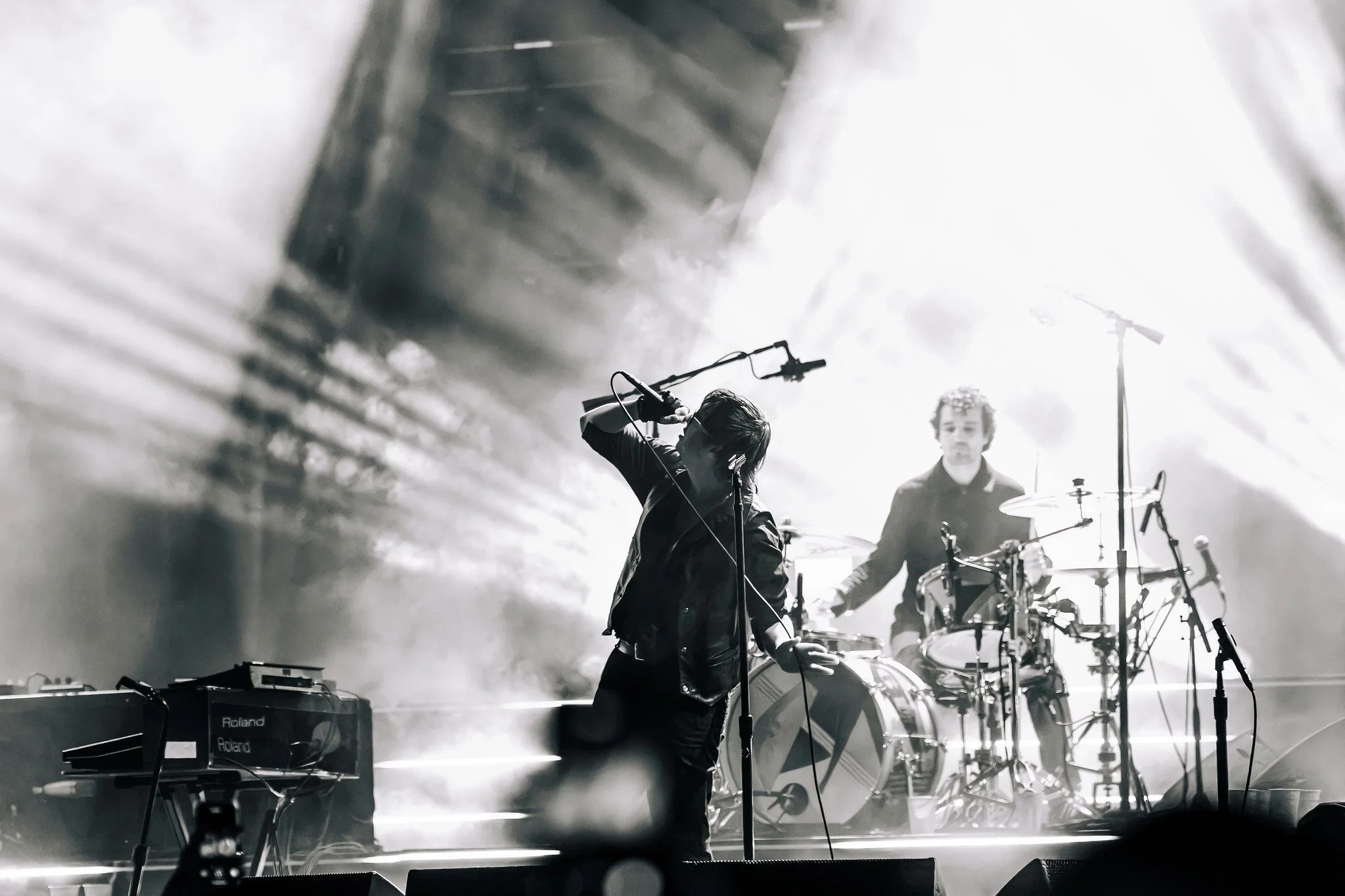
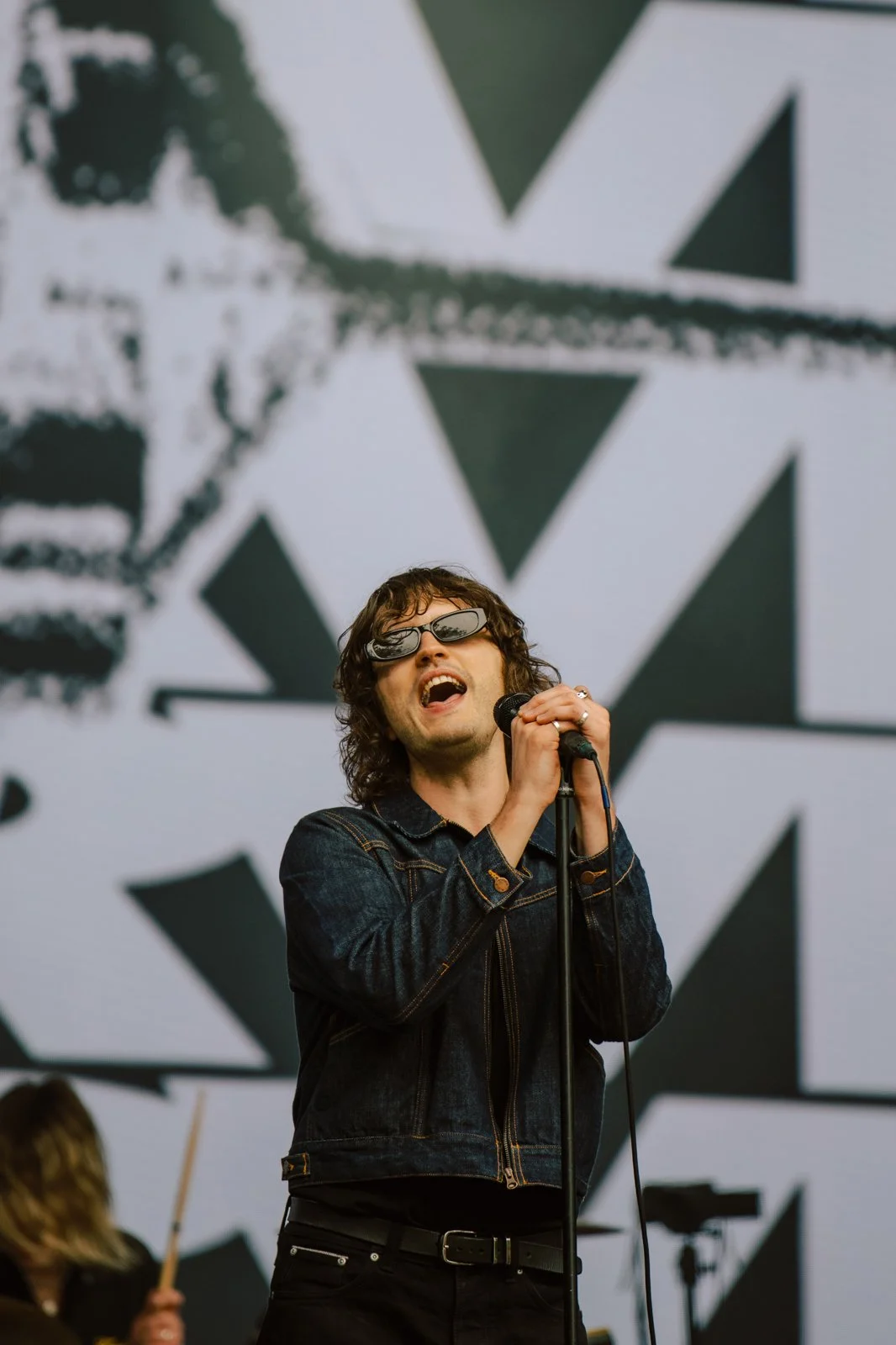
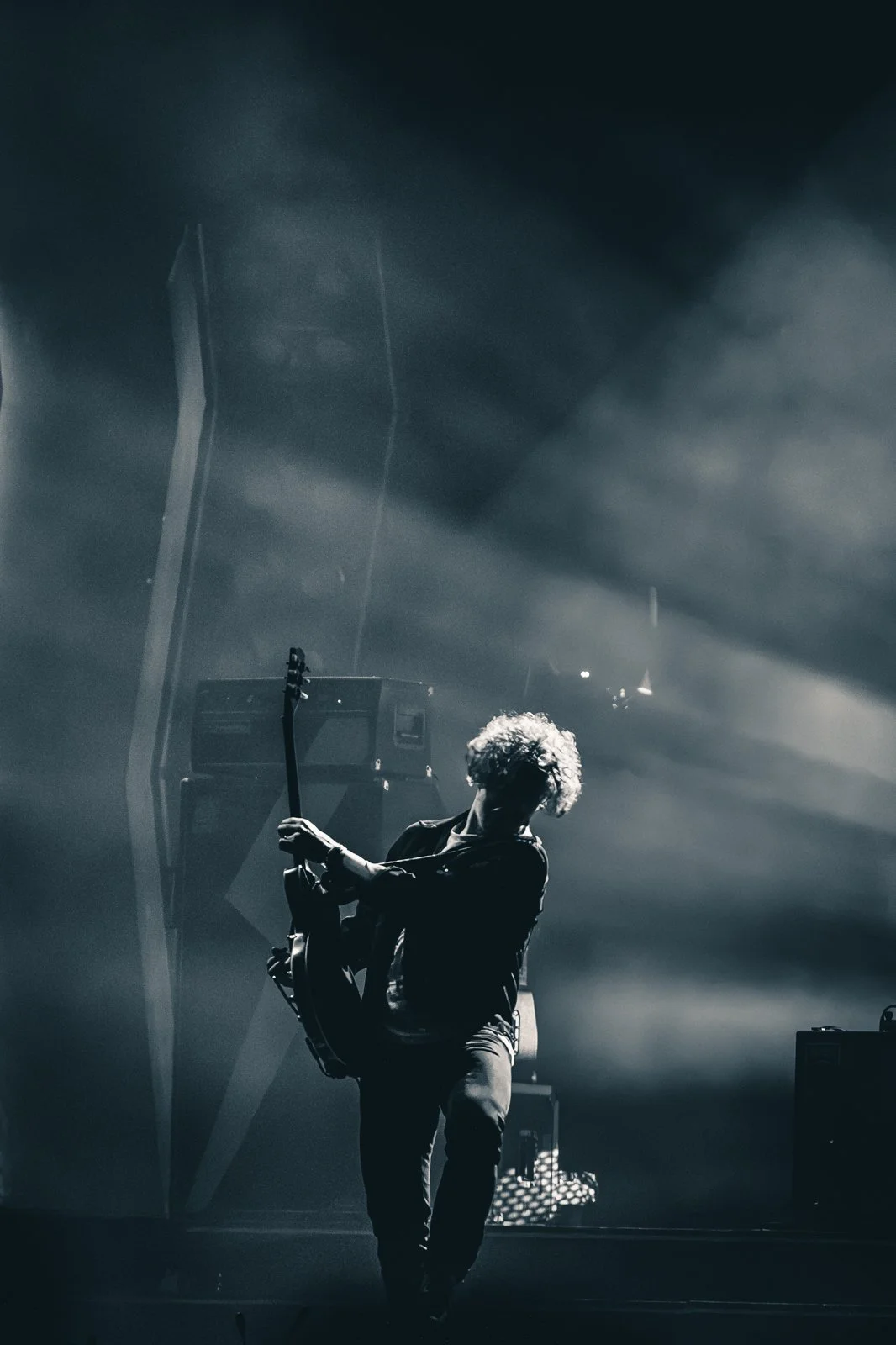
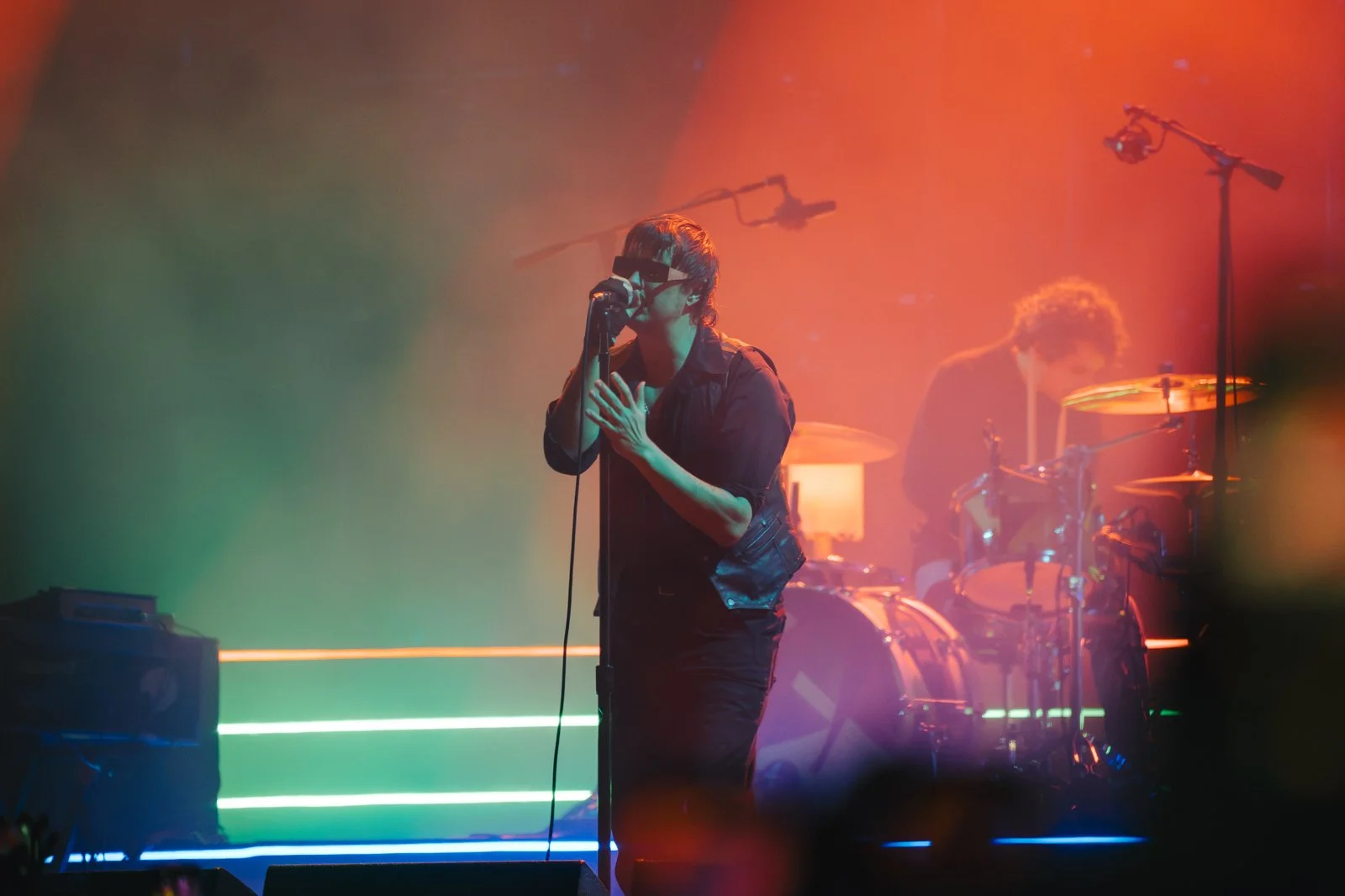
RÜFÜS is the present tense. Mall-friendly arena EDM tuned so precisely for the wide middle it almost sounds like John Mayer made a dance record, pulling yoga moms and Caesar-cut, Accutane-outburst bros to the same barricade and sending them home happy. The Strokes are the rose-tinted past and, as noted in our Coachella review, could be the biggest band in the world if they wanted to be — and have spent a quarter century making sure everyone knows they don't.
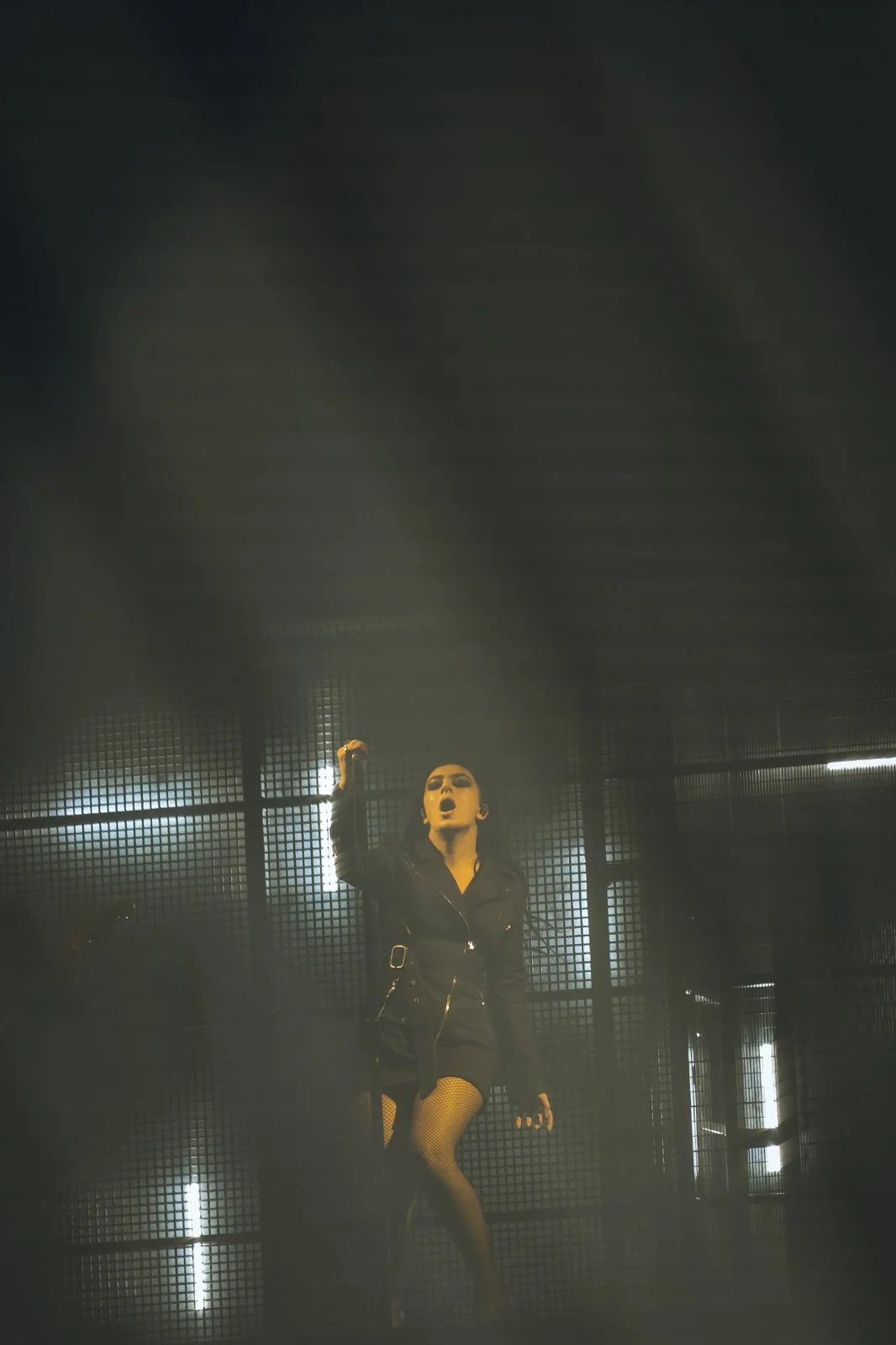
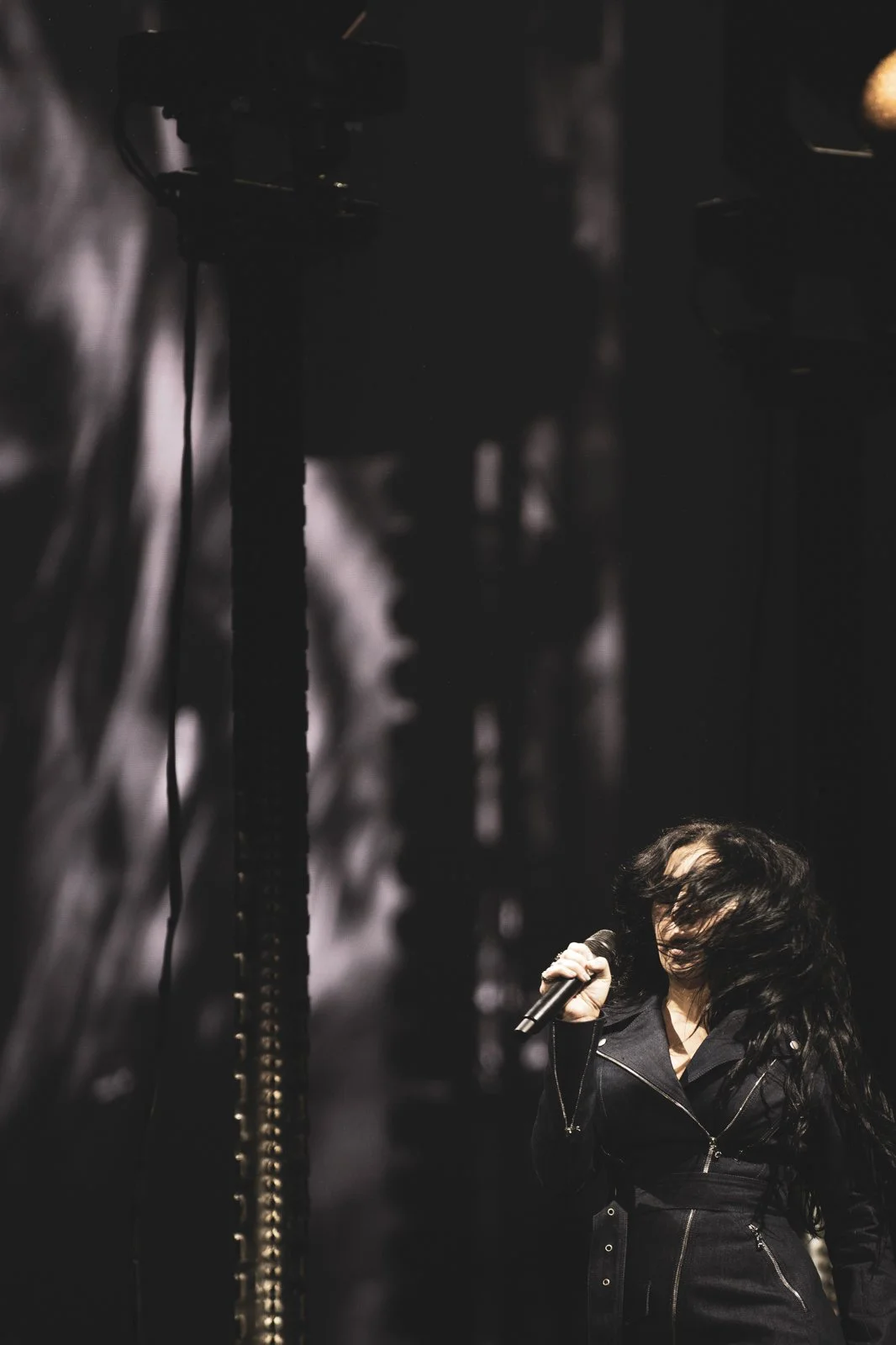
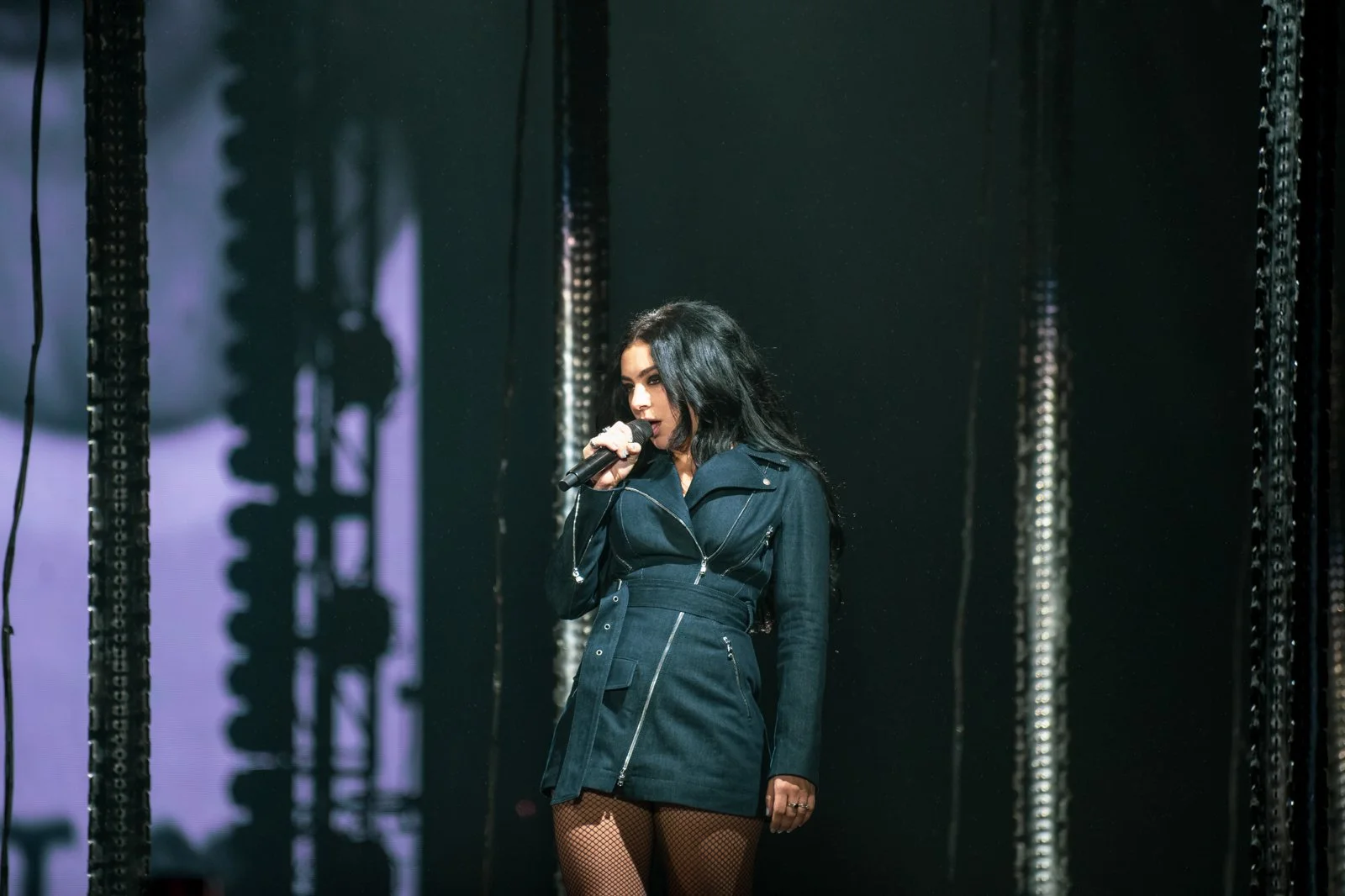
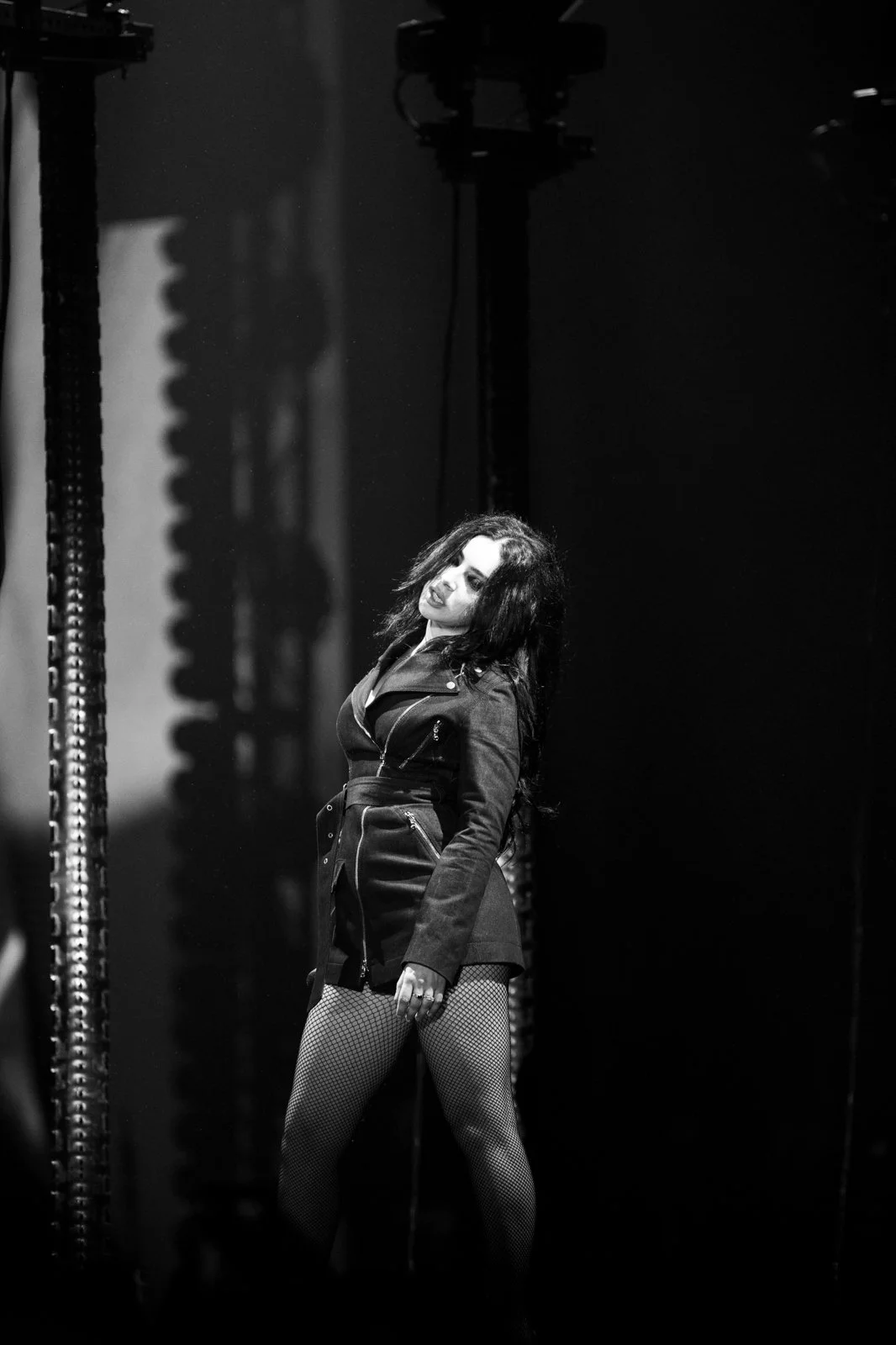
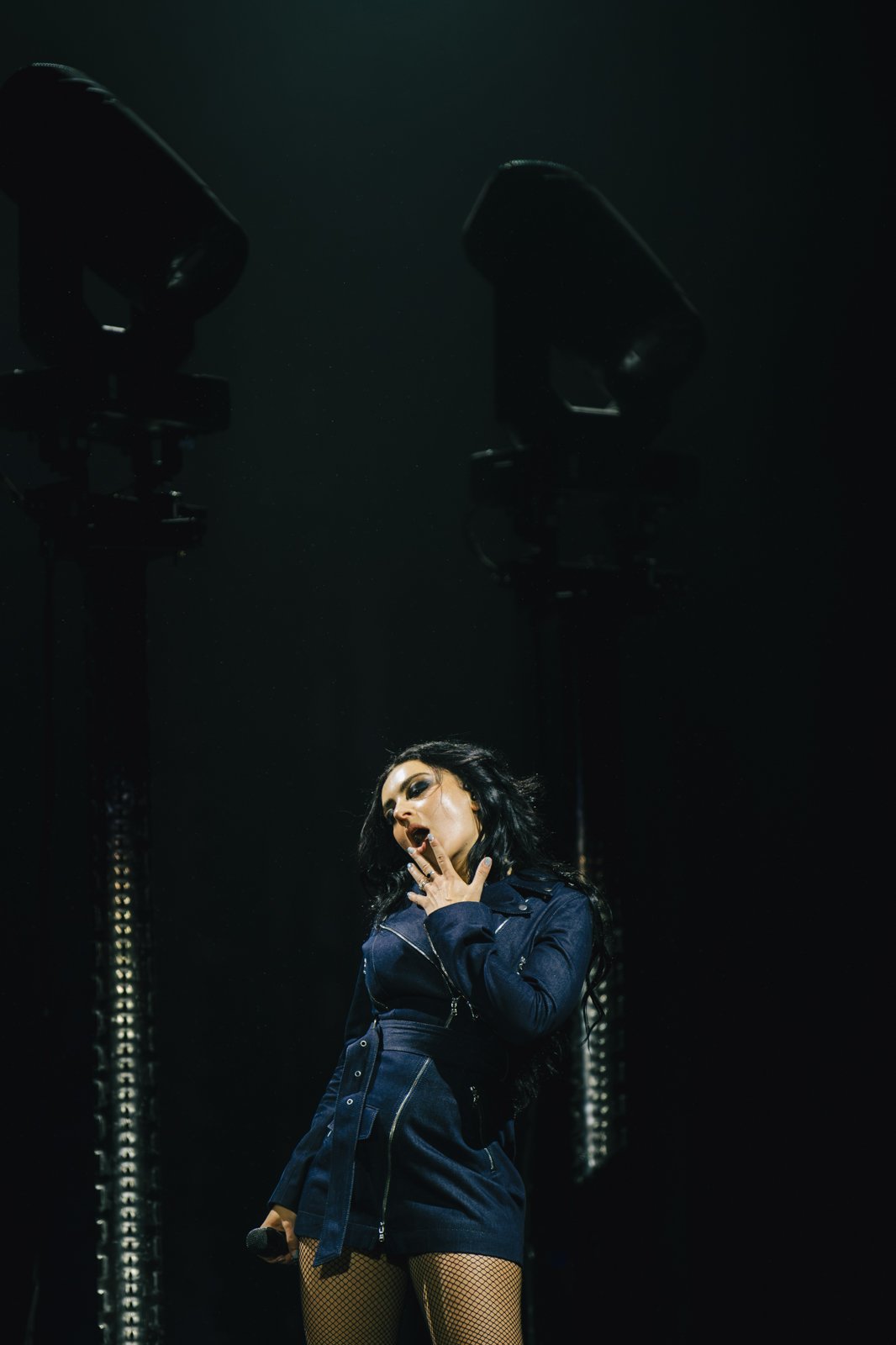
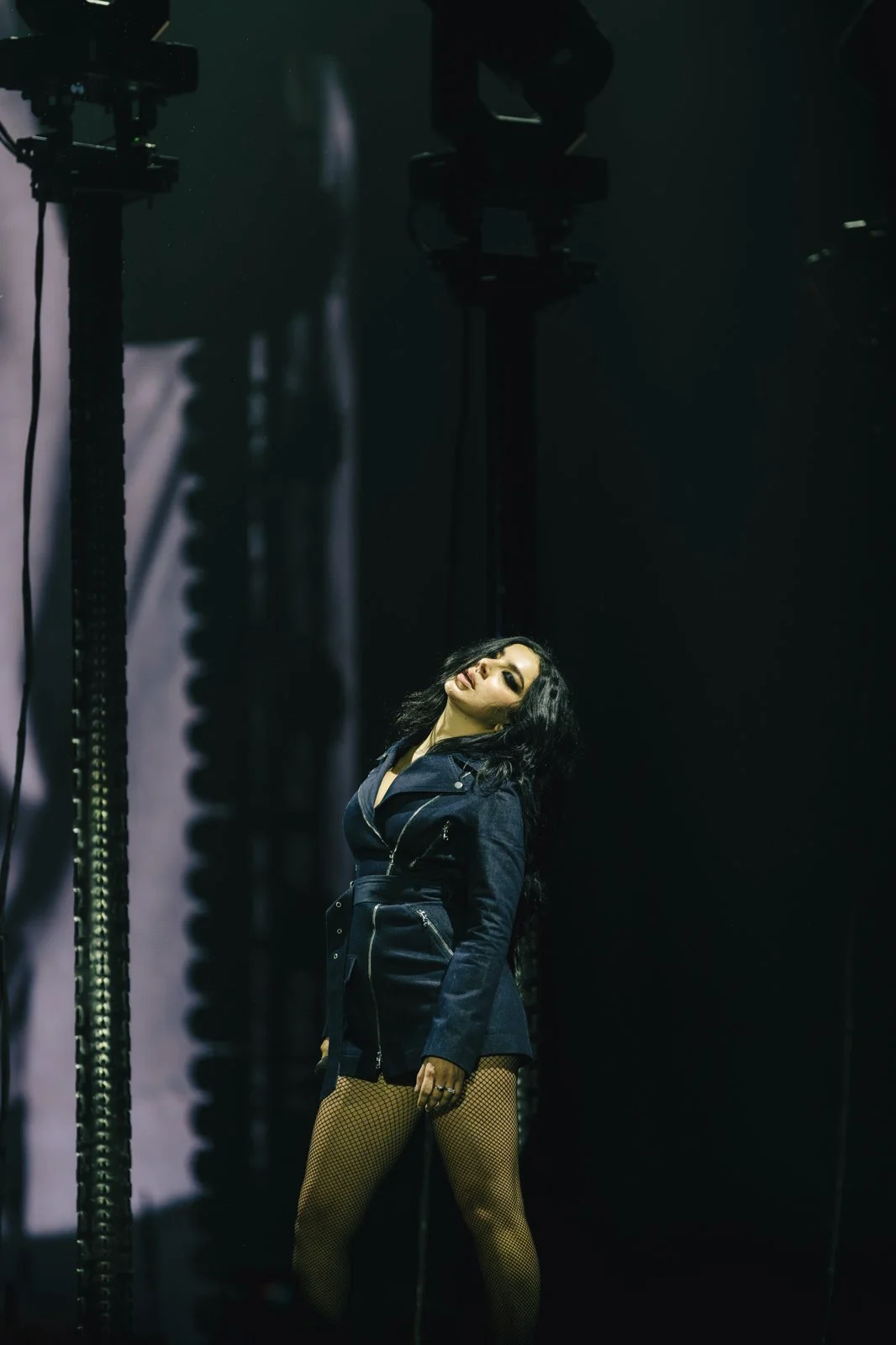
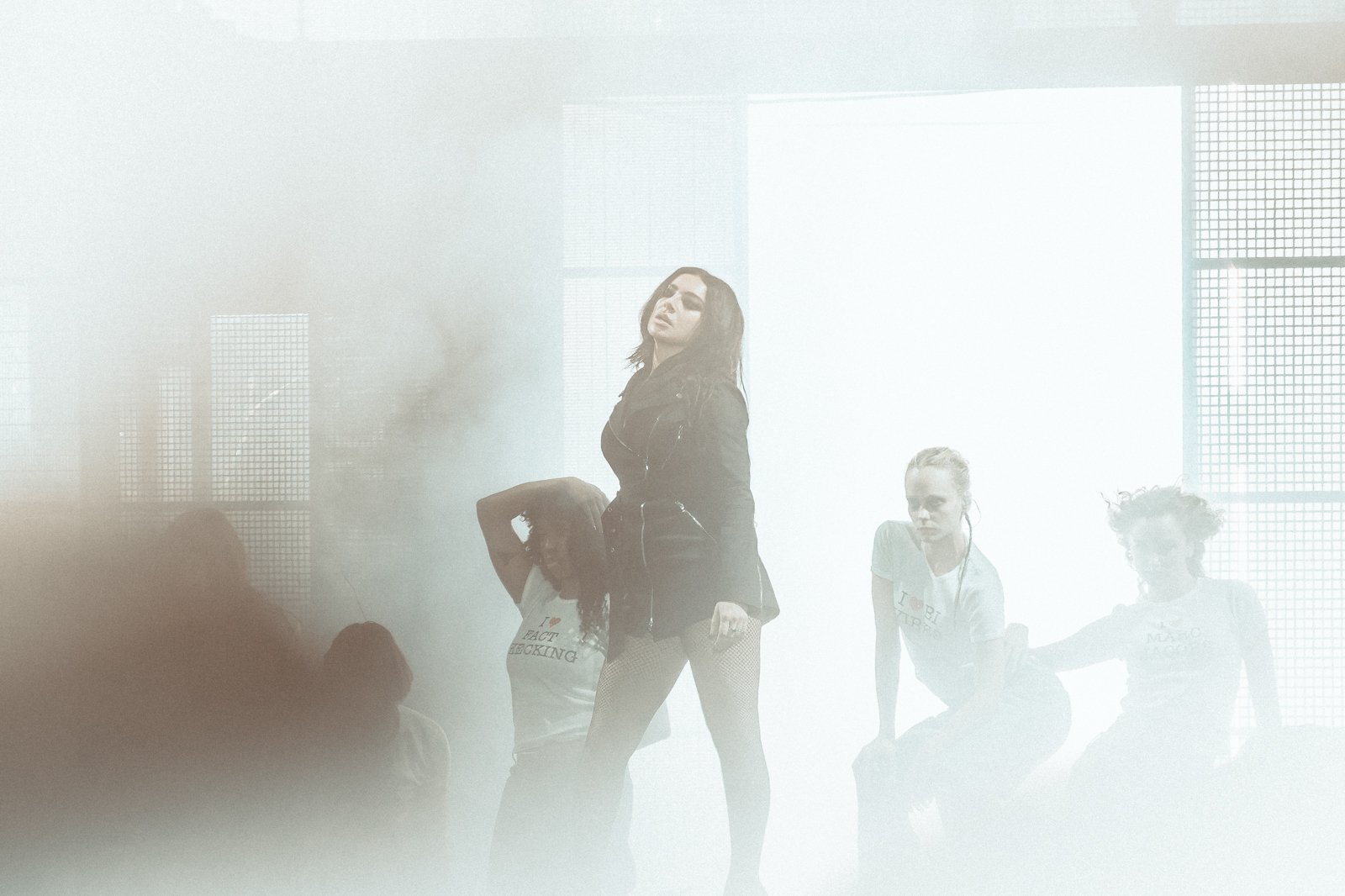
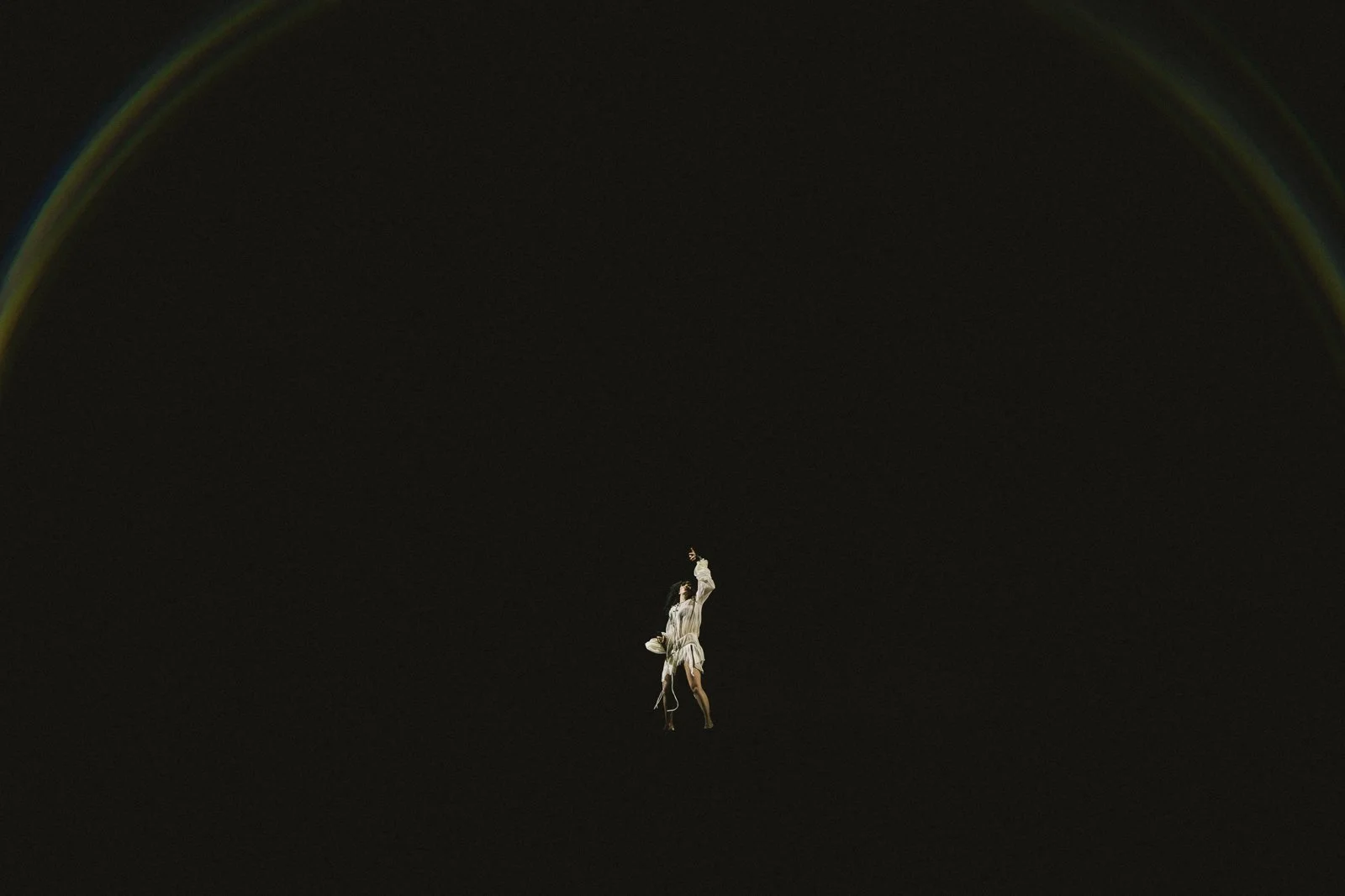
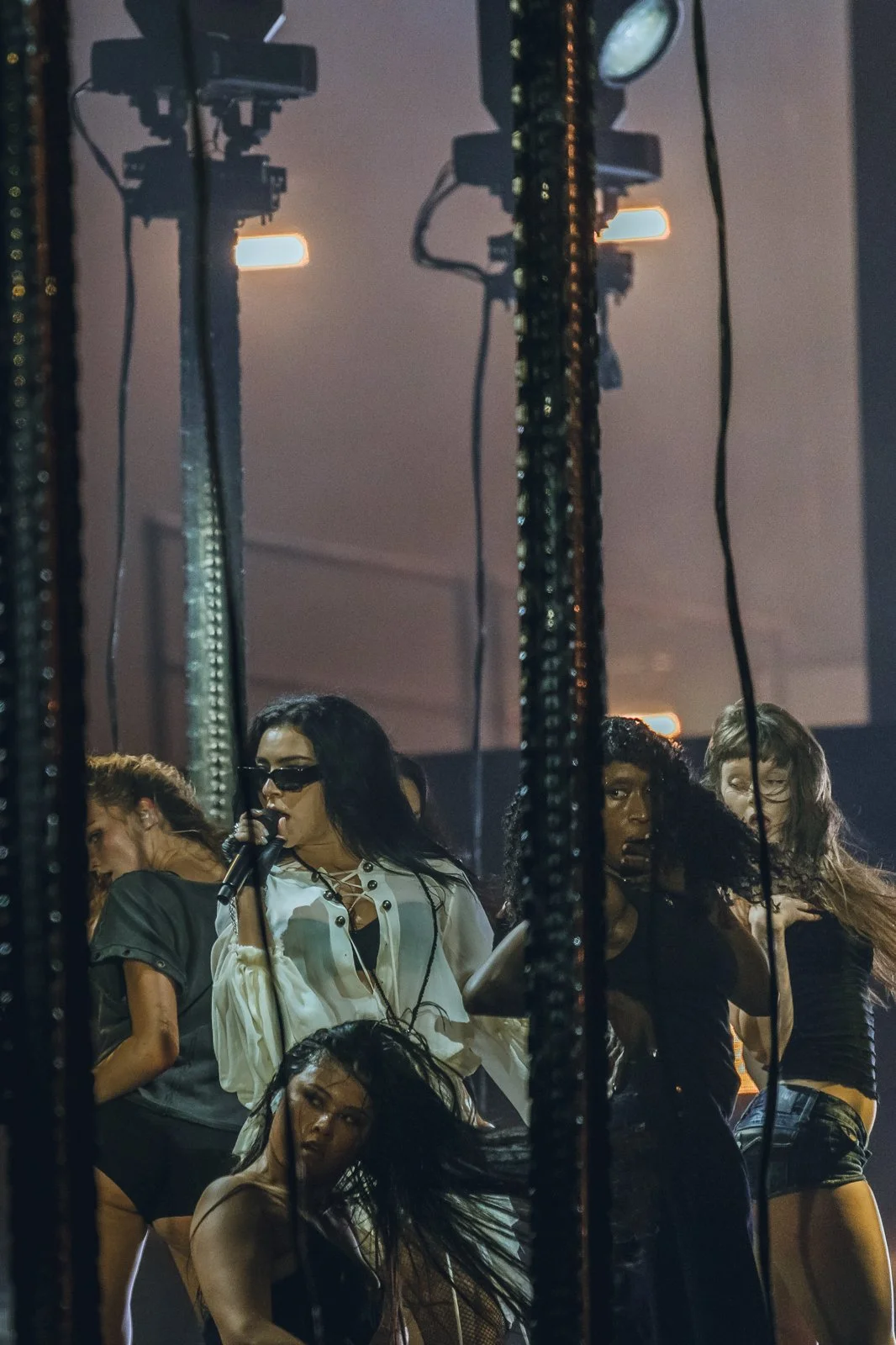
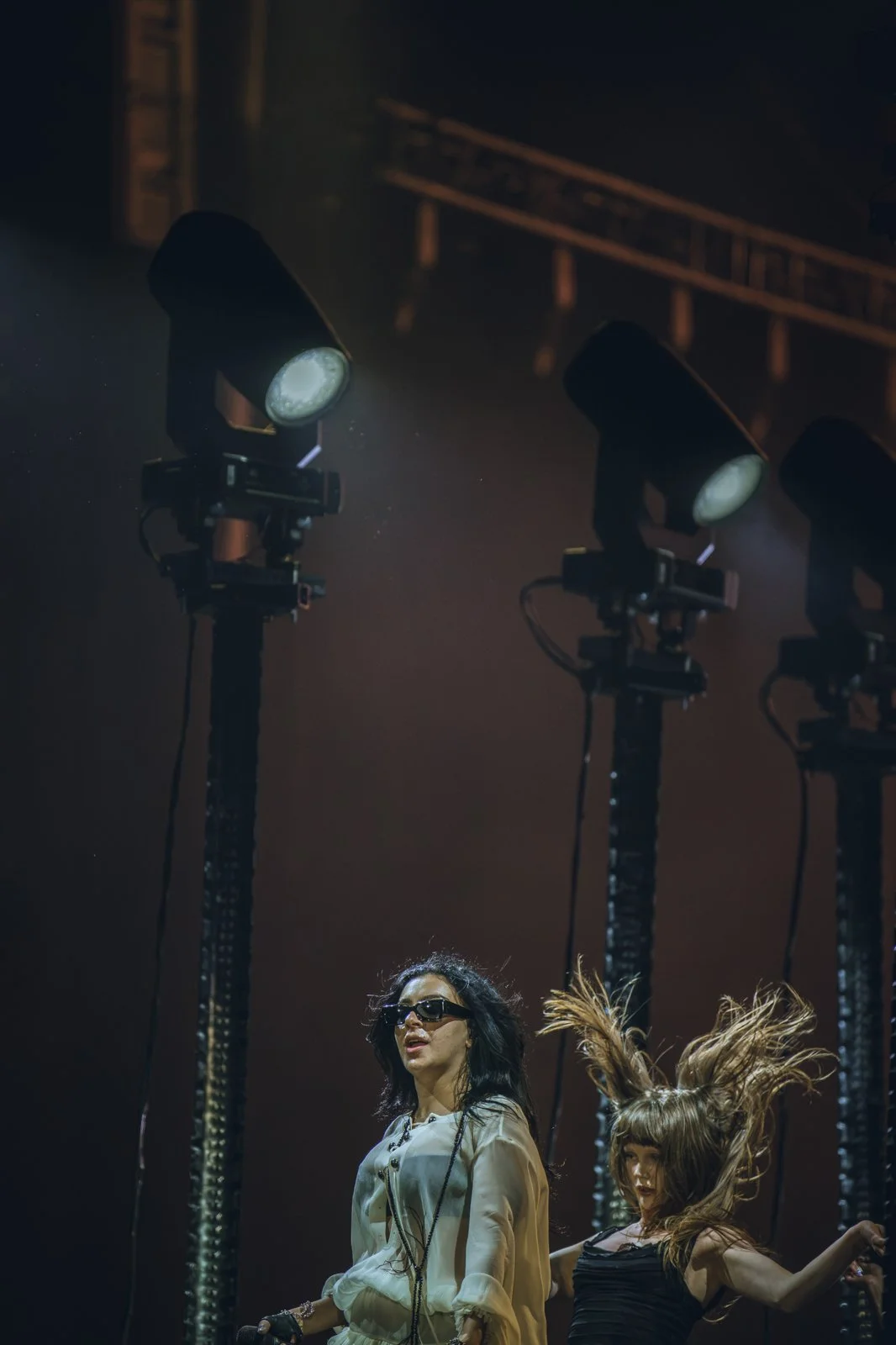
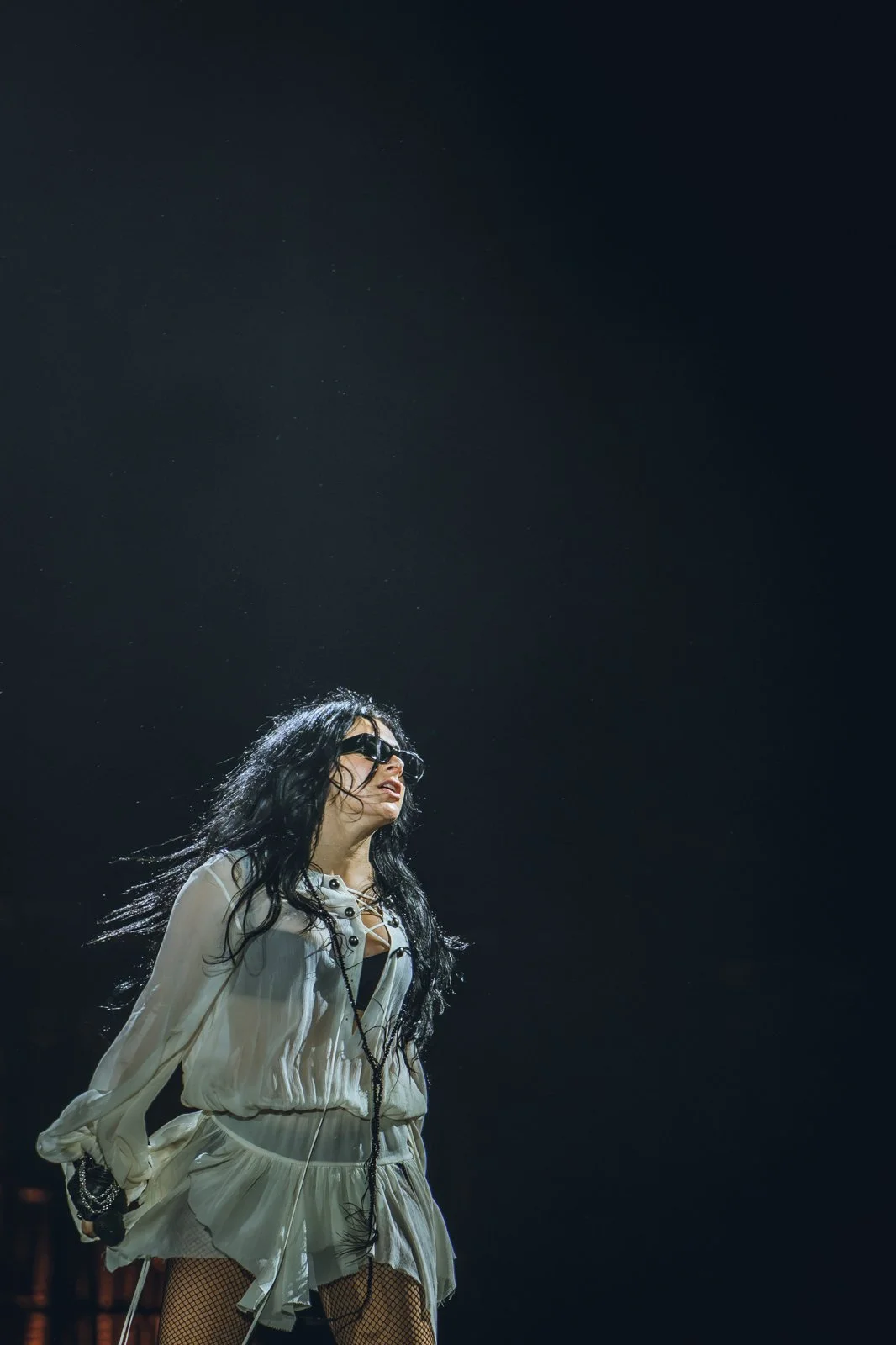
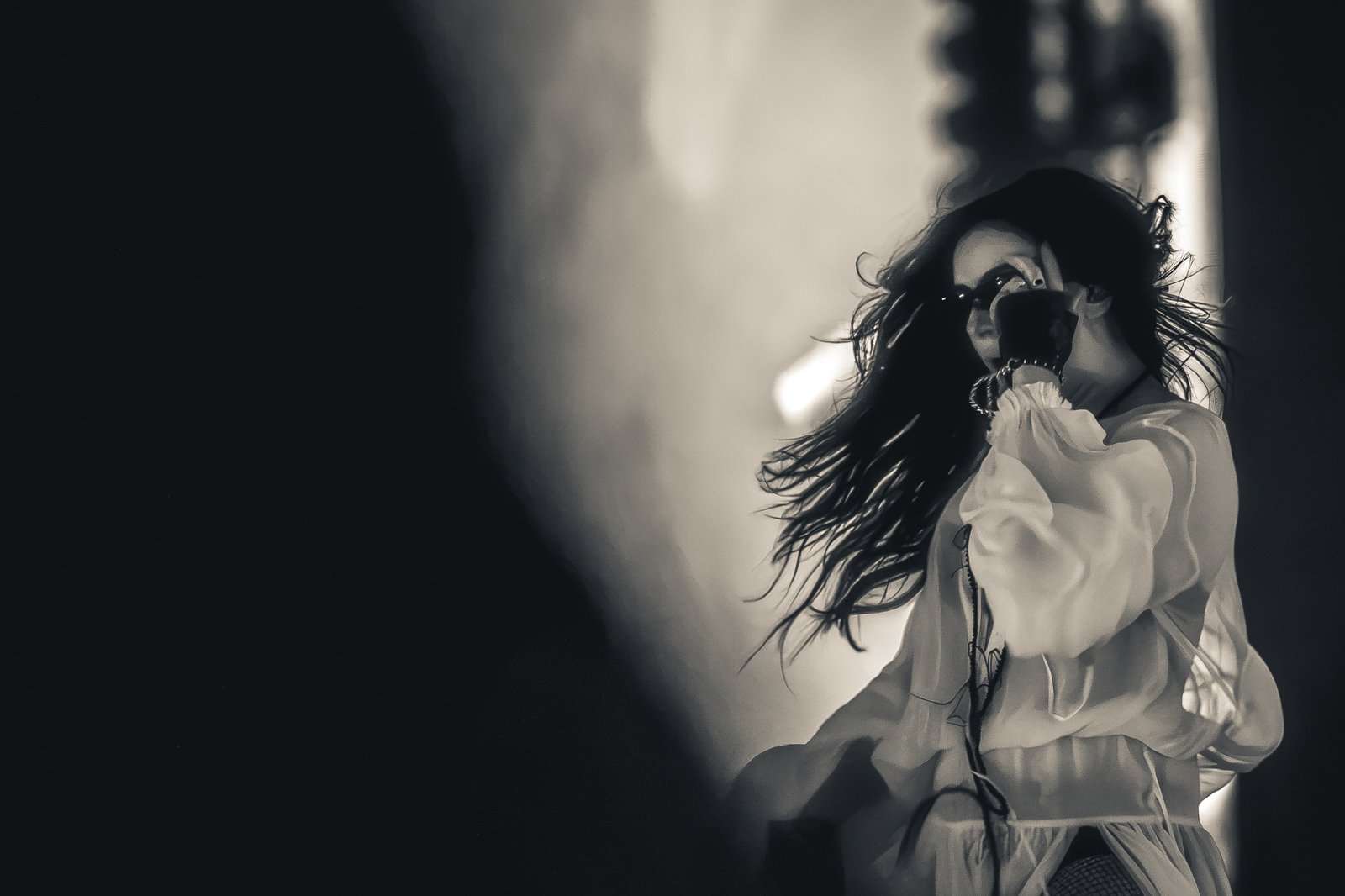
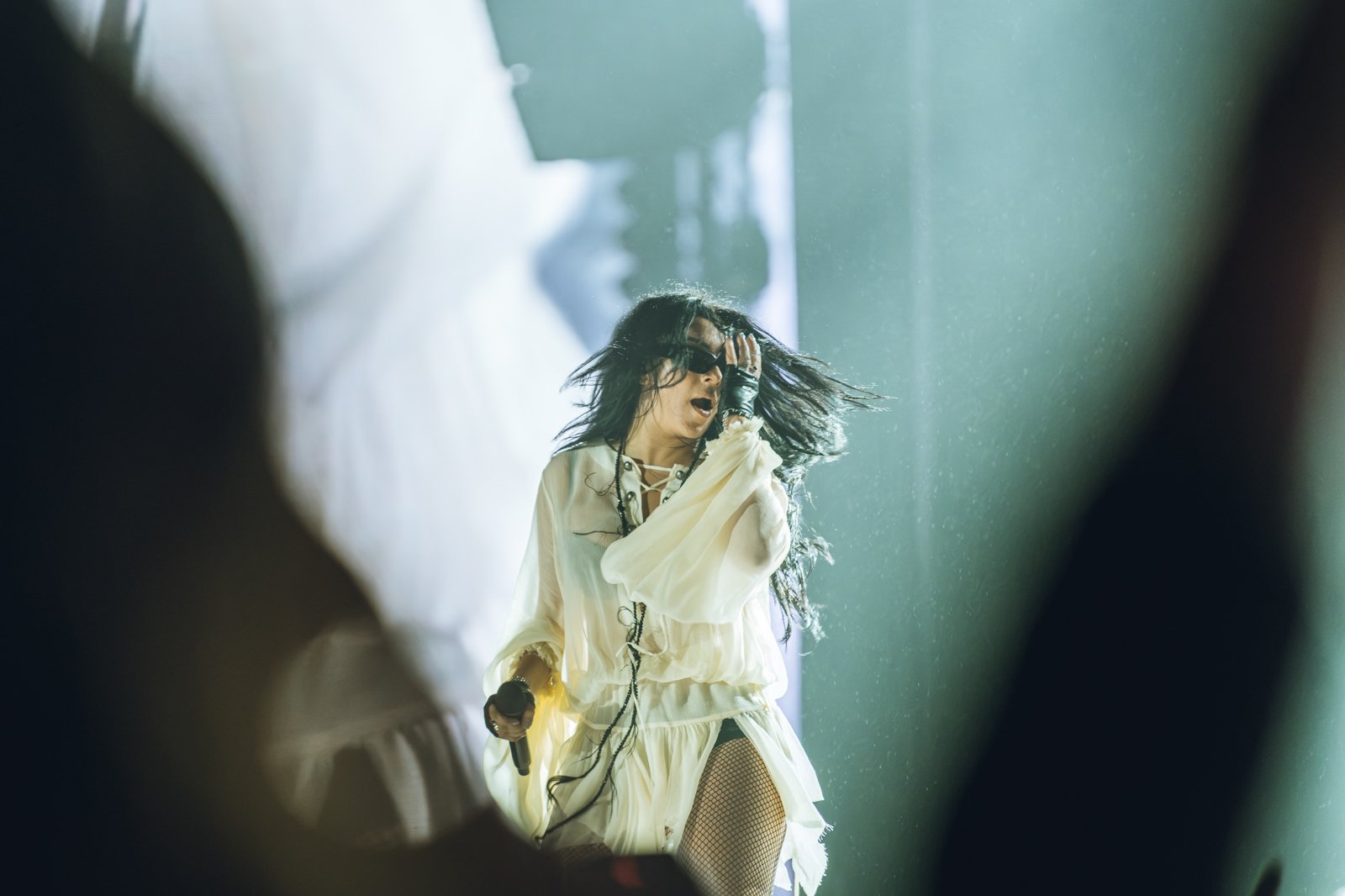
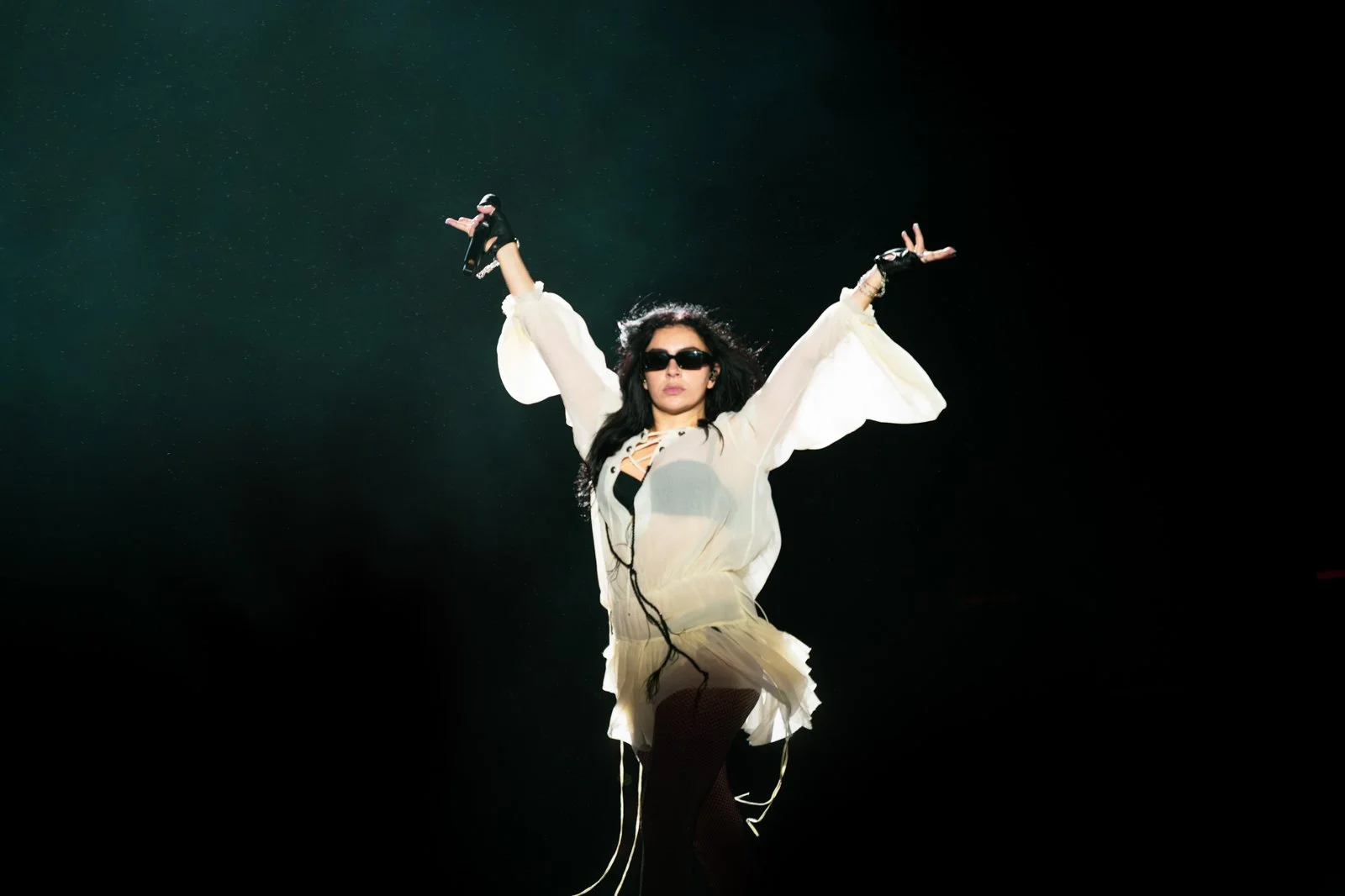
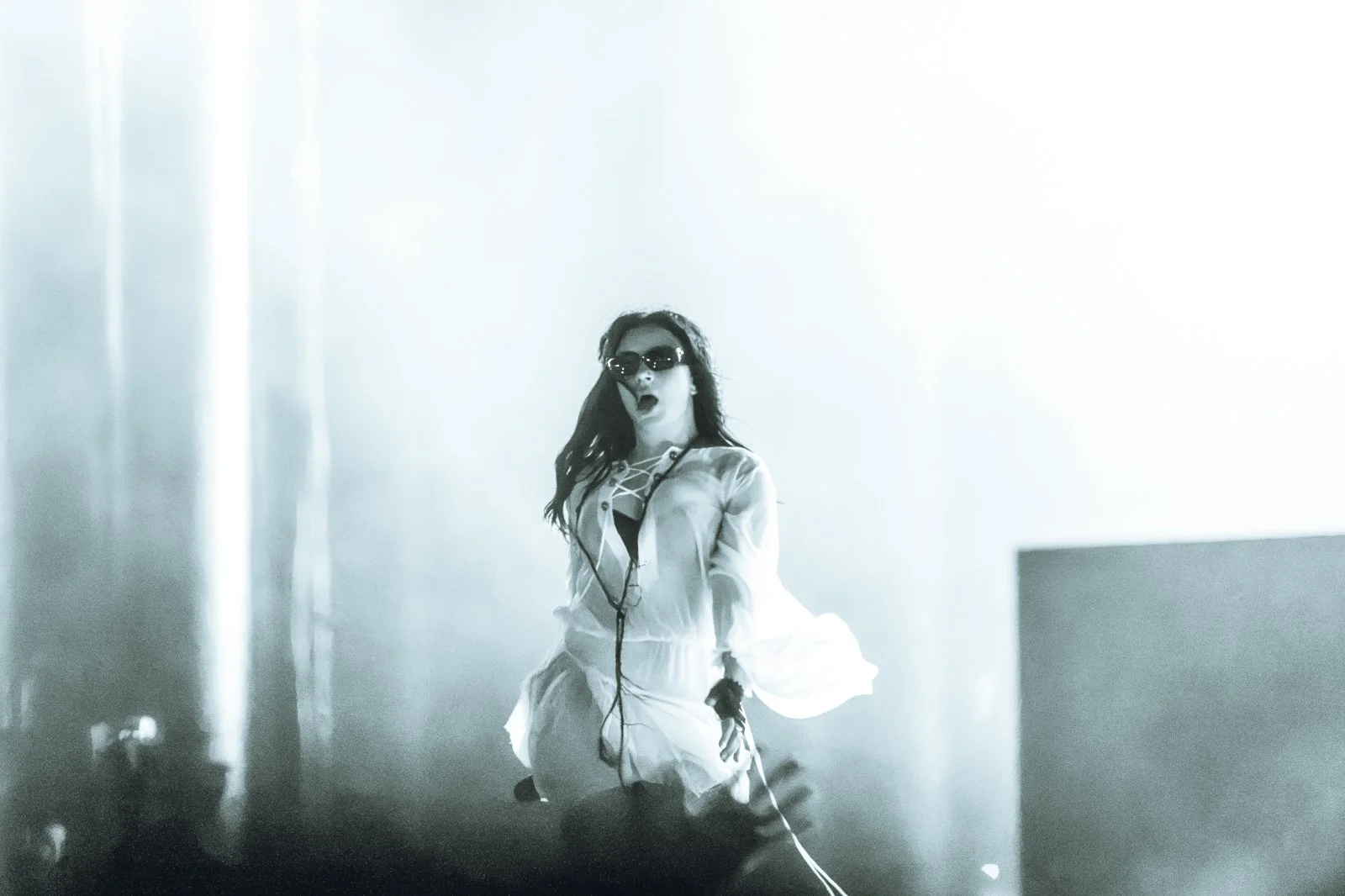
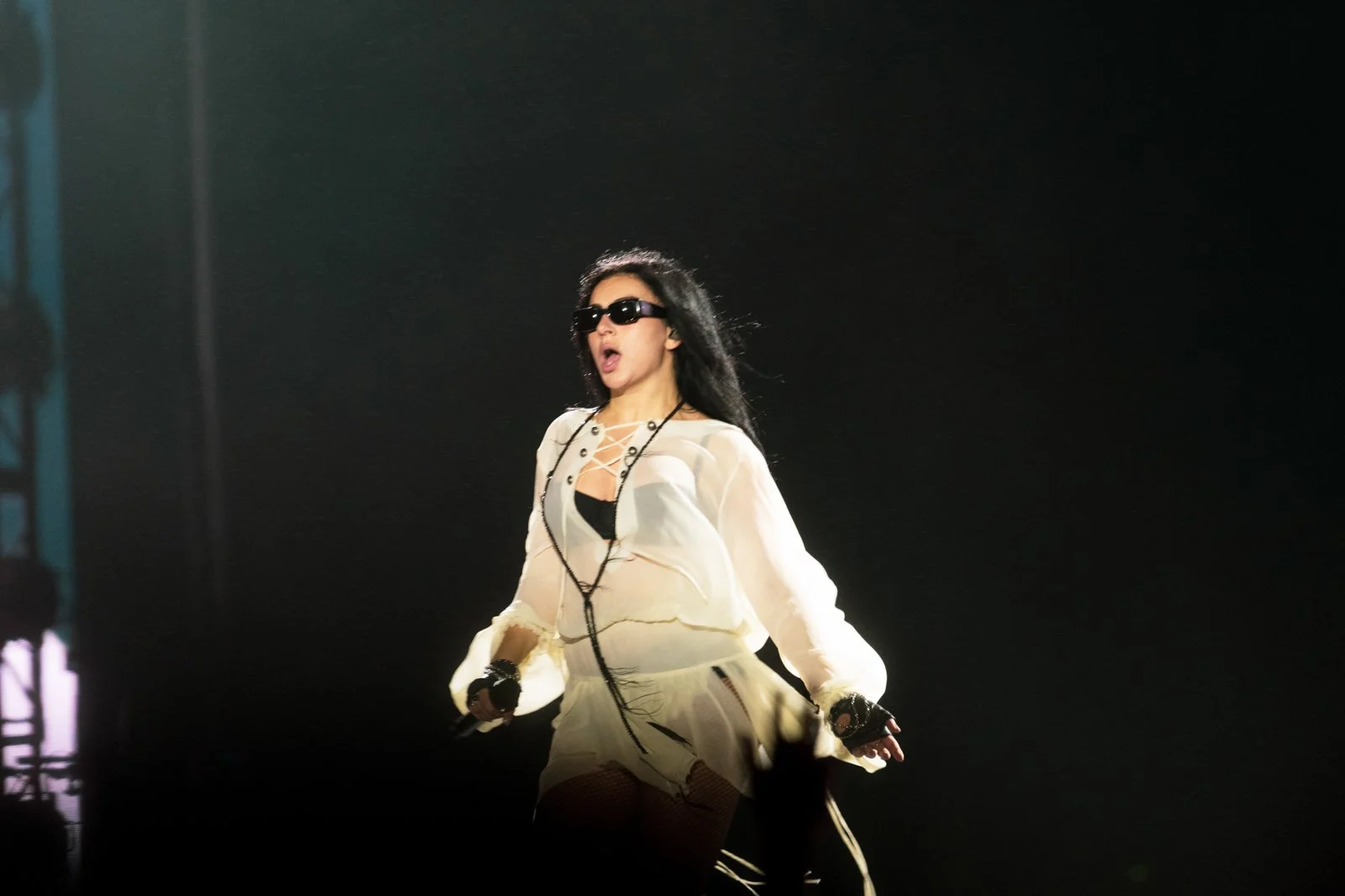
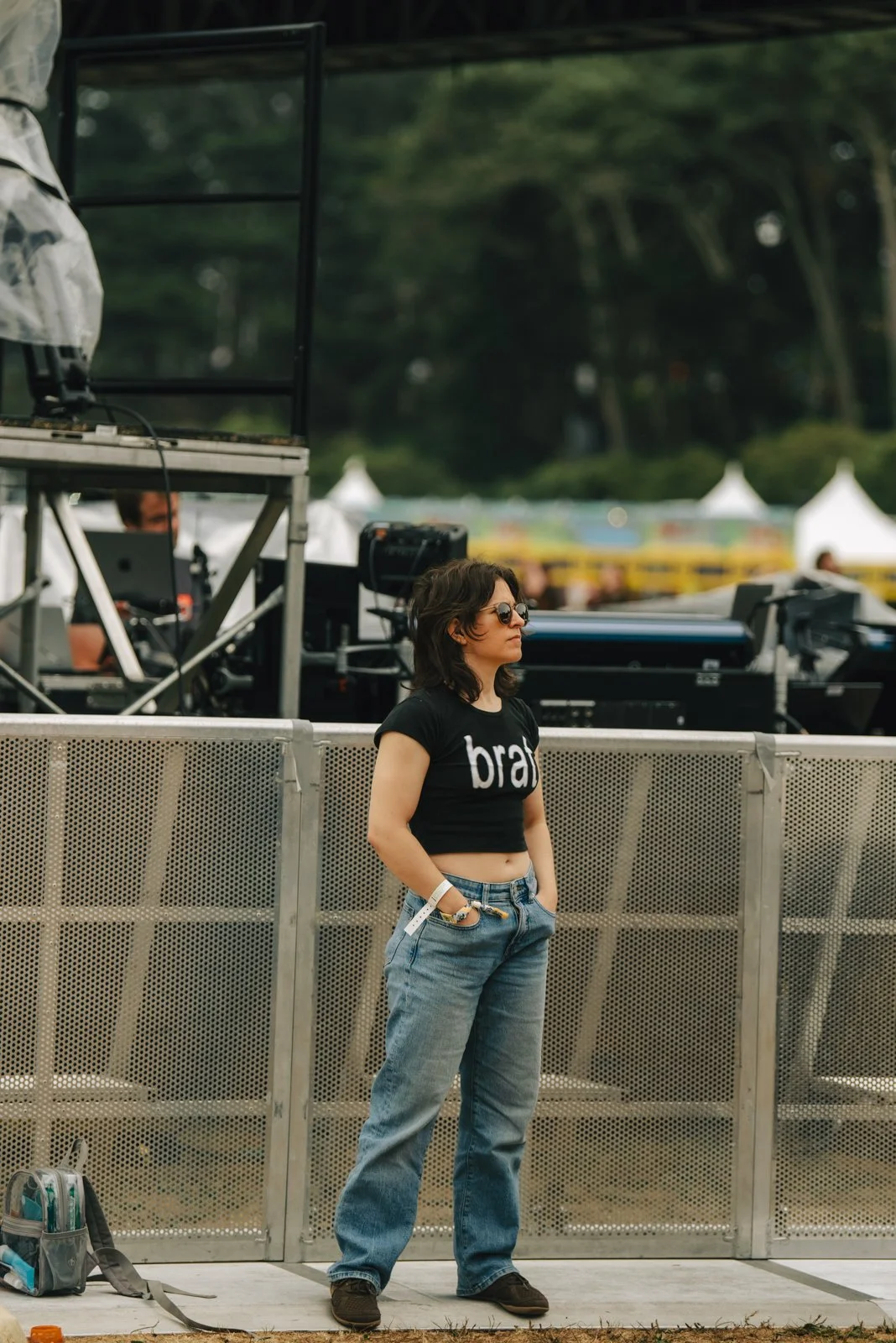
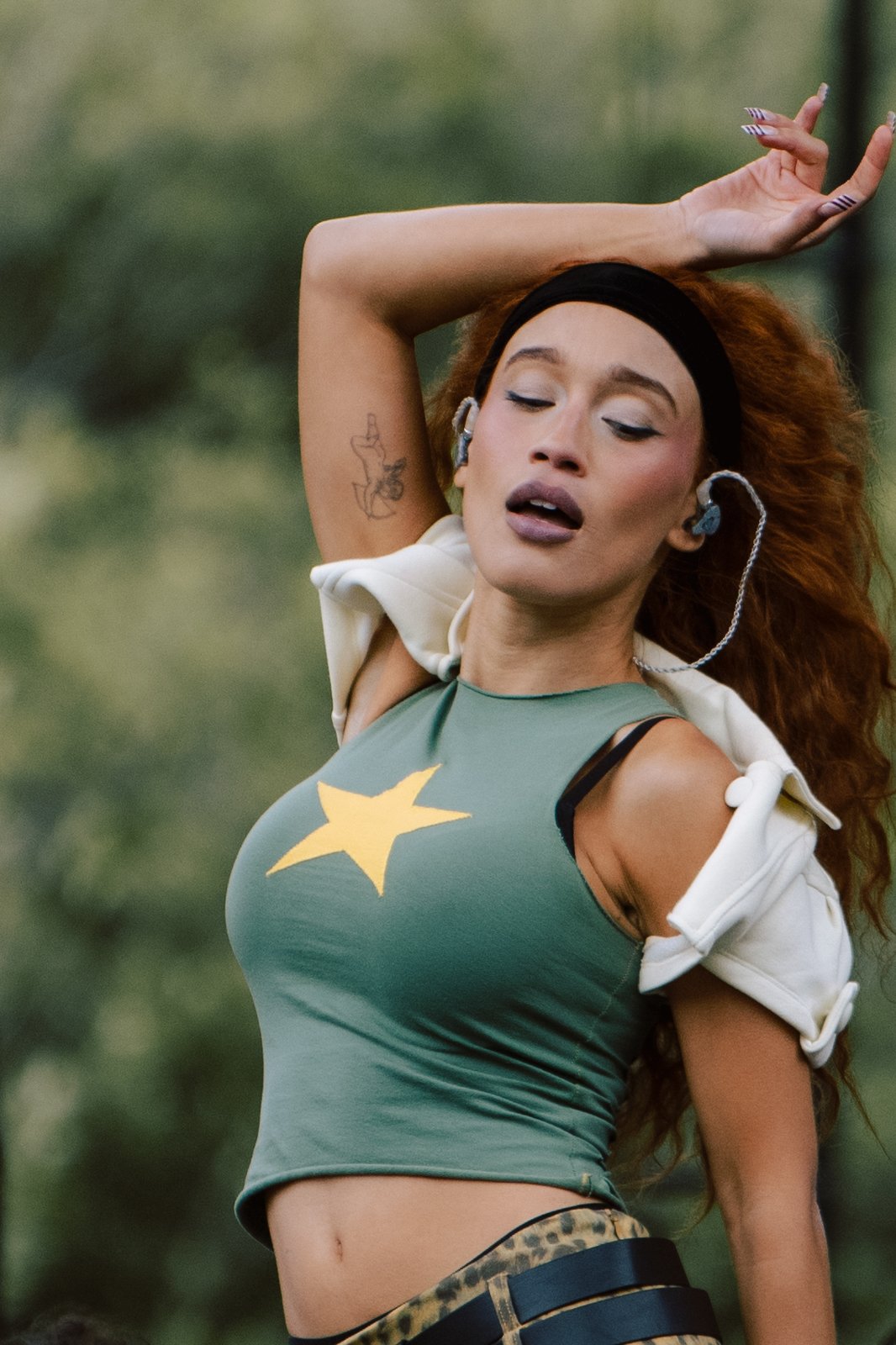
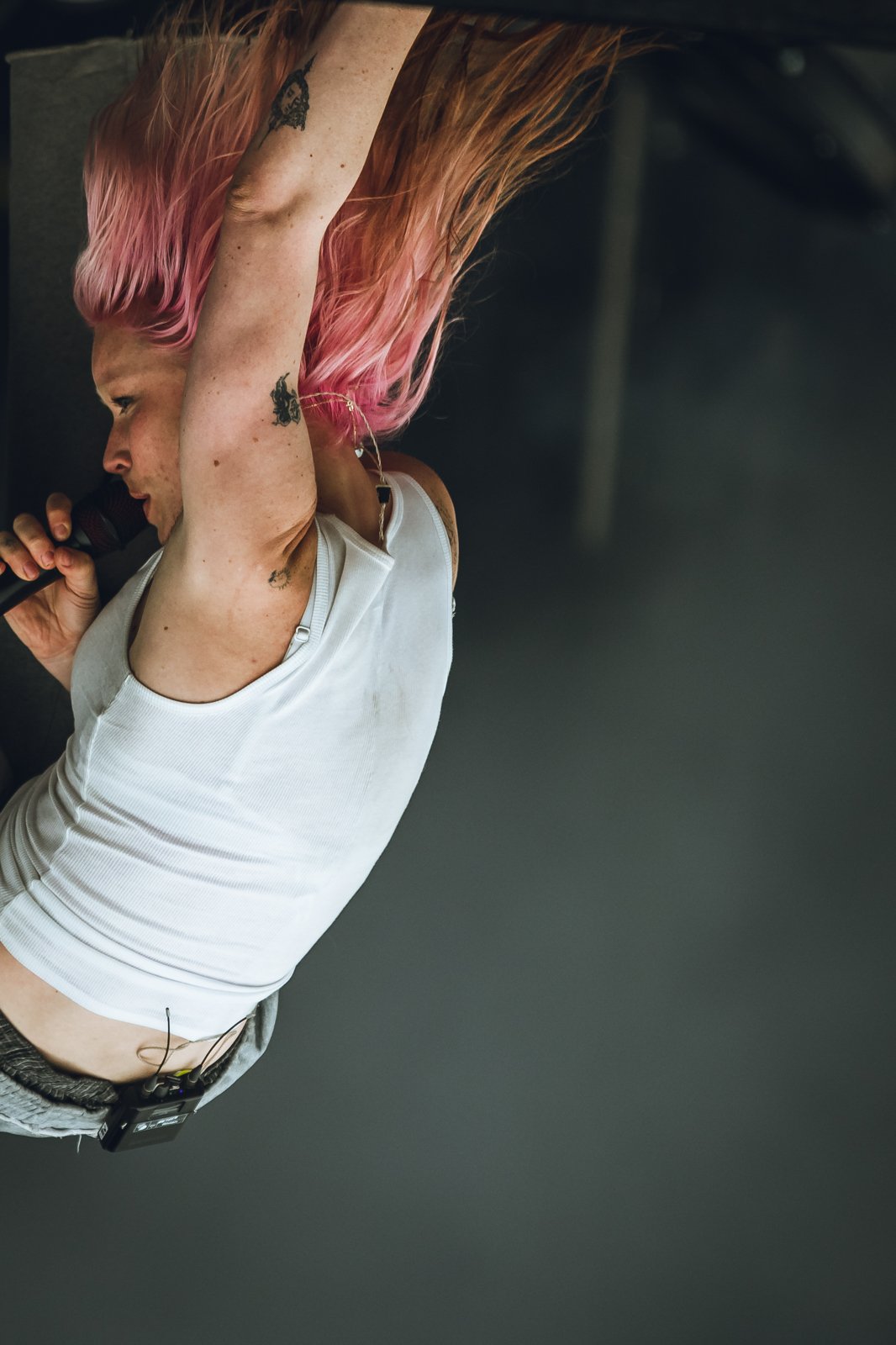
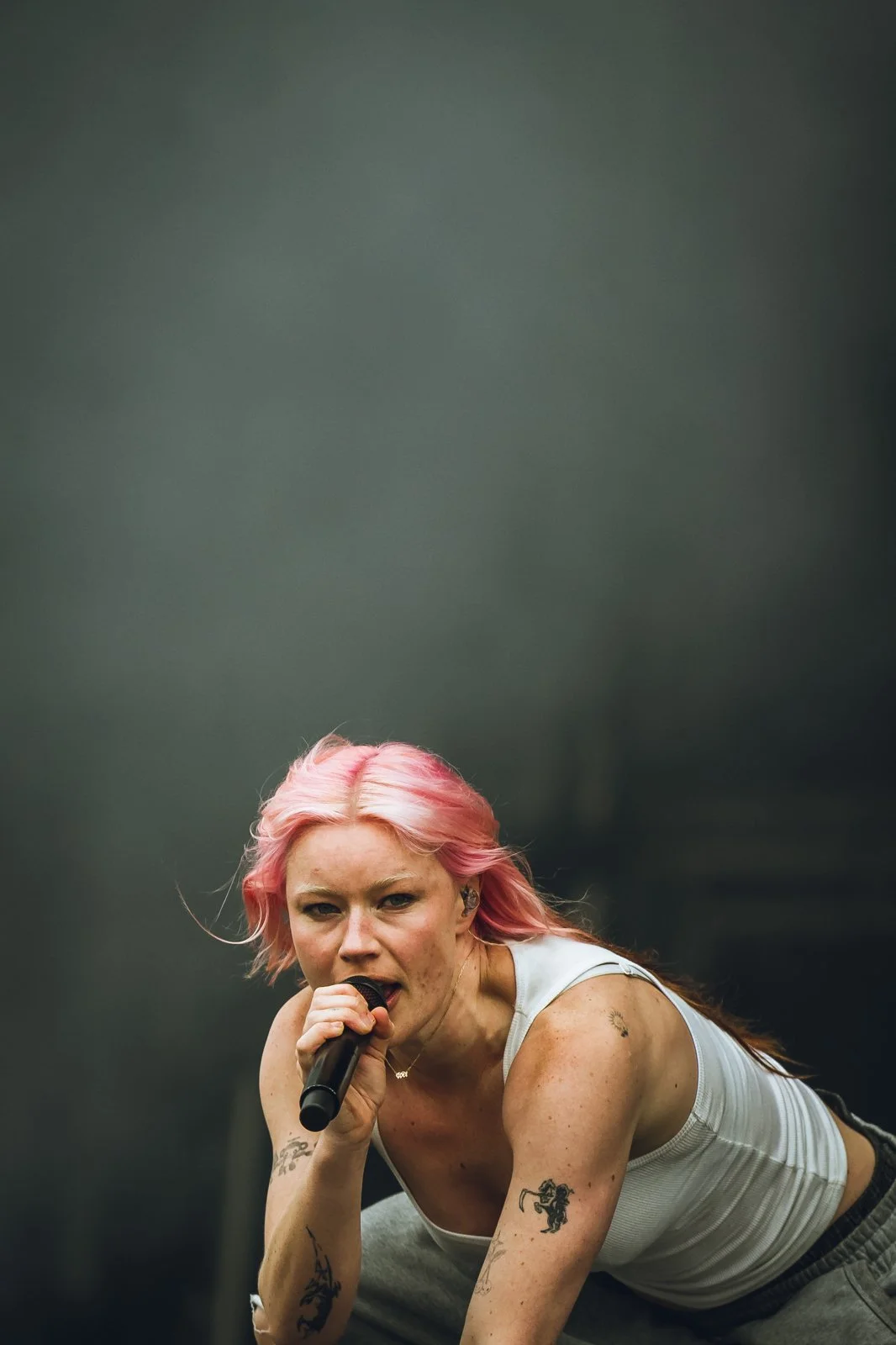
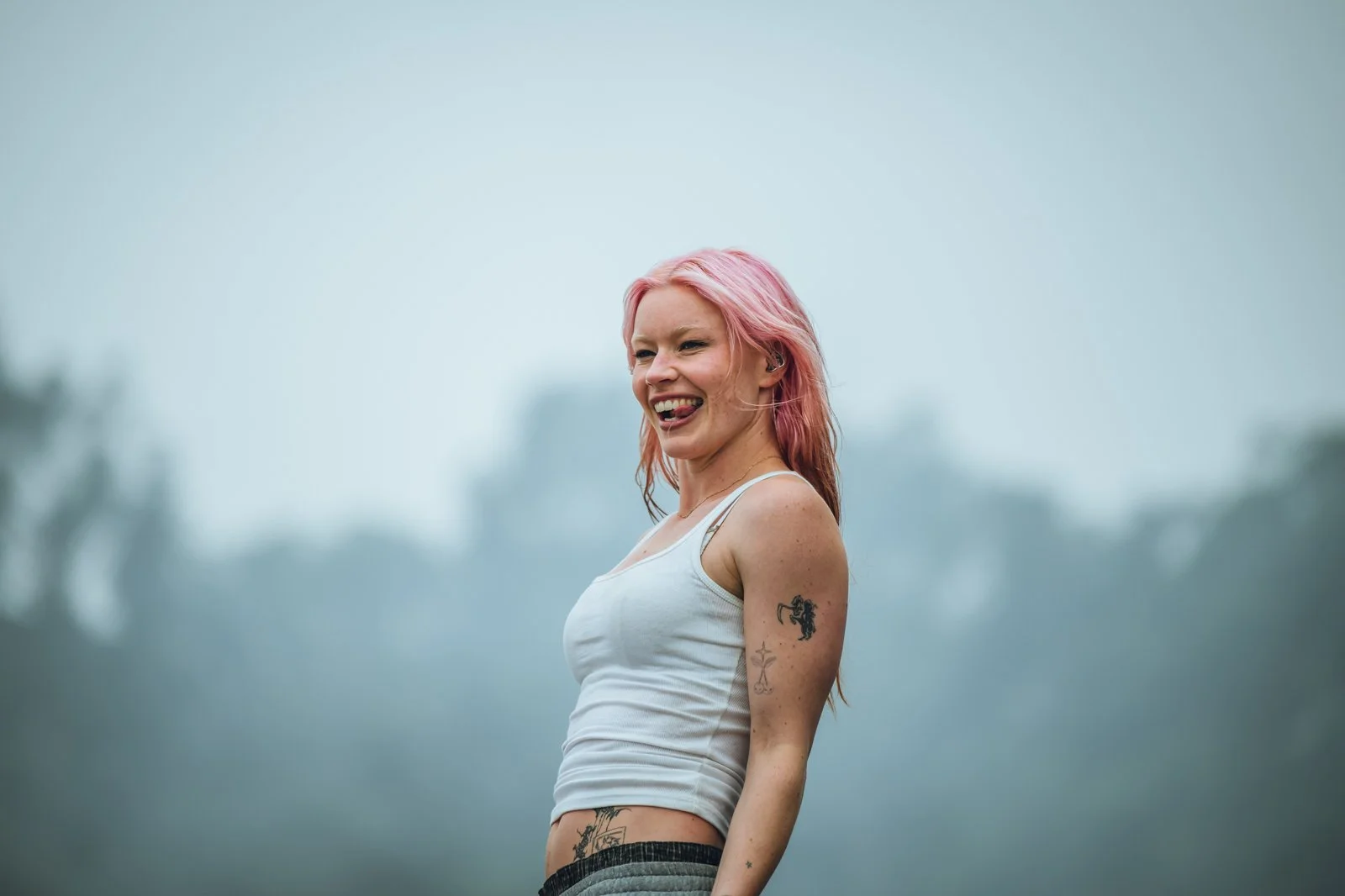
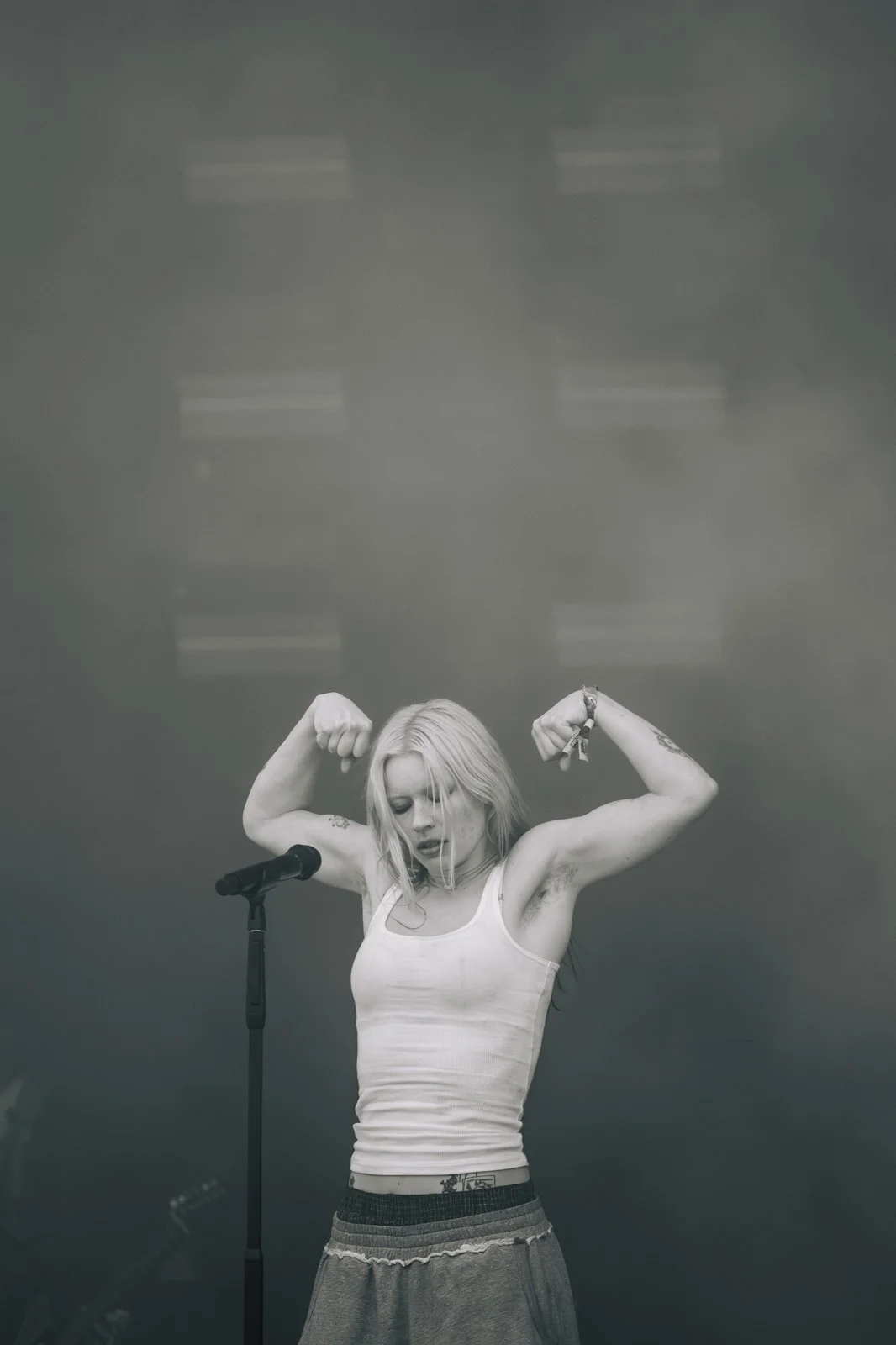
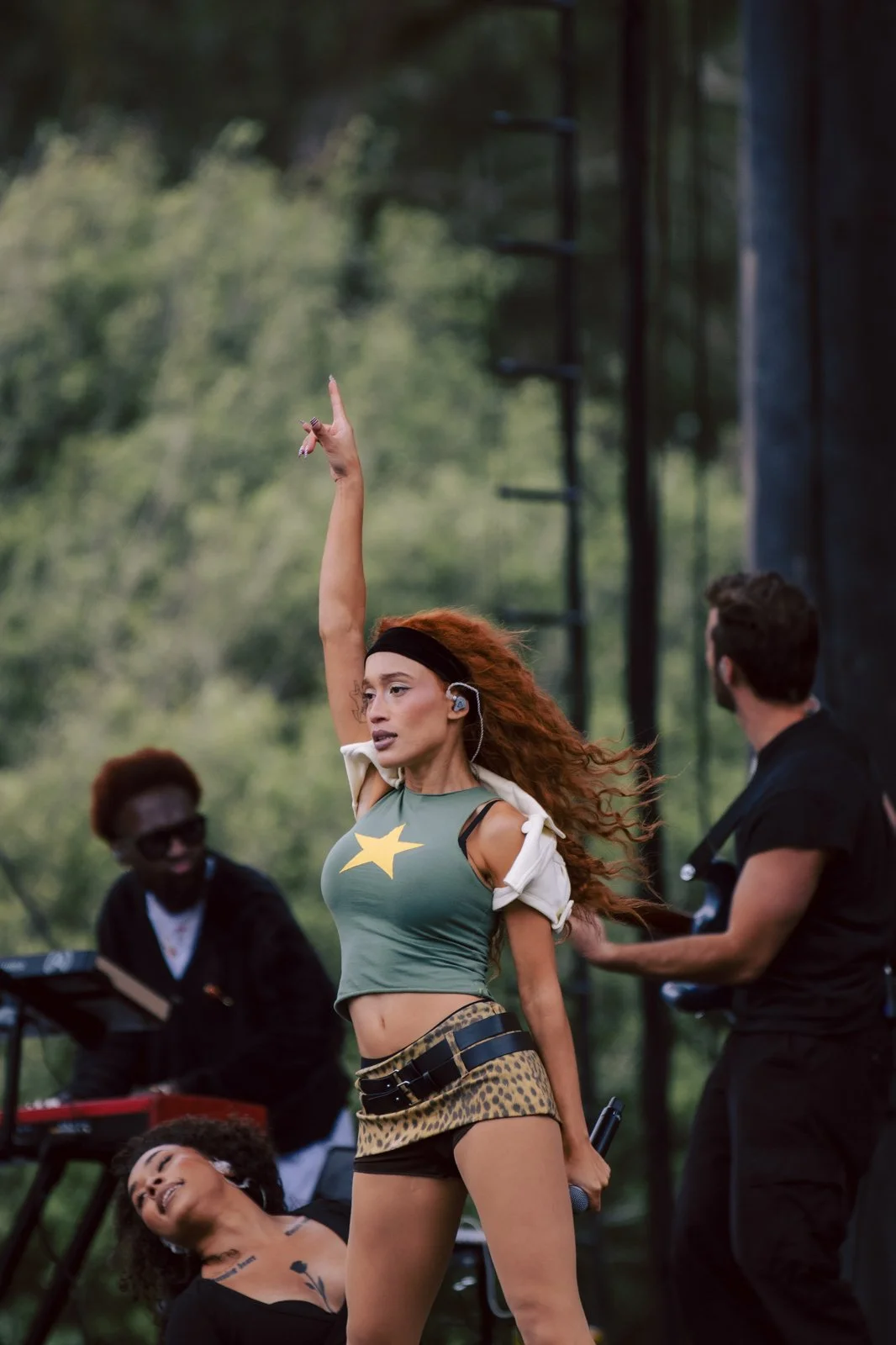
Then there's Charli XCX. Seven records deep, her emergence as a BRAT captured a spotlight only the rarest of acts can attract, which makes billing her as the future a bit of a misnomer. If anything she serves as the bridge between her two counterparts — sharing the electronic DNA that RÜFÜS has sanded down into a big-room, waiting-in-an-Equinox-lobby sound, while chasing the guitar tones of a Strokes record through A.G. Cook and Finn Keane's cut-and-sew work in Logic. But what separates her isn't the reinvention, whether that's genre or subject or style. It's her willingness to embarrass herself — to corner herself creatively, to court self-immolation in public — or, as David Cronenberg puts it at the end of her most recent record, “oblivion is freedom.”

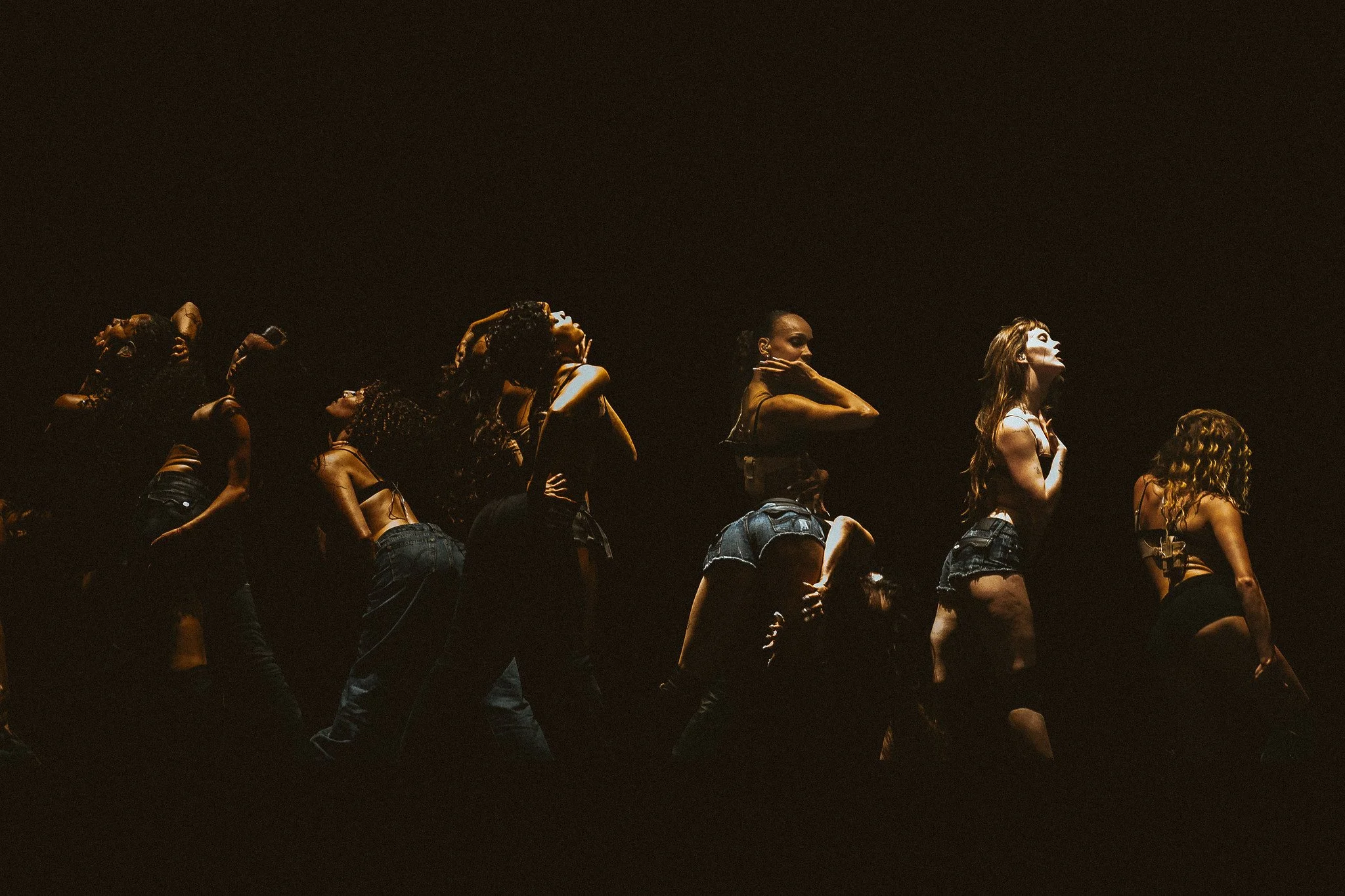
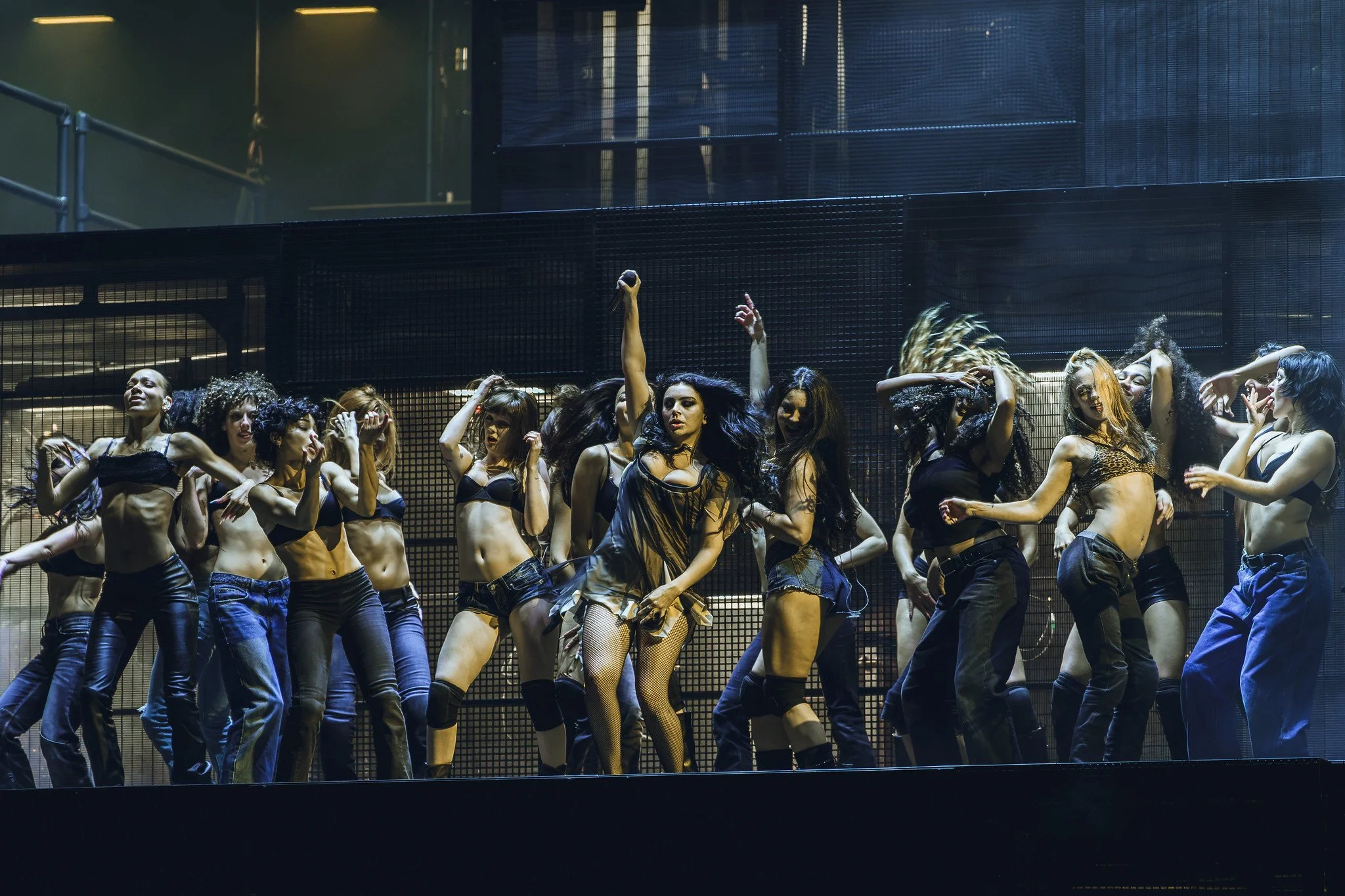
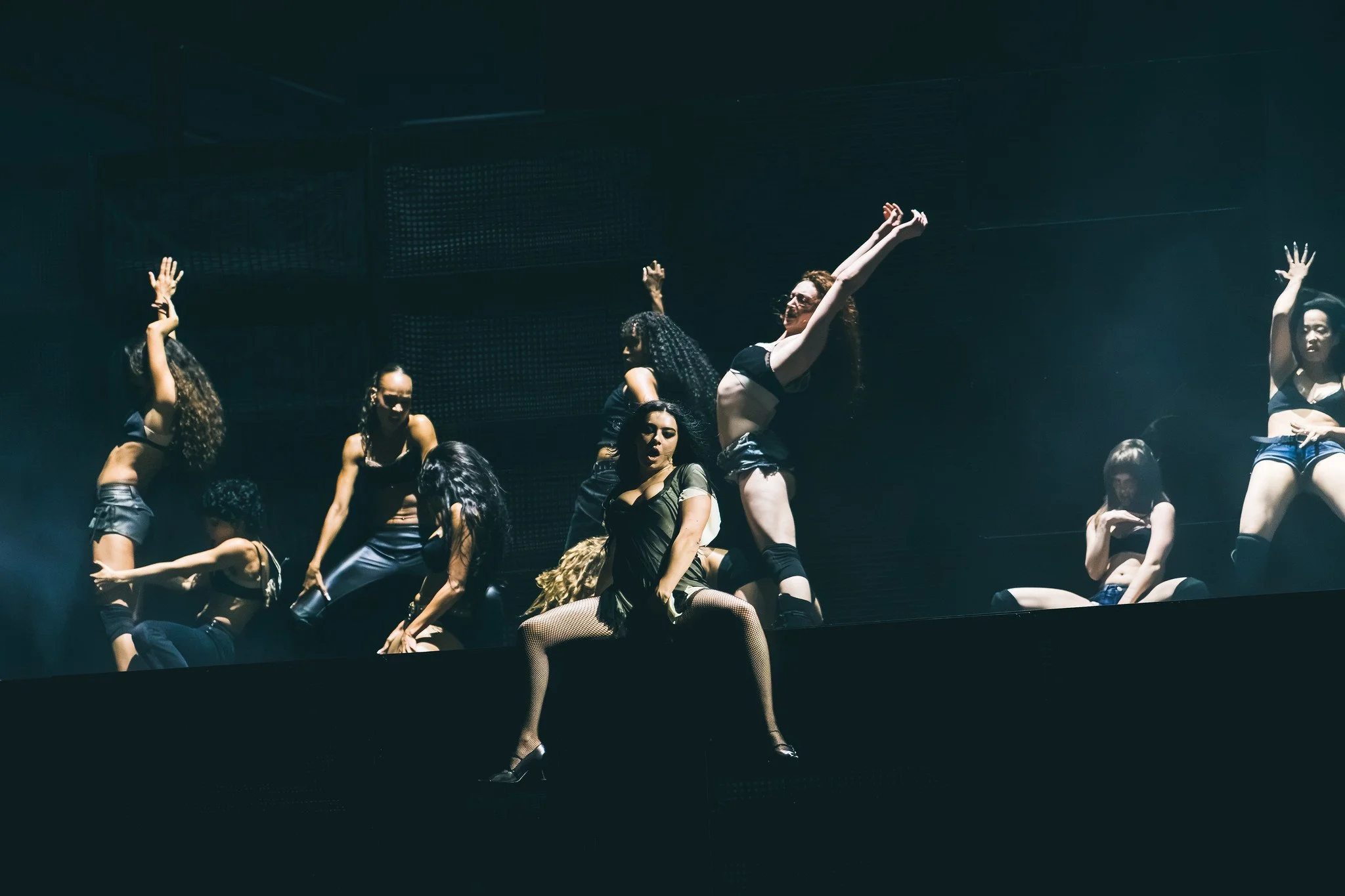
Some may see her reverence for the signifiers of artistic achievement as posturing, given that Music, Fashion, Film puts John Cale, Marc Jacobs, and Martin Scorsese on the cover. Look a little closer and it's a yearning for a time when she — and the rest of us — were less self-conscious. Art used to be where people lost themselves, where you could set the ego down and rediscover yourself through somebody else's perspective. In an interview with the BBC she describes a conversation with a group of fans, and hearing the same thing from every one of them: they wanted to make a song, a short film, an essay, and they couldn't start, because they were afraid of being laughed at. She laments the freedom that came with unadulterated dedication to a form, and puts herself in a position to lay bare what everyone else is too careful to.
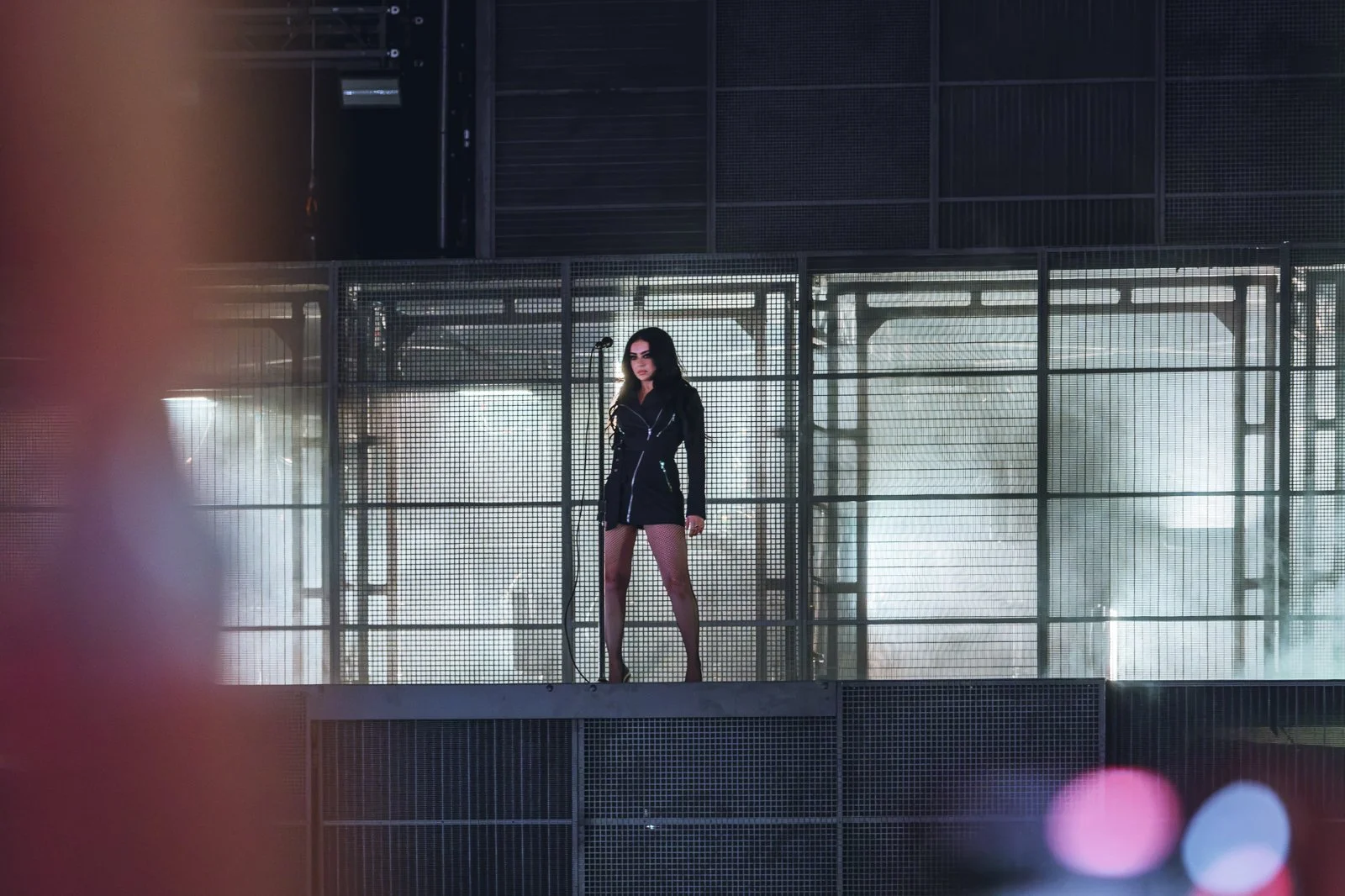
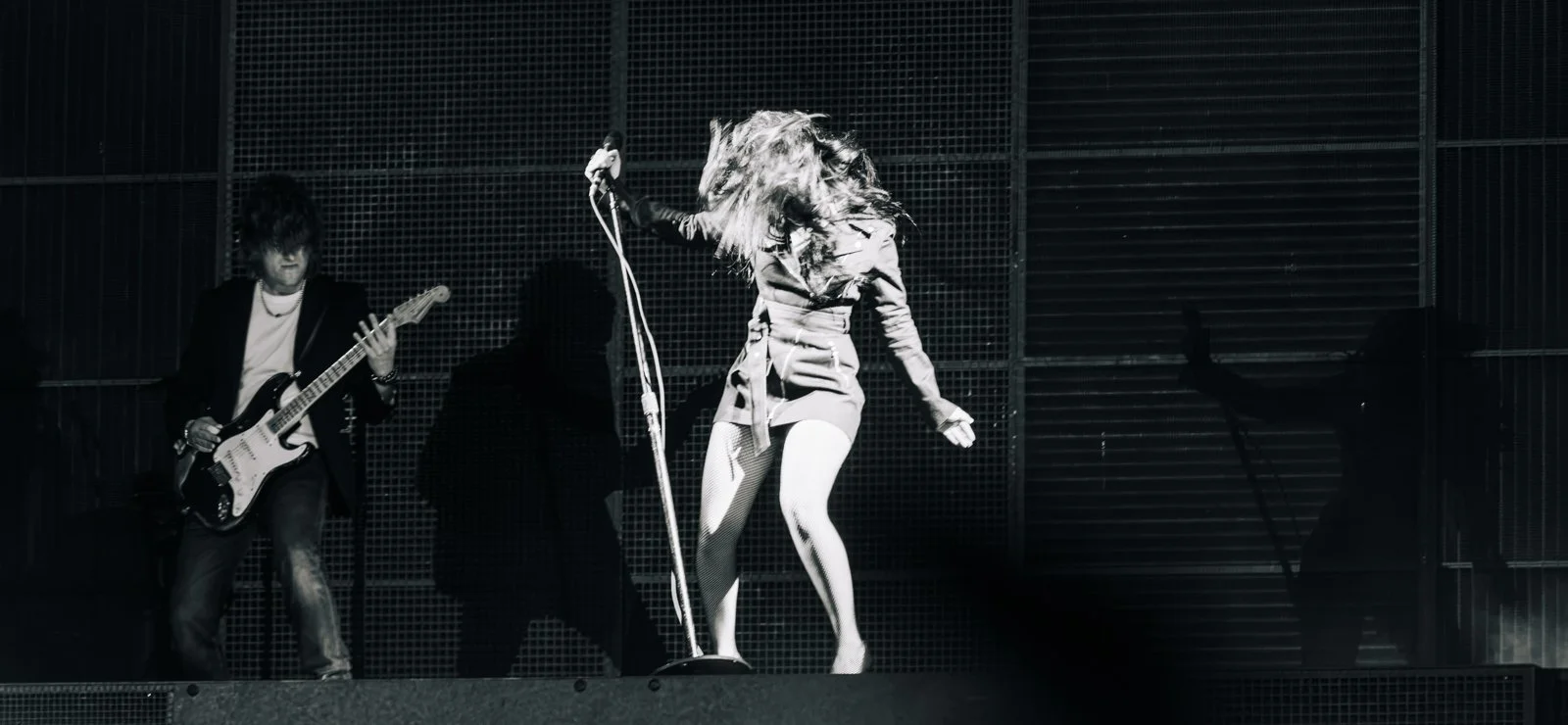
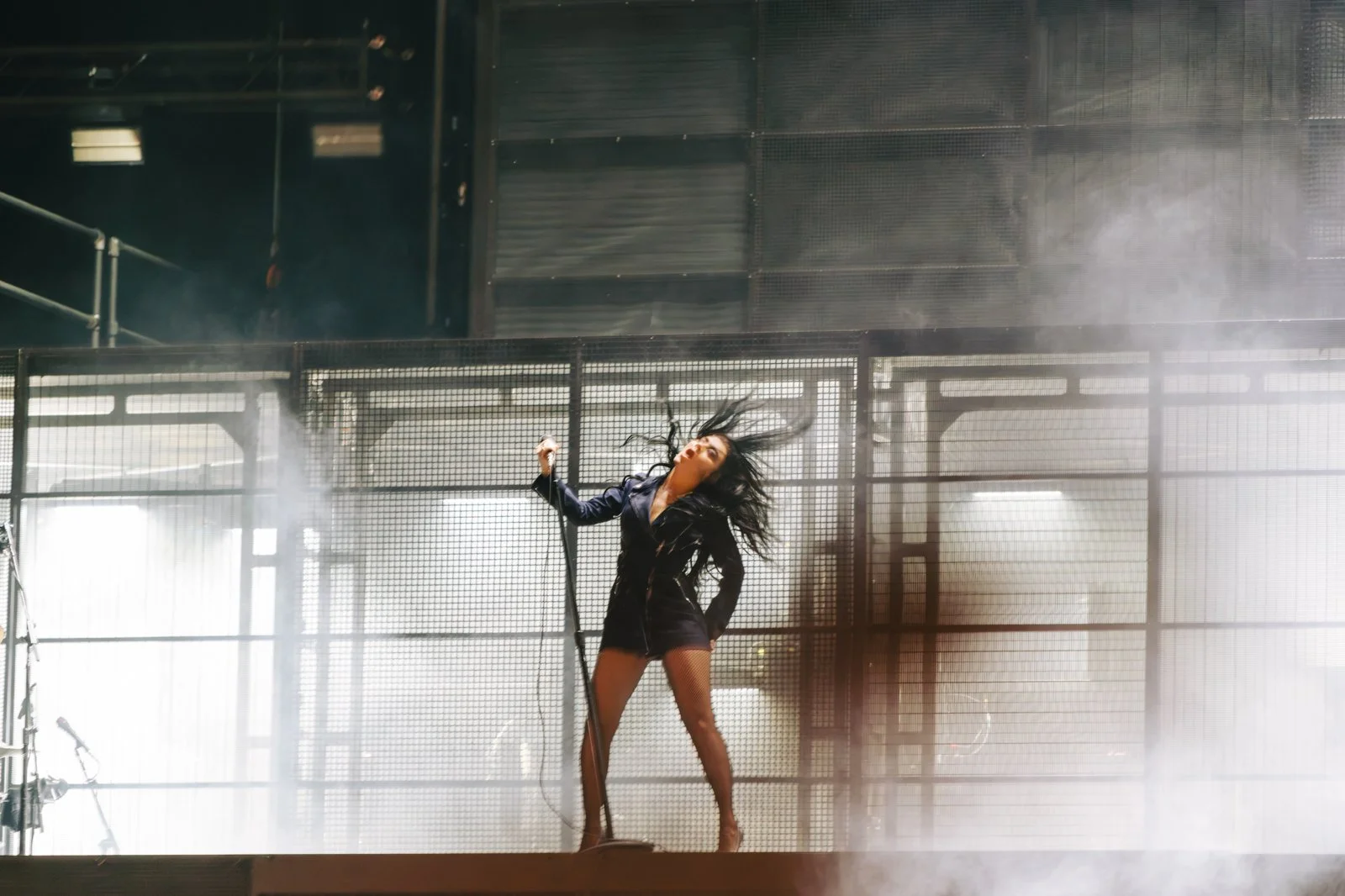
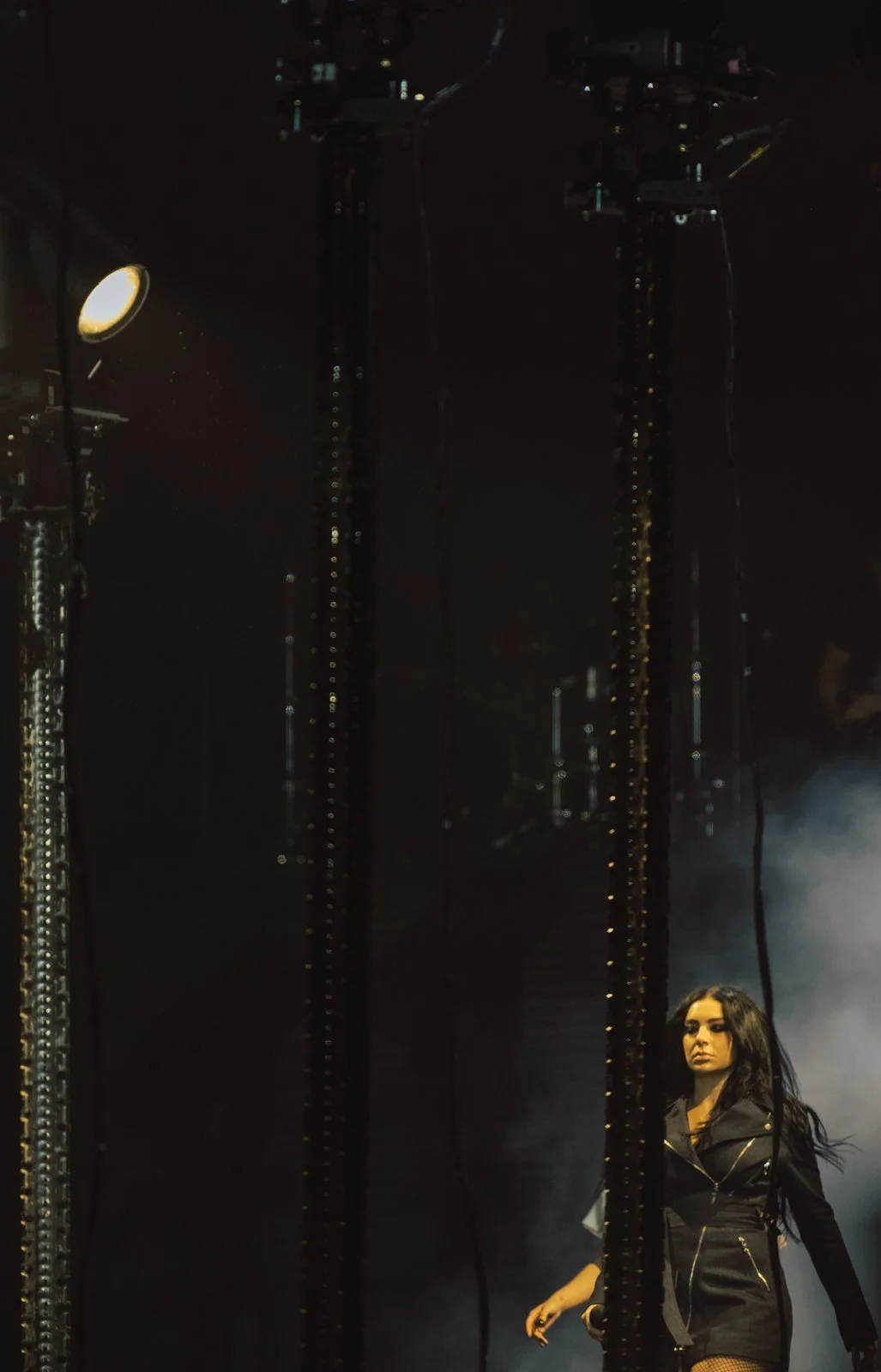
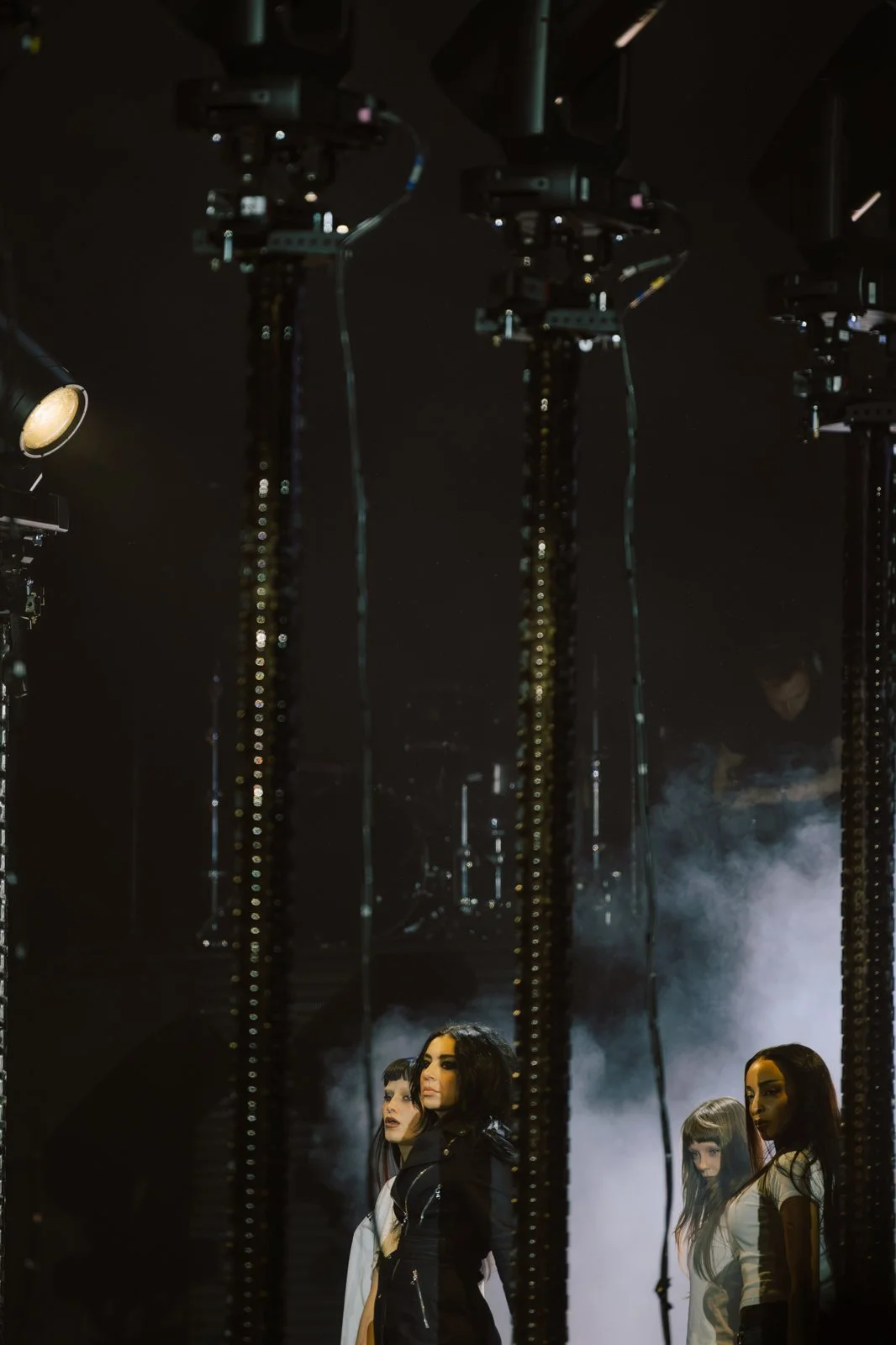
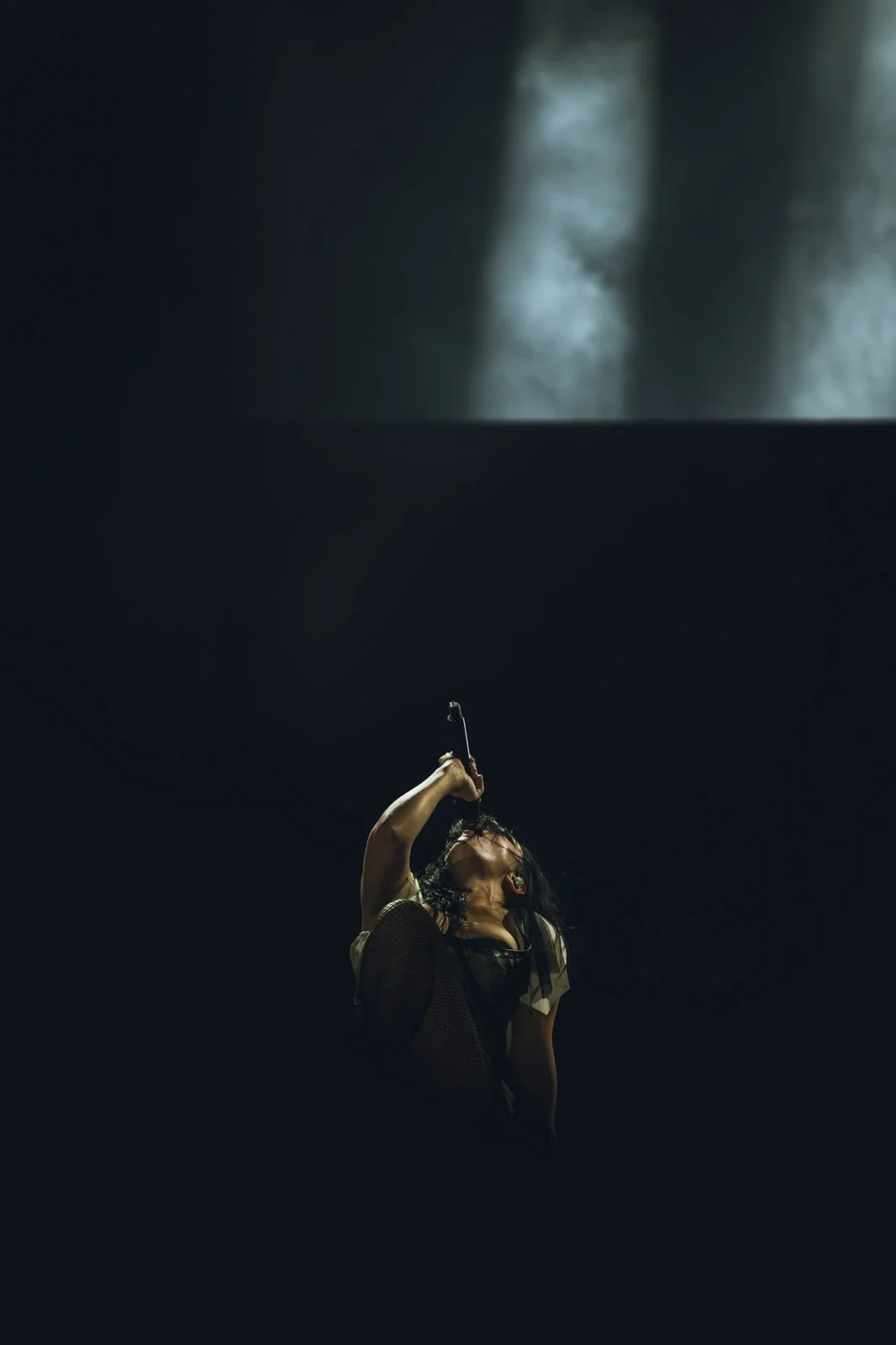
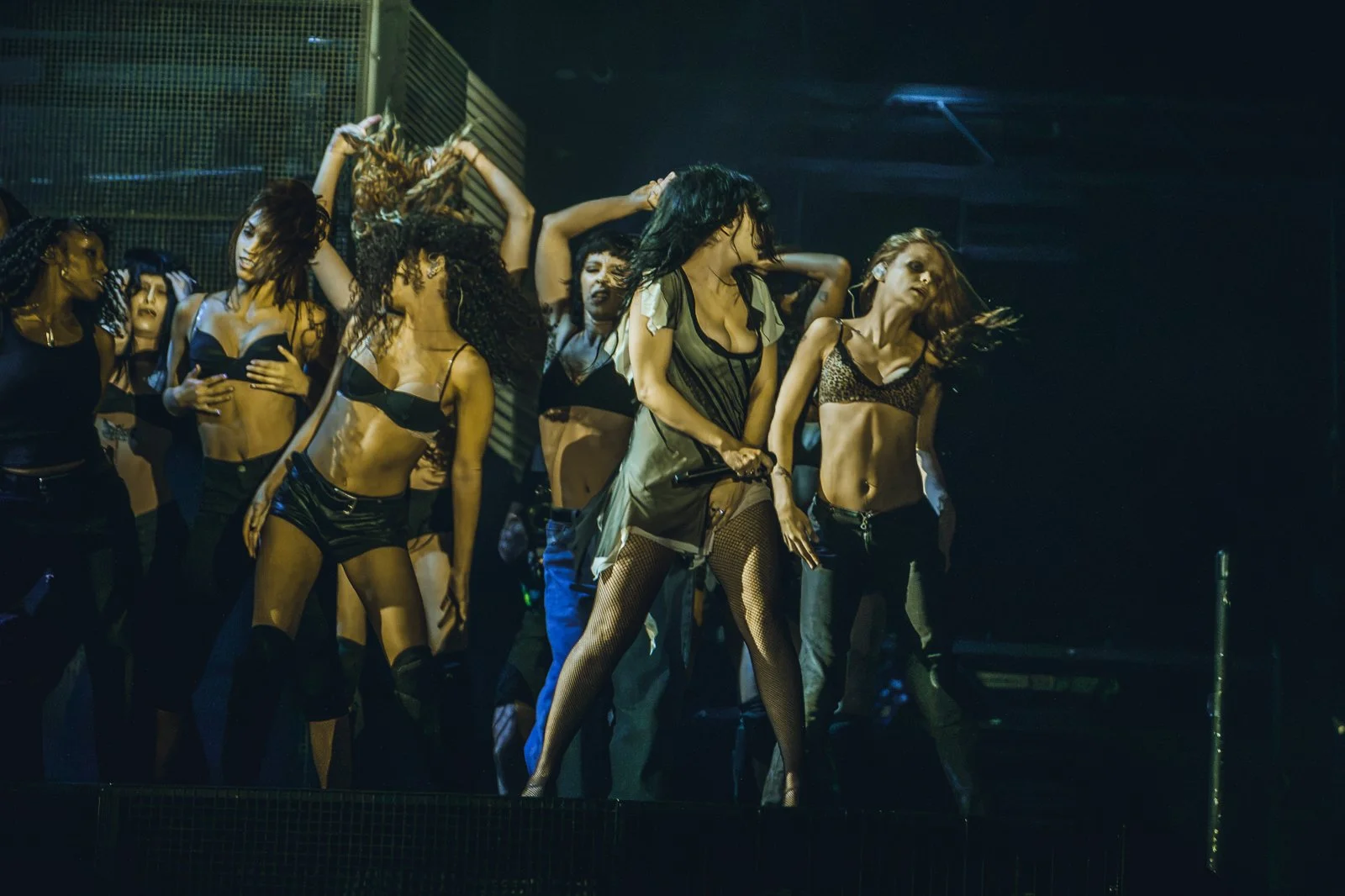
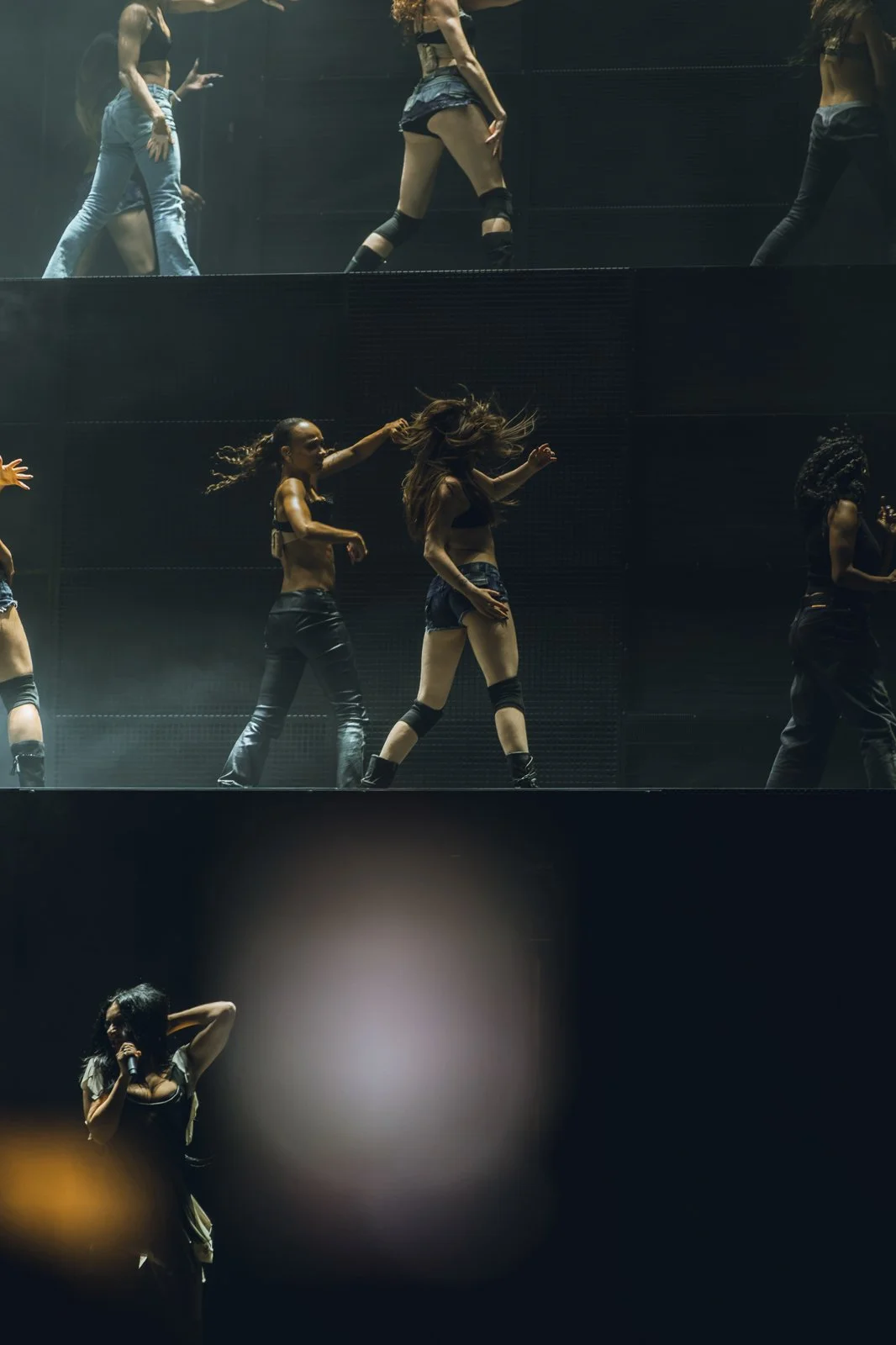
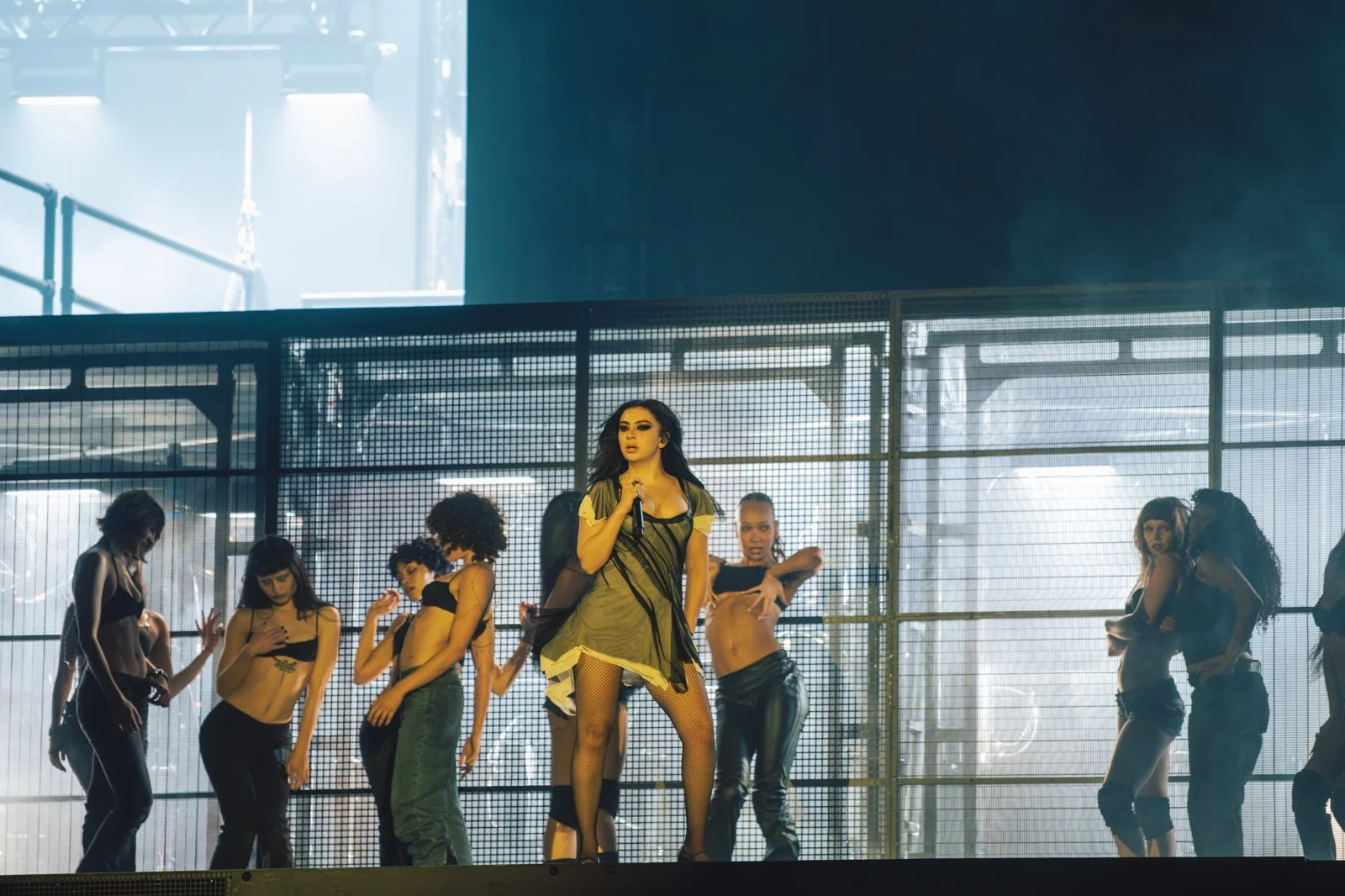
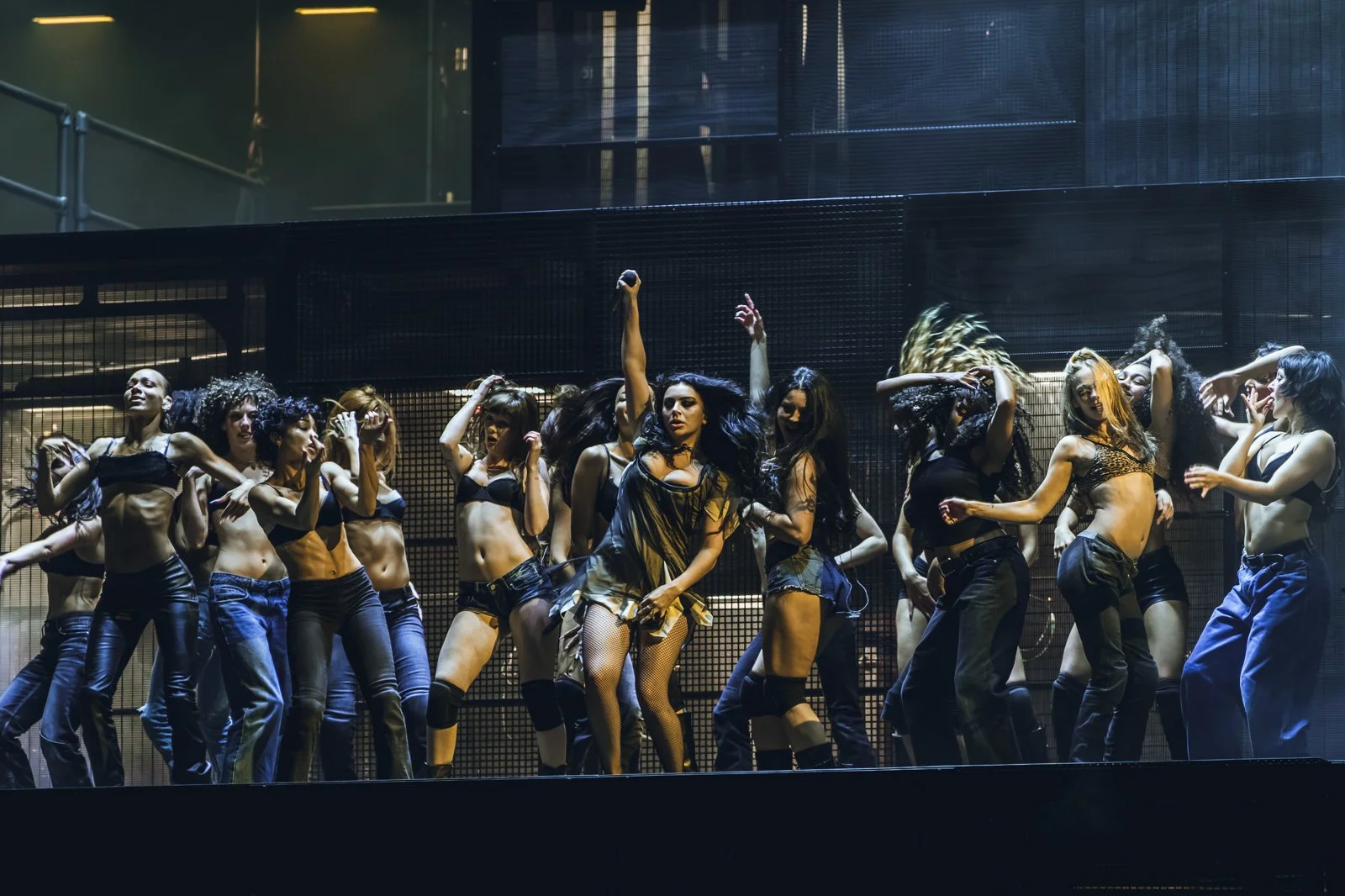
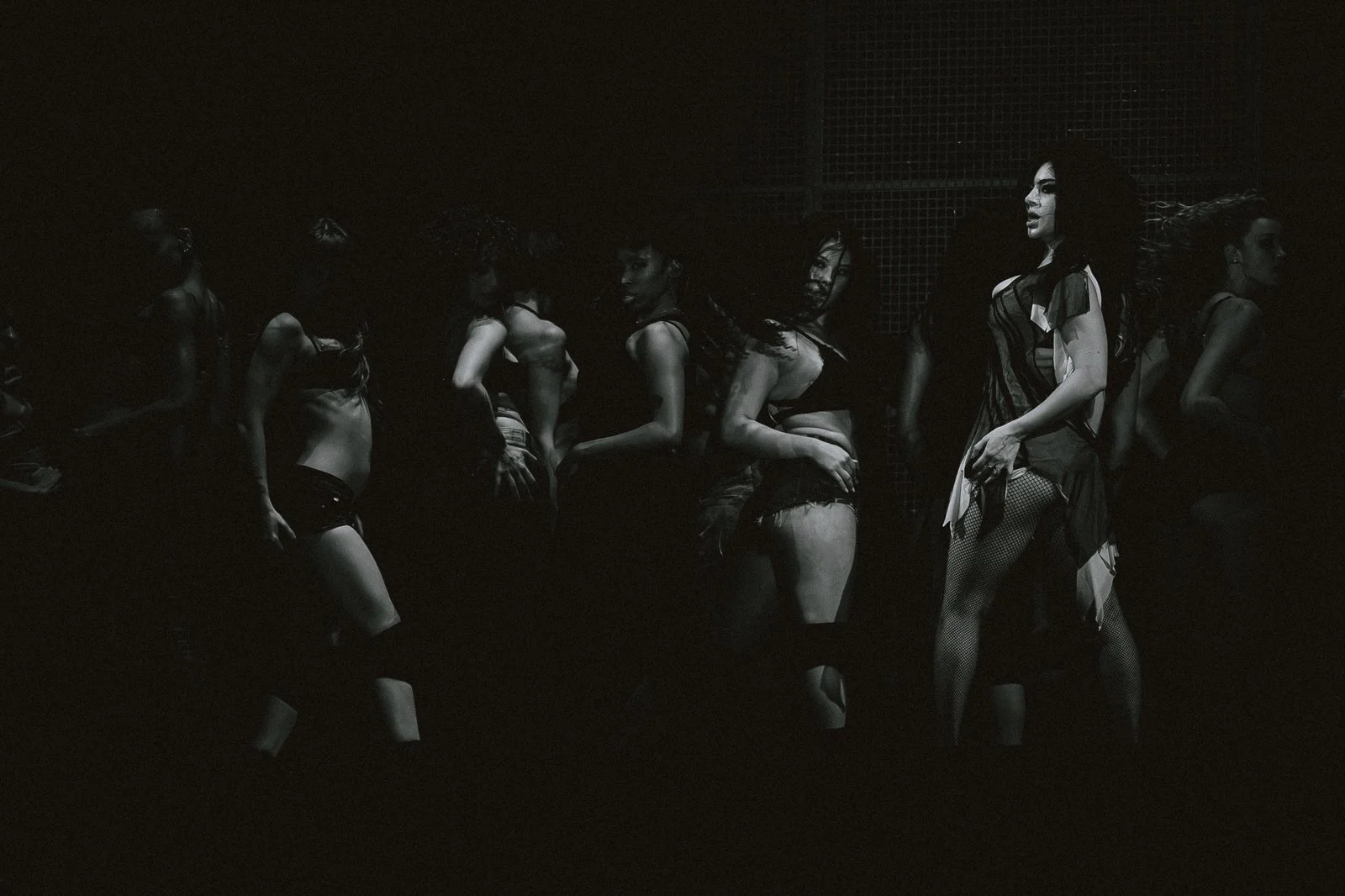
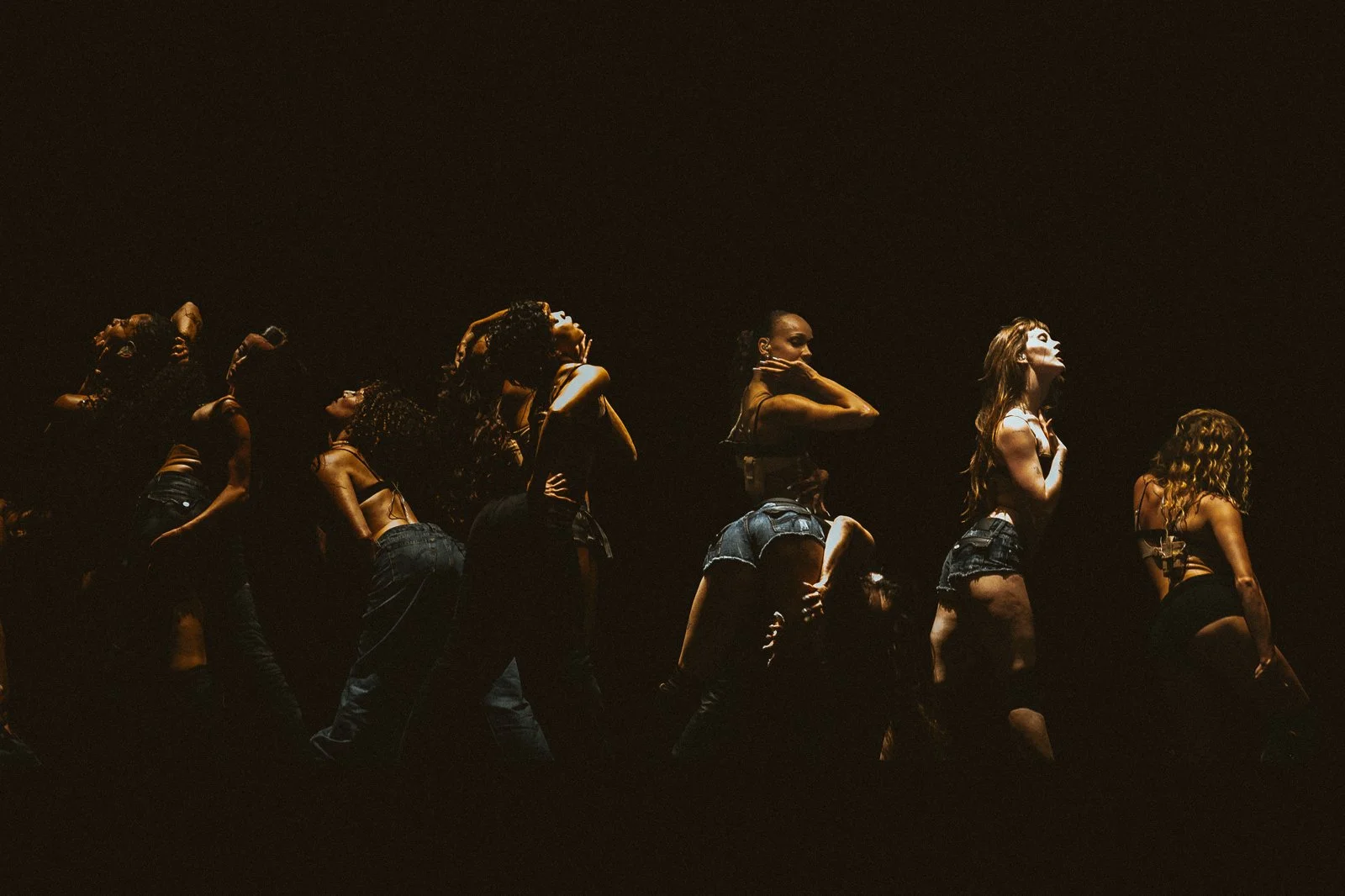
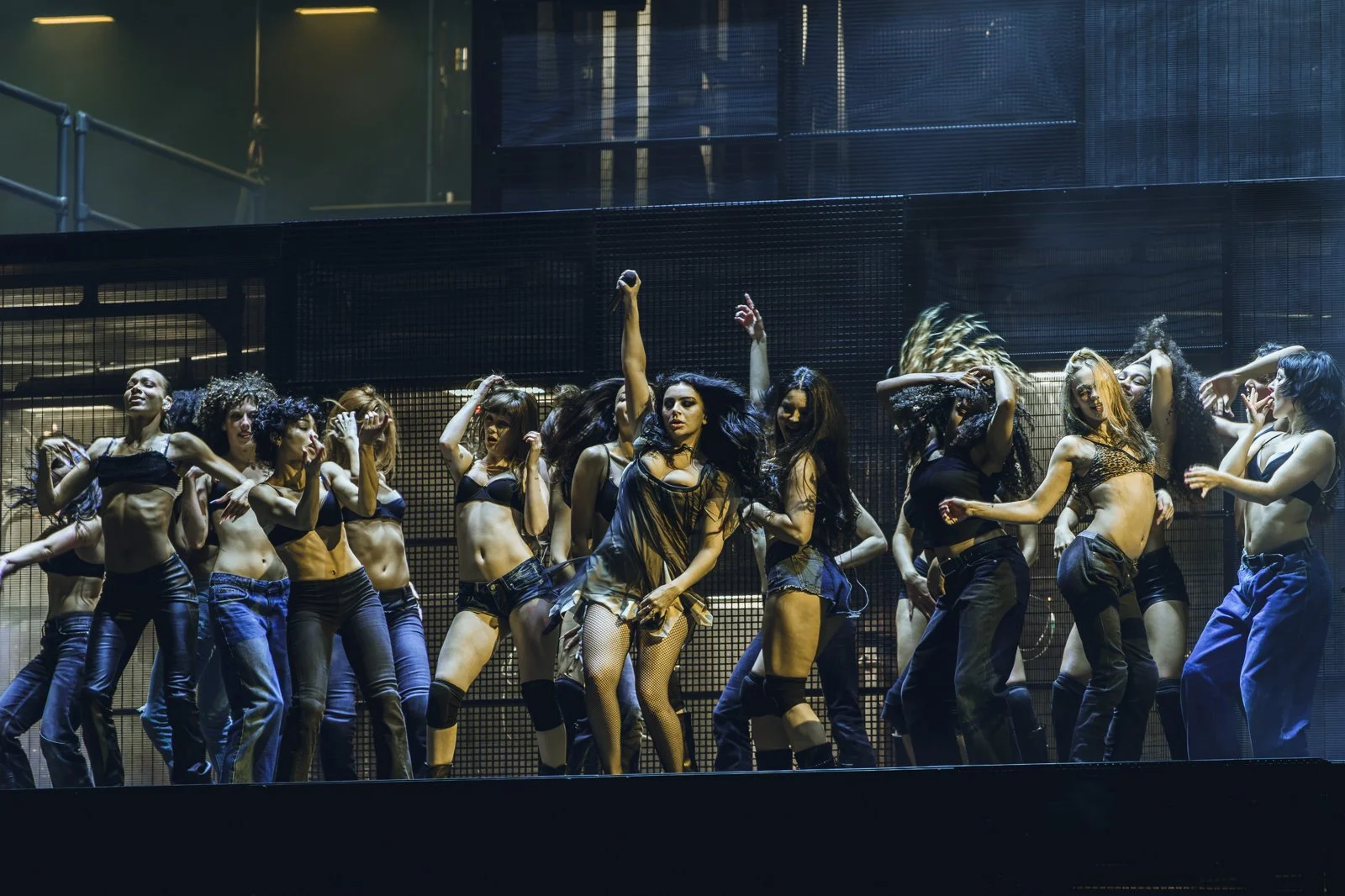
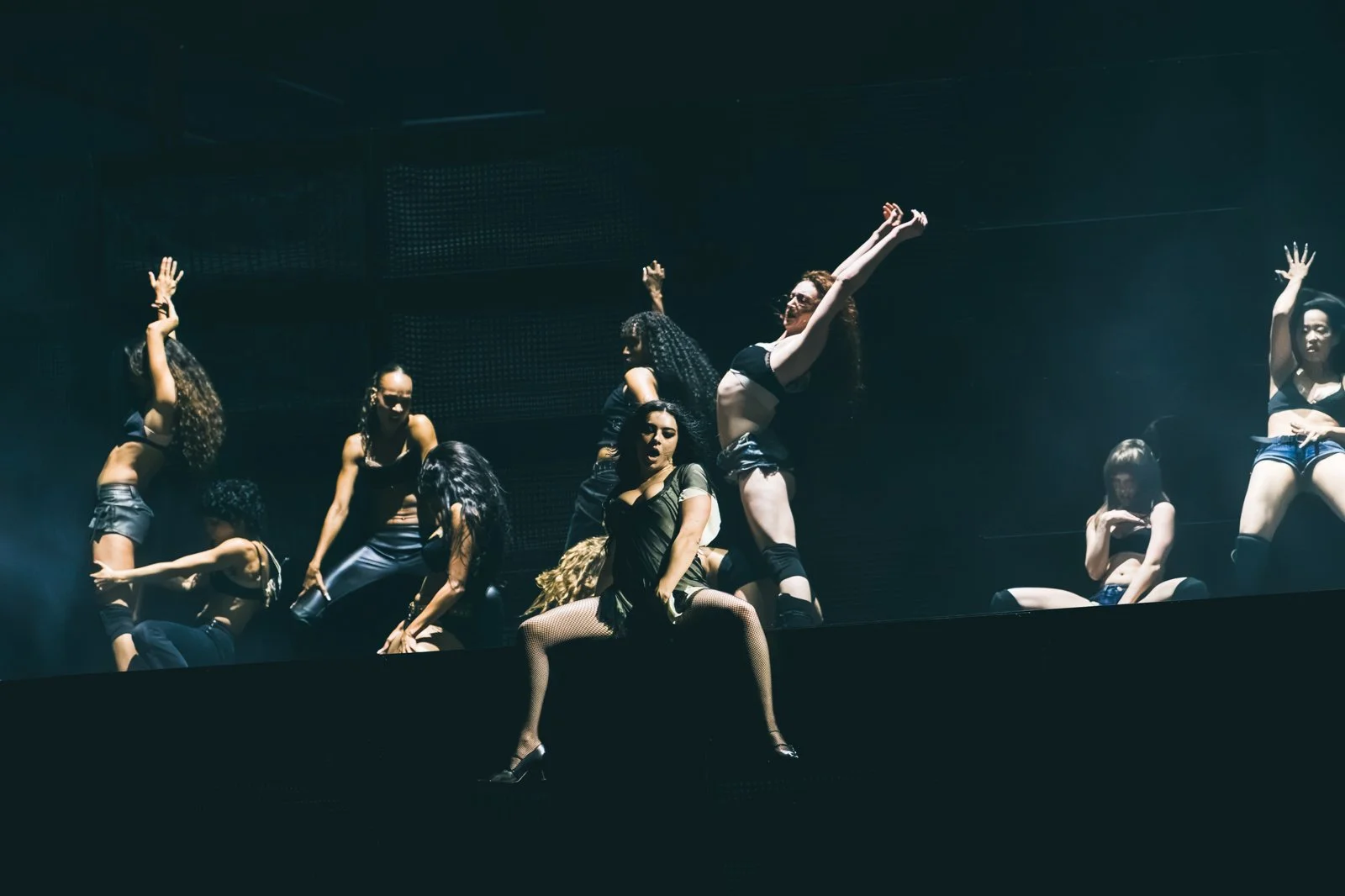
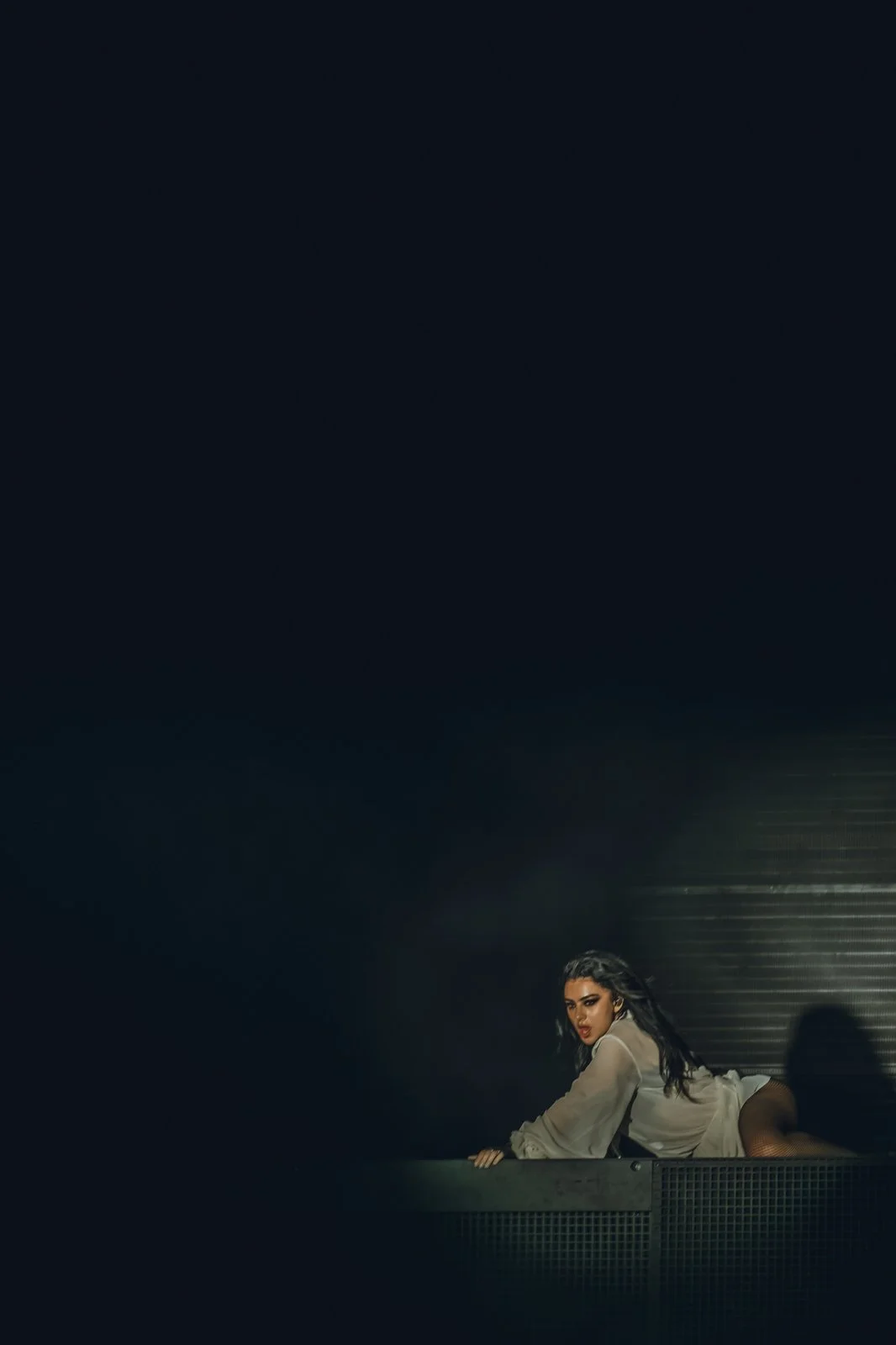
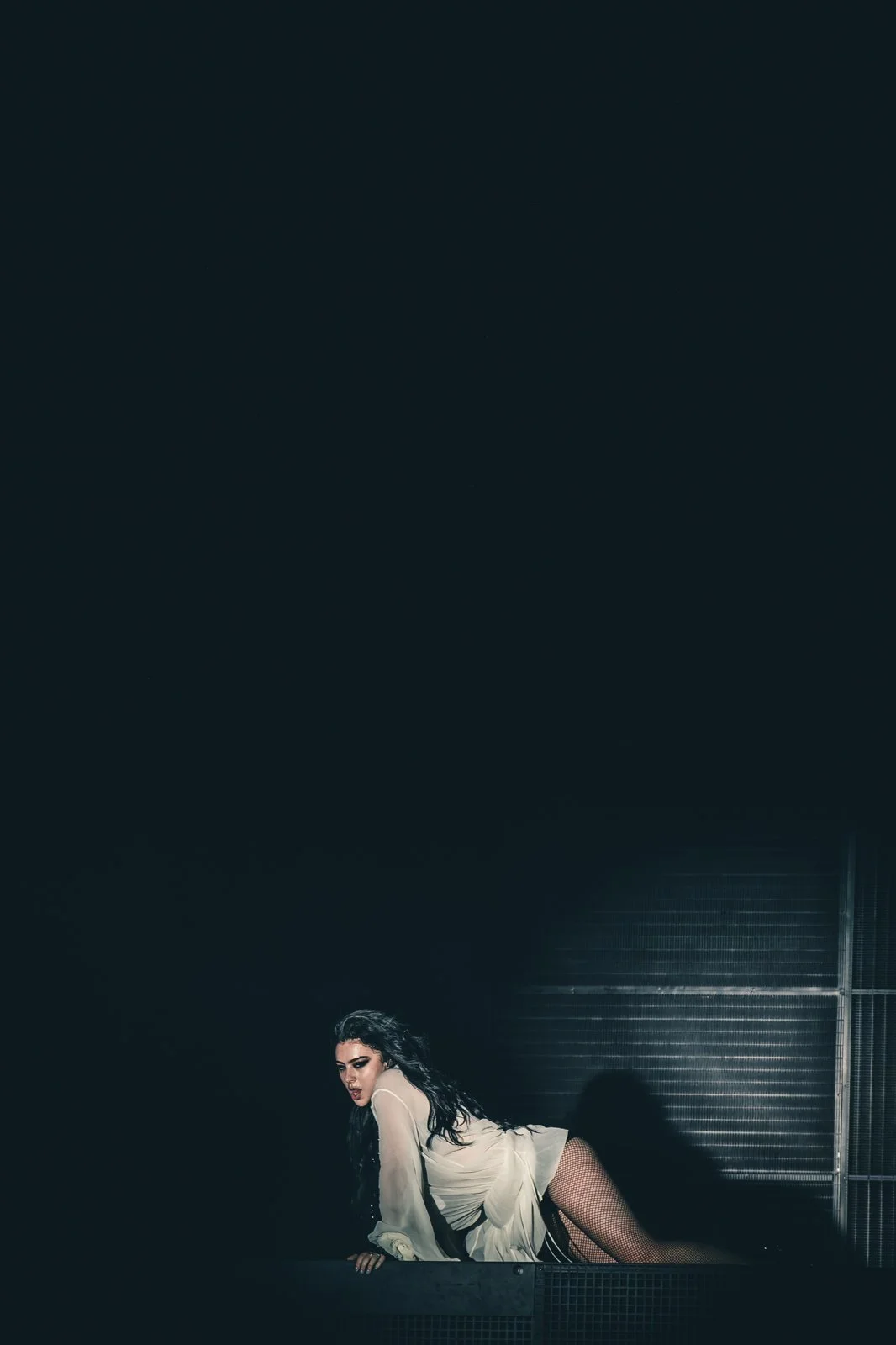
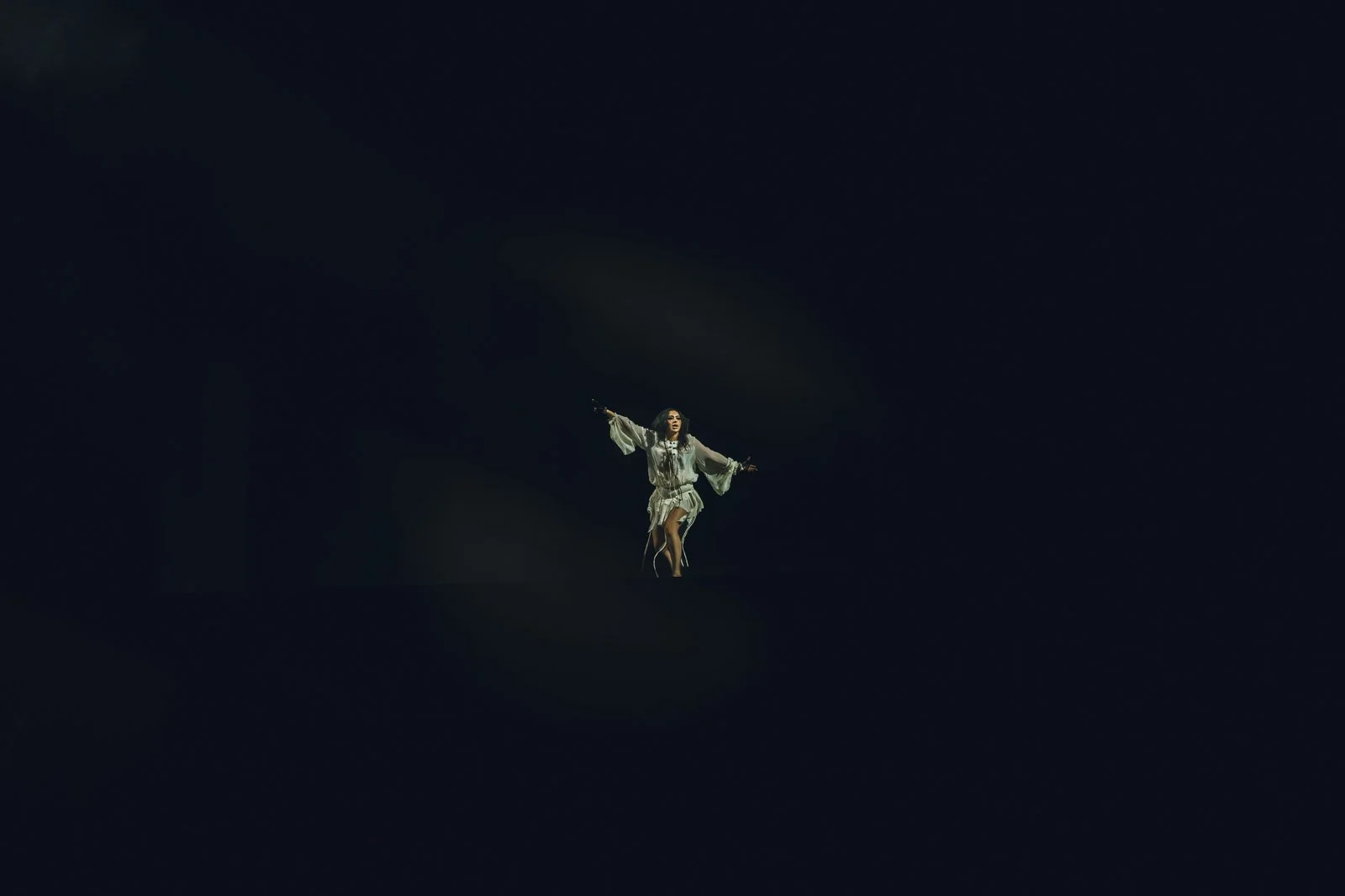
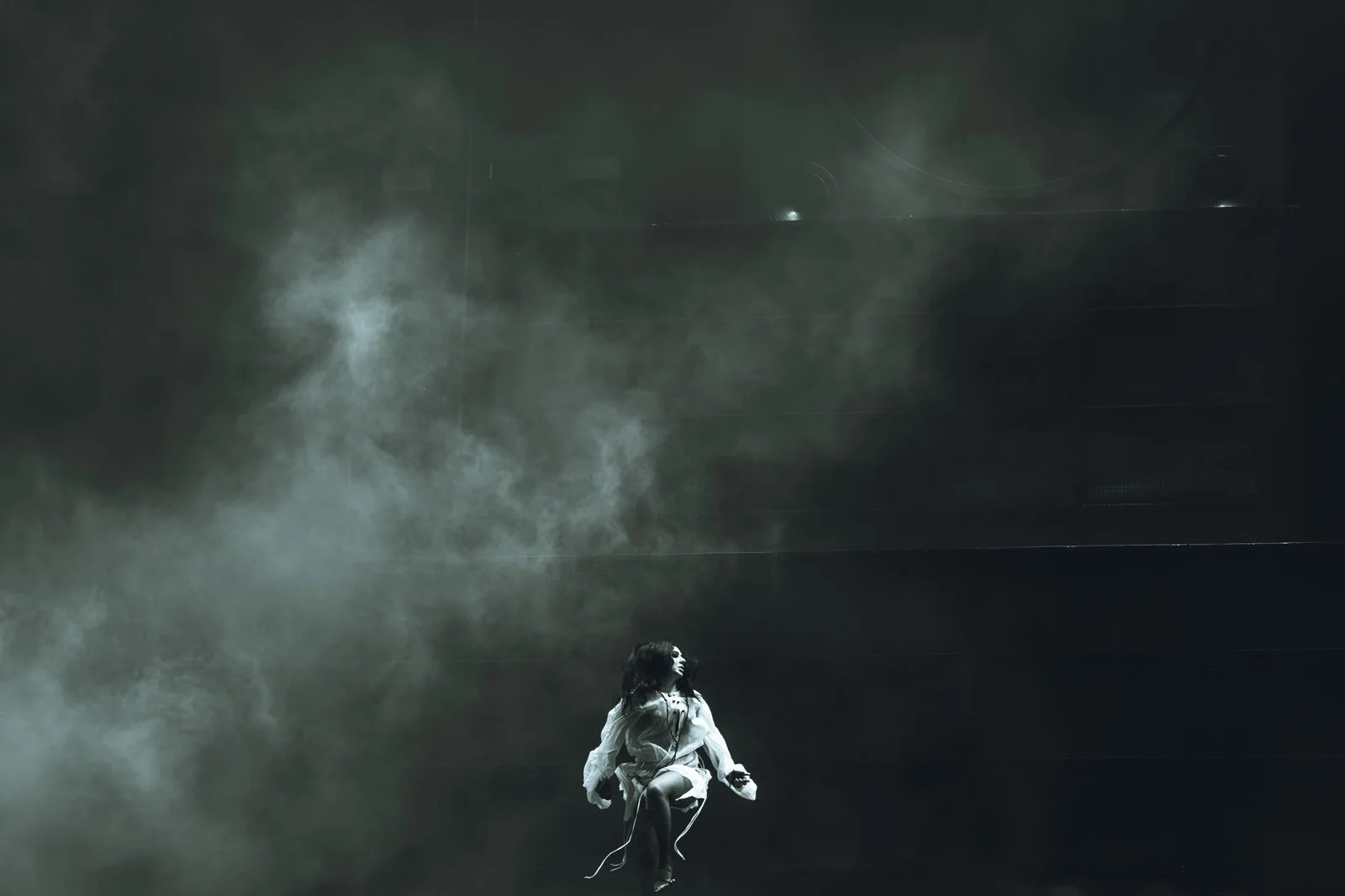
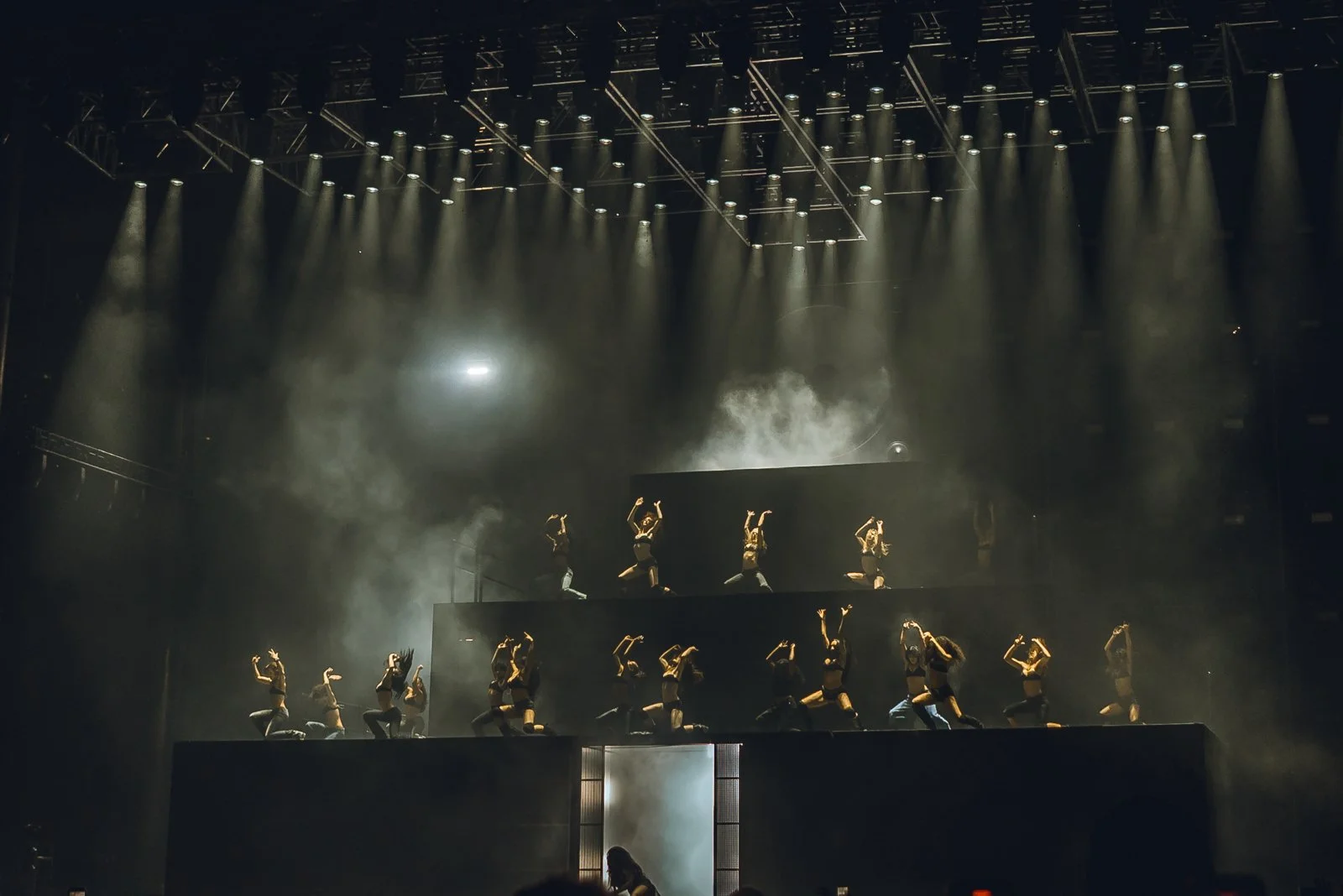
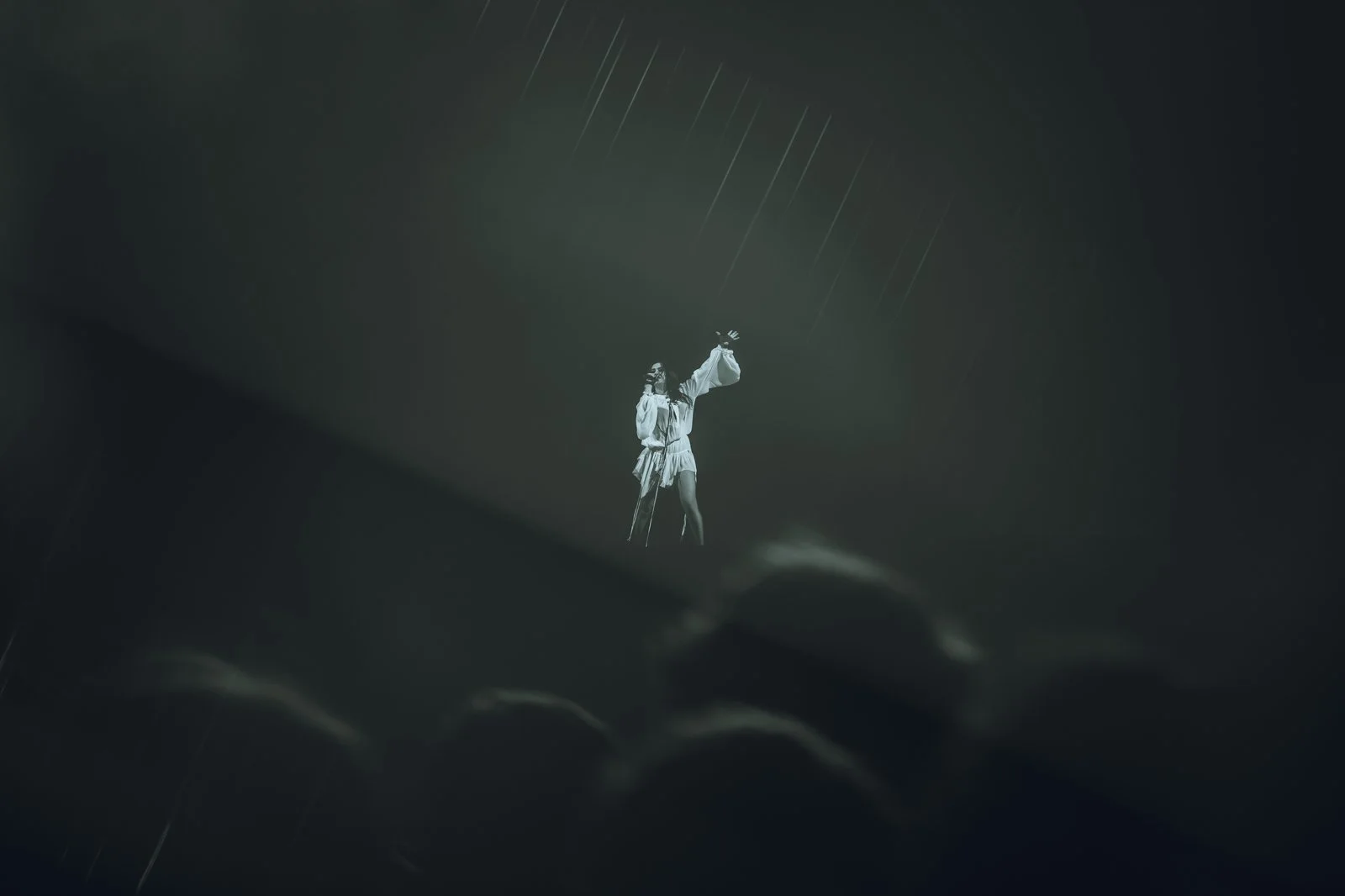
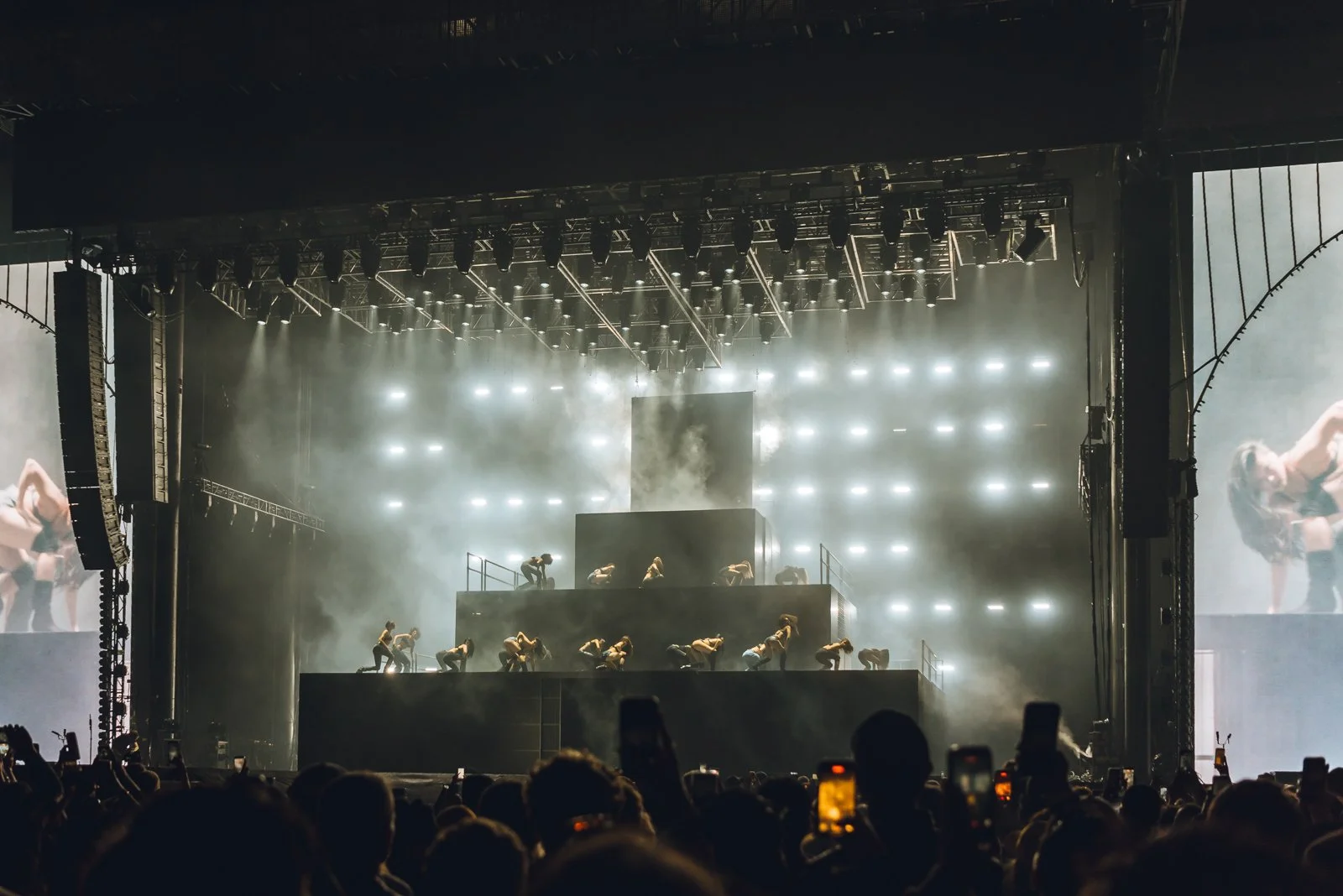
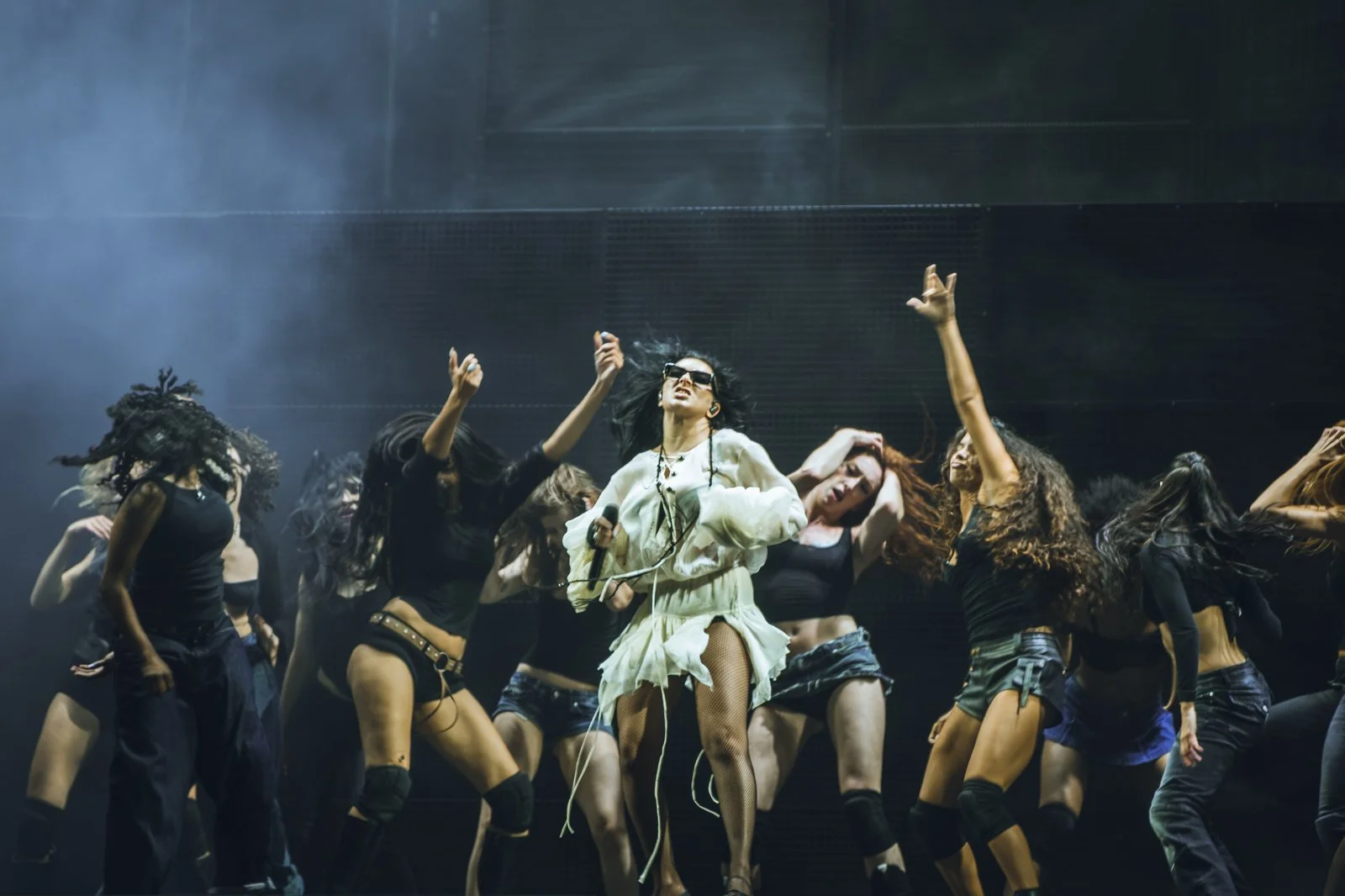
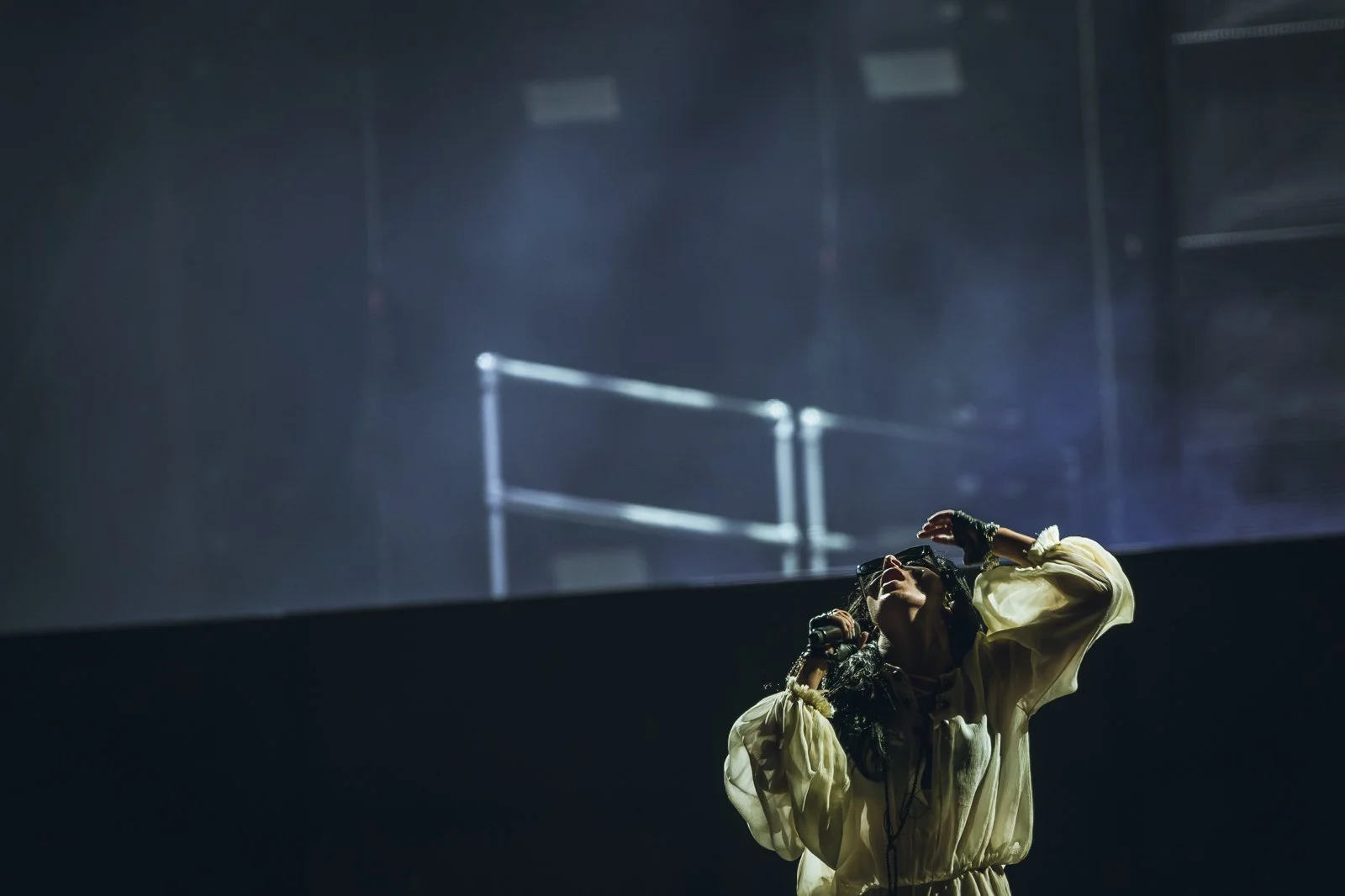
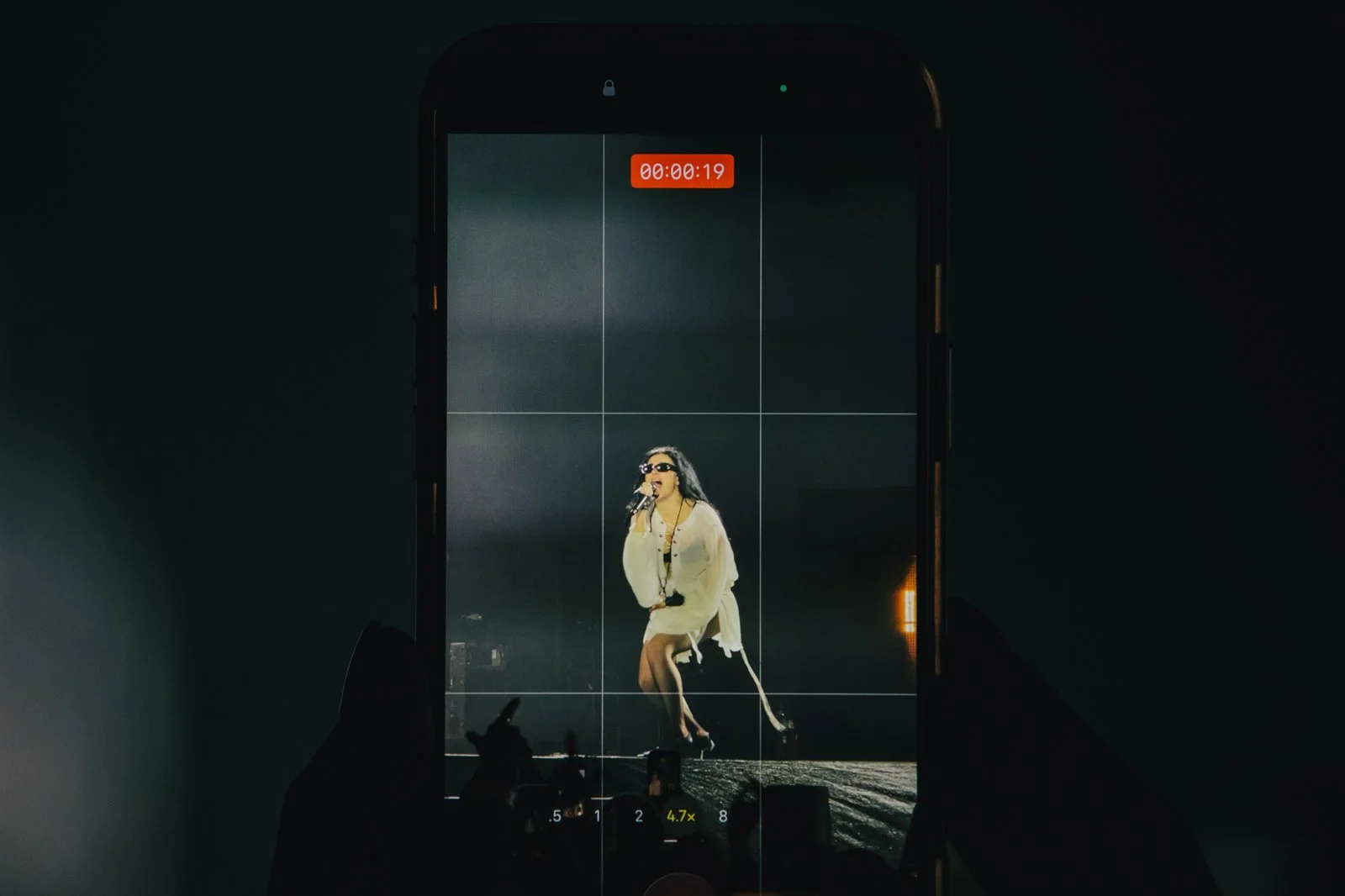
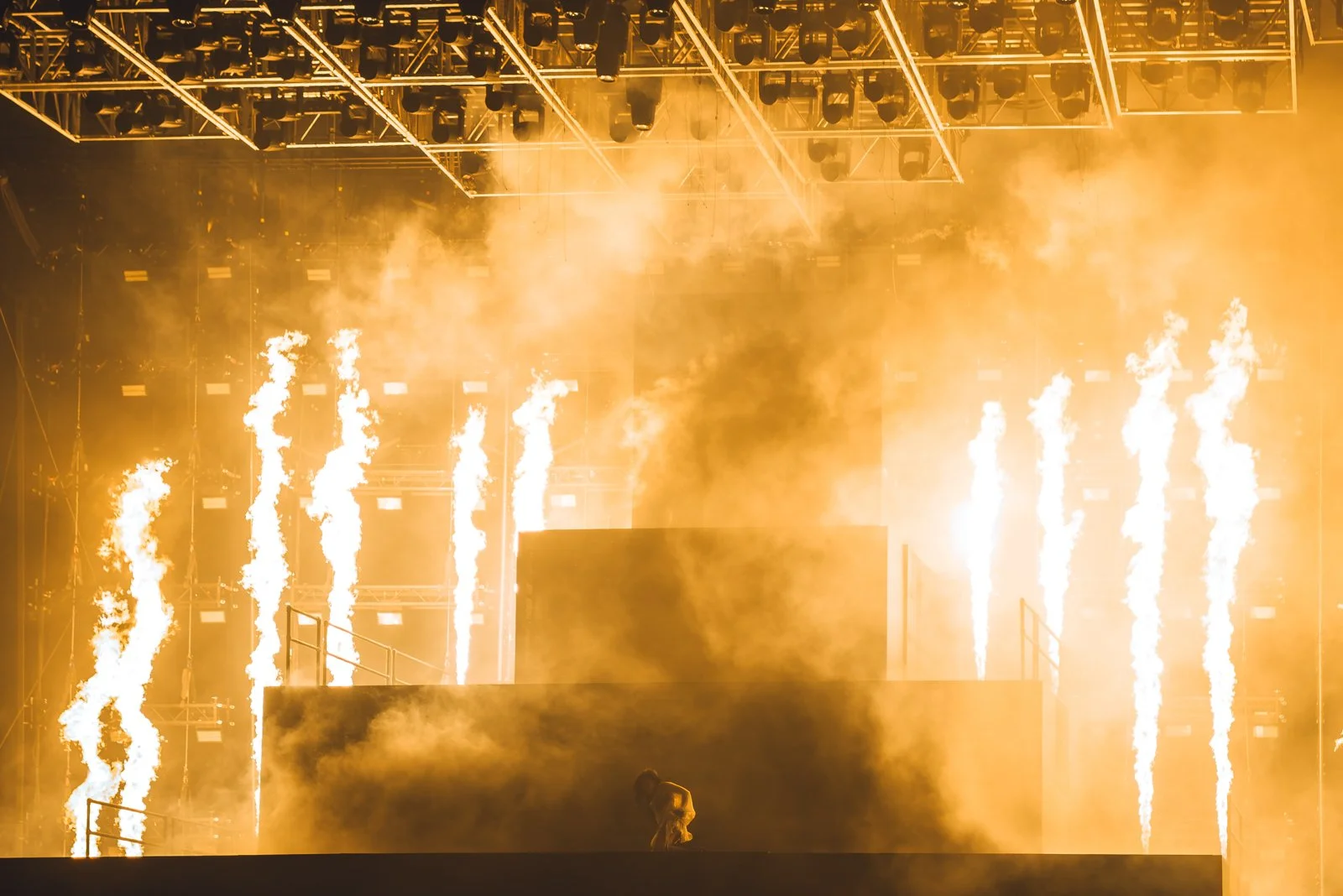
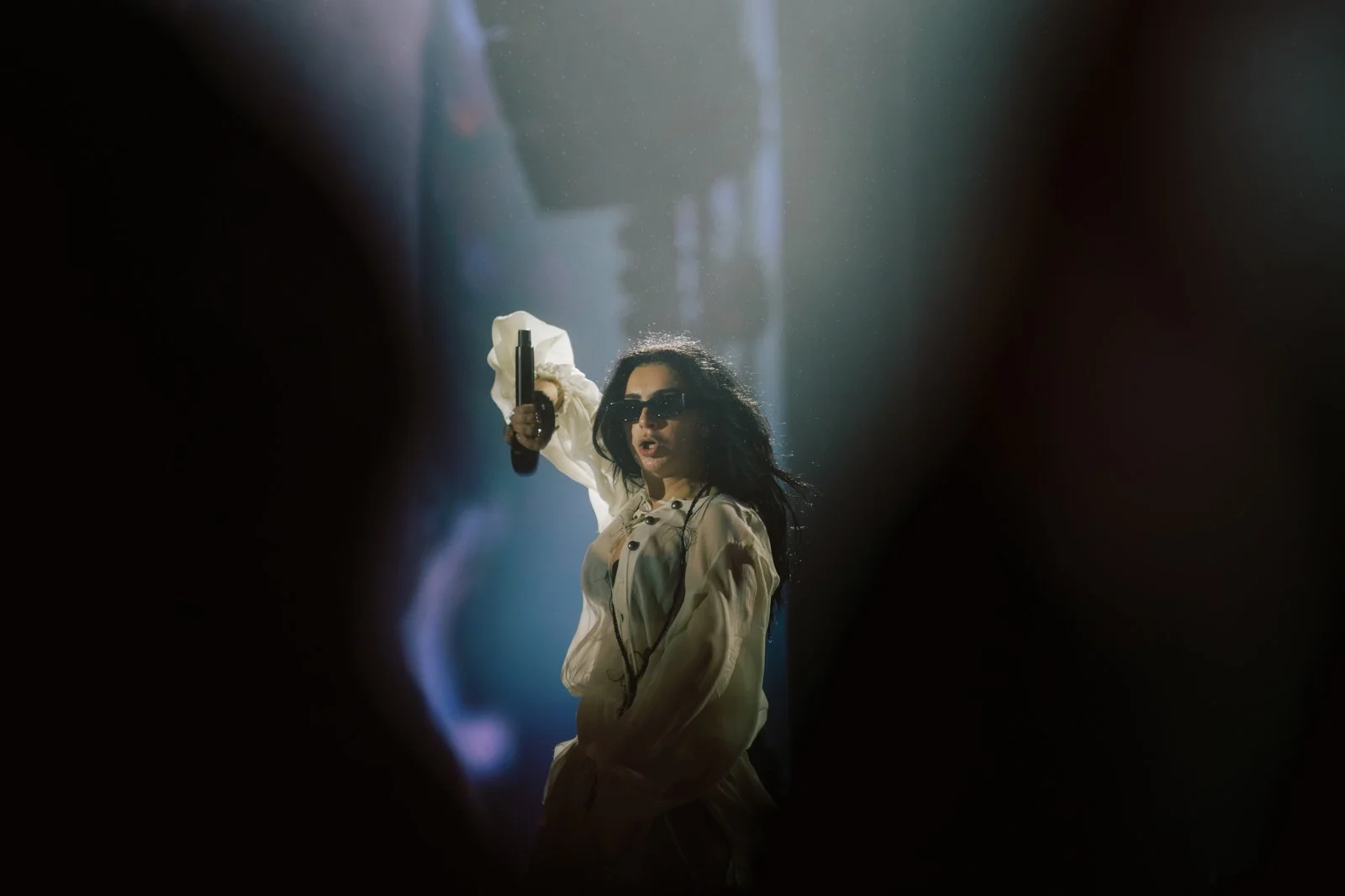
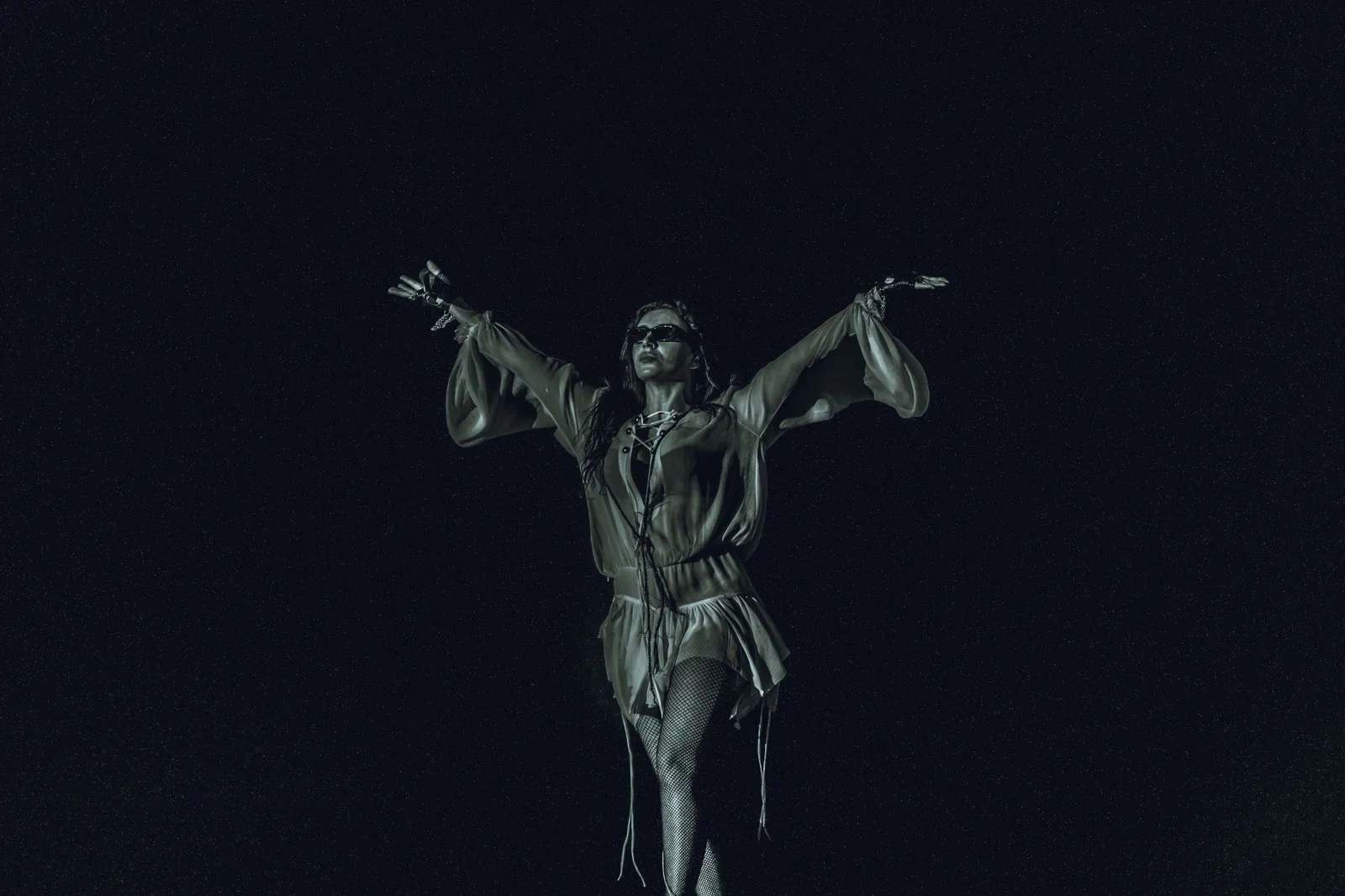
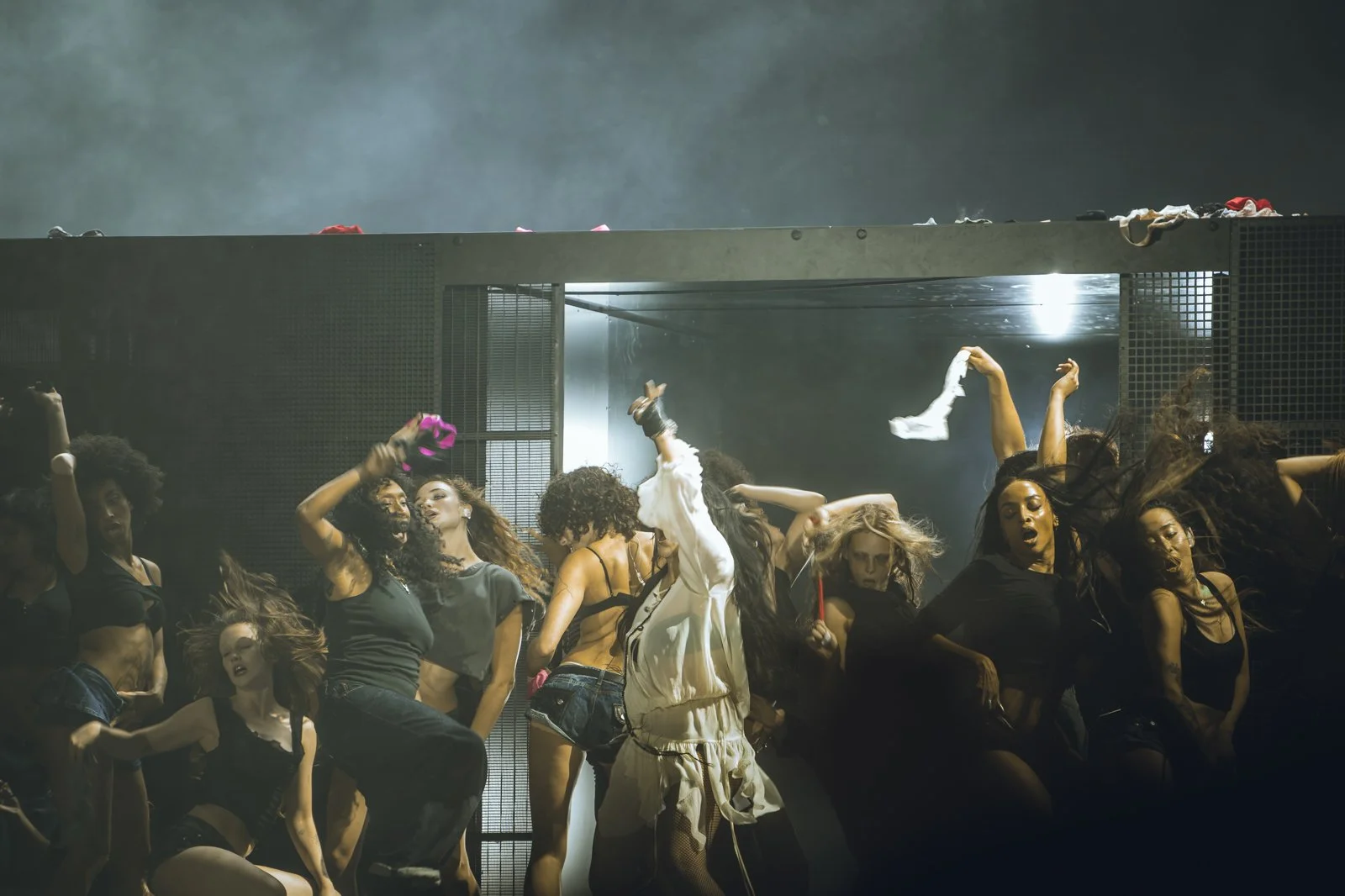
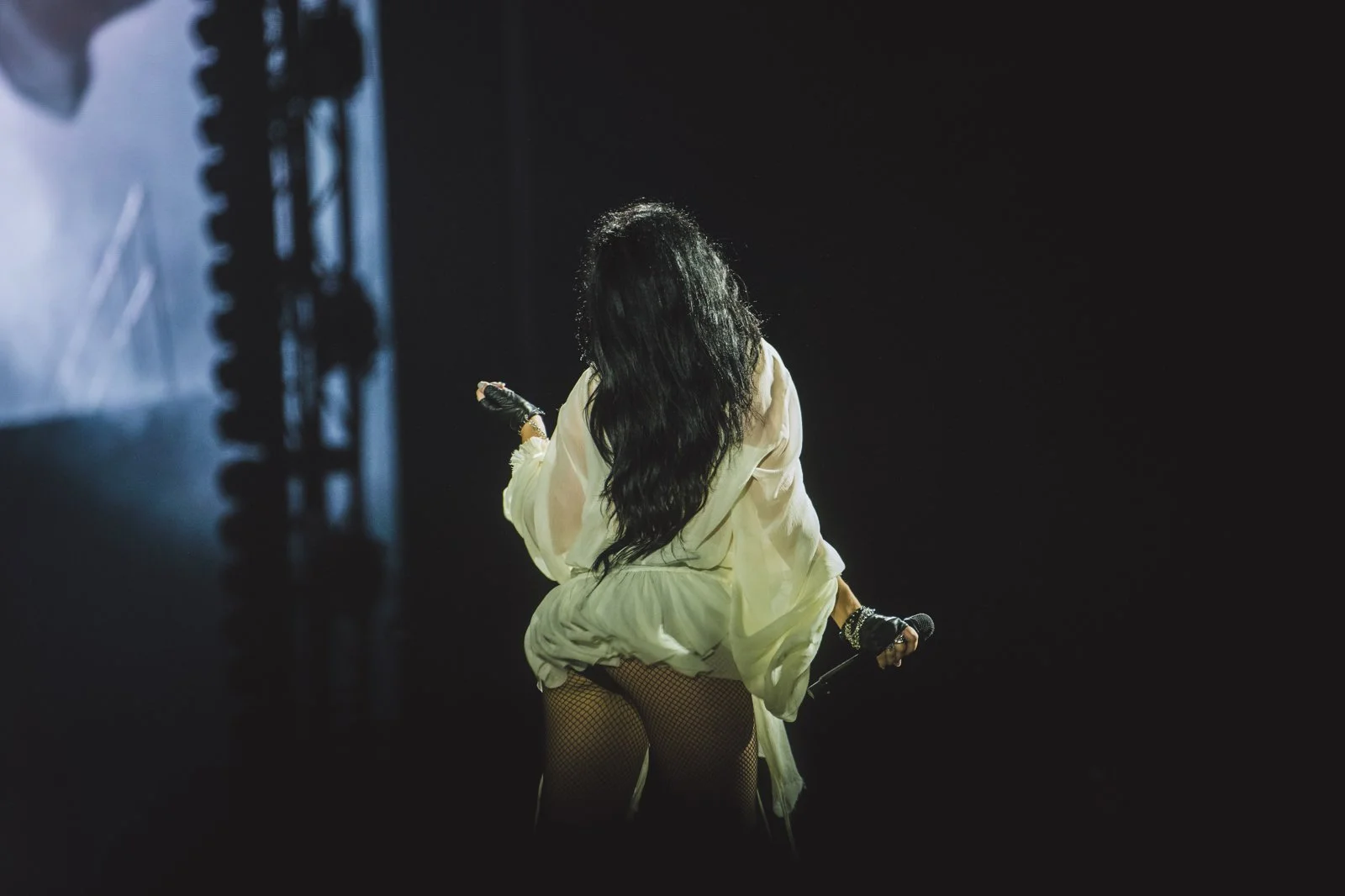
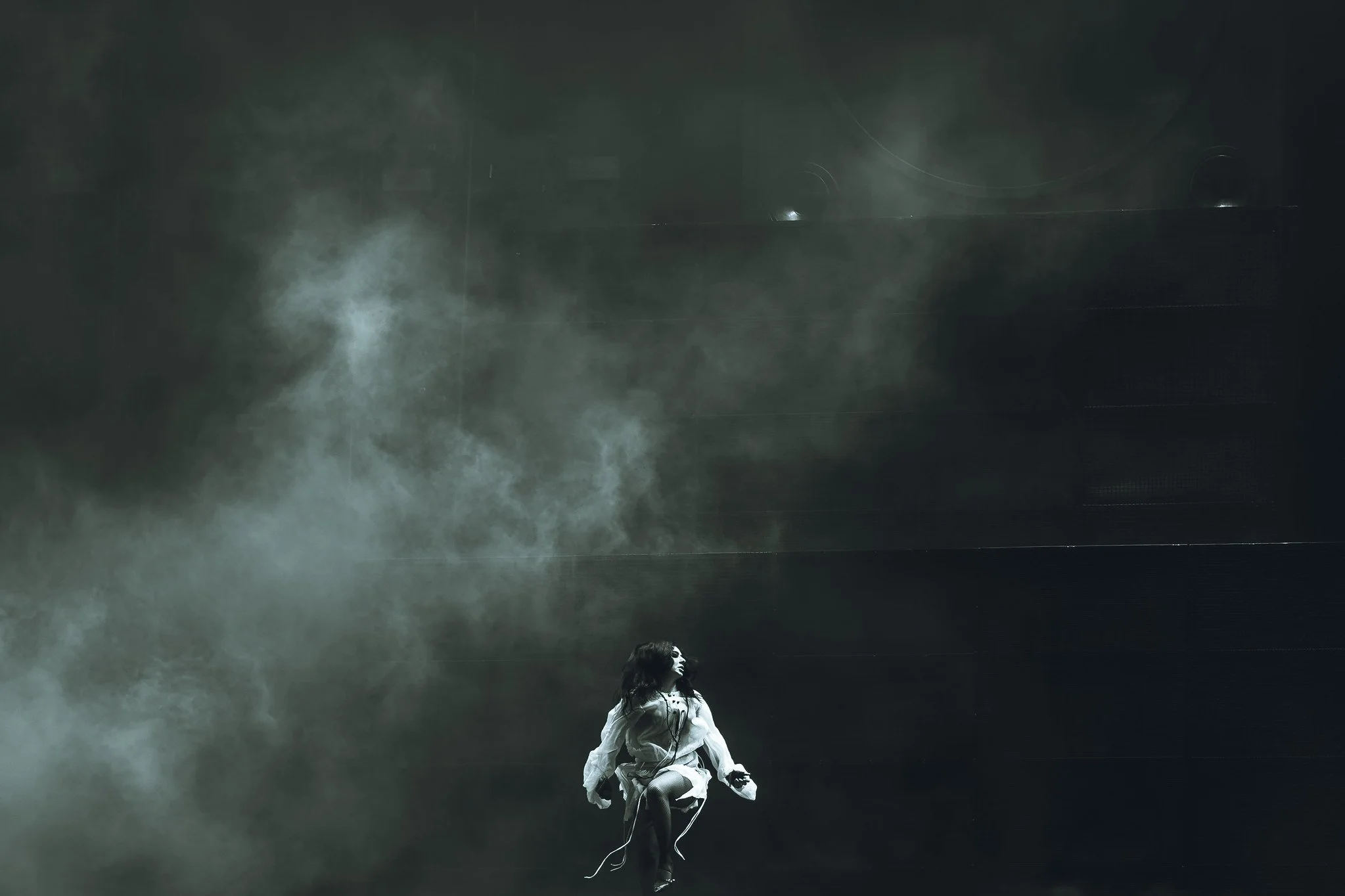
On stage, that impulse has a physical vocabulary. It's the strut down the catwalk during "Card Decline," an ironic full embrace of the commodity fetishism Marx warned us about. It's the multicolored panties firing out of cannons during "Guess," inviting the audience to sweat it out in sixty-degree weather. And it's her standing motionless in a single spotlight — like a widower who built a machine to watch a lover decompose — while Cronenberg's death-rattled voice repeats that “They are dead. They are gone. No one lasts forever.”
II. Catch These Fists (Die Spitz, Wet Leg, Ethel Cain)
As a signifier, "Rock & Roll" has been diluted to the point of uselessness. Case in point: every year the Rock & Roll Hall of Fame announces a new class, and every year the same subreddits wax and wane over whether musicians who don't hold a guitar, have a beard, or qualify as octogenarians should be allowed into the hallowed halls. Janet Jackson, Madonna, Grandmaster Flash — all lambasted for an alleged lack of the spirit required to be lauded by Cleveland's most famous building. A building advertised as a temple of rebellion, whose architect gave them a smaller version of the pyramid he'd built at a considerably more famous site in Paris. An apt emblem of the shallowness some at the Hall keep arguing for.
But investigate that spirit more precisely and it isn’t a type of sound. Rather, it’s more an attitude, a posture — a willingness to be subversive when it’s more convenient not to be. Early on, these acts of rebellion were intrinsic in the action itself. Hendrix burning his strat at Monterey Pop. GG Allin literally eating his own shit because why not? Subversion for the sake of it. Over time, that spirit of subversion found more of a use. Sinéad O’Connor tearing up a photograph of the Pope on SNL to protest the largest child abuse cover-up in modern history. Fugazi refusing to charge more than five dollars a show because their music was for the masses. Pearl Jam boycotting Ticketmaster and playing in a polo field in Indio. The posture remained the same, but it was now aimed at something deeper.

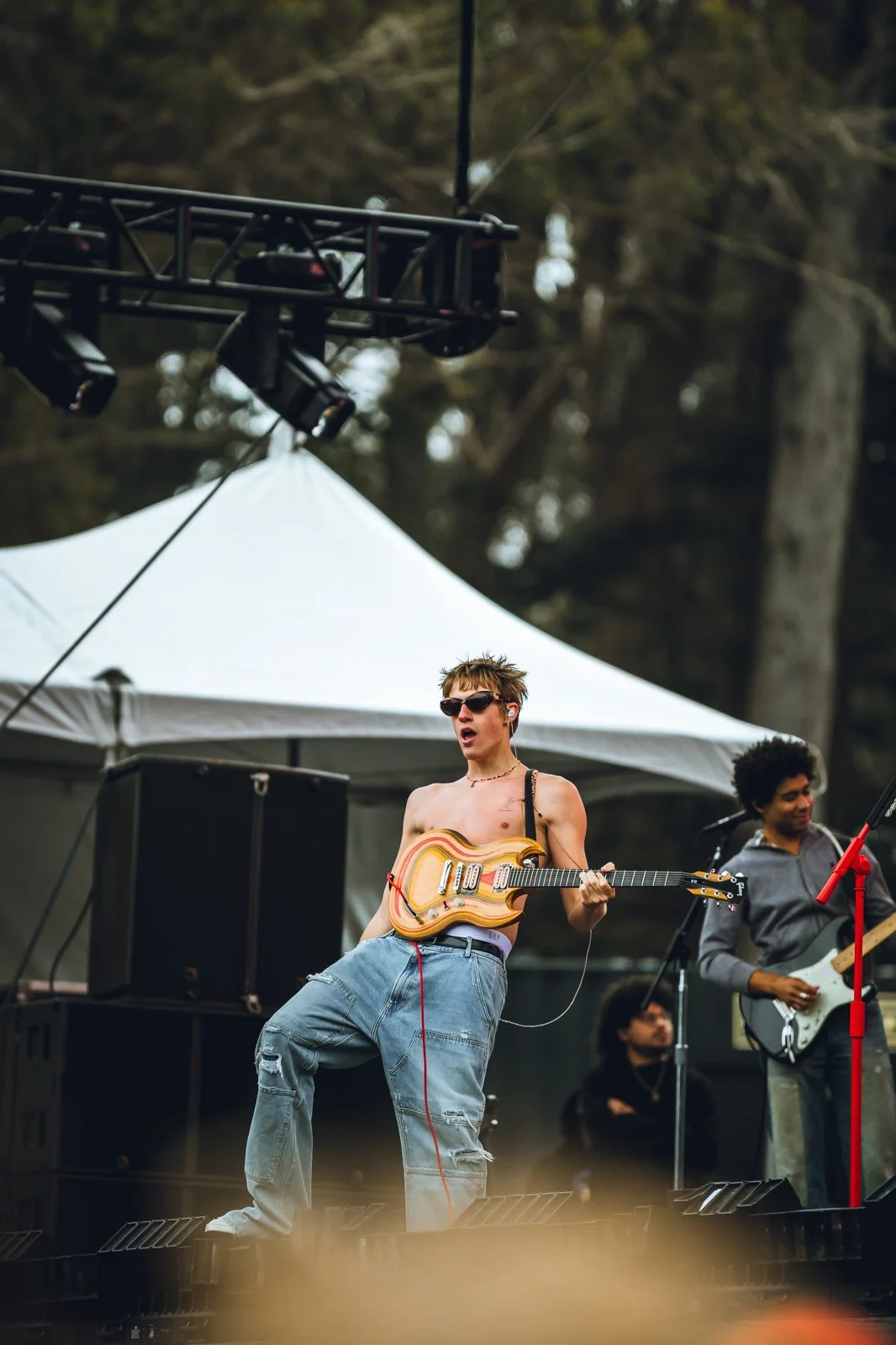
So it comes with a great delight to watch the recent resurgence of a genre once defined by male ego, chauvinism, and aggression get represented in ways that were treated more like anomalies in the past. The last five years have indicated a revitalized interest in “guitar music” — not just with The Strokes headlining, but the two heirs apparent filling the shallow bowl of the Sutro stage. Geese, who sound like the inebriated ghost of Leonard Cohen filtered through art school Brooklynites in tiny jackets. Turnstile, who capture the spirit of early Warped Tour precisely by being not quite hardcore enough for the hardcore kids and not quite pop enough for anyone else.
Both bands are worthy of such a coronation. But if the spirit in question is subversion, then the most subversive thing on the grounds happened elsewhere to less fanfare — a genre built on male ego being handed to women with no interest in inheriting it politely. Women with guitars has always had a lineage, but have been treated as exceptions (Patti Smith, Kim Gordon, Kim Deal, Sleater Kinney, and more). Each of them cited endlessly as evidence that they’ve always been included, but said citation was achieving the opposite. In other words, you name one woman so you don’t have to count the rest.
Everywhere else, women get pop, or the dance floor, or the uncredited hook that’s belted out 20 feet from the frontman. It was as if bubblegum sentimentality and a ten-minute song about a scarf were the full available range of feminine expression. Though, as the hardcore kids and art-school boys rose to their mantles, so did the women — or as Charli sings on the opener of Music, Fashion, FIlm: “the dance floor is dead, so now we’re making rock music.”
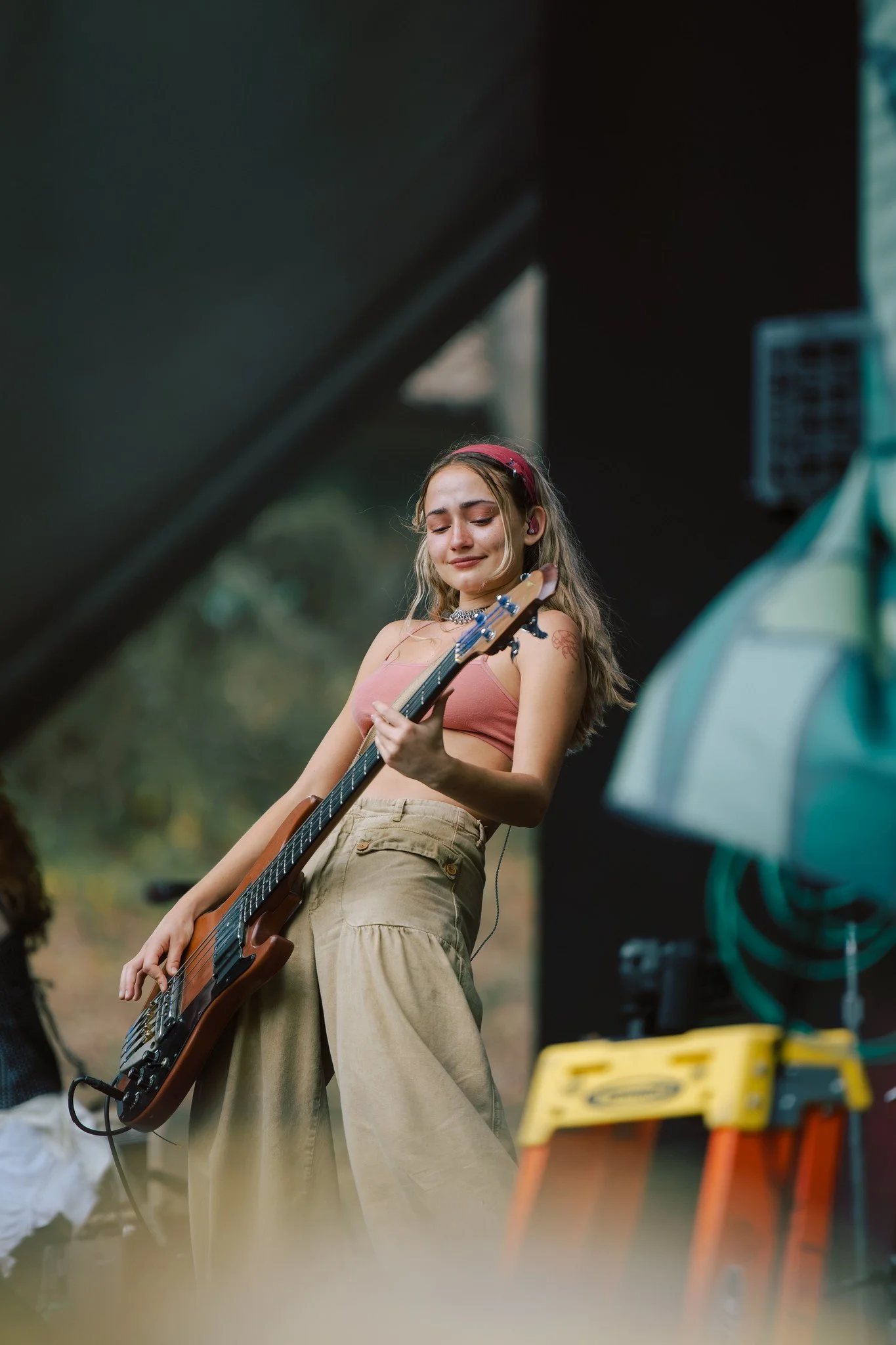
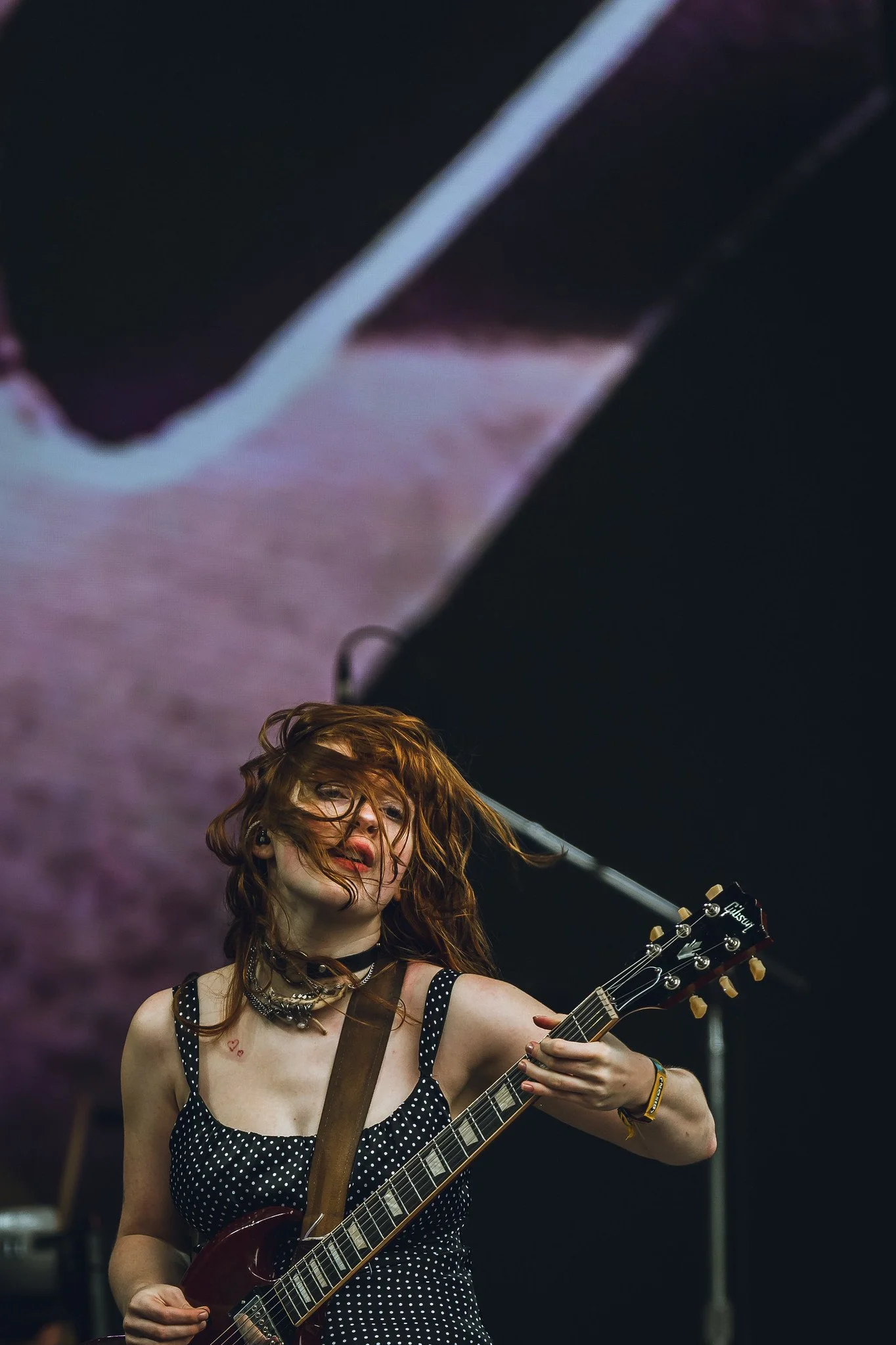
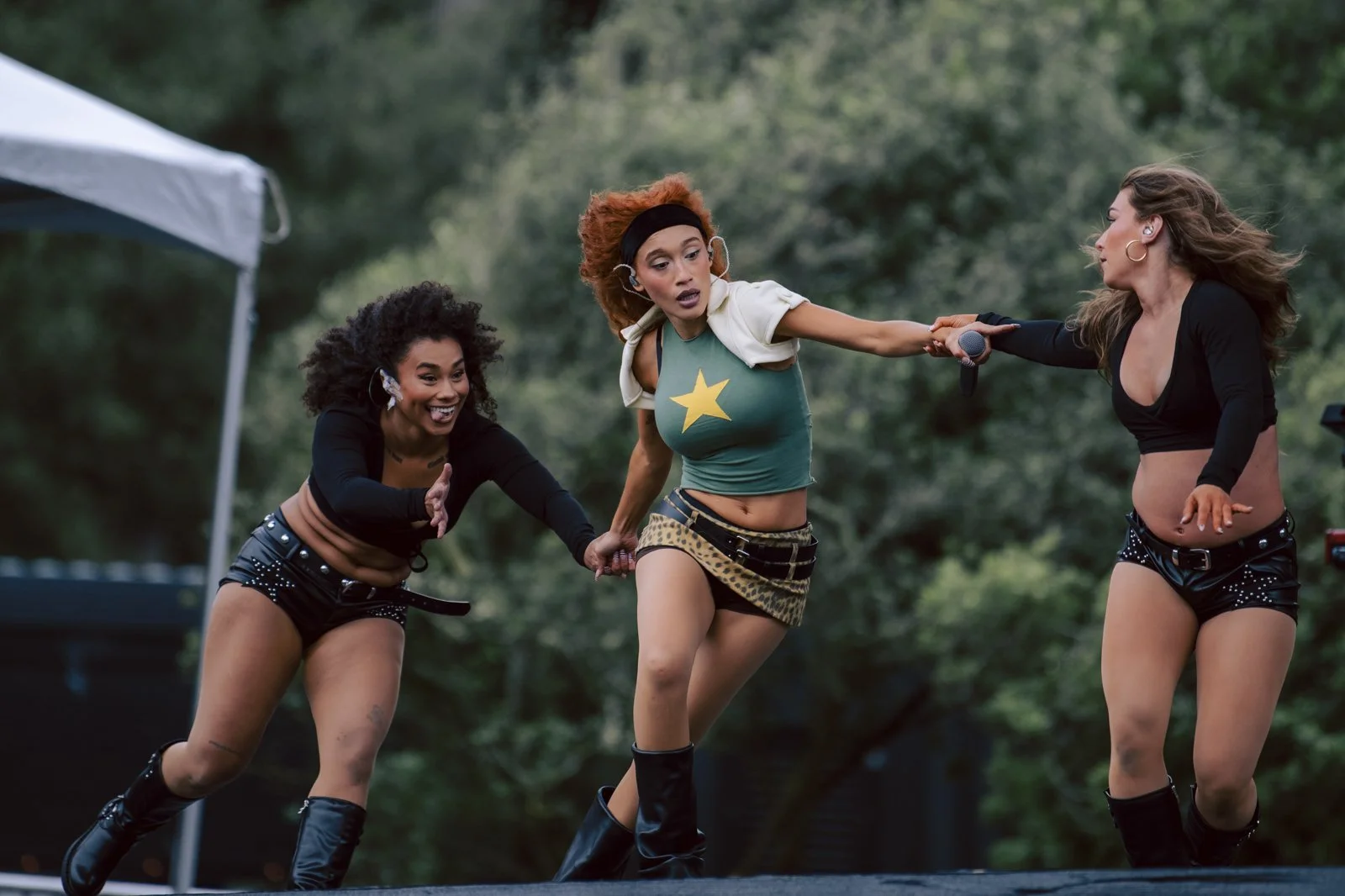
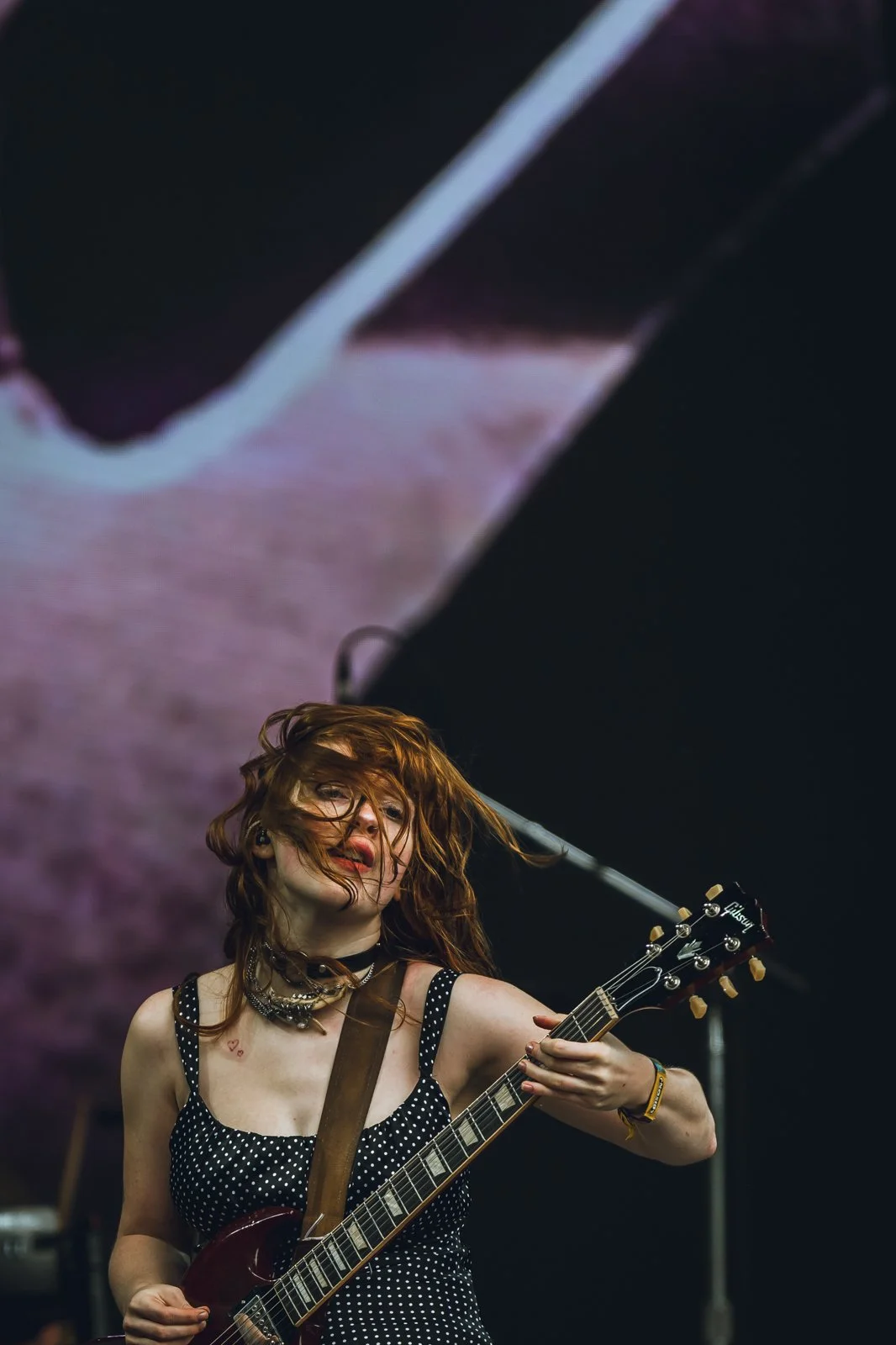
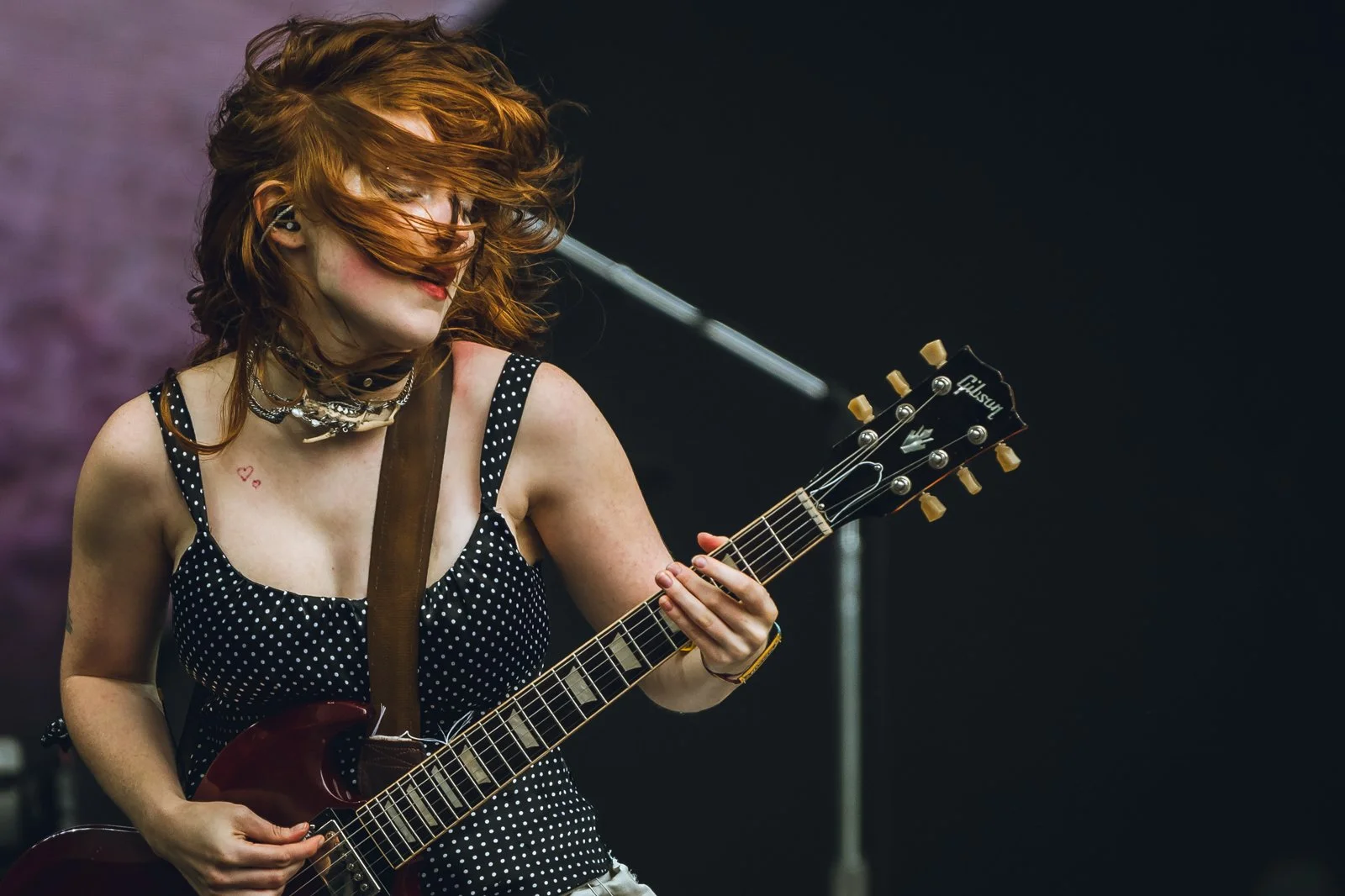
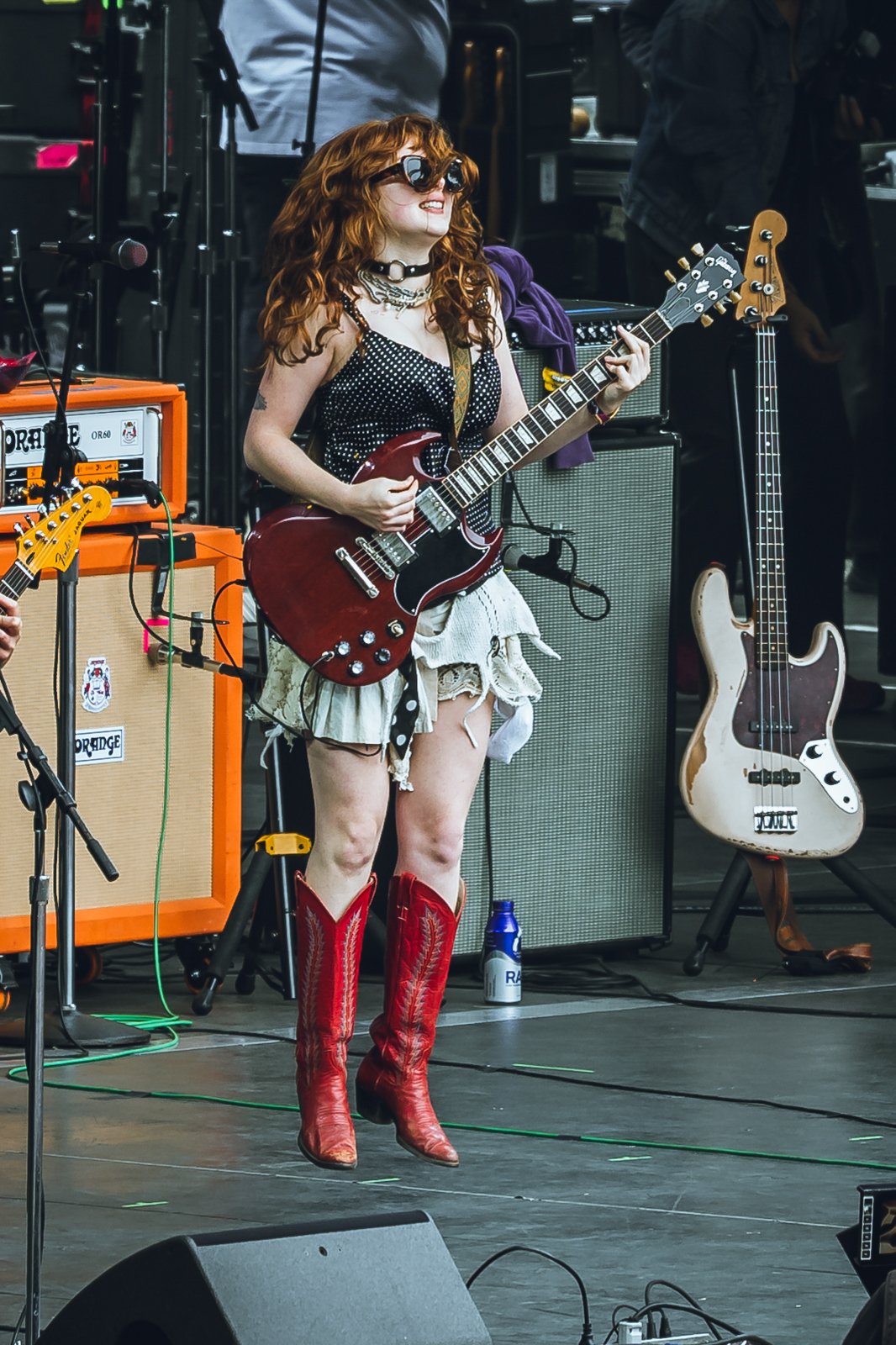
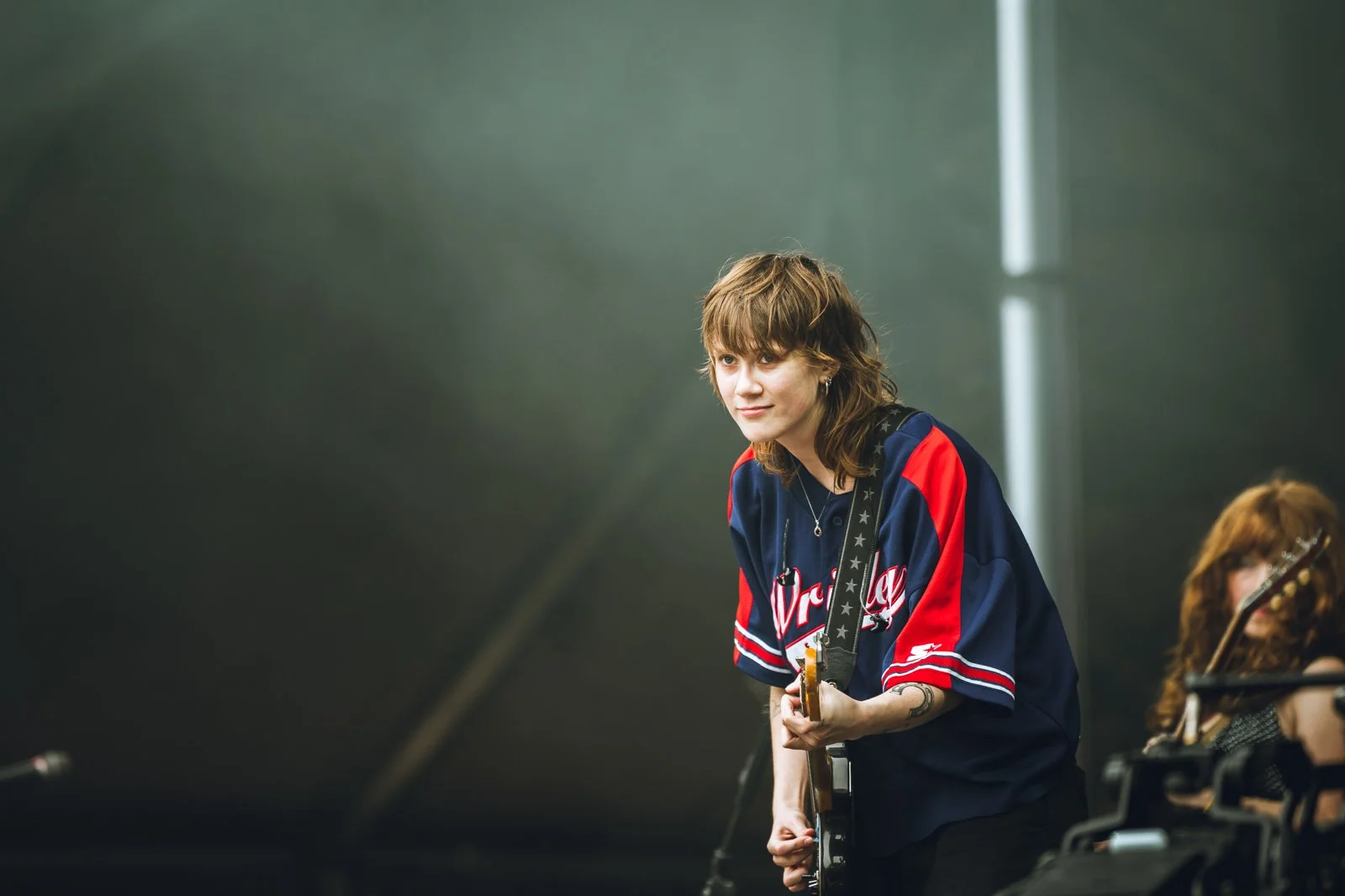
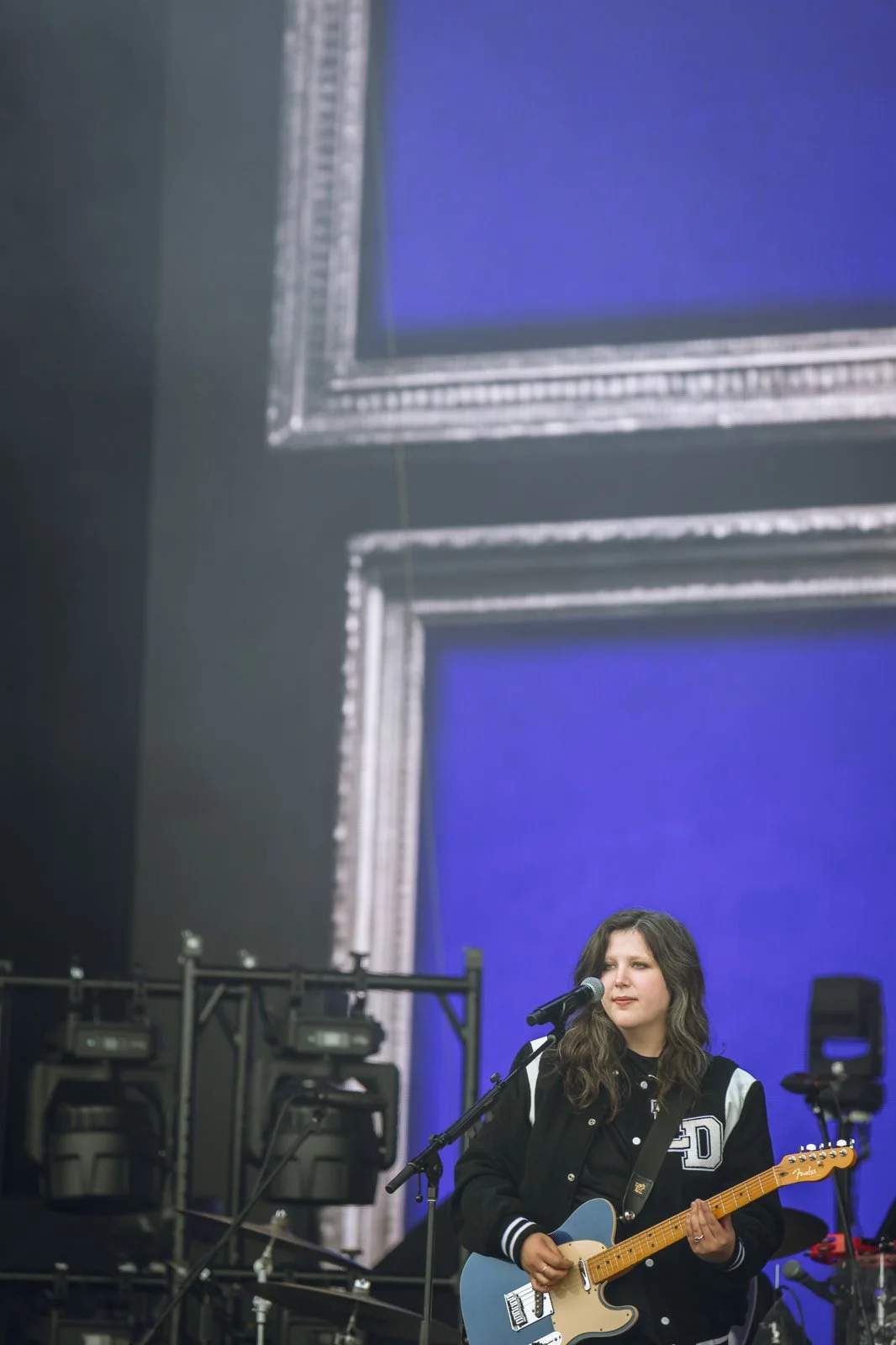
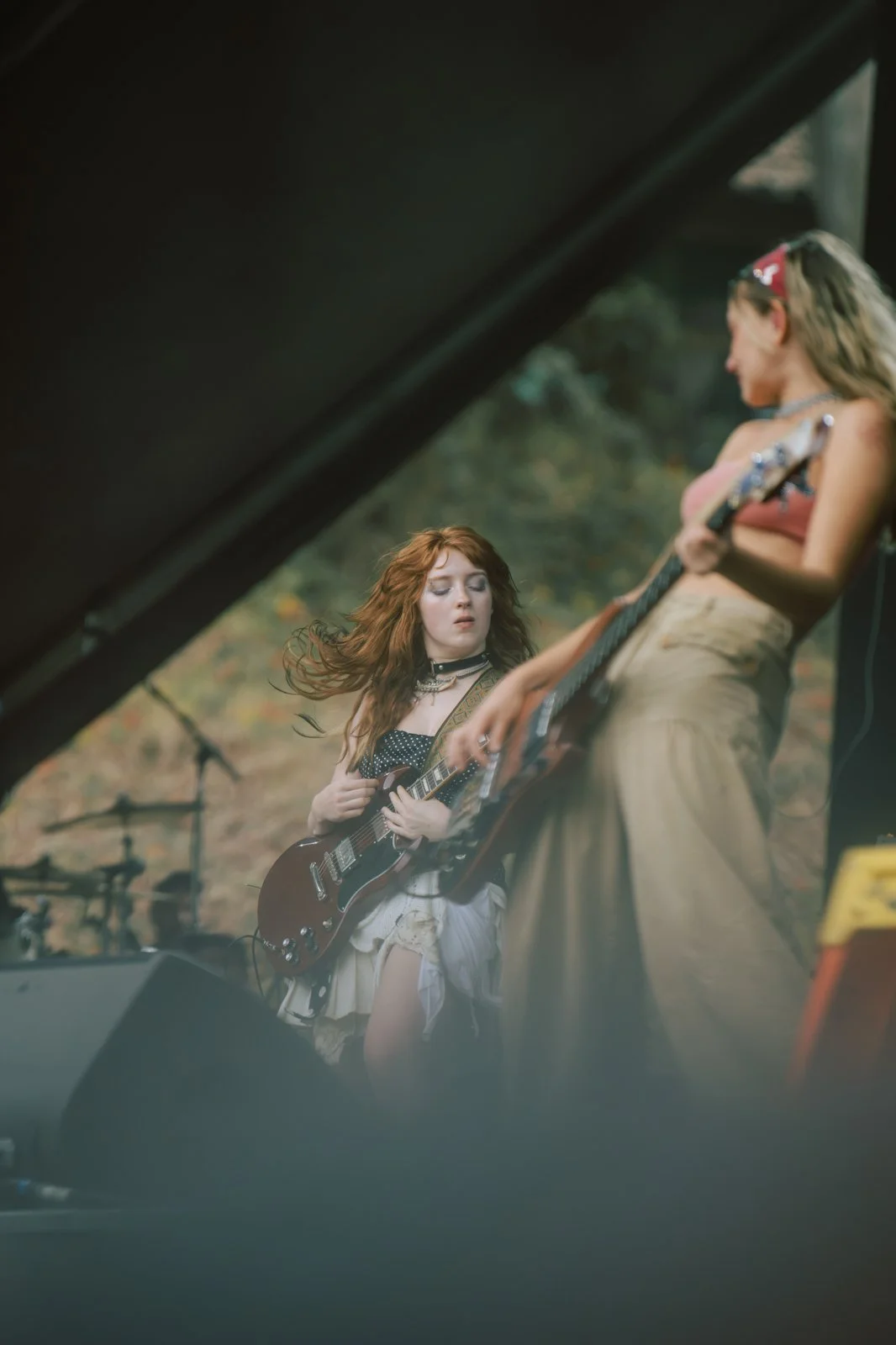
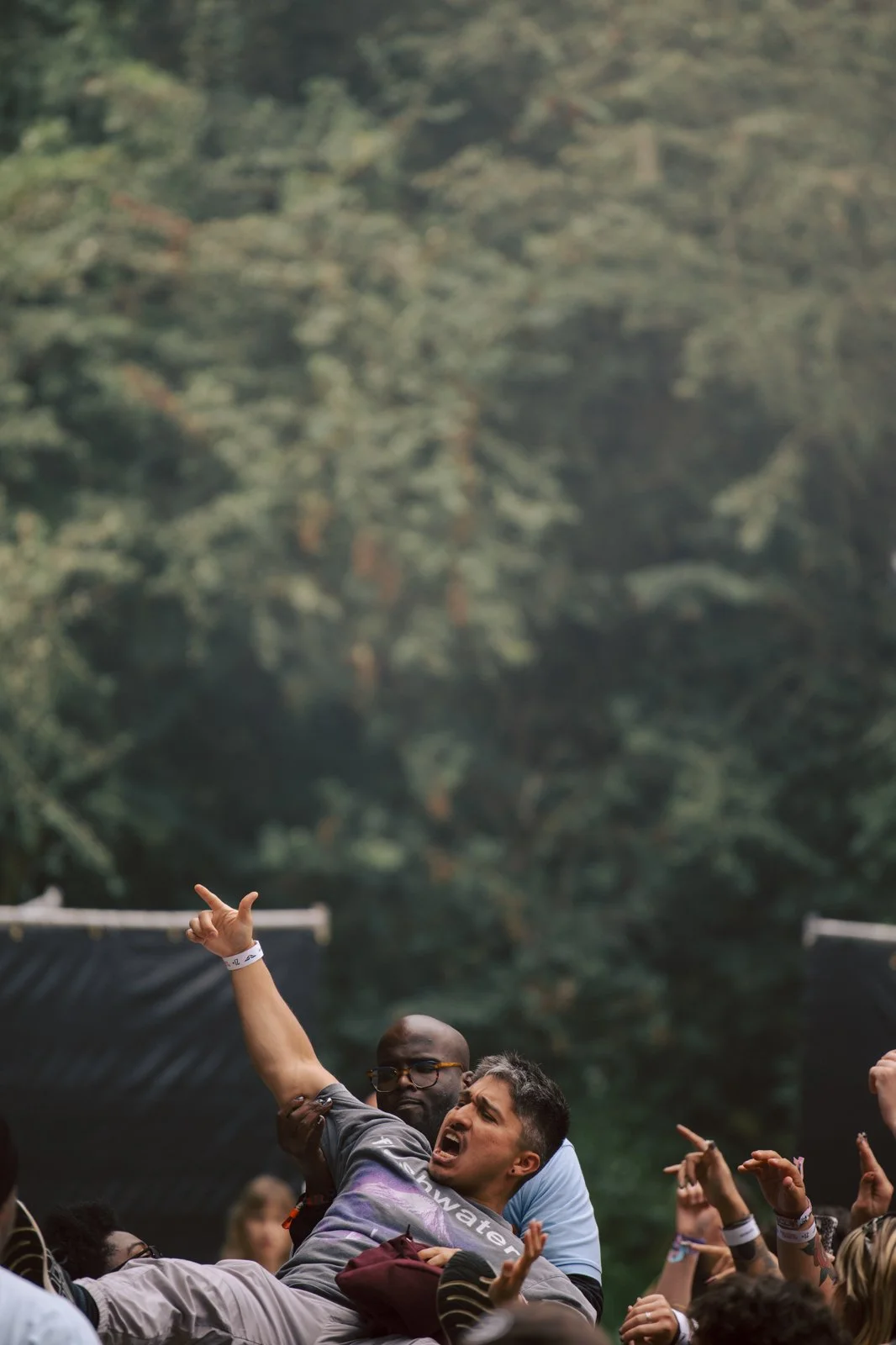
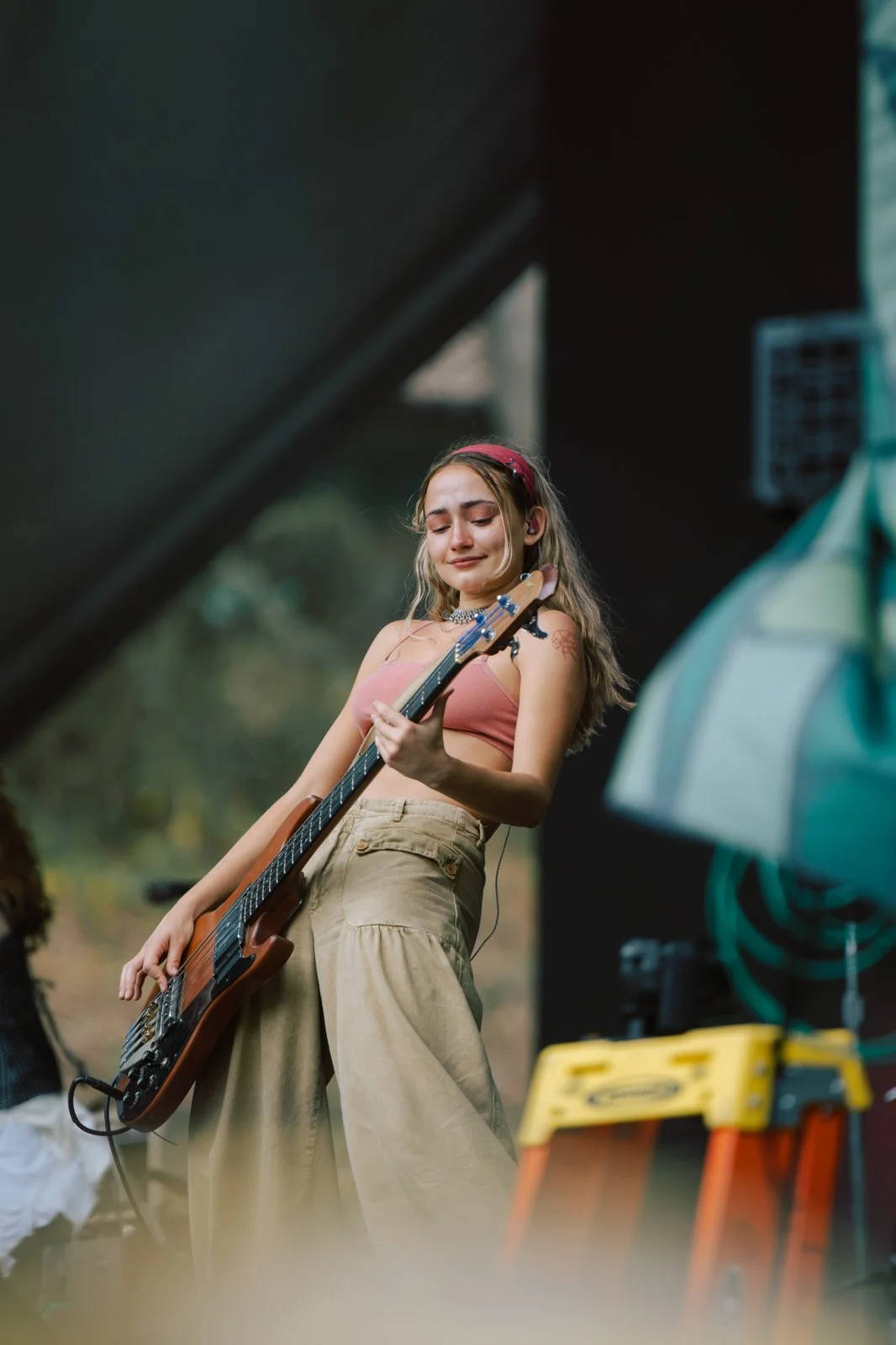
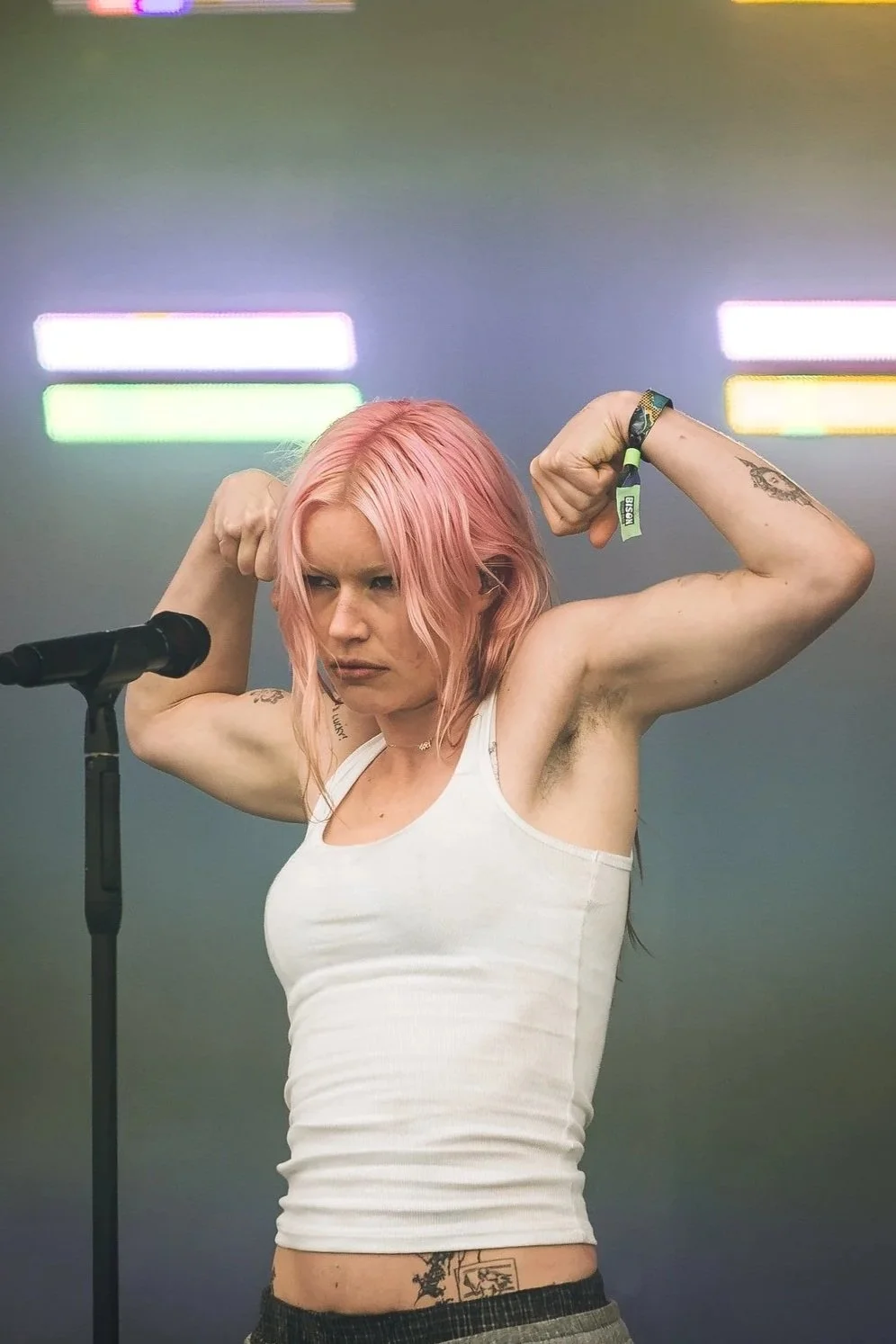
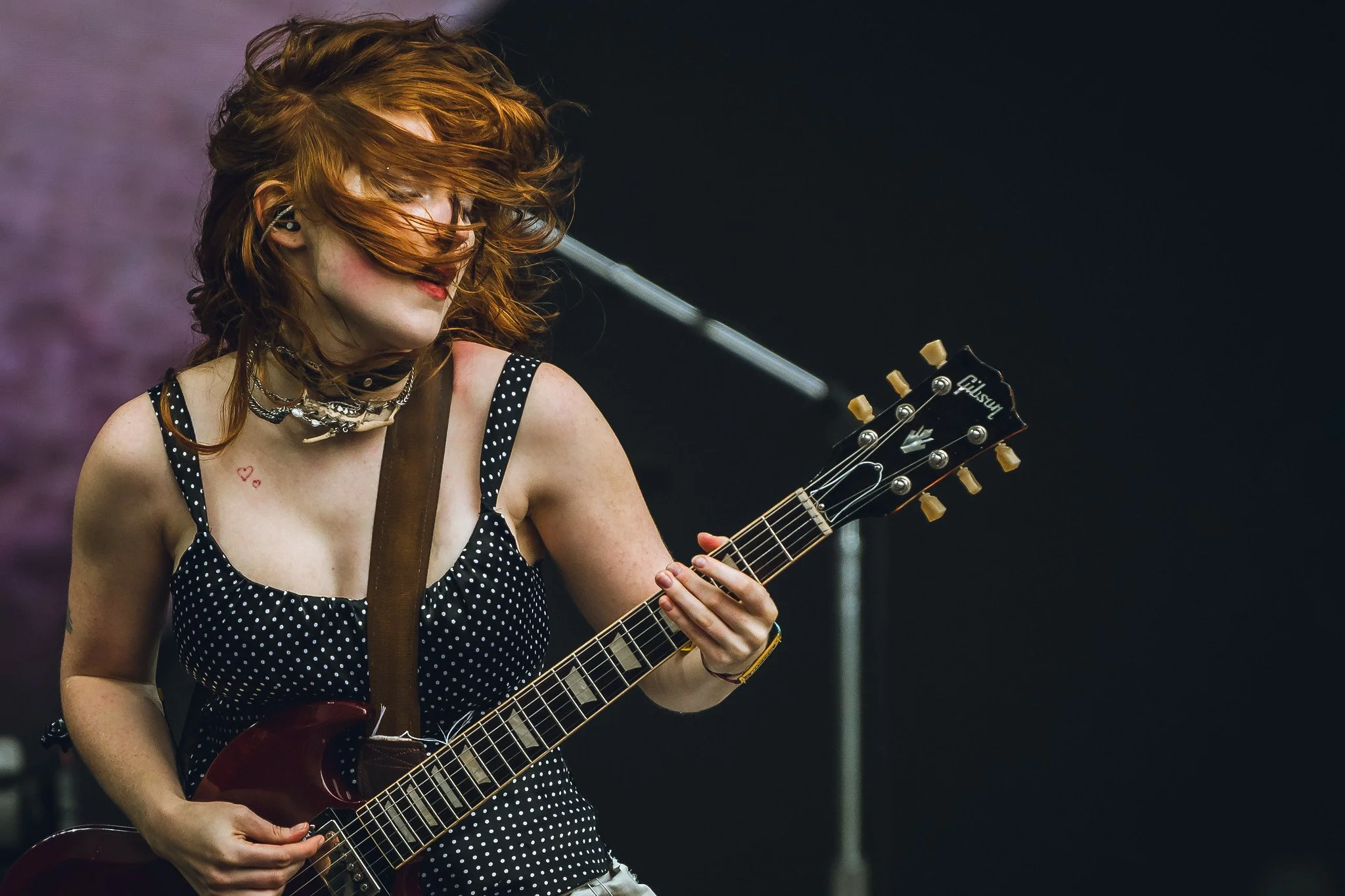
DIE SPITZ might be the best chance we have at solving the male loneliness epidemic. For every song the band played there was a pit that matched the enormity of their sound, filled with young white dudes in their early twenties crashing into each other like they were Dave Matthews. If this were an episode of The Voice, Blake Shelton would feign disbelief when his chair turned to find four 22-year-old women from Austin making what sounds like Magneto going ham in a scrapyard: shrieking, bent, thrown around, and vicious.
Their fury, compared to their overwhelmingly male counterparts, feels more specific and legible. Something to Consume isn’t the ethos that gets “Guilty of Being White” screamed back at a stage forty years later by kids who never bothered to check what MacKaye meant. It’s the feeling of being eaten alive by everything at once — the political, the chemical, the romantic. Their rage is similar in spirit to their male counterparts, but more pointed and with direction, which is the difference between a burning guitar and a torn-up photograph.
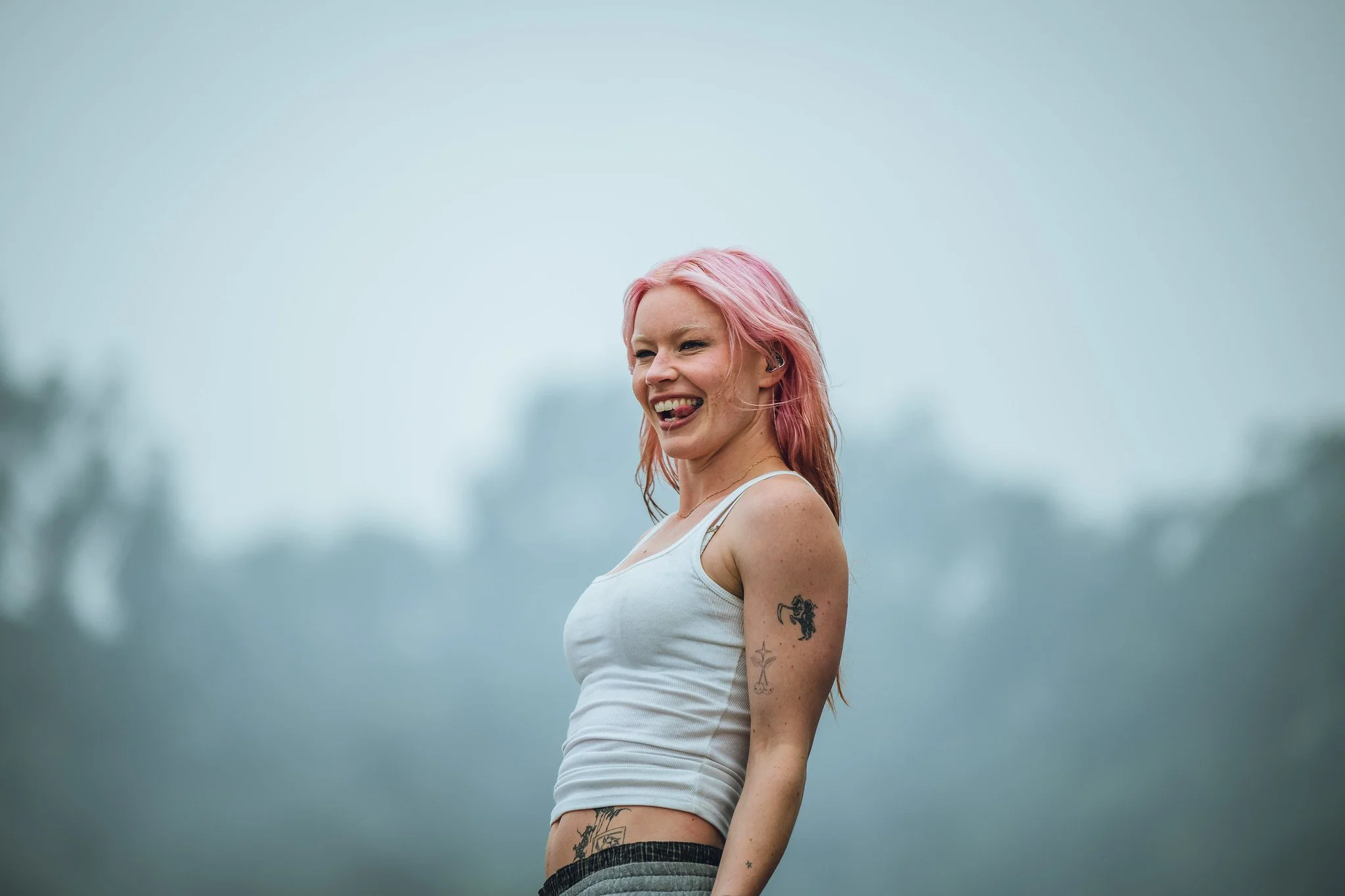
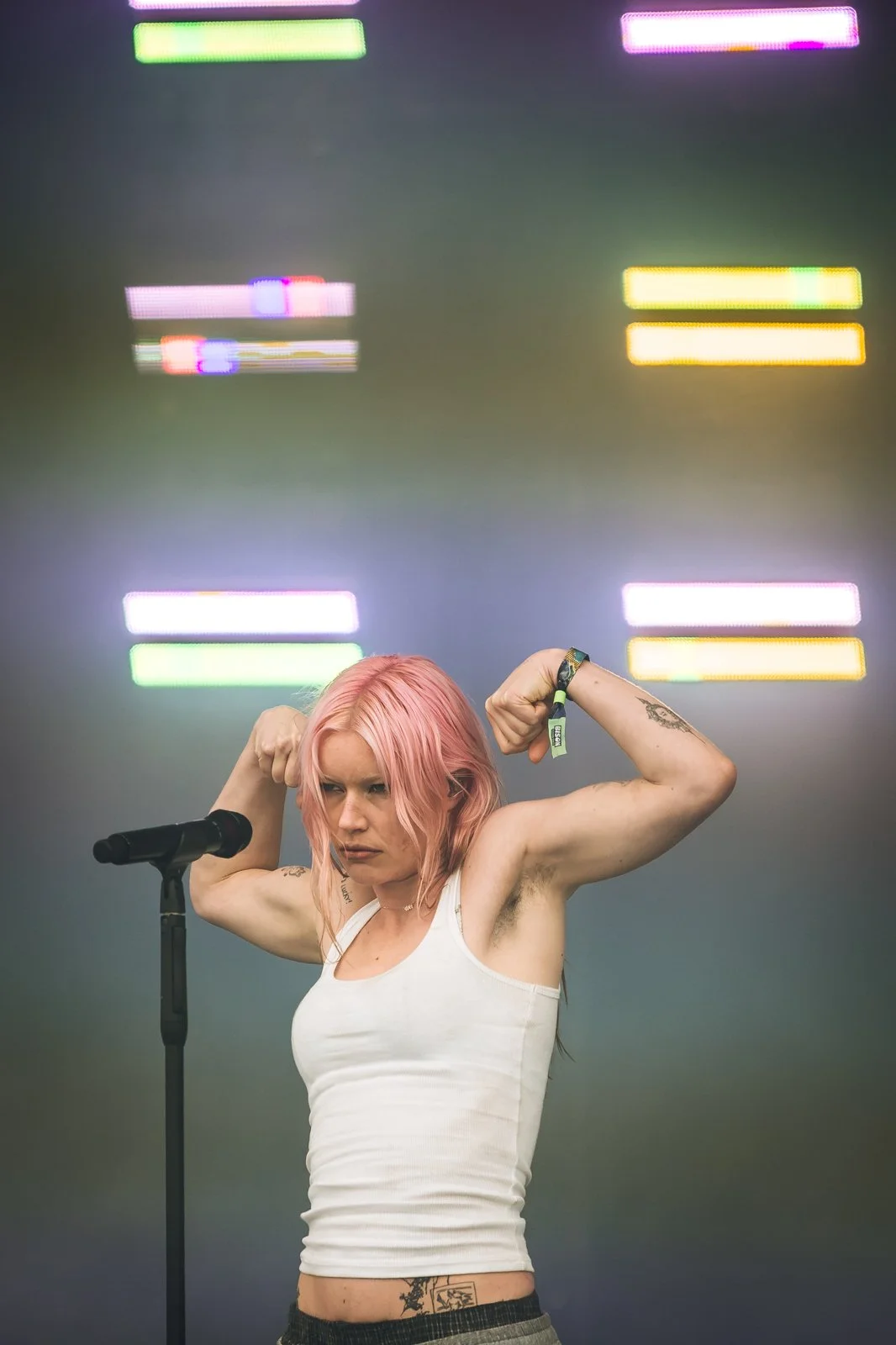
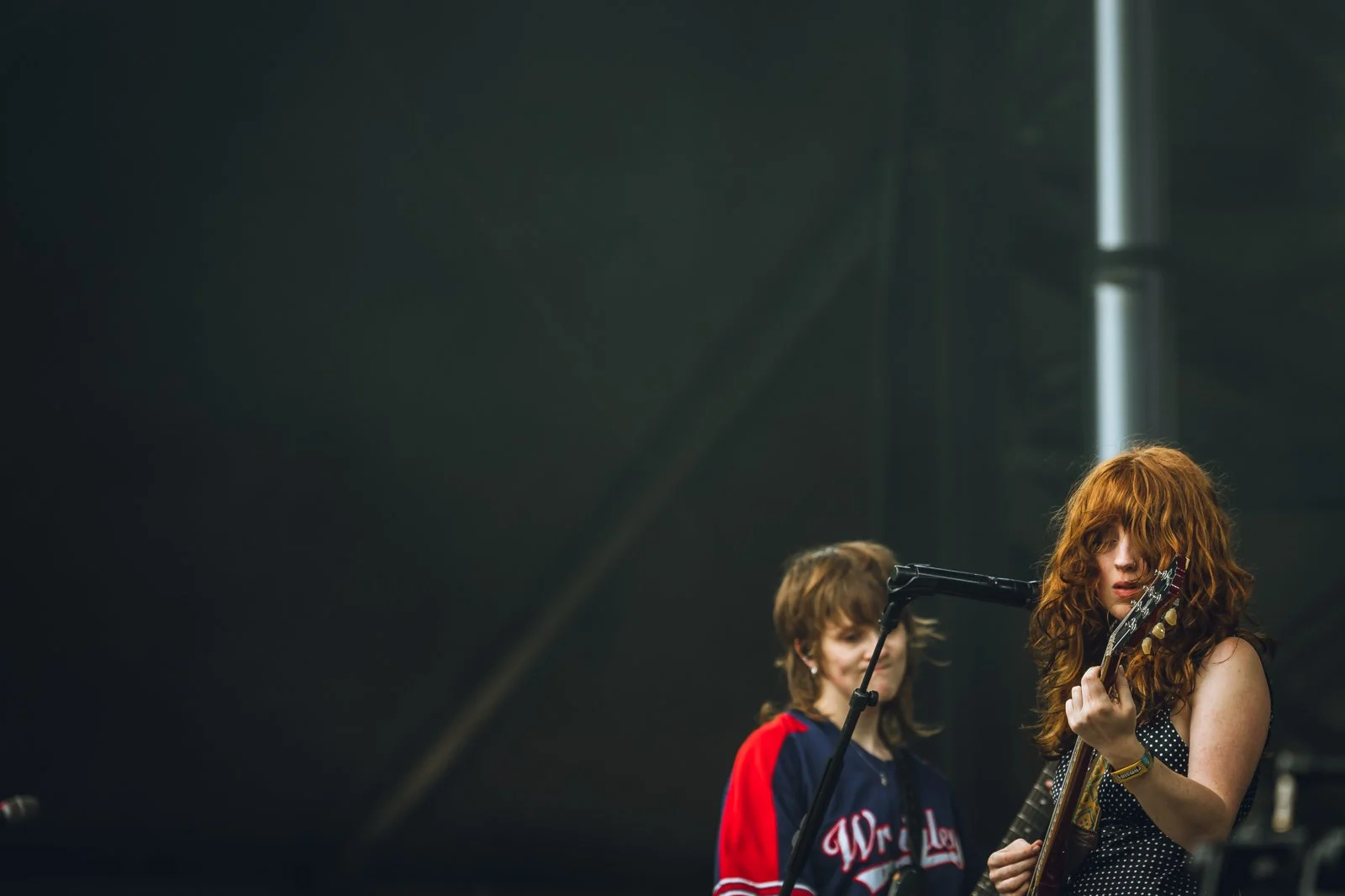
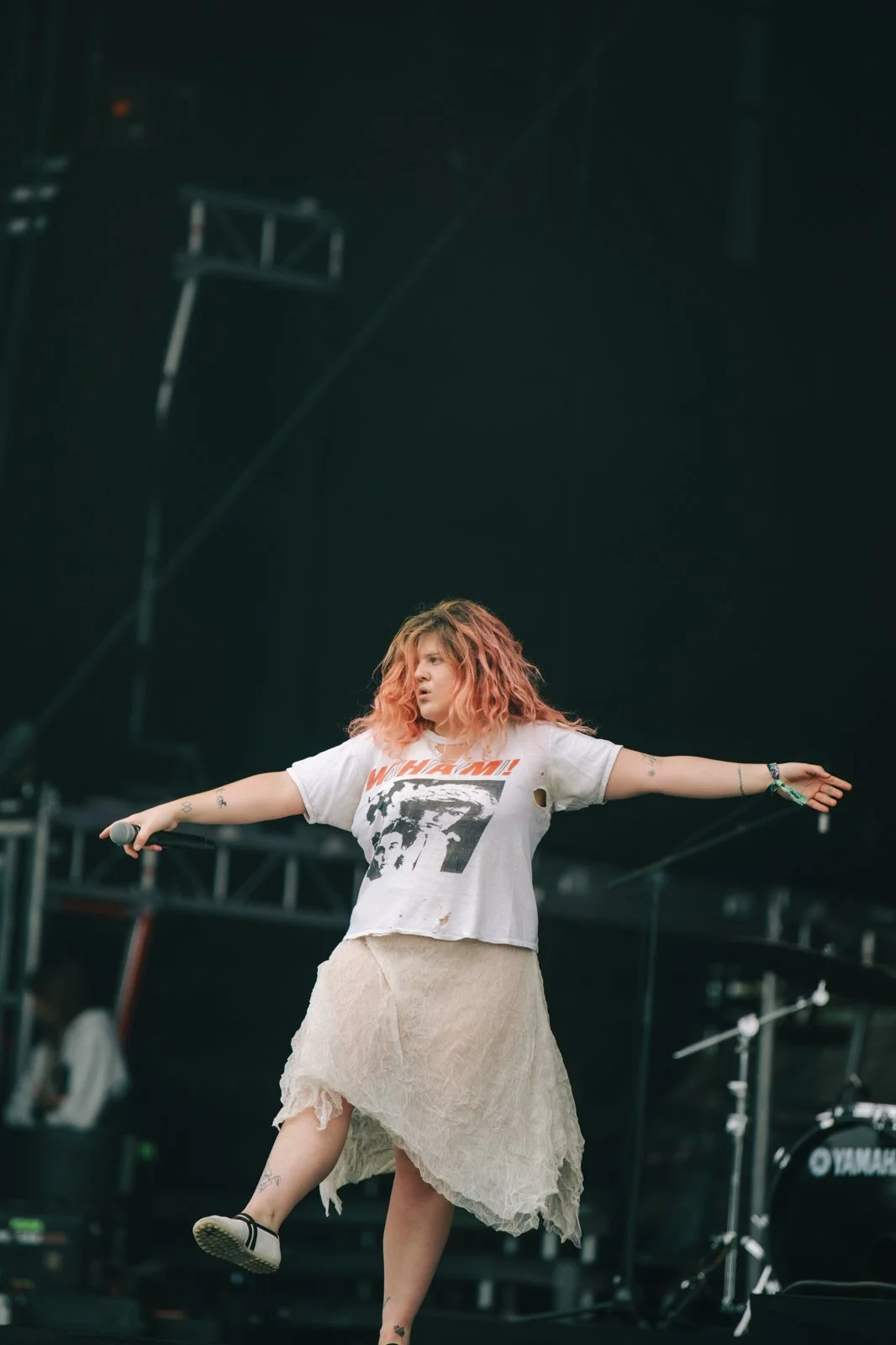
WET LEG seemed to get spat out of the mouth of the Isle of Wight in 2021 like a bat out of hell, riding the wave of a song about a chaise longue and a case of beer, and spent the next three years described as a flash in a pan versus a force to be reckoned with. Their most recent record, moisturizer ended that characterization. Their lead singer, Rhian Teasdale, transformed sonically and physically — stripped of the summery dresses that characterized the self-titled debut, traded in for a buzzed, sharpened, and protein-maxxed persona like she’s about to steal your lunch money. Part Dry Cleaning deadpan, part Sleater Kinney sinew, and part whatever hostile aggression you need to survive a winter on the Isle of Wight. You can throw on “Catch These Fists” at a party, in a pit, or in a minivan on the way to your kid’s soccer practice and it will rip in all three.
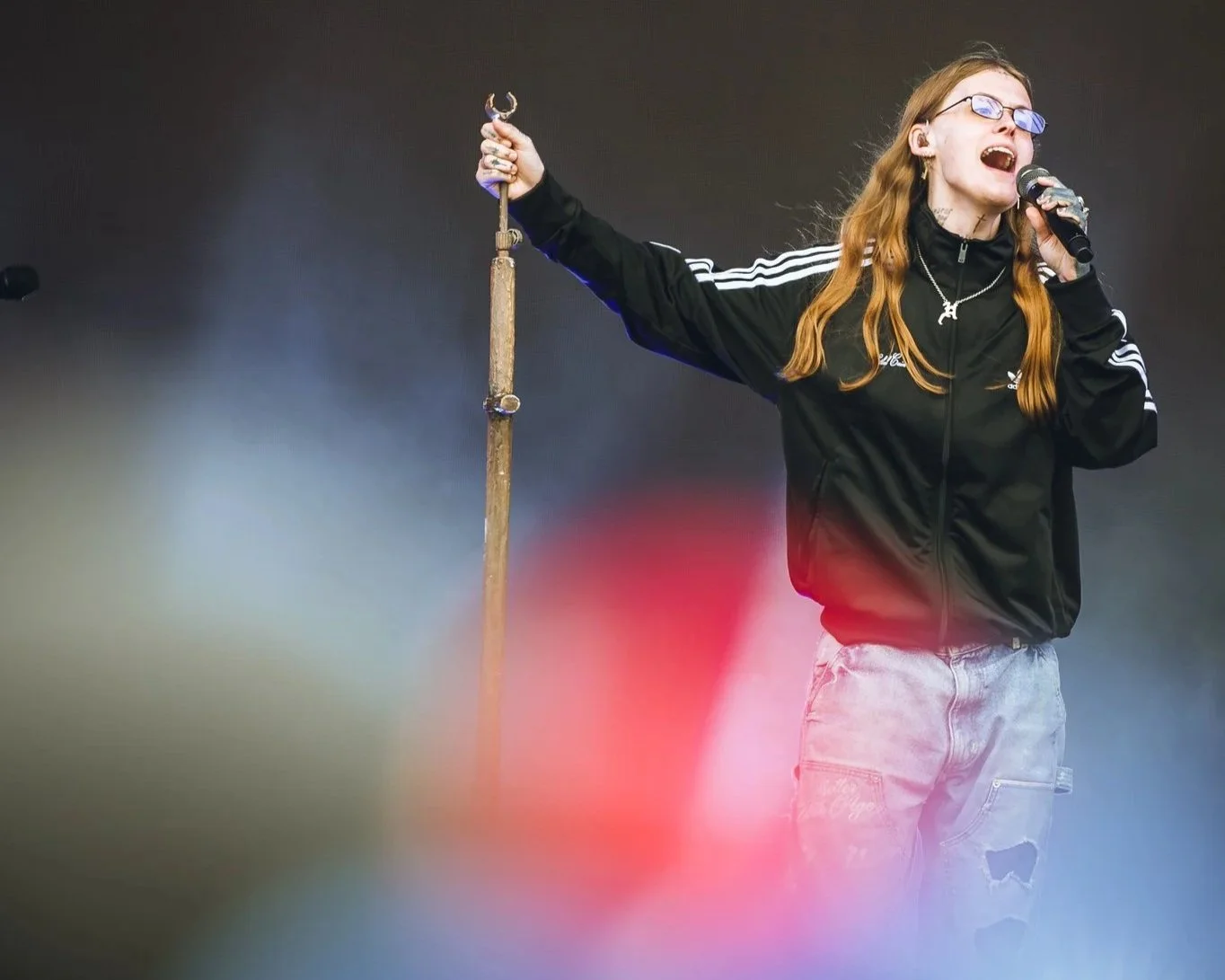
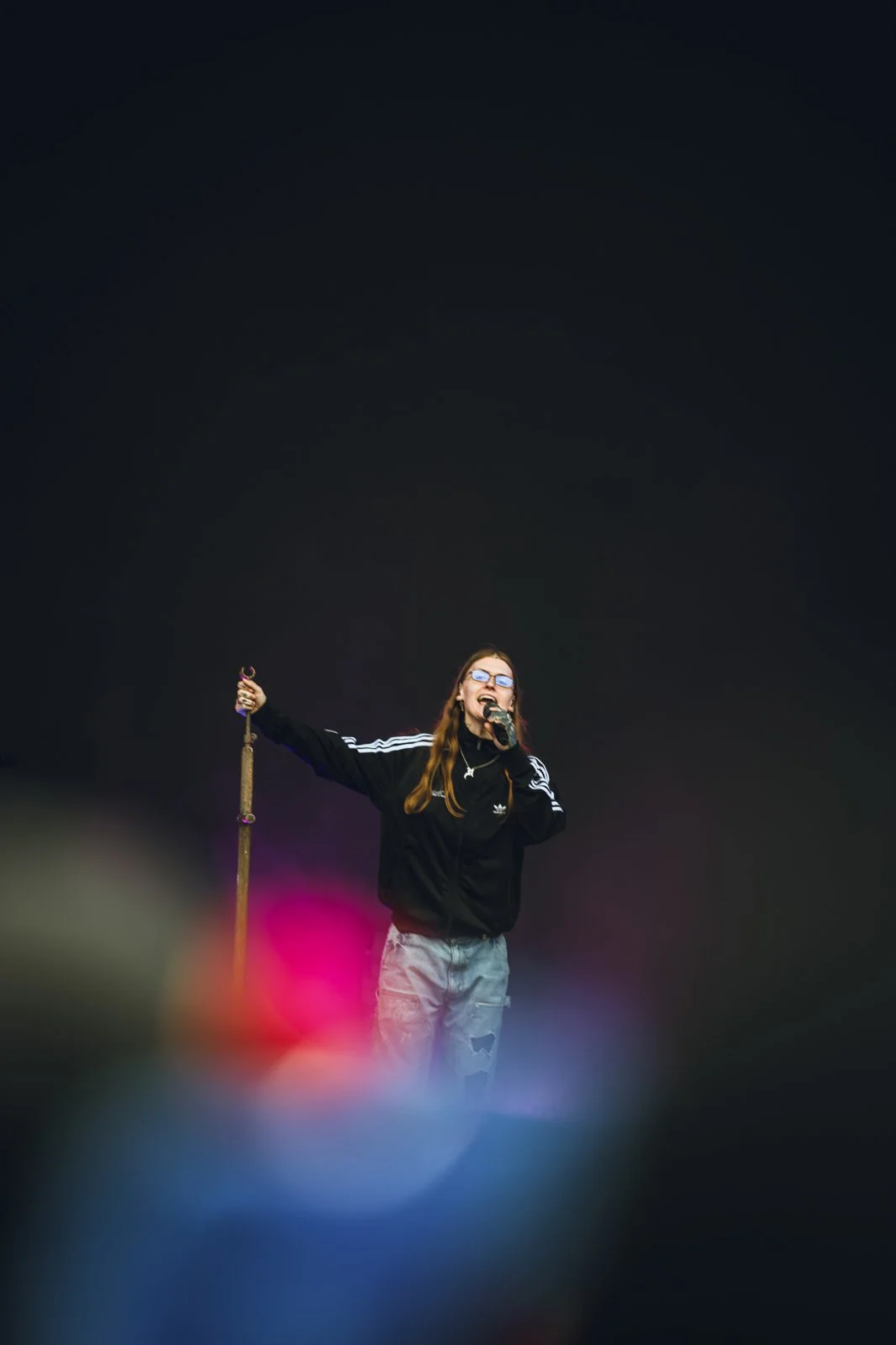
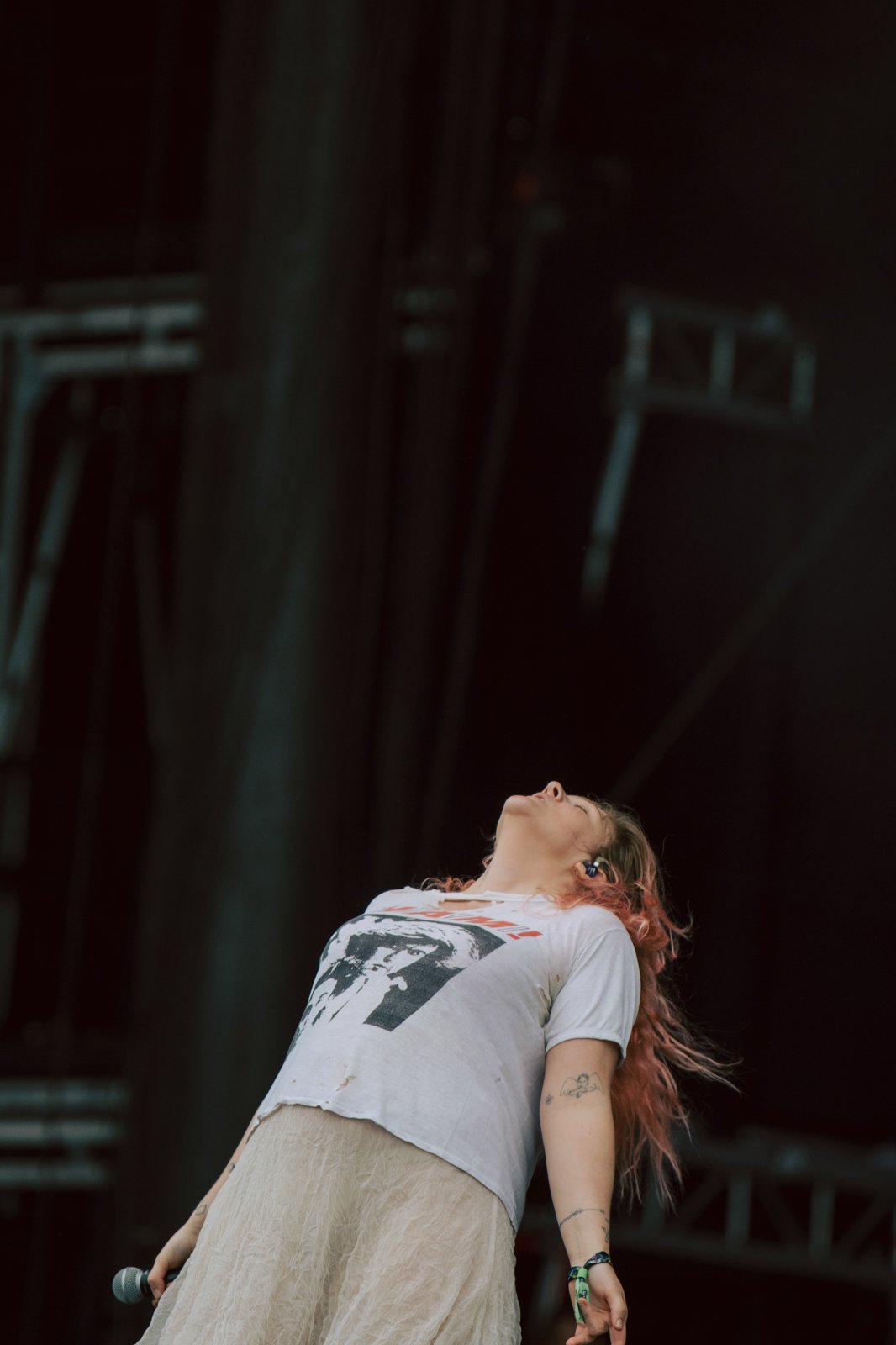
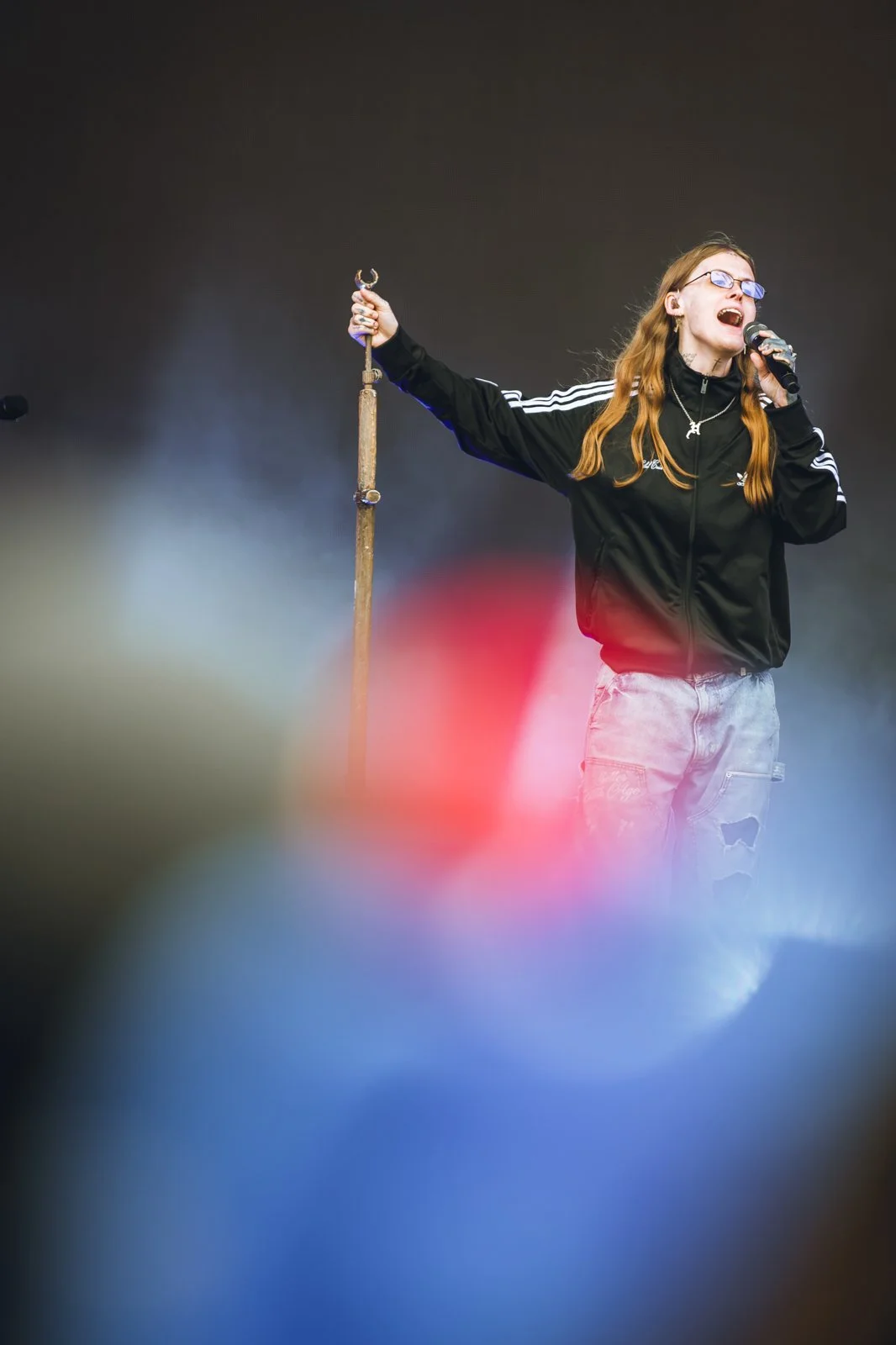
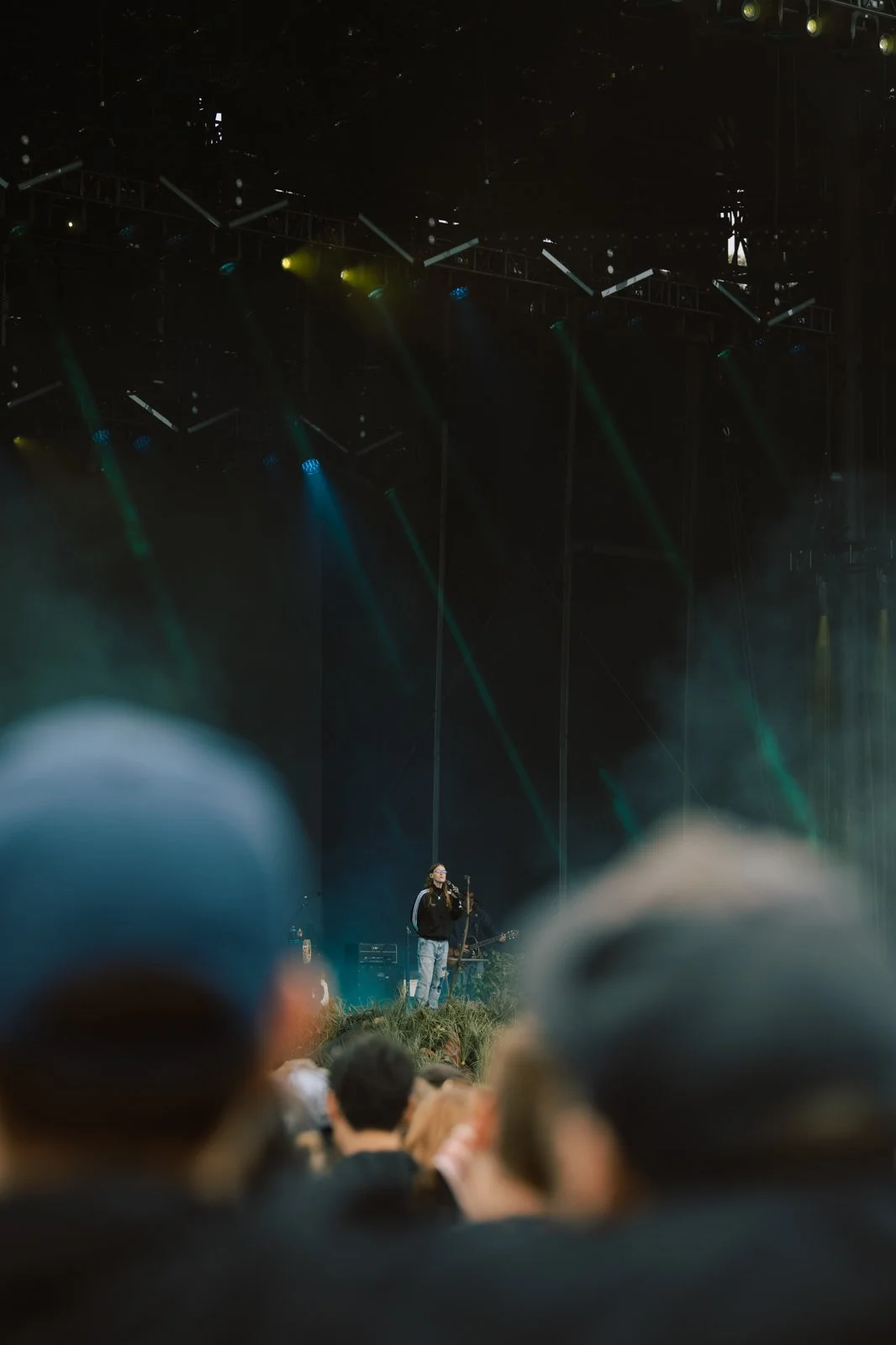
ETHEL CAIN appeared at Lands End looking more like Noel Gallagher than Wanda Maximoff. Dressed in an Adidas windbreaker and baggy light-blue jeans, the usual garb pointing toward a “light as a feather, stiff as a board” seance kept in its chest for more Bay Area-appropriate weather. No matter. She still presides over one of the most devoted fanbases in music — just this morning, with the release of A24’s Club Kid trailer, my entire Reddit feed was about her music being in it.
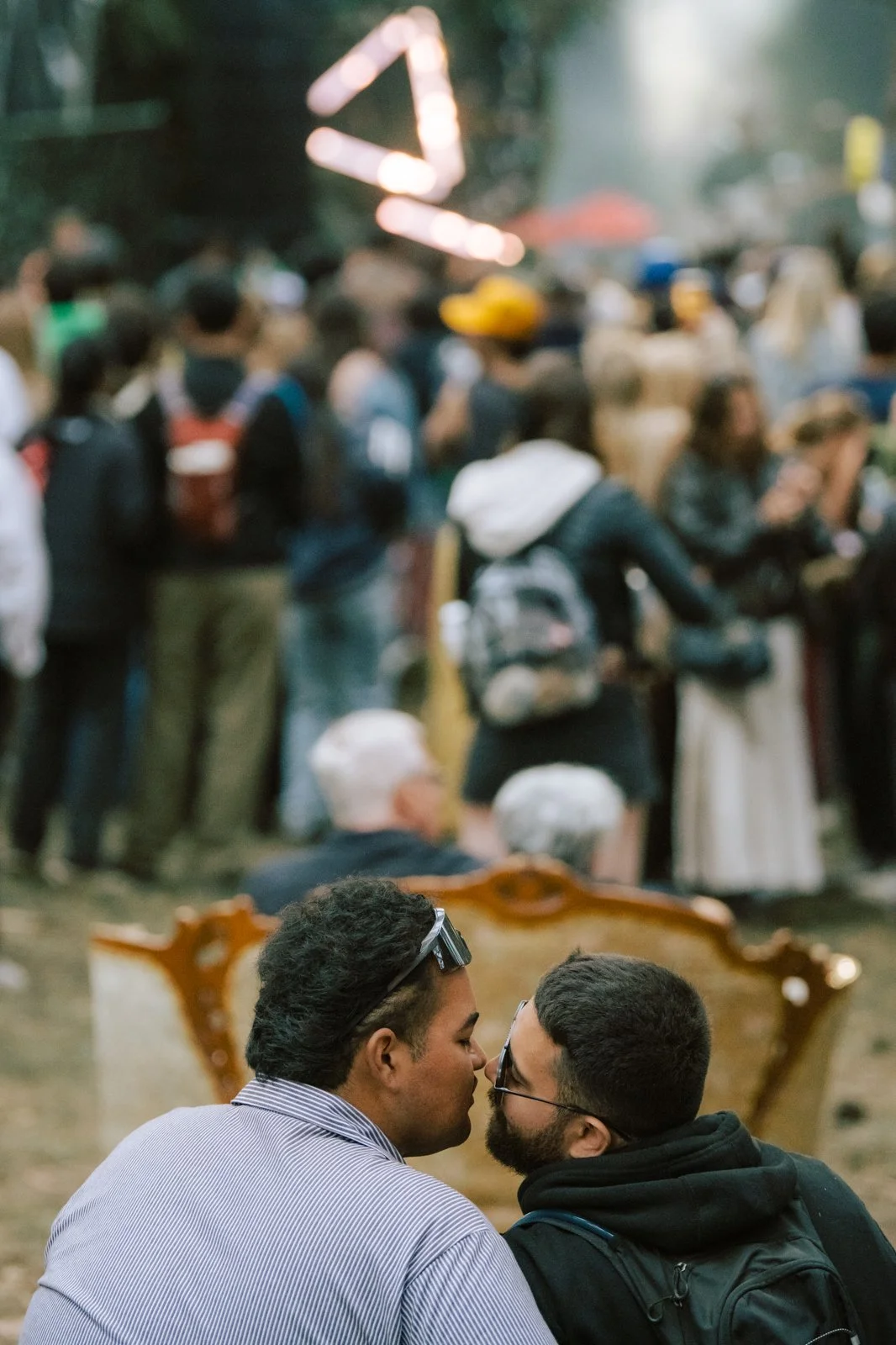
When I saw her at Coachella, she’d built a graveyard of American industry in the Mojave. Spanish moss on power lines, a scythe for a mic stand, a curse conducted in full darkness. Here, at four in the afternoon, Karl the Fog rolled in off the ocean and threw the shade the songs needed, as though the weather had been booked as production. Around me, couples of every size, gender, and configuration held onto each other in a shared melancholia — as if they were bracing for the end of the world (they probably are).
III. Still Don’t Know My Name (Dijon, Labrinth, Not For Radio)
Wait in line for a twenty-eight-dollar lobster roll long enough and you'll overhear a couple of Outside Lands veterans recounting every way they fucked up by missing the meteoric rise of an artist they now claim to have loved first. In 2015 Tame Impala was mid-billed and came back to headline this same field six years later. That same year Kendrick Lamar played Twin Peaks and drew what the festival still lists as the biggest crowd that stage has ever held, and eight years later he closed Lands End. And in 2018 a sixteen-year-old Billie Eilish played Lands End at 3:35 in the afternoon; four years later she was headlining Coachella and Glastonbury.
But the leap from the small font to the top line isn't just about the music. Plenty of great artists spend a career at four in the afternoon. What headliners have in common is a strange brew of narcissism, luck, and intention. You have to be a bit of an insane person to believe that what you're making in a room in Paris or a bedroom in Austin deserves ninety minutes of fifty thousand people's evening. You have to be lucky enough that the timing agrees with you. And you have to give a little of yourself over to feed the parasocial thirst required to receive a bigger font. The kids that wait at the barricade and hold their piss just to get a front row spot don’t do it due to the music alone — they’re there because somewhere along the way, they decided that diving so deep into a stranger’s world is the closest they’ll get to being known by anyone.
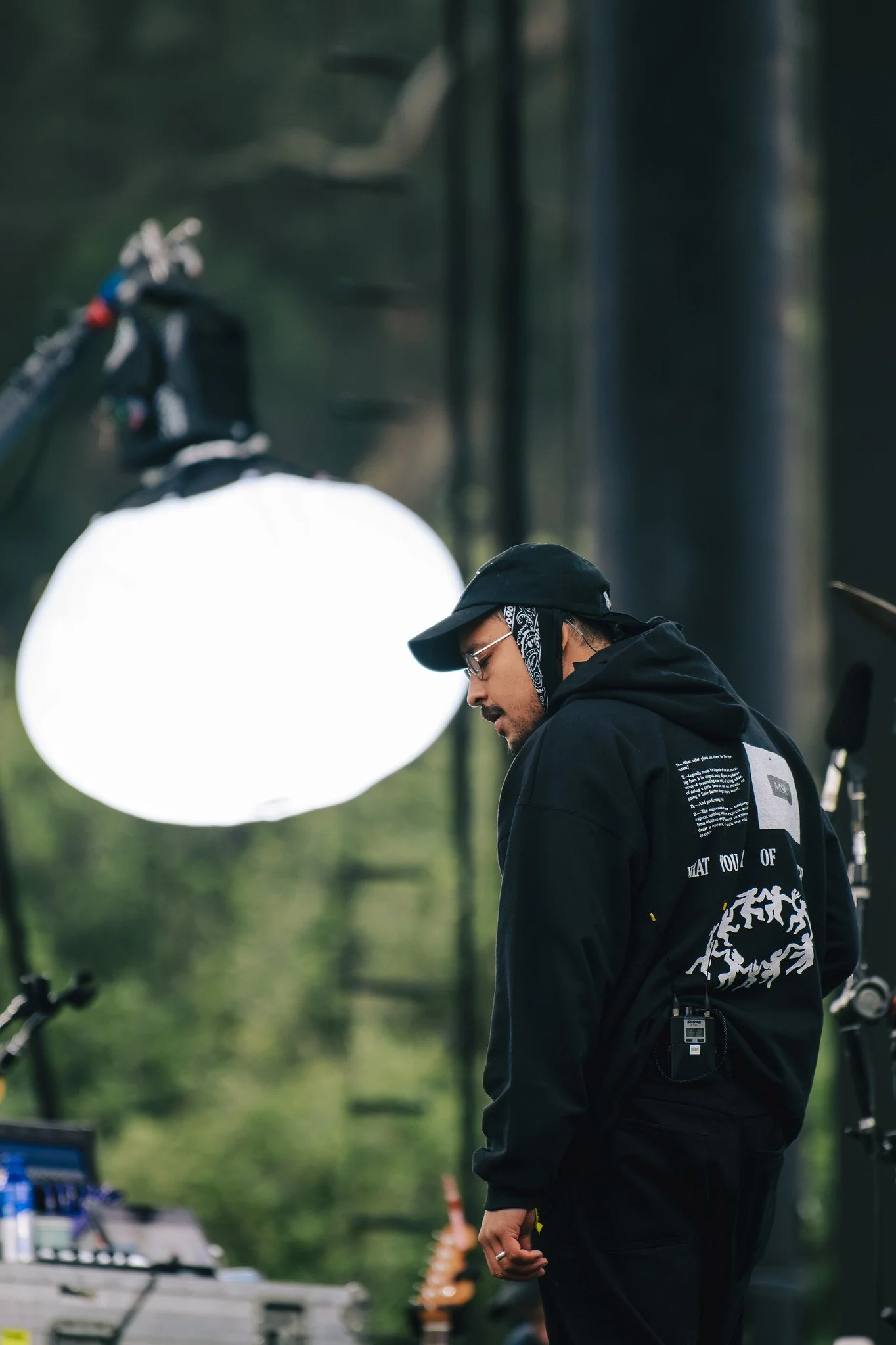
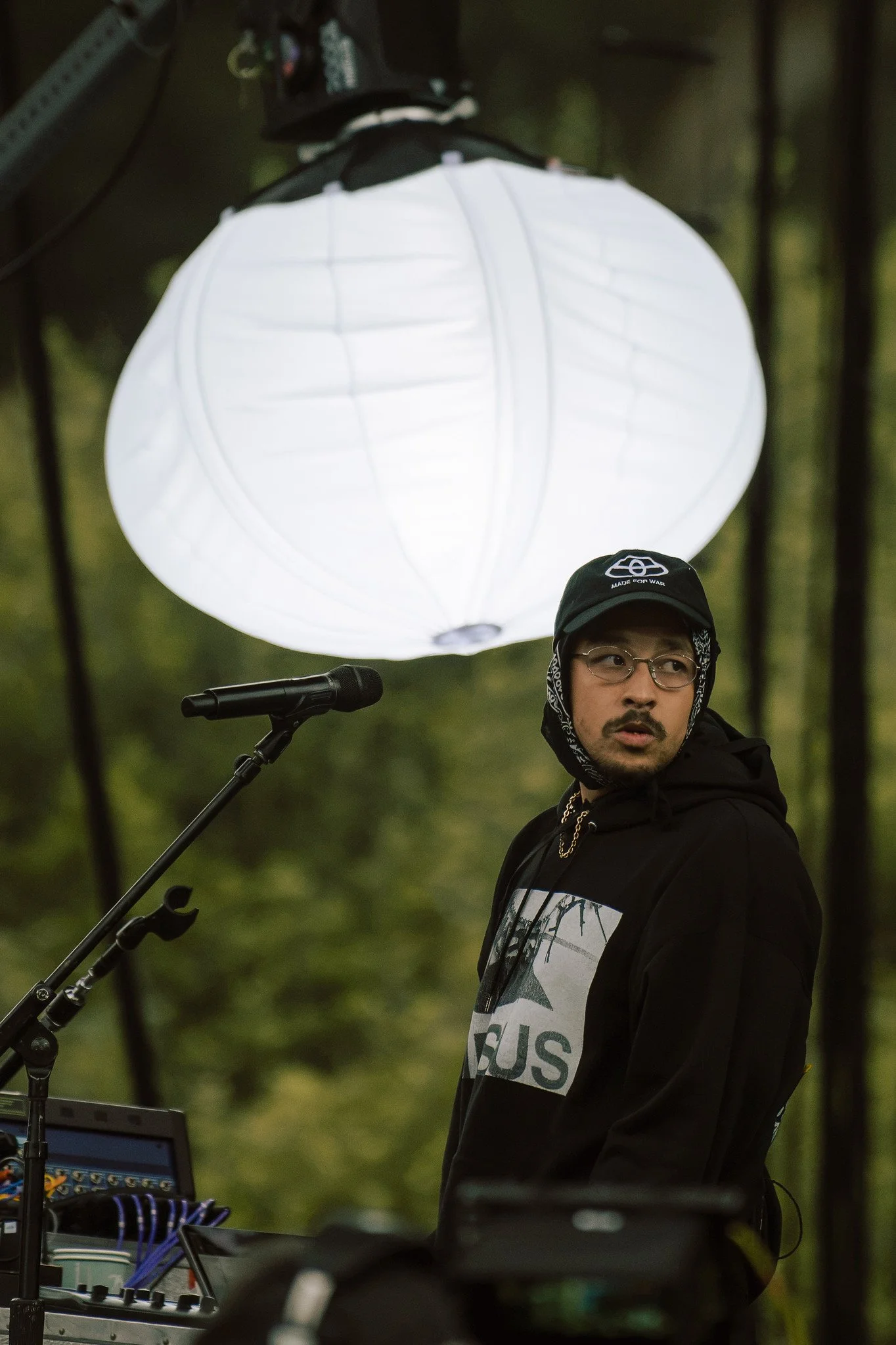
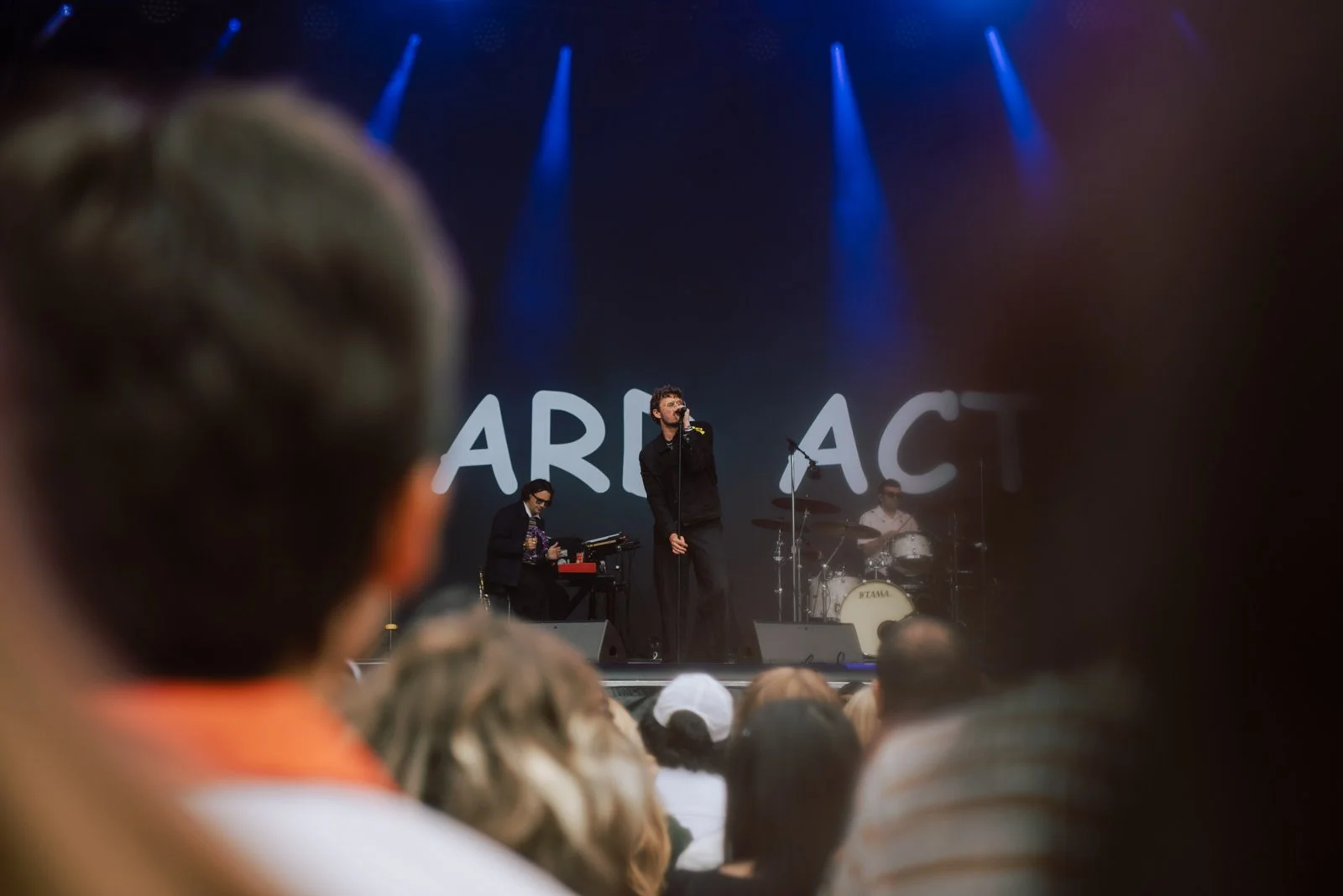
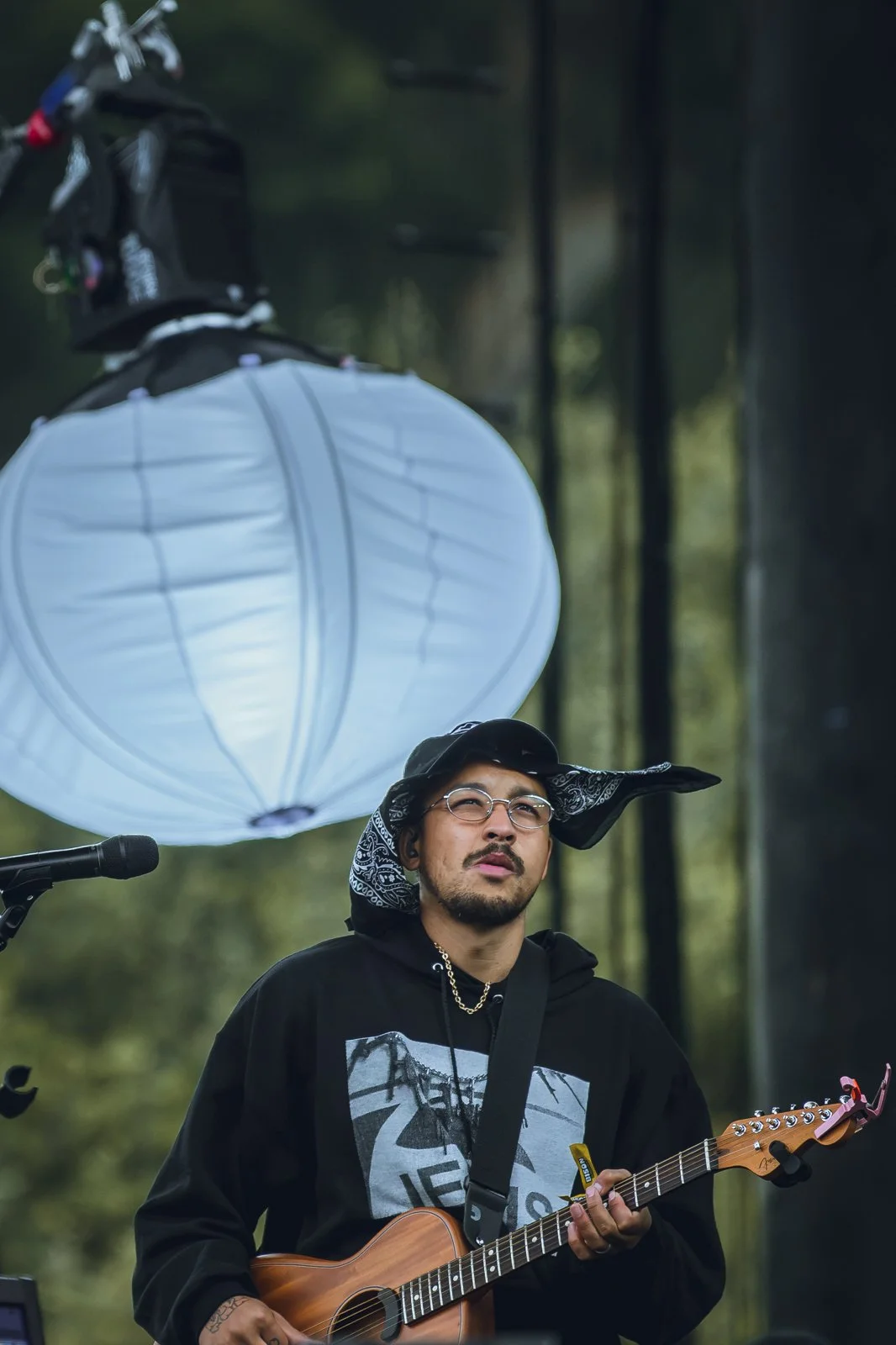
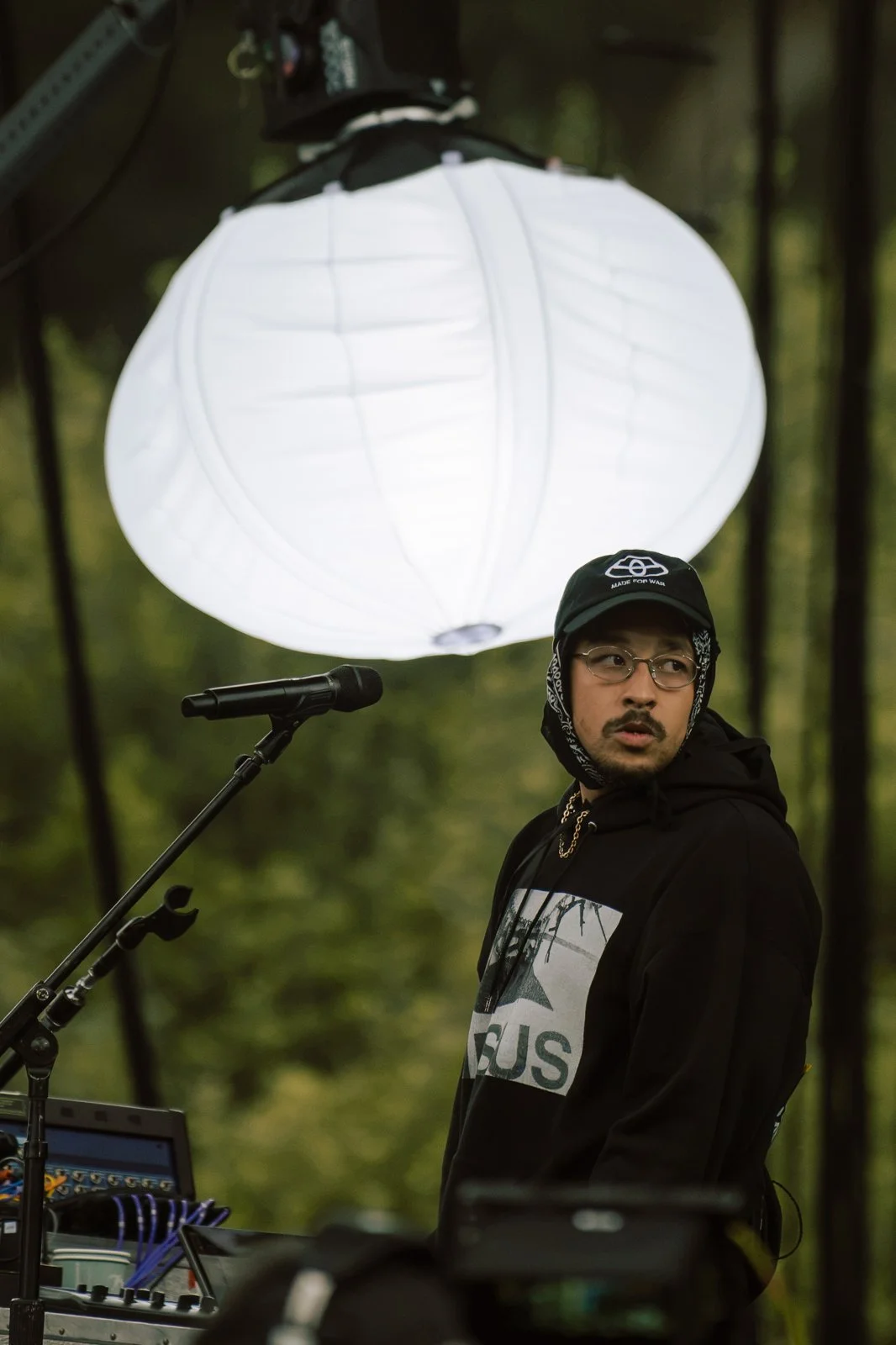
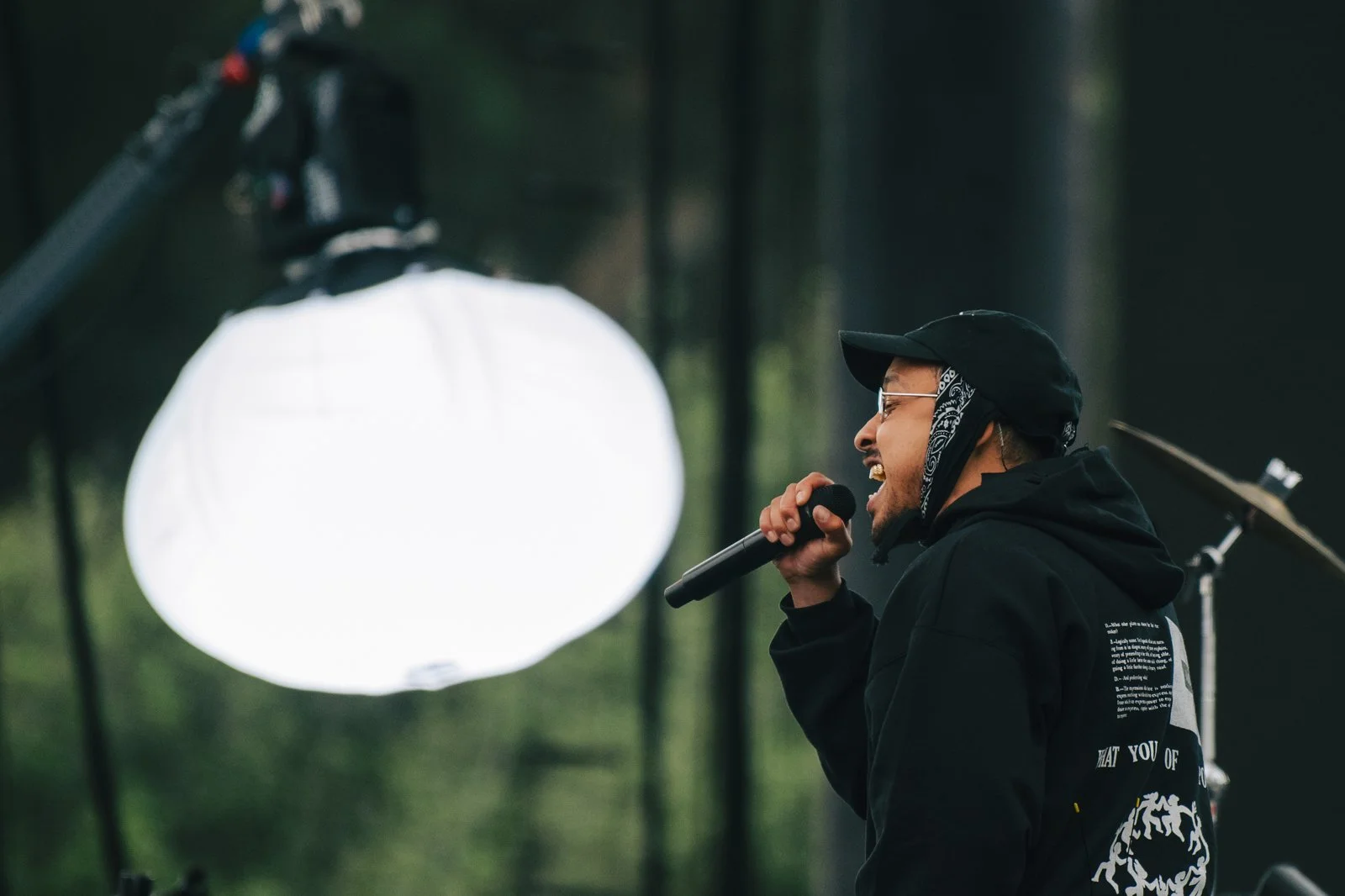
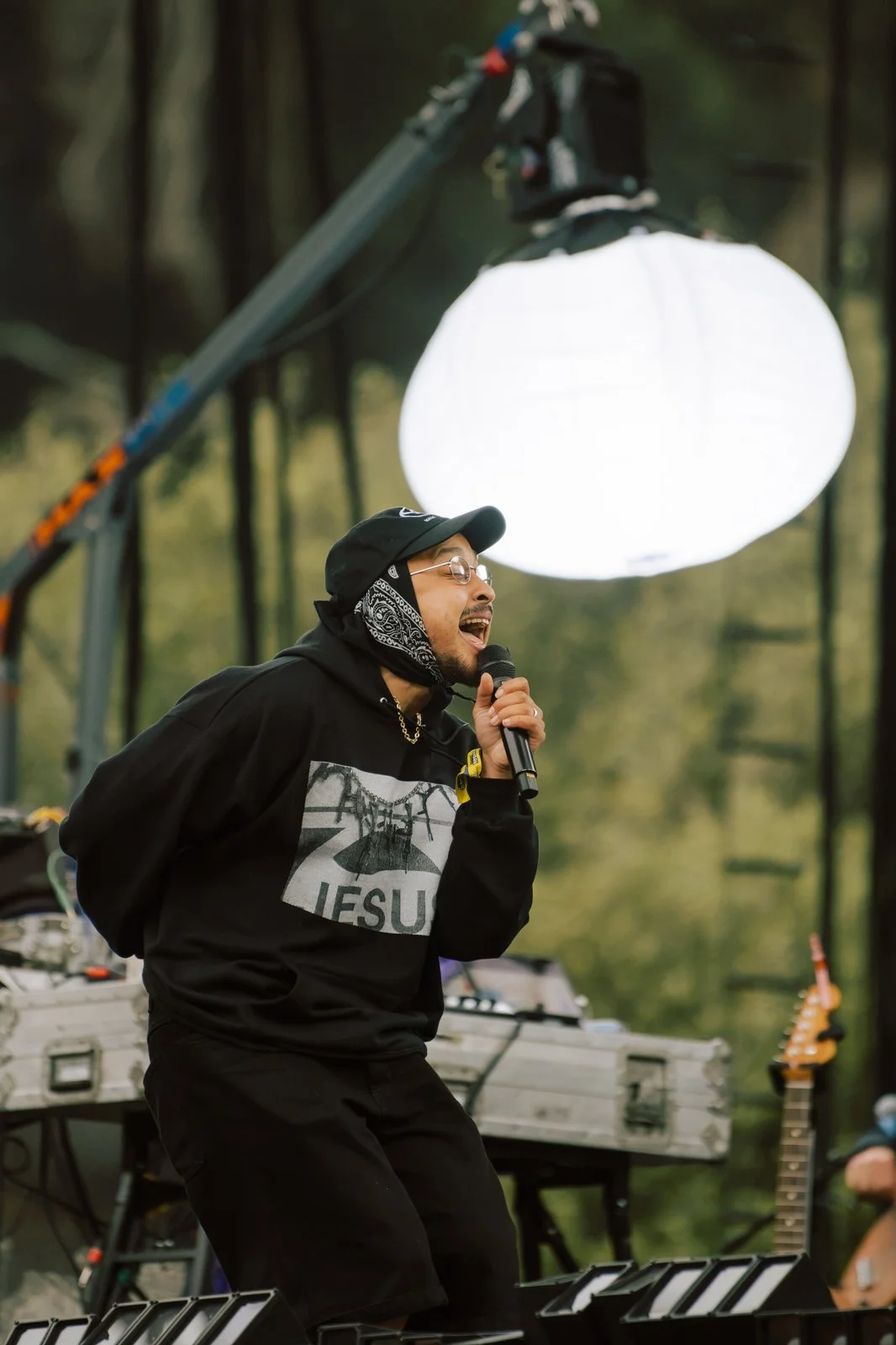
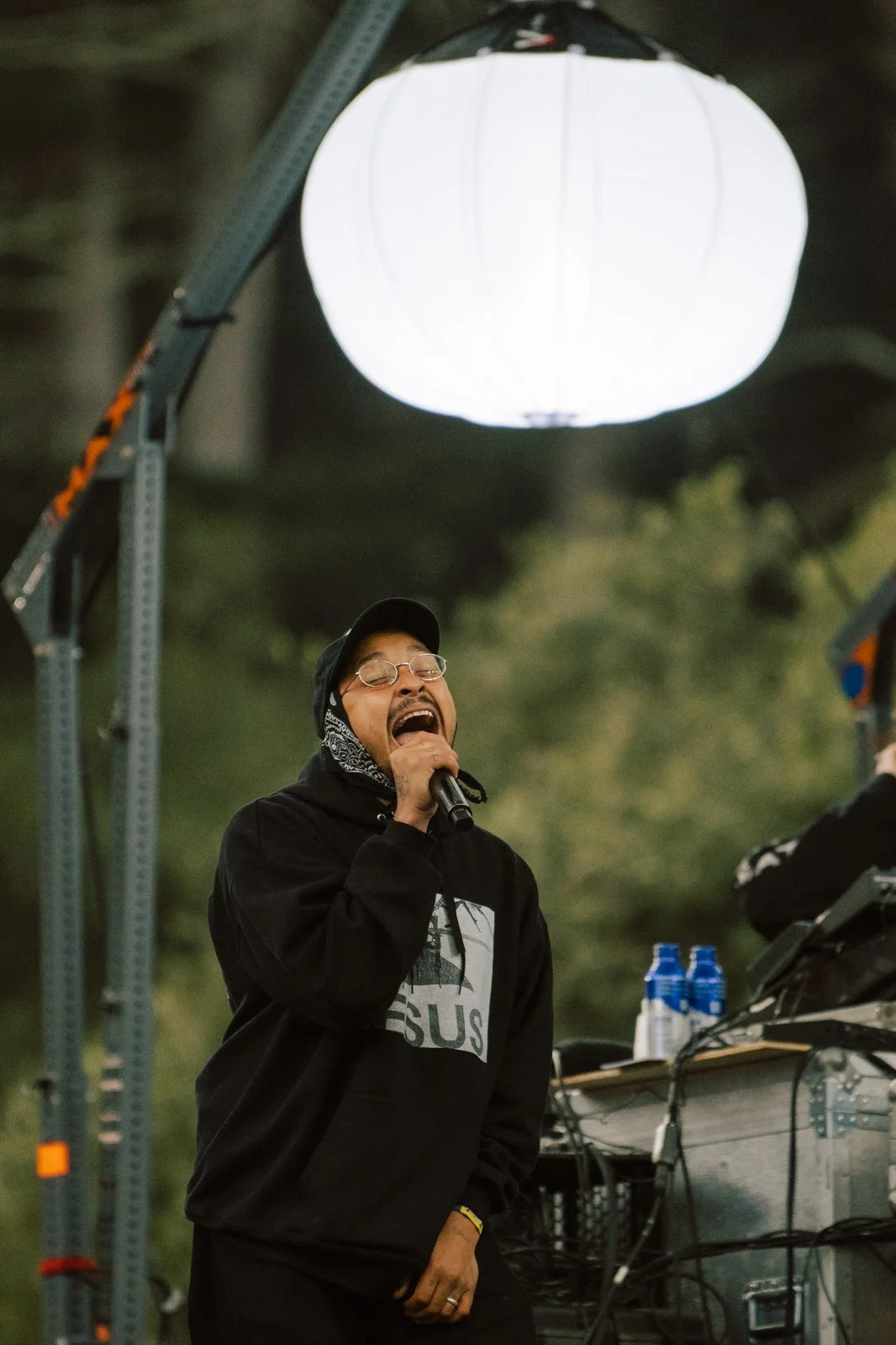
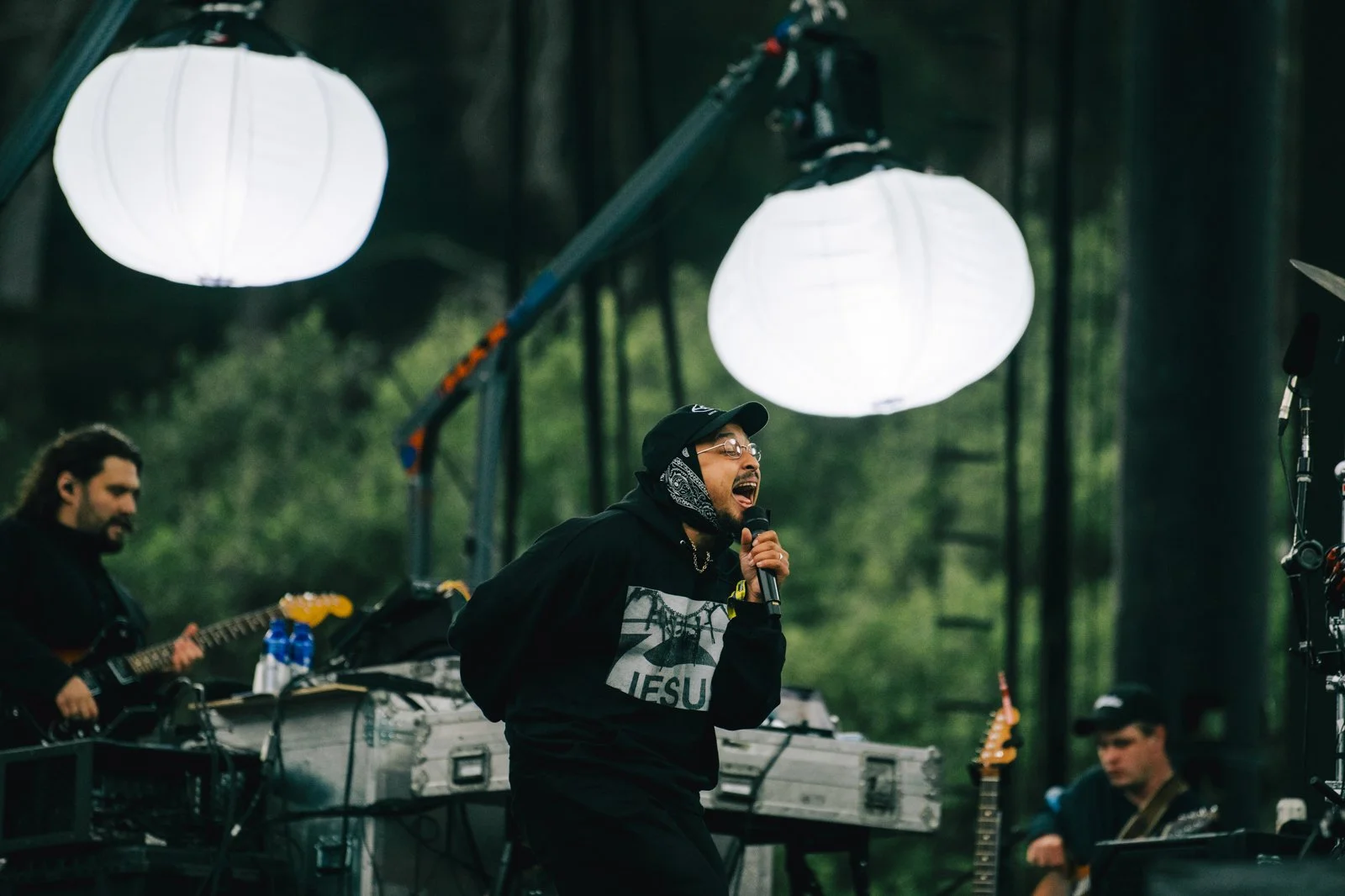
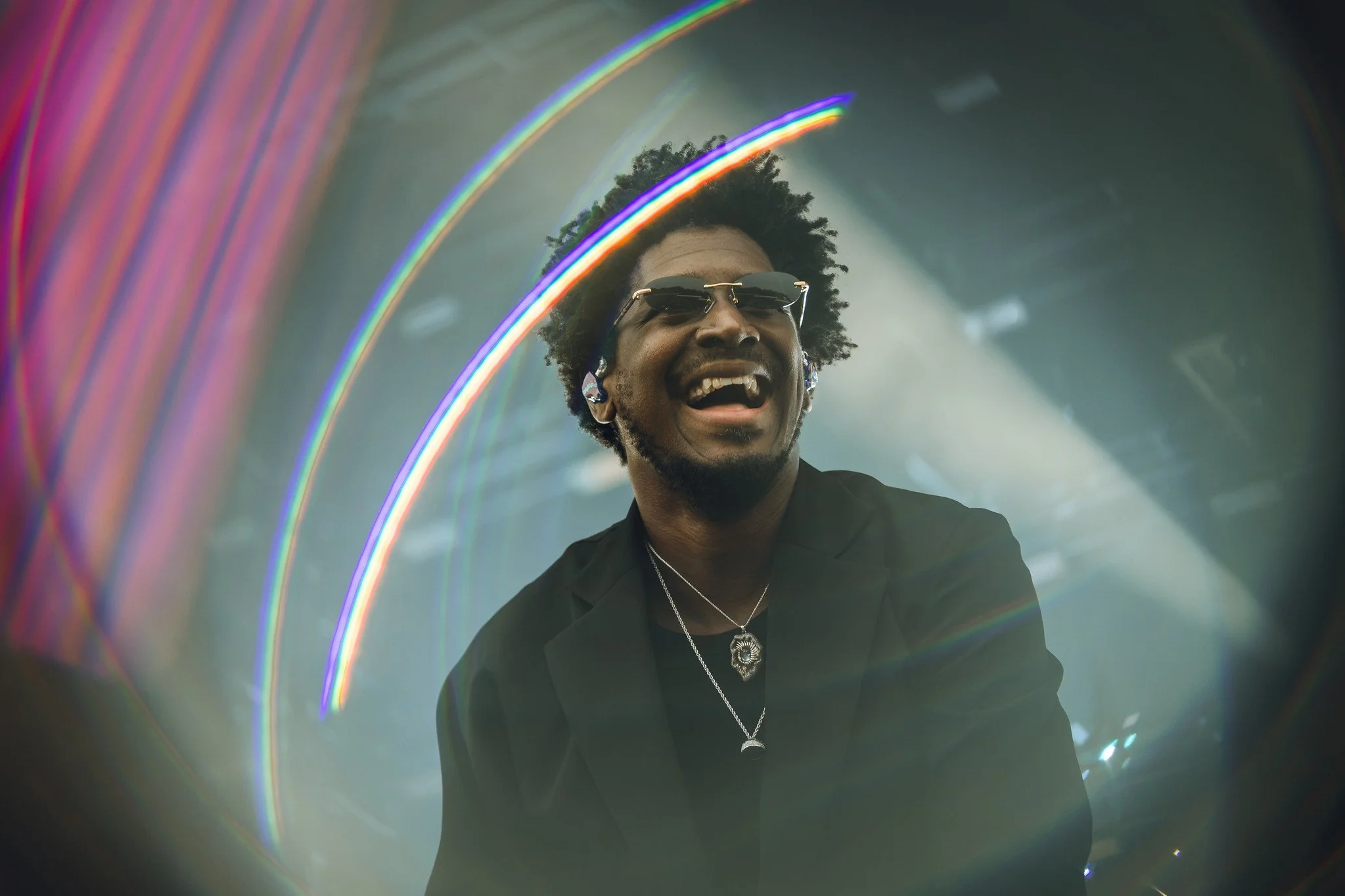
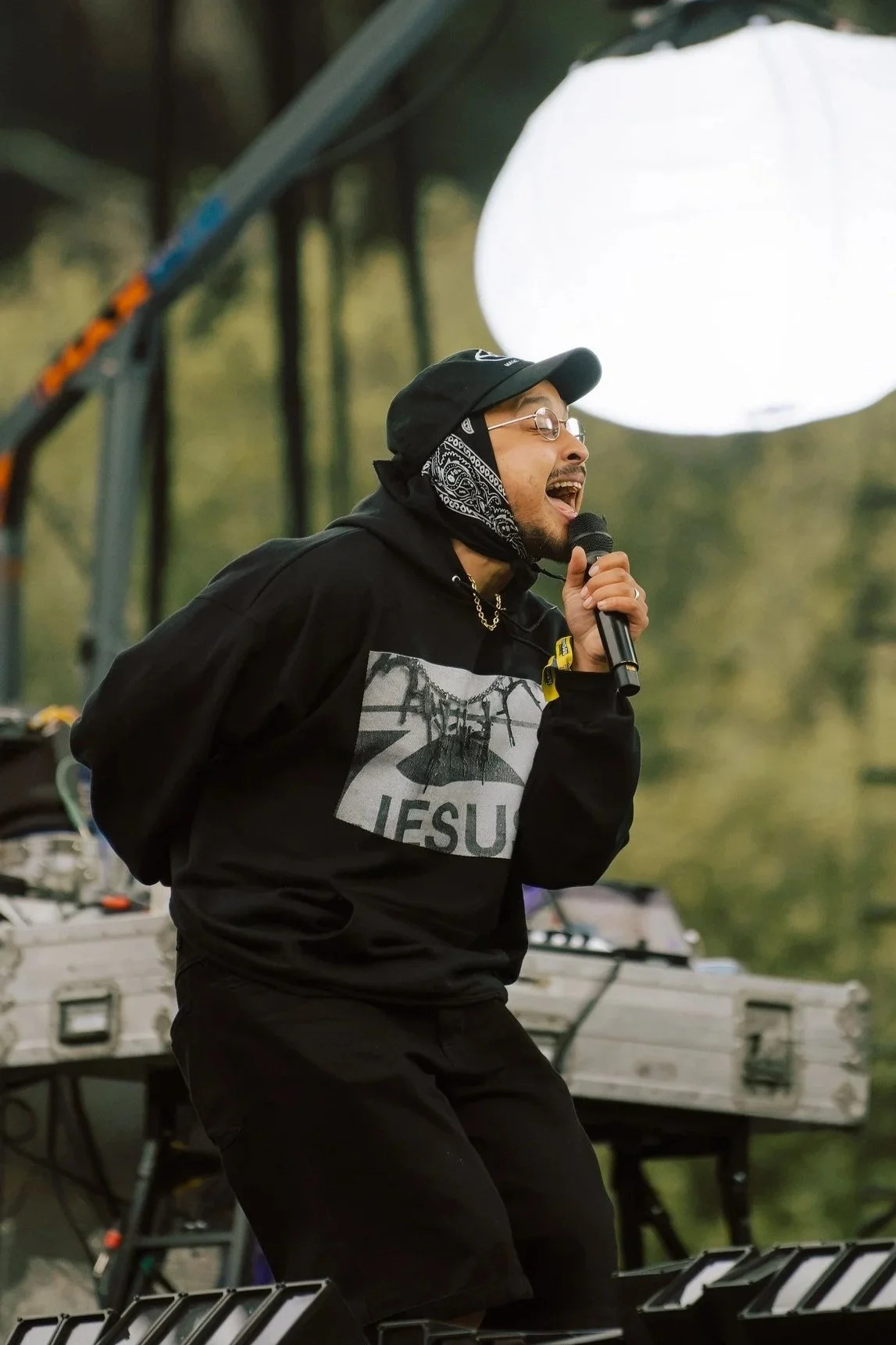
The audience most emblematic of that sentiment was the one there for DIJON. Packed like sardines into the first fifteen rows at Twin Peaks surrounded by the most diverse crowd I saw all weekend. Thirty-something DINKs in Toyota hats as an homage to Dijon’s irreverent thrift-store-effortless vibe; a parent standing with their kid wearing a shirt that read “Mexican Hairless” (a vulgar reference to Dijon’s small role in Paul Thomas Anderson’s One Battle After Another) — blissfully unaware of what they were advertising. “It must be a song,” the parent must be thinking.
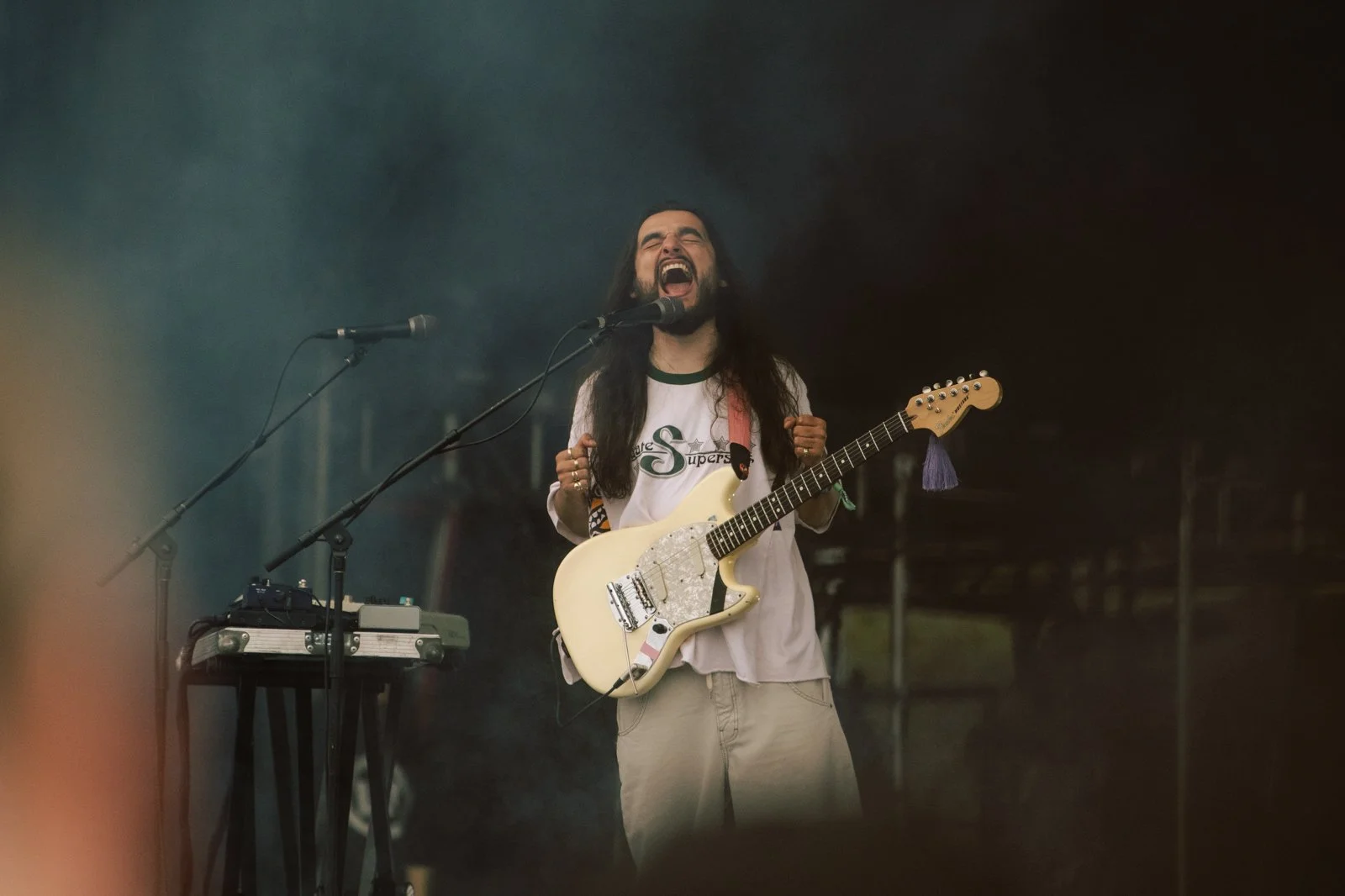
When Anderson accepted his Golden Globe for OBBA, he called himself a magpie: a bird that assembles a voice out of everyone else’s. Dijon is the same bird — a precise balance between work that feels creatively enlightening and hooks we already understand in our audible vocabulary. The ghostly embellishments, his wayward and sometimes abandoned song structures, the callback to R&B crooning that sound like Michael Jackson covering “715 - CRΣΣKS.”
Seeing Dijon live illuminates how he treats production and performance, and how far that is from his peers. That specific snare from a Jodeci record, the echo of a gospel chorus, a breakbeat off a Tribe record. Evertyhing arrives chopped and restructured, loose enough that you’re never sure what’s improvised and what he agonized over. What reads as a compressed history of Black American music in an album’s liner notes sounds entirely his own the moment it’s played out loud. It’s the type of translation that signals towards something a bit grander, with a larger spotlight and floor to satisfy those artistic urges.
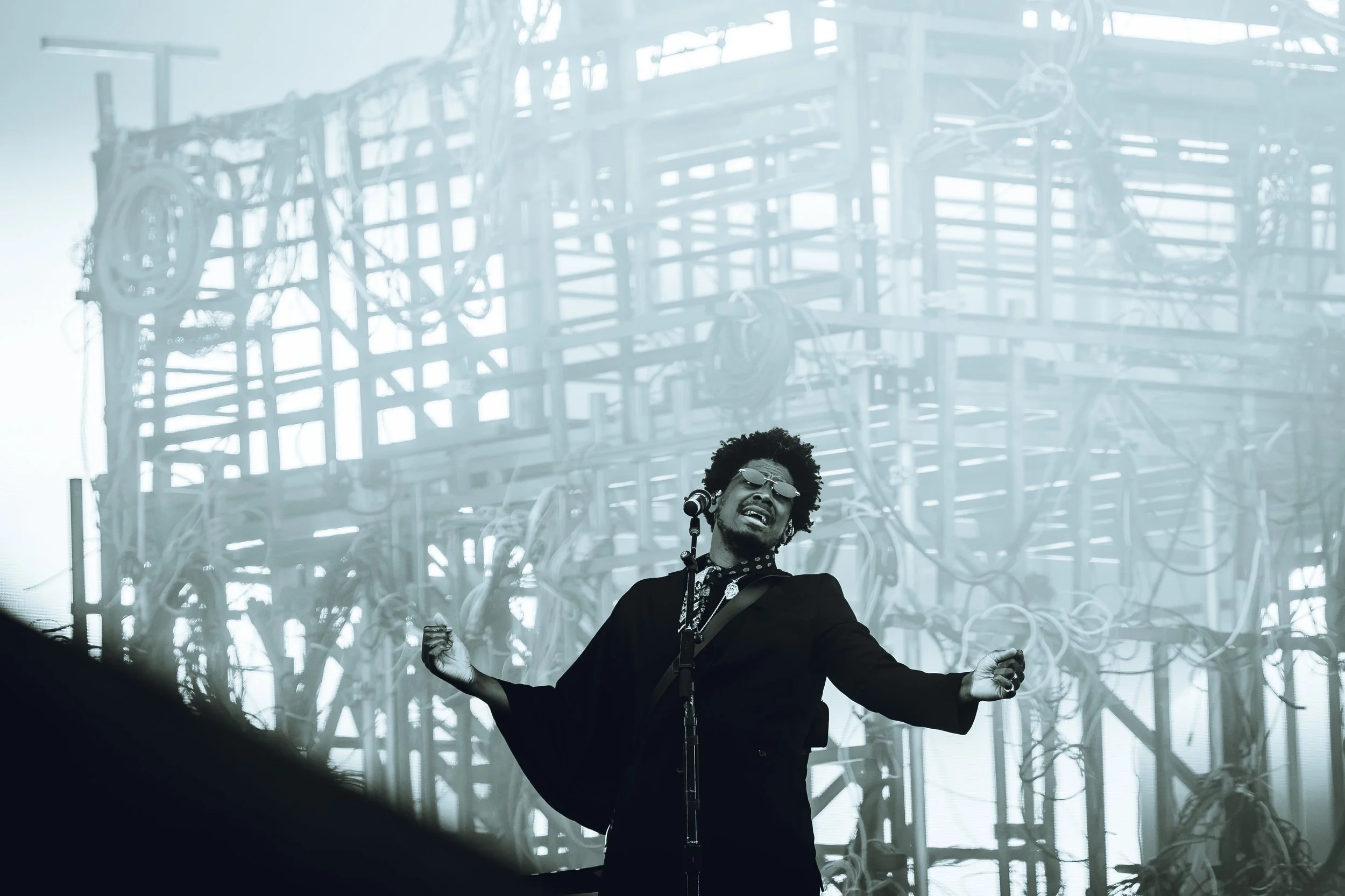
On the other side of the coin is LABRINTH. On paper, his popularity dwarfs Dijon’s by an order of magnitude. His work on the Euphoria soundtrack alone puts his compositions in the ears of tens of millions, and his association with Zendaya — who joined him on stage at Coachella in 2023 — buys him the kind of global recognition most other artists would trade a decade for. Despite “Still Don’t Know My Name” trending on TikTok for what felt like a millennium, there remains a segment of music fans who still, in the words of the song, don’t know his name.
A review I read in an unnamed major publication carried a distinct note of pride about that ignorance, as though his association with a popular show and an internet trend disqualified whatever he was attempting artistically. It’s a familiar attitude. Dijon would catch the same strays if the spotlight ever found him — in fact, while I was writing this, Instagram served me a Reel parodying Dijon: a guy playing a Black Shampoo-esque beat on a Casio and yelling over it in Dijon’s register, the implication being that anyone could do this. The CinemaSins school of criticism dressed up as an astute observation. What separates these two artists isn’t the quality of their music. It’s the popularity that shapes how the music gets received.
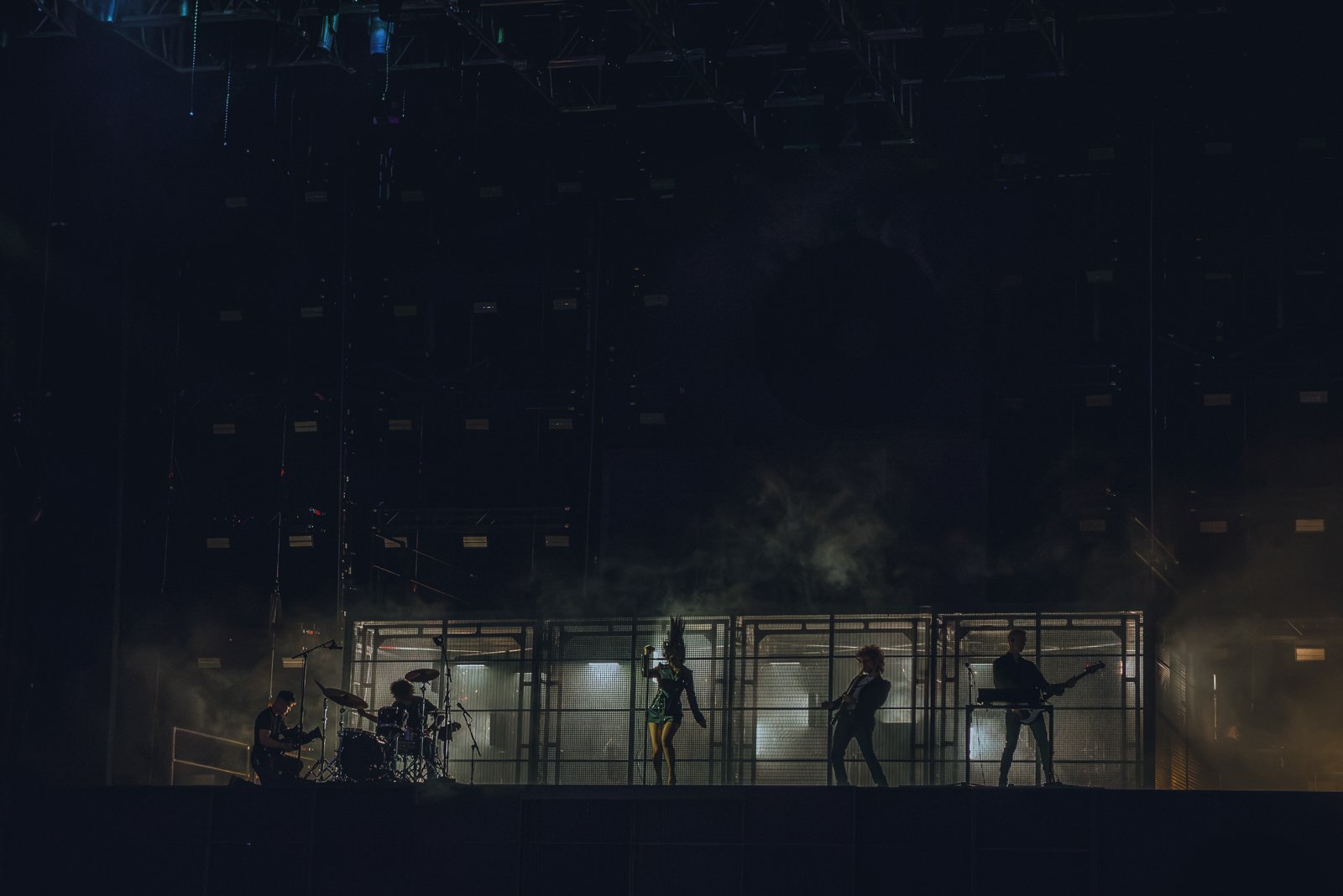
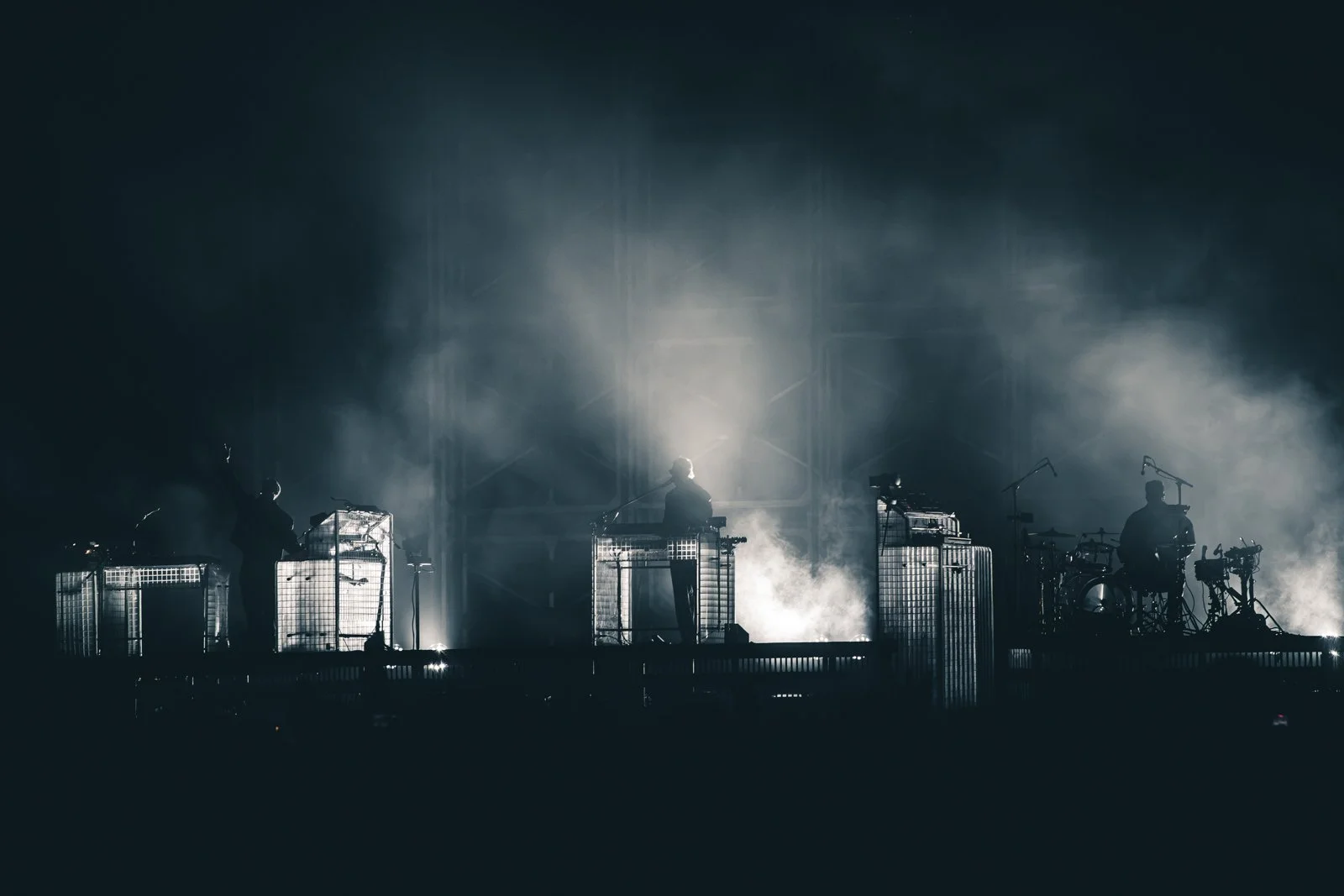
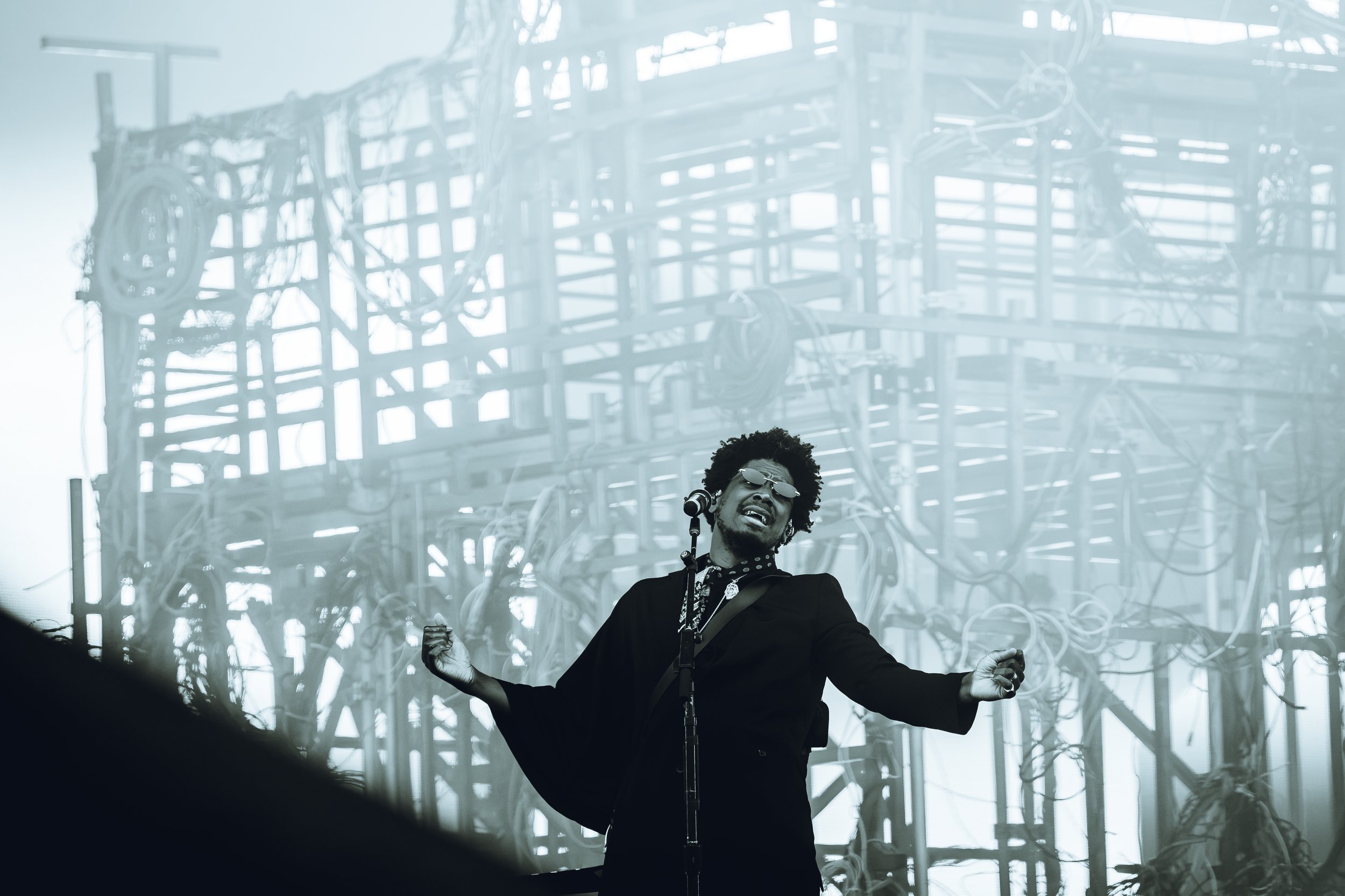
What does separate them is scale. Labrinth builds scaffolding, smoke, mirrors, lasers — a production already sized for the top of a poster. But being ready for that stage also means knowing when to change how you’re using it. At Coachella, he predominantly performed inside one of those caged structures and, while generally well received, a critique that came back was that the most indelible thing about him is his ability to connect with an audience, which is rare at the scale and functionally difficult from inside a cage. The feedback, delightfully, had come from his harshest critics: his own kids. He took the note, and at Lands End, the cage stayed empty.
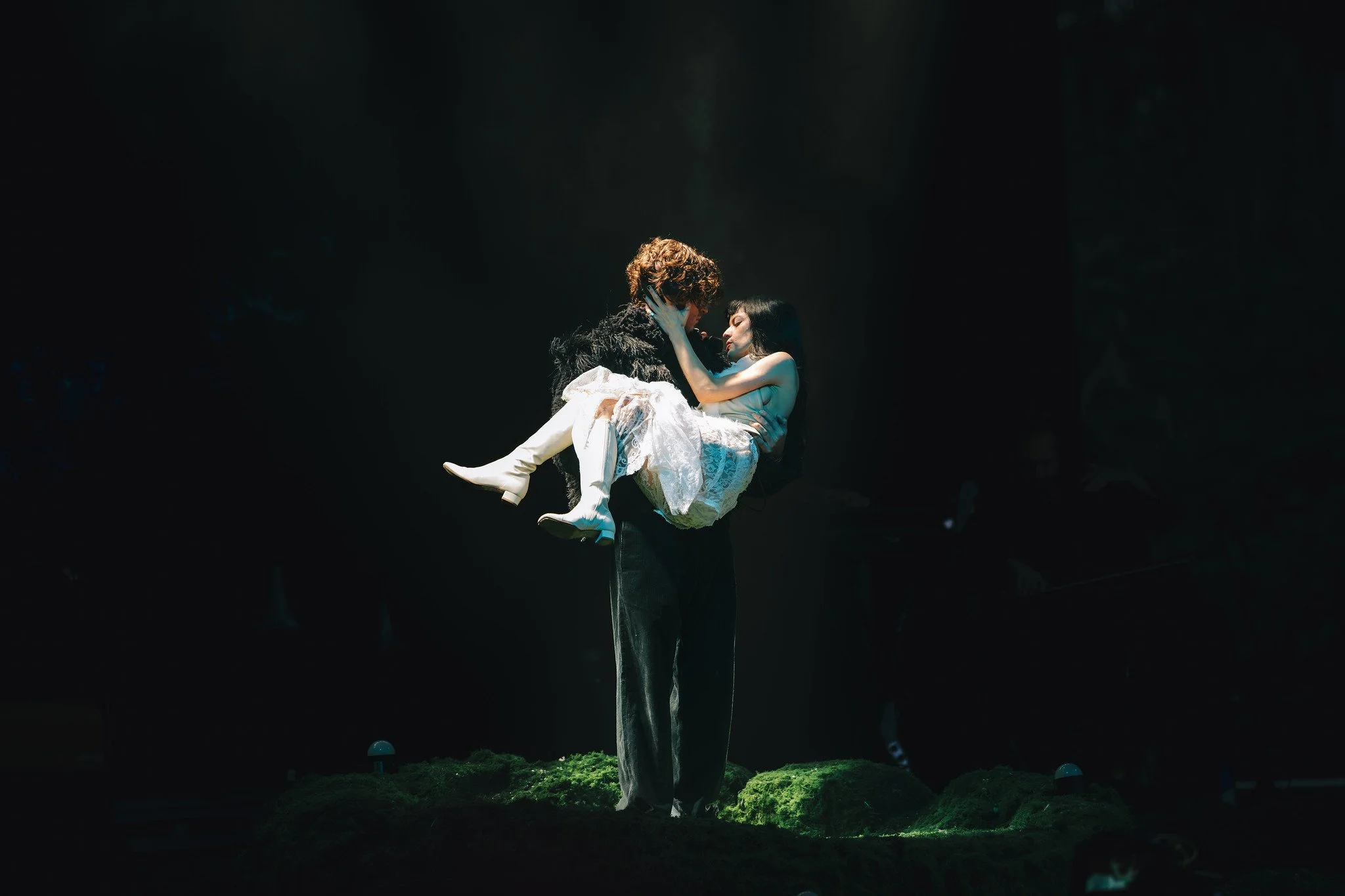
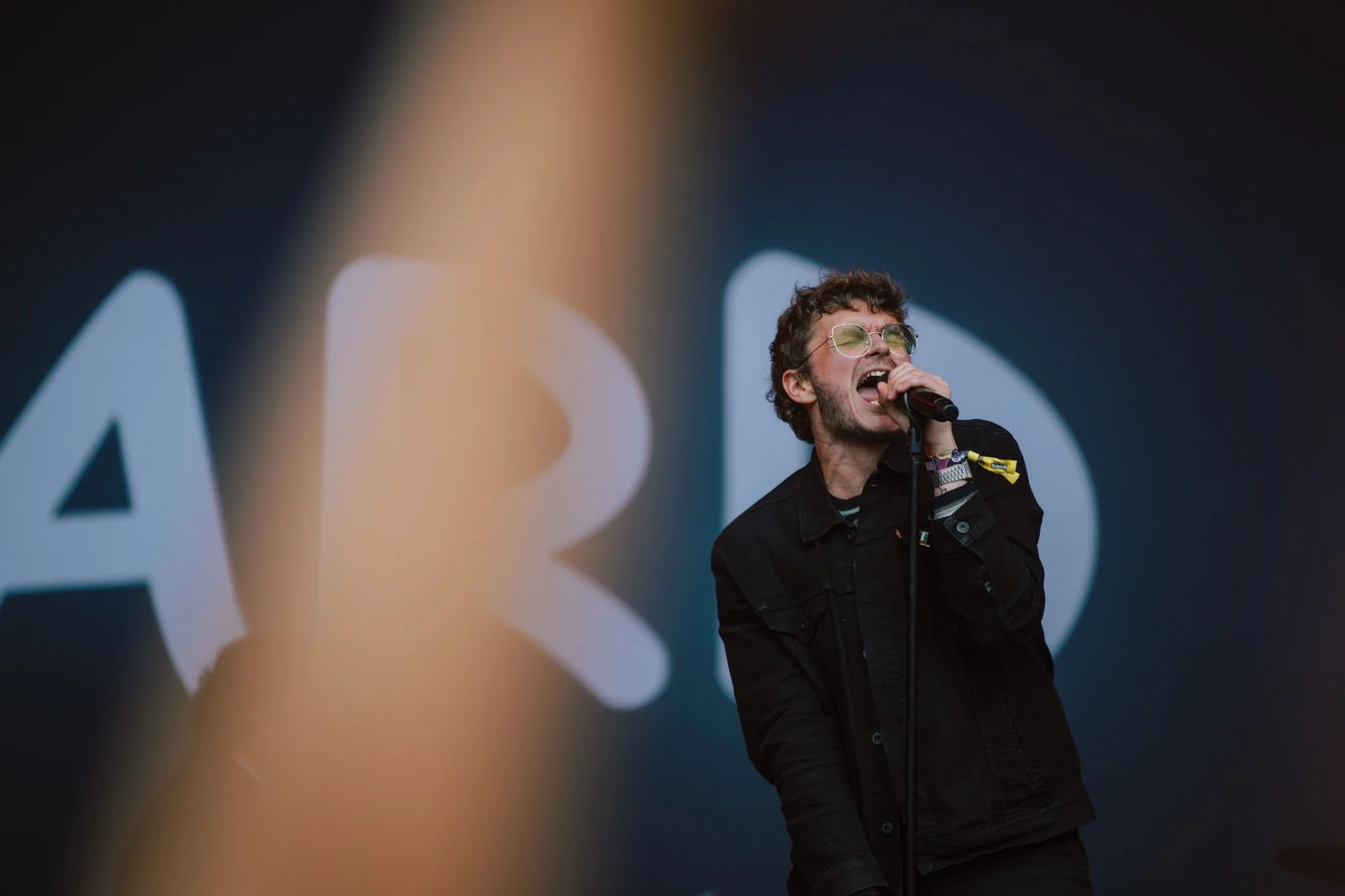
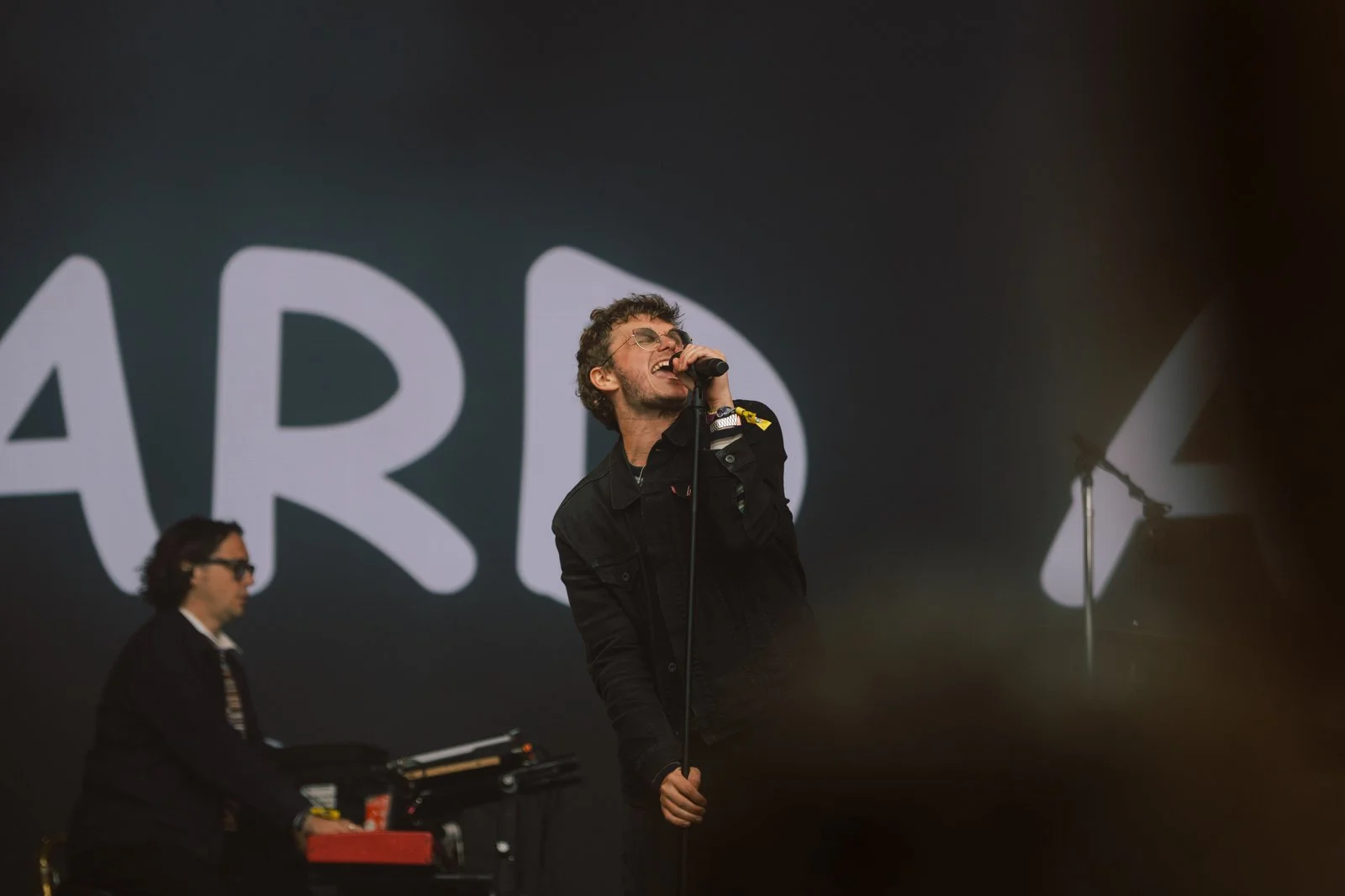
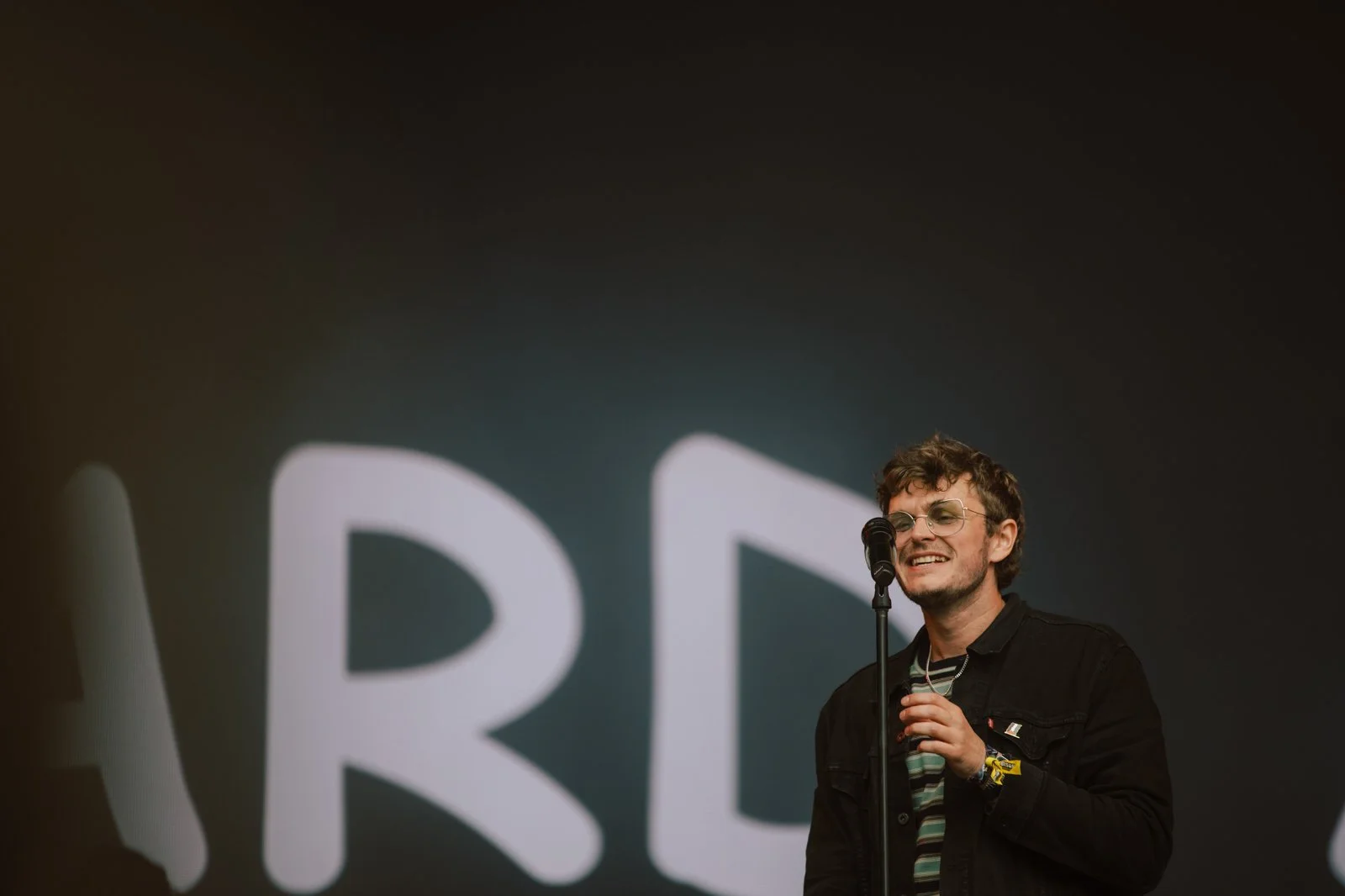
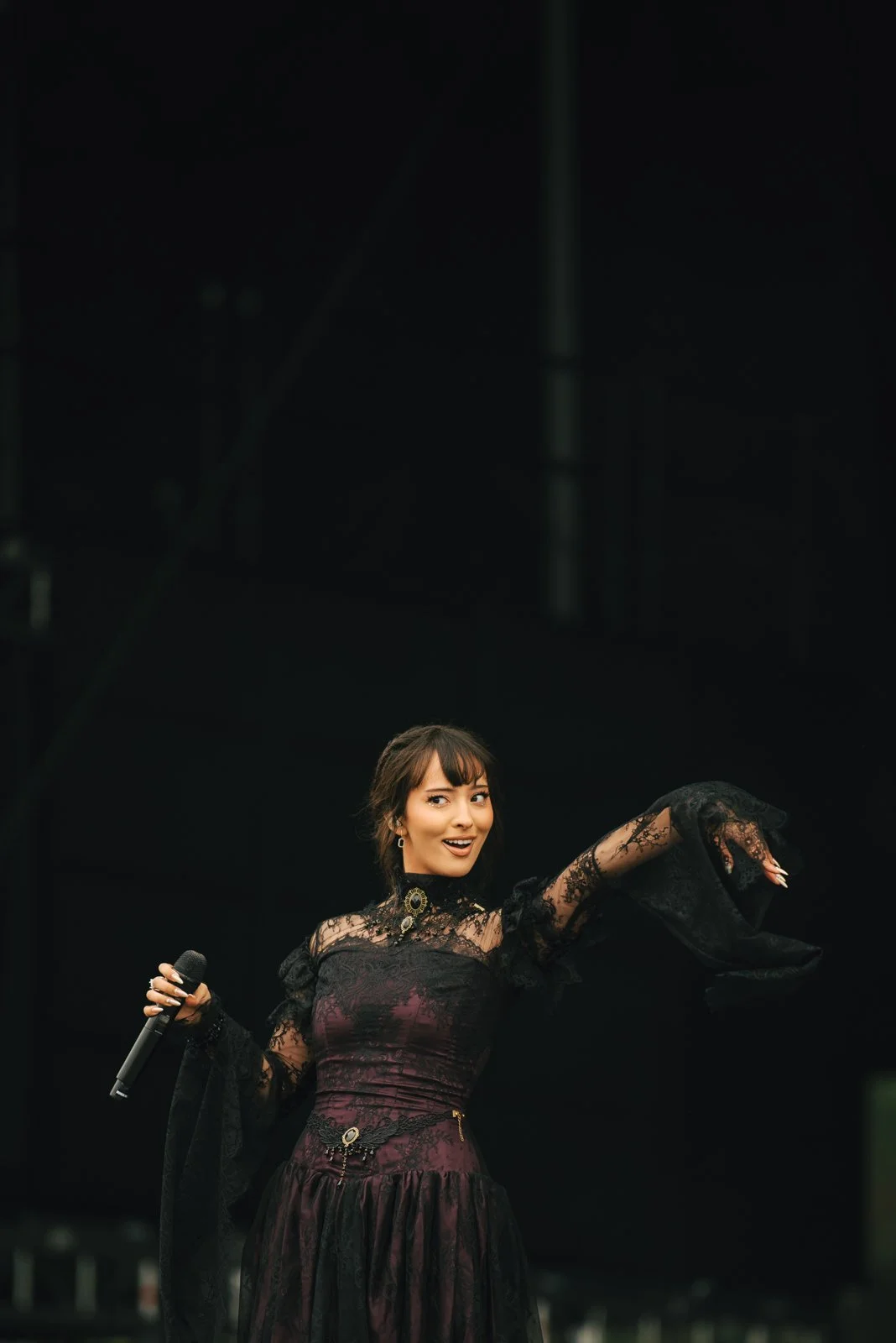
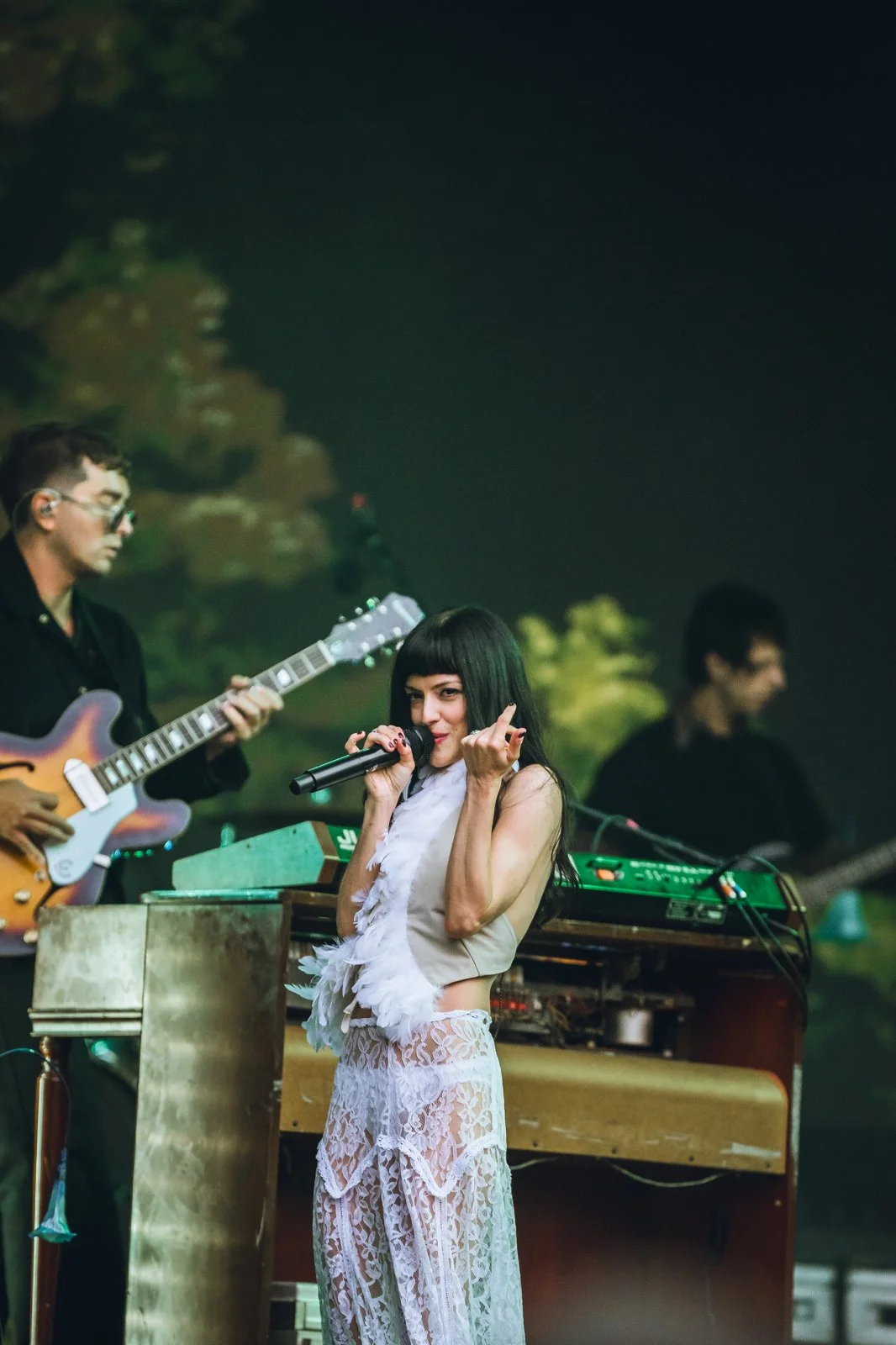
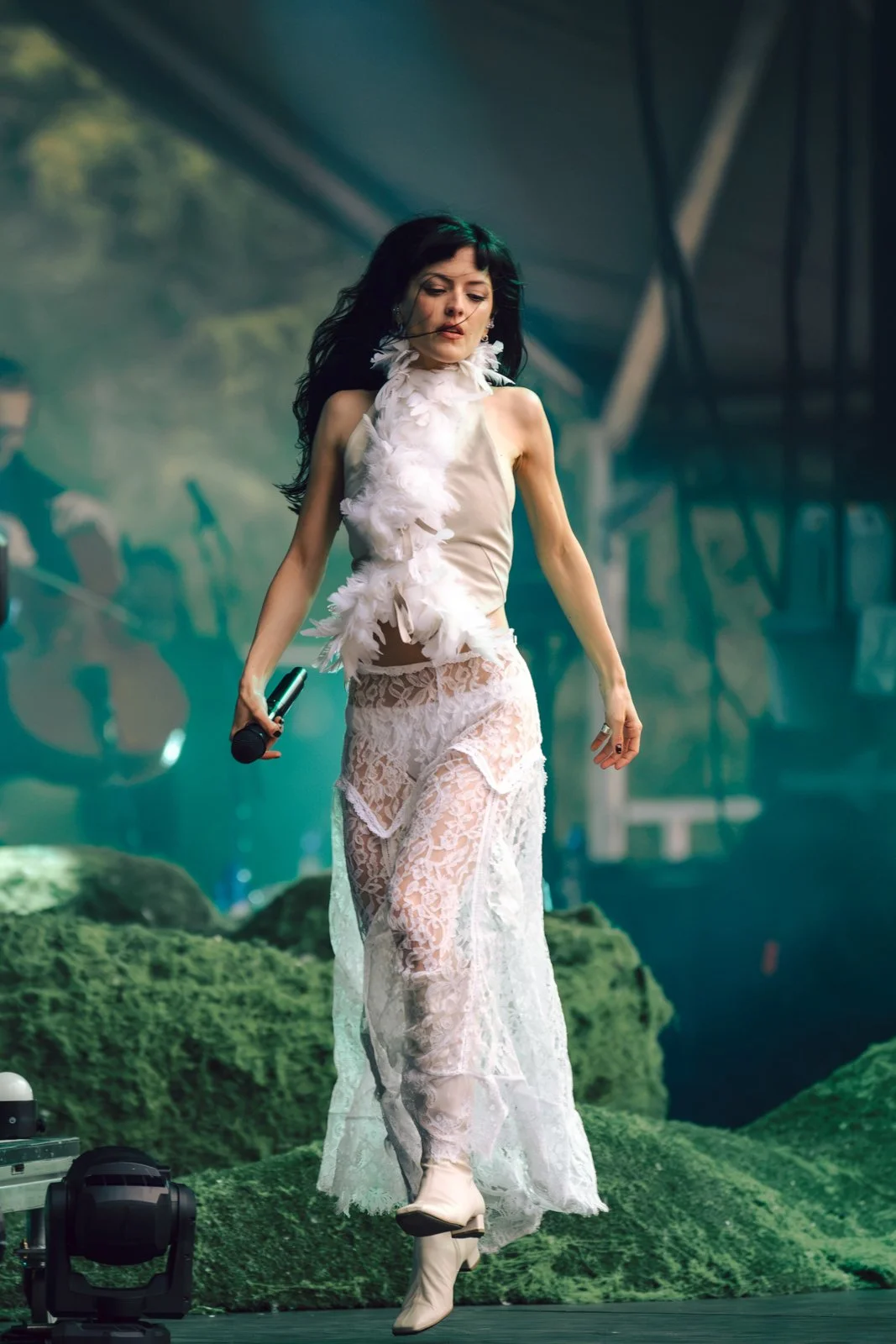
And then there’s NOT FOR RADIO. María Zardoya, better known as the leader of the equally popular Marías, made the curious decision to build a solo project with the same voice and same gothic romanticism, minus the pop architecture that has propelled the band into every Bib Gourmand restaurant’s Spotify playlist. In its place is a vision informed by her fantastical and modern reading of Swan Lake — love, betrayal, sacrifice — worked into the sonics and staging alike, which is the instinct that future headliners require.
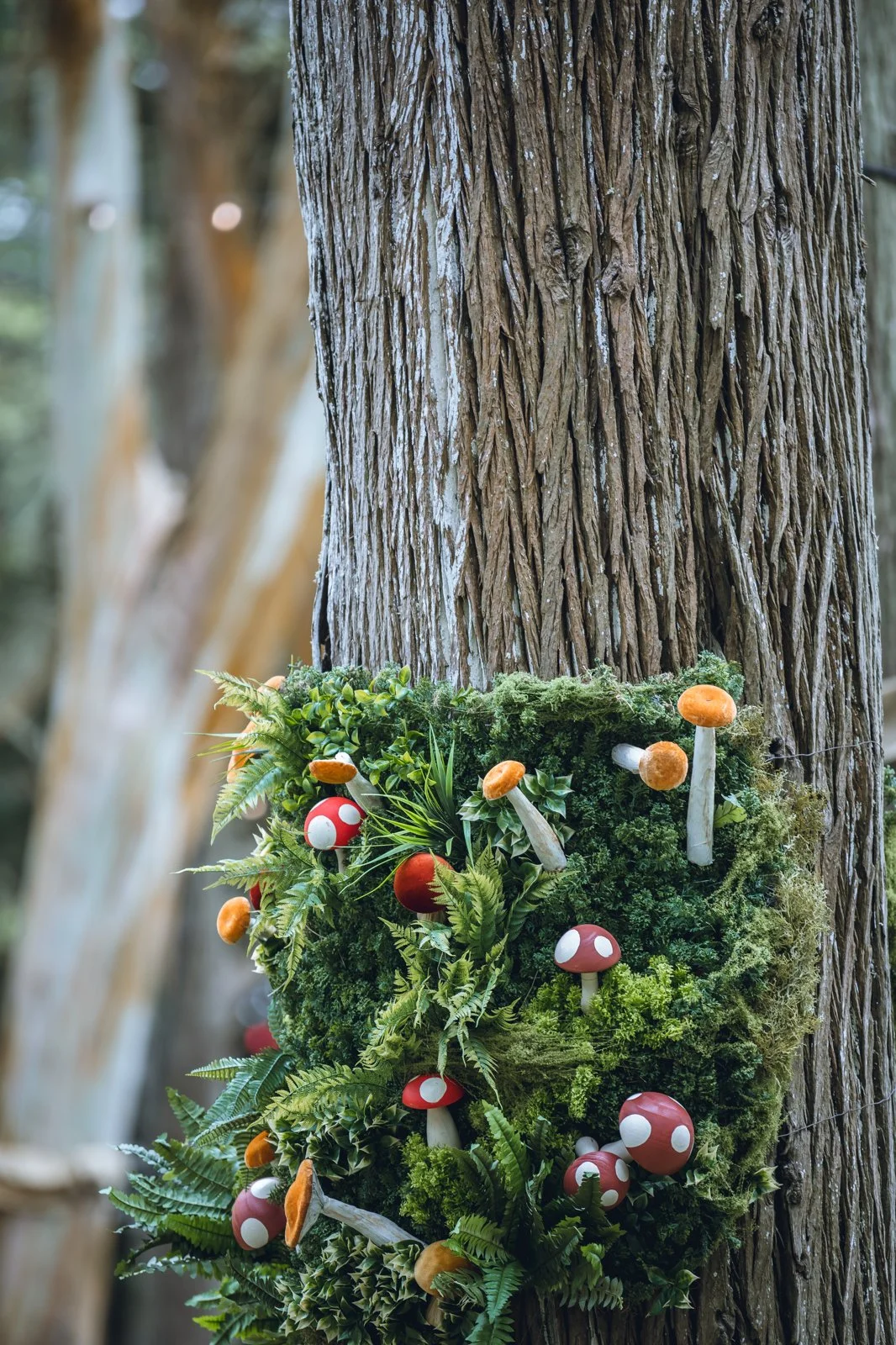
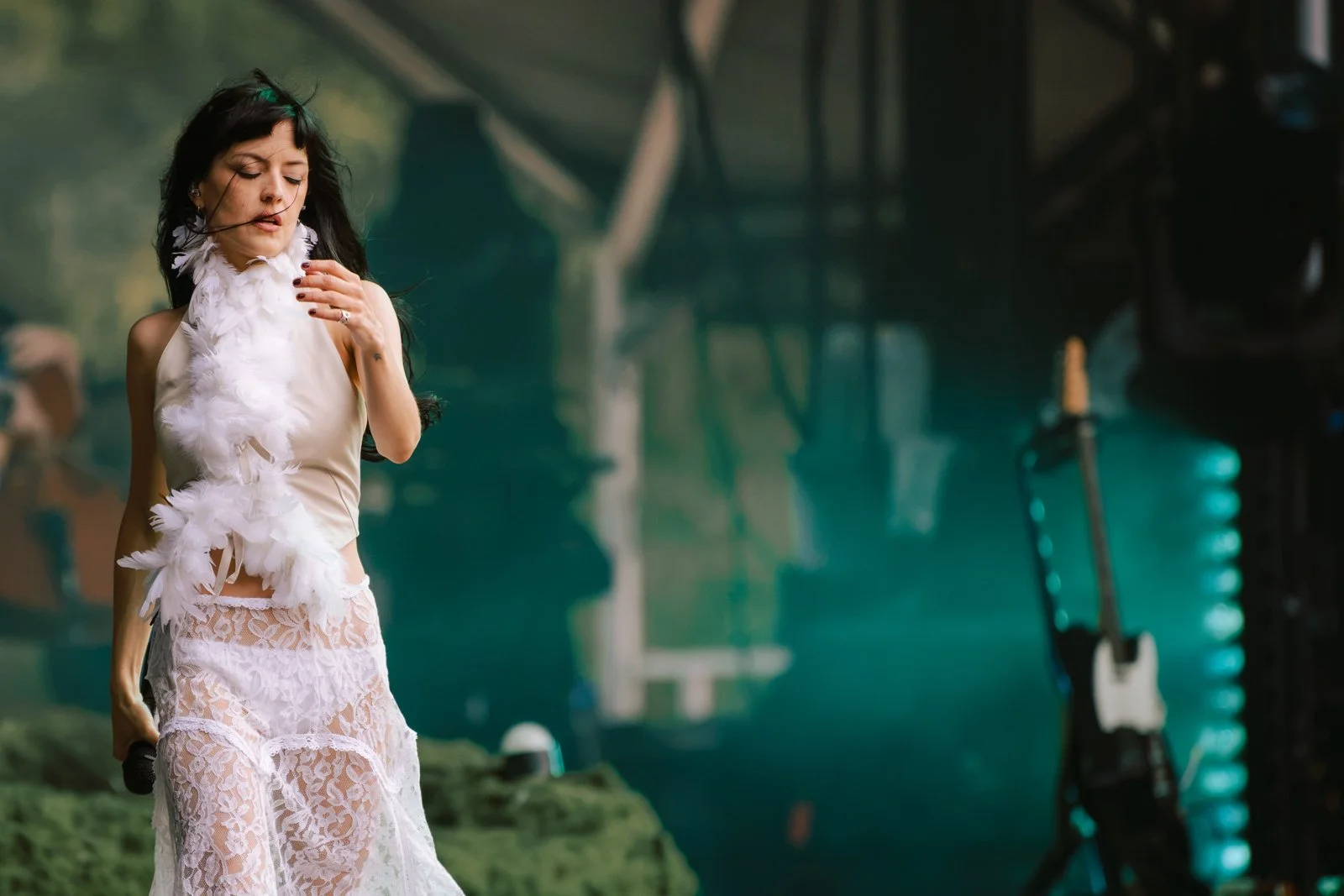
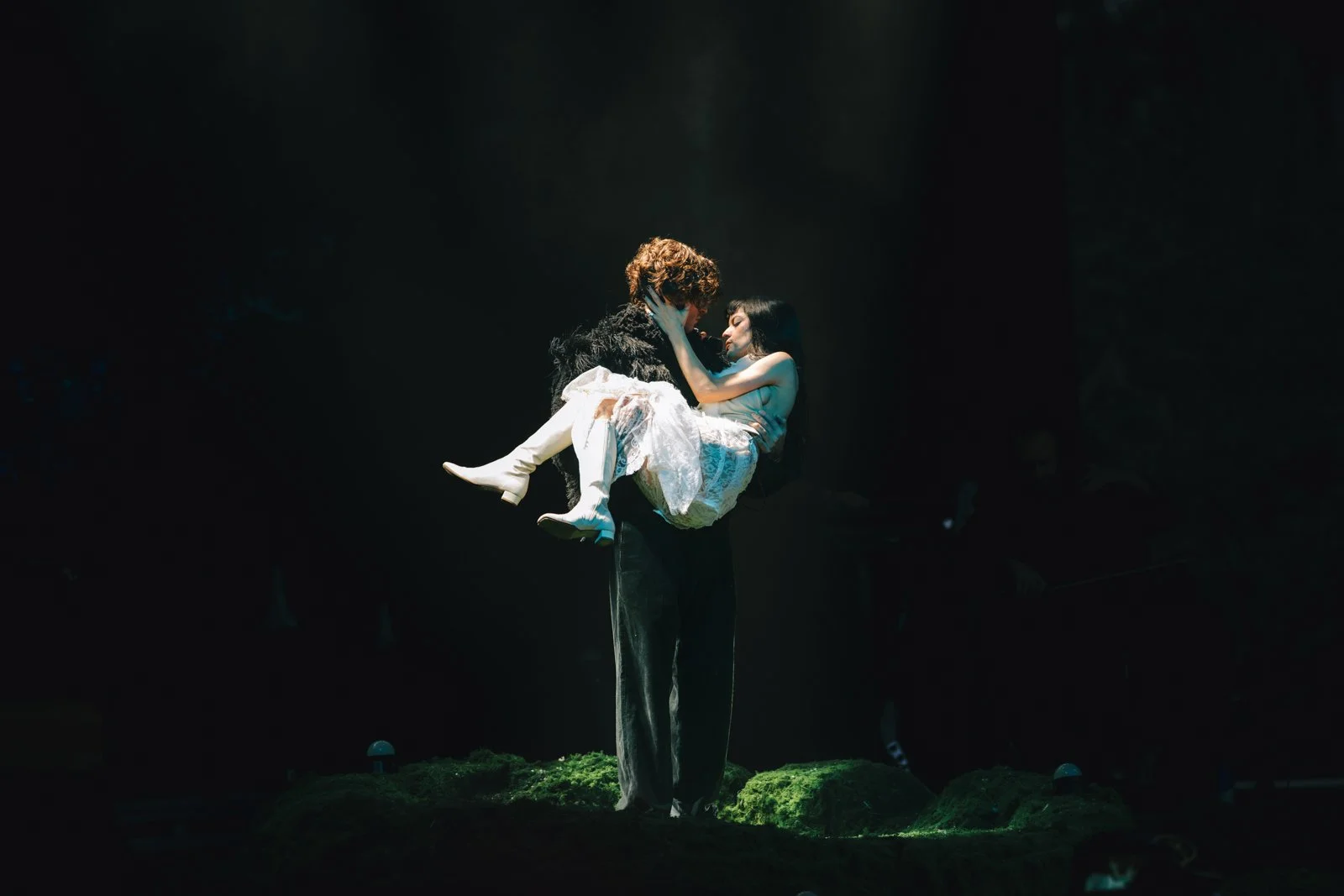
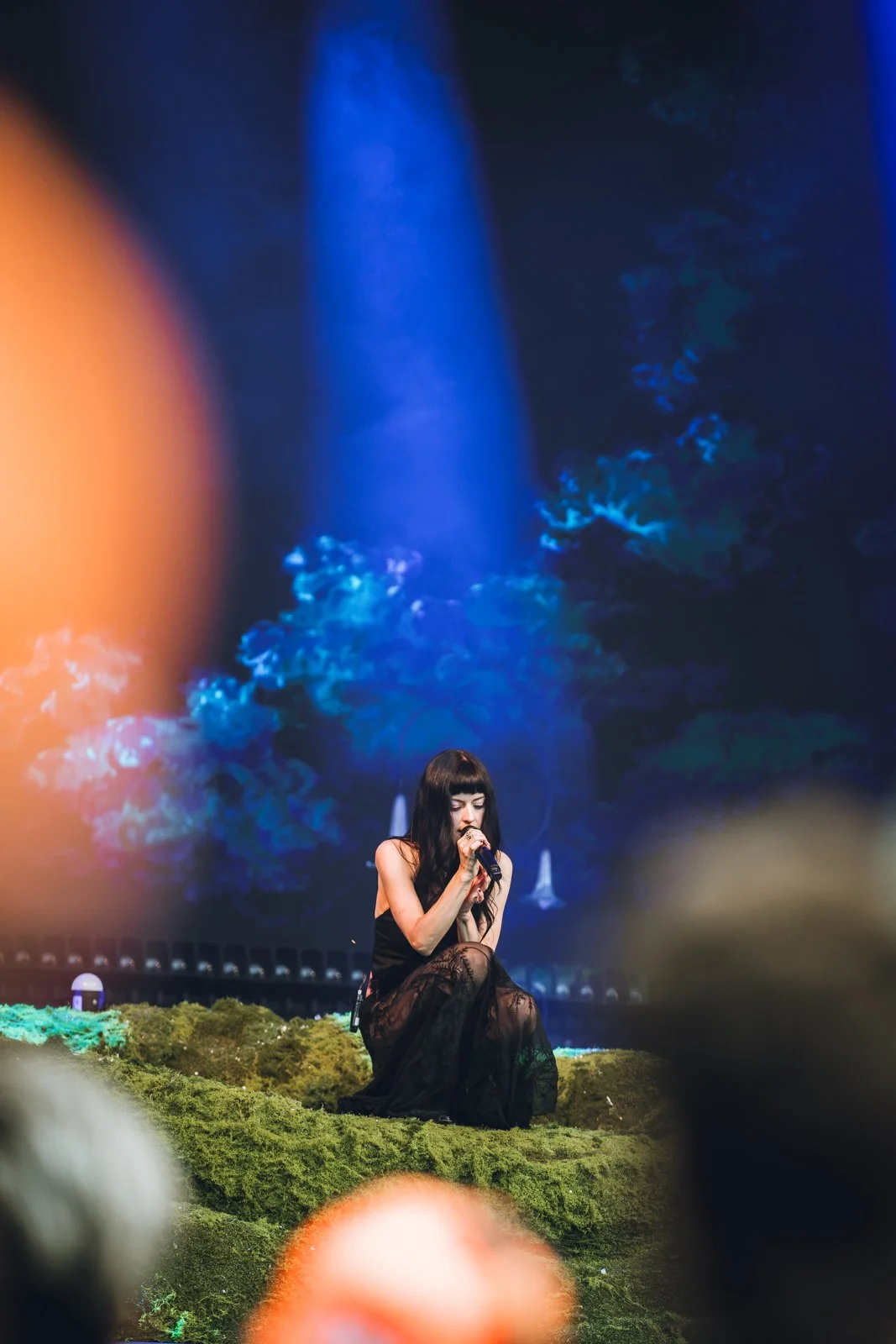
On the Sutro stage laid a hillside of moss and greenery under multi-colored smoke, a midsummer night’s dream with the lights turned down, Zardoya moving through it in white feathers and lace by way of Alexander McQueen. The performance played out like a three-act play. At one point, she was carried by a black-feathered figure cradling her toward what looked like a long sleep. Another point, she laid prostrate across the moss, singing in agony better suited to a Greek demigod than to a Friday afternoon in a public park.
If the XX taught a generation of sexless millennials how to locate their own sensuality, Not For Radio is doing the same job for the people twelve years behind them. Detractors will say the music is too sleepy, that it can’t hold the attention of a generation with a fourteen-second memory. But look at another artist with headliner status like Lana Del Rey, who built a career on a Gen Z ennui and a nonchalant sadness that gets worn proudly as a transparent shroud rather than a scarlet letter. Zardoya is paying tribute to that precedent, and proving the same thing Lana did — that you don’t necessarily need pyro, smoke, mirrors, or a beat over 128 bpm to command the attention of thousands of people.
IV. In Many Ways, They’ll Miss The Good Ol’ Days (Death Cab For Cutie, The XX, The Strokes)
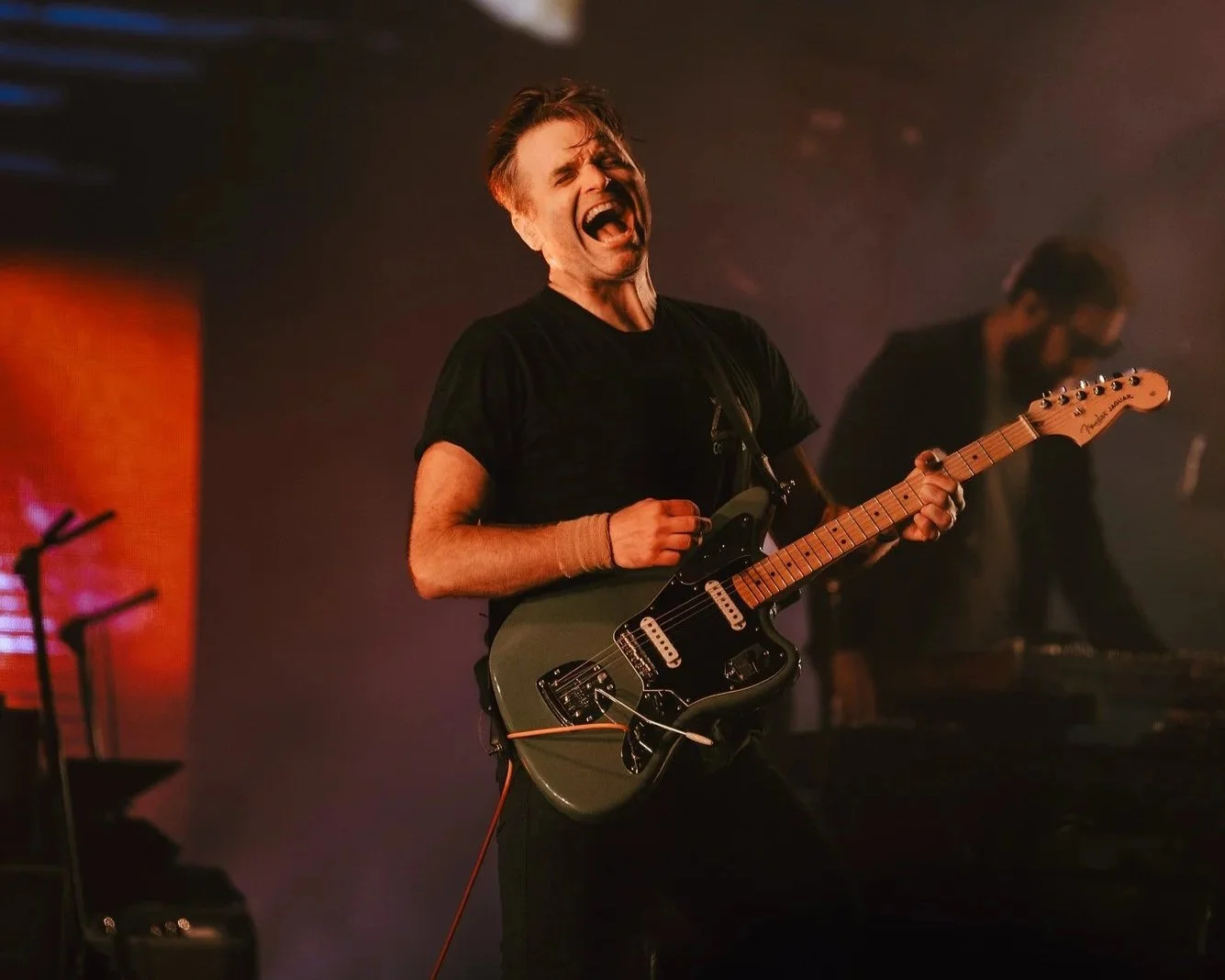
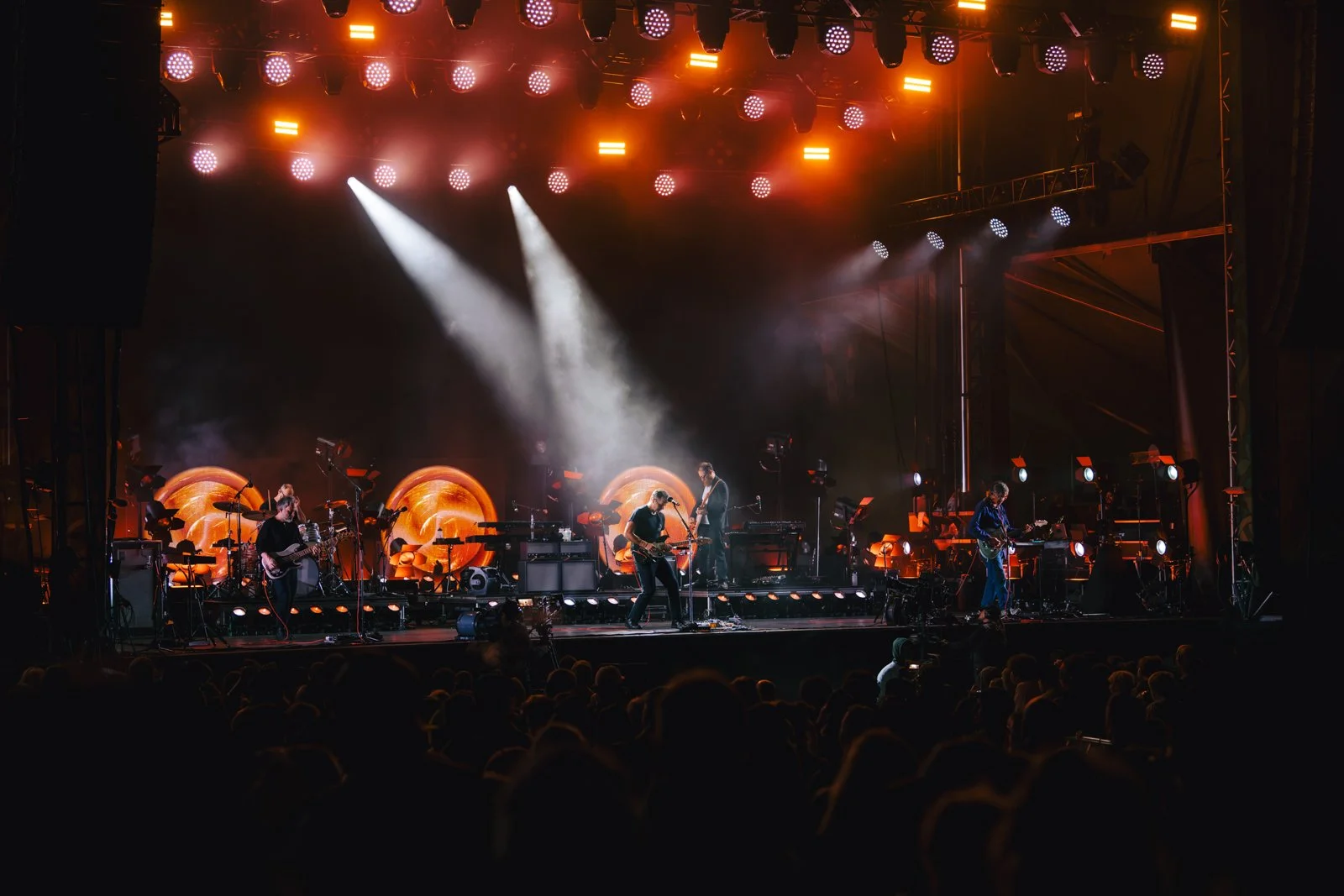
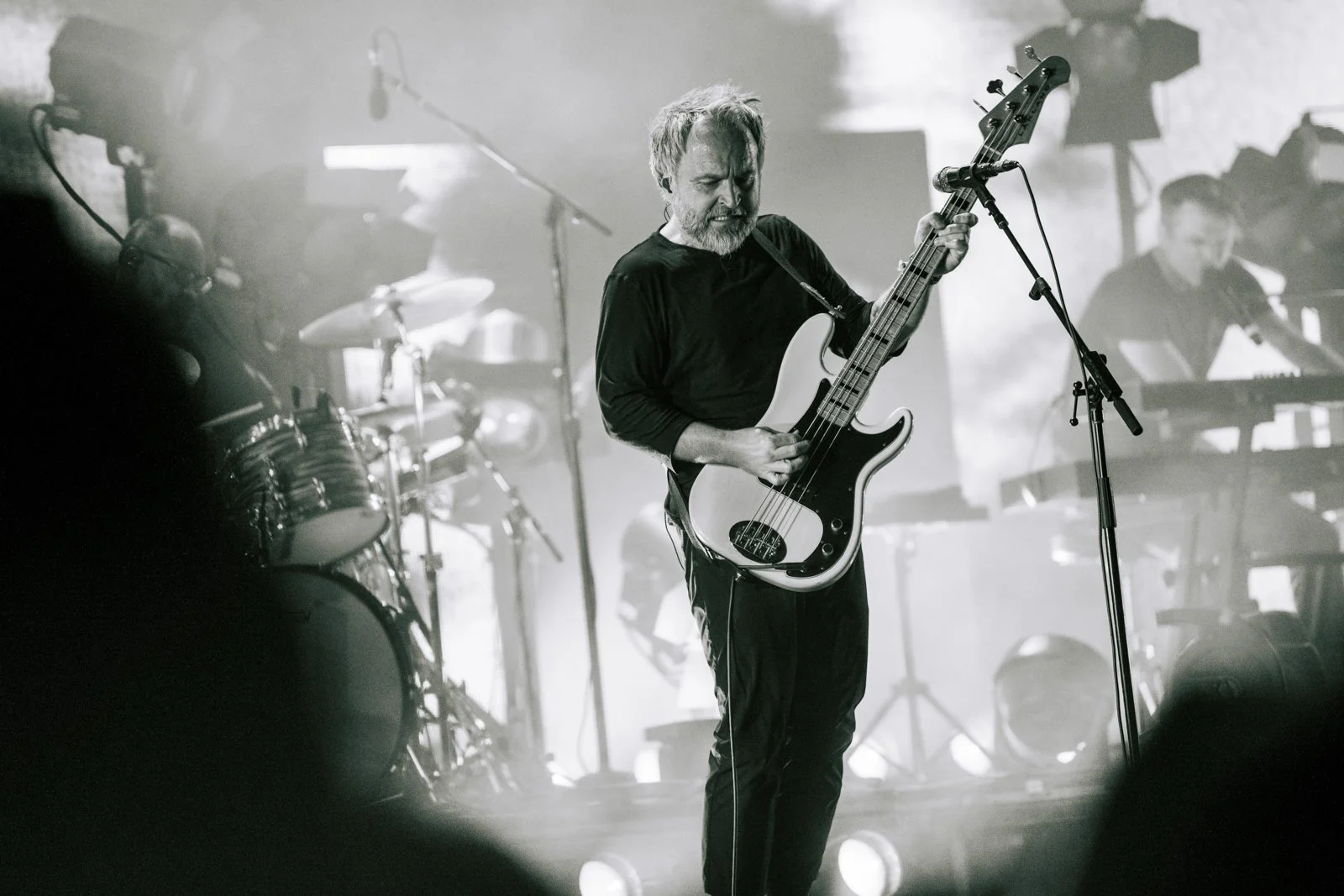
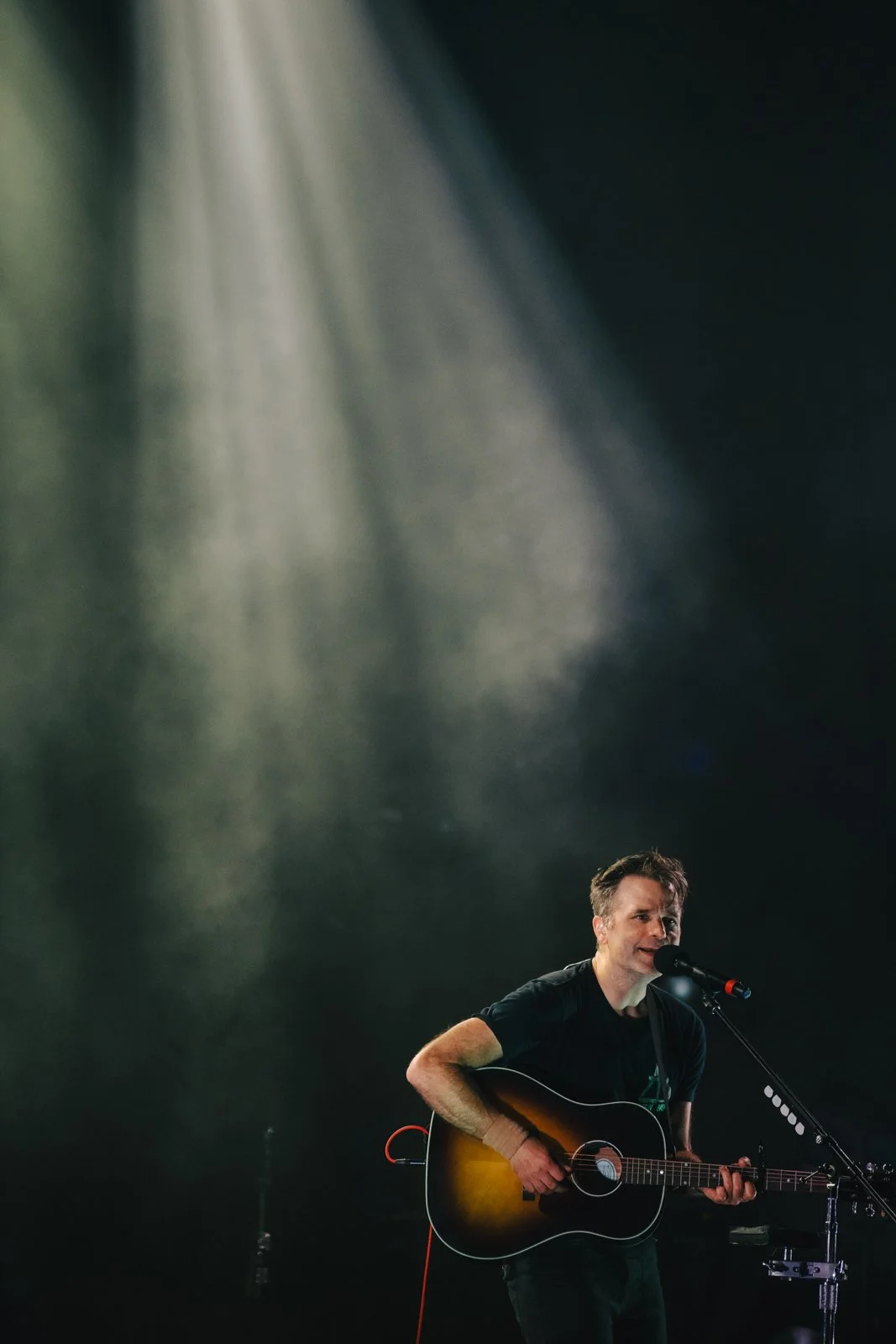
The most revealing moment of the weekend came Sunday night at Sutro from a fifty year old man alone with an acoustic guitar. Ben Gibbard was playing DEATH CAB FOR CUTIE’s second set of the day to a crowd who had skipped RÜFÜS to be there. Before the last chorus of “I Will Follow You Into the Dark",” he asked them to sing it without him. He’d stay quiet. He wanted to hear the echoes come back off the trees.
It’s a wildly popular song that has never felt like one. It is likely a first-dance-at-a-wedding song for hundreds of people, and every one of those people believed they were the only one who ever understood it. That’s the trick of a great song — something written so potently it convinces you it was written just for you. As the crowd sang the chorus, the thousands in attendance discovered that what they once believed was a private totem was always communal, bouncing off a canopy a Scottish gardener spent fifty-three years establishing on a dune. The songs that defined our formative years, the ones that felt like private property, turned out to be a shared inheritance. And the era those songs belonged to are further away than we’d like it to be.
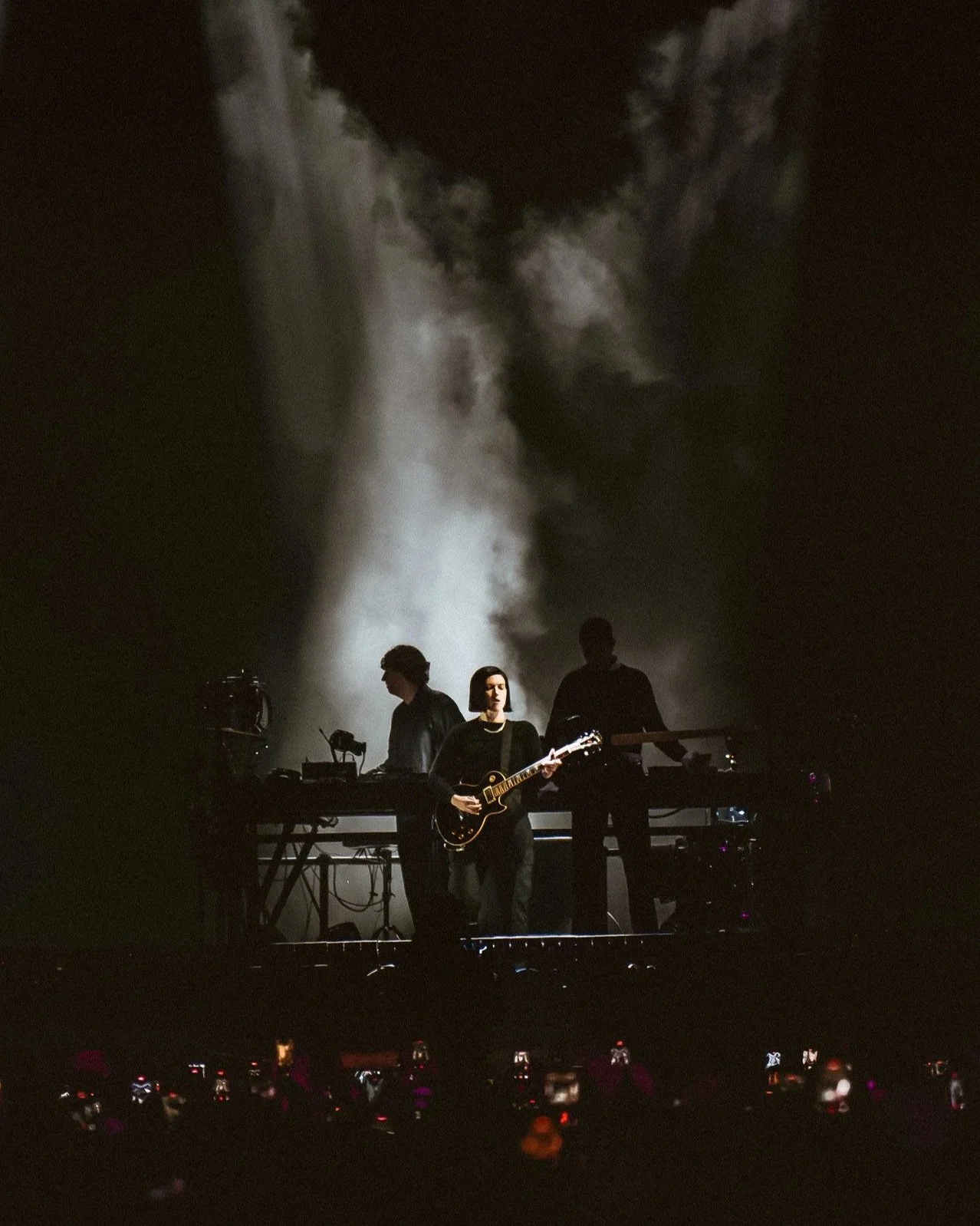
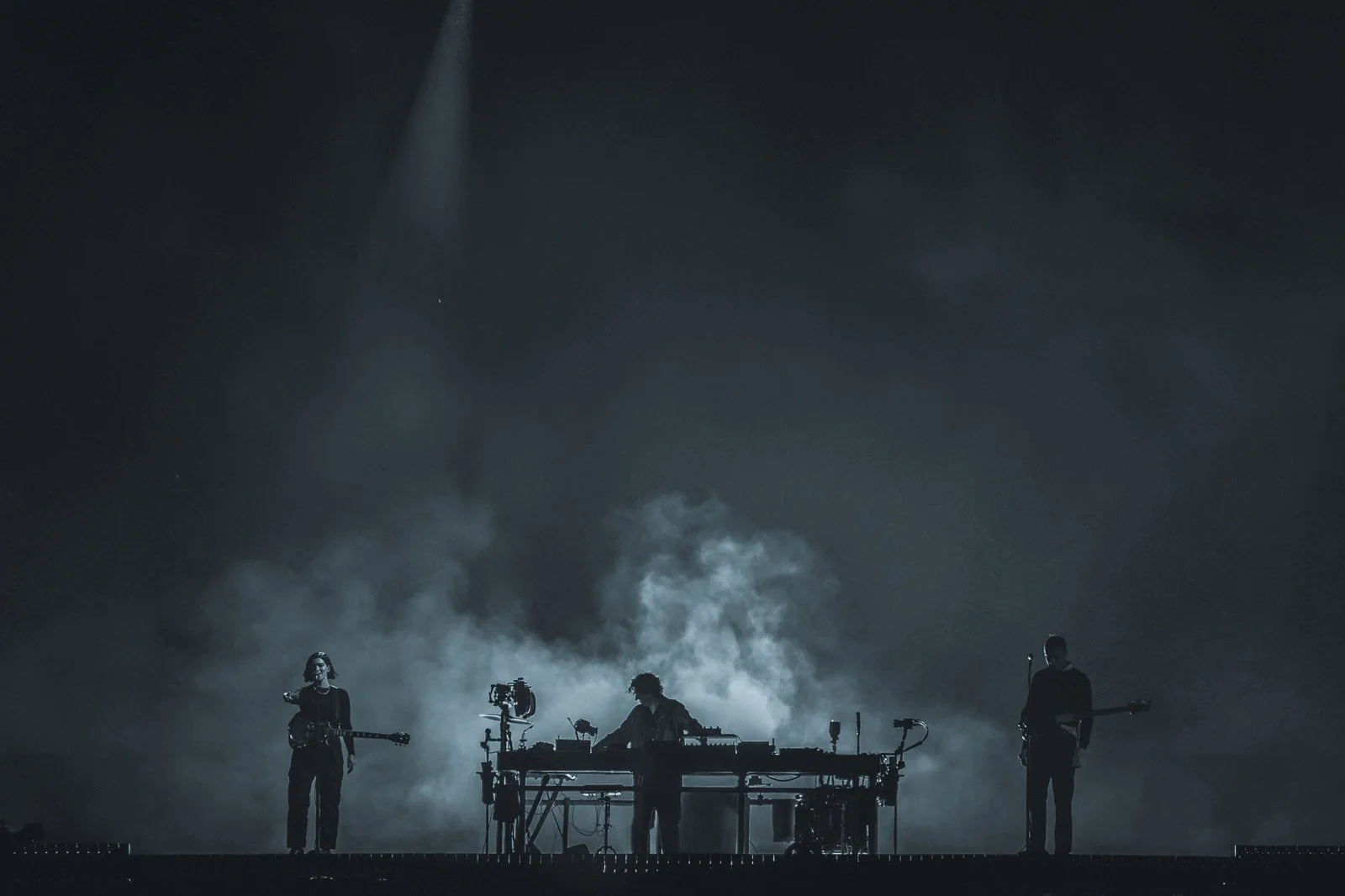
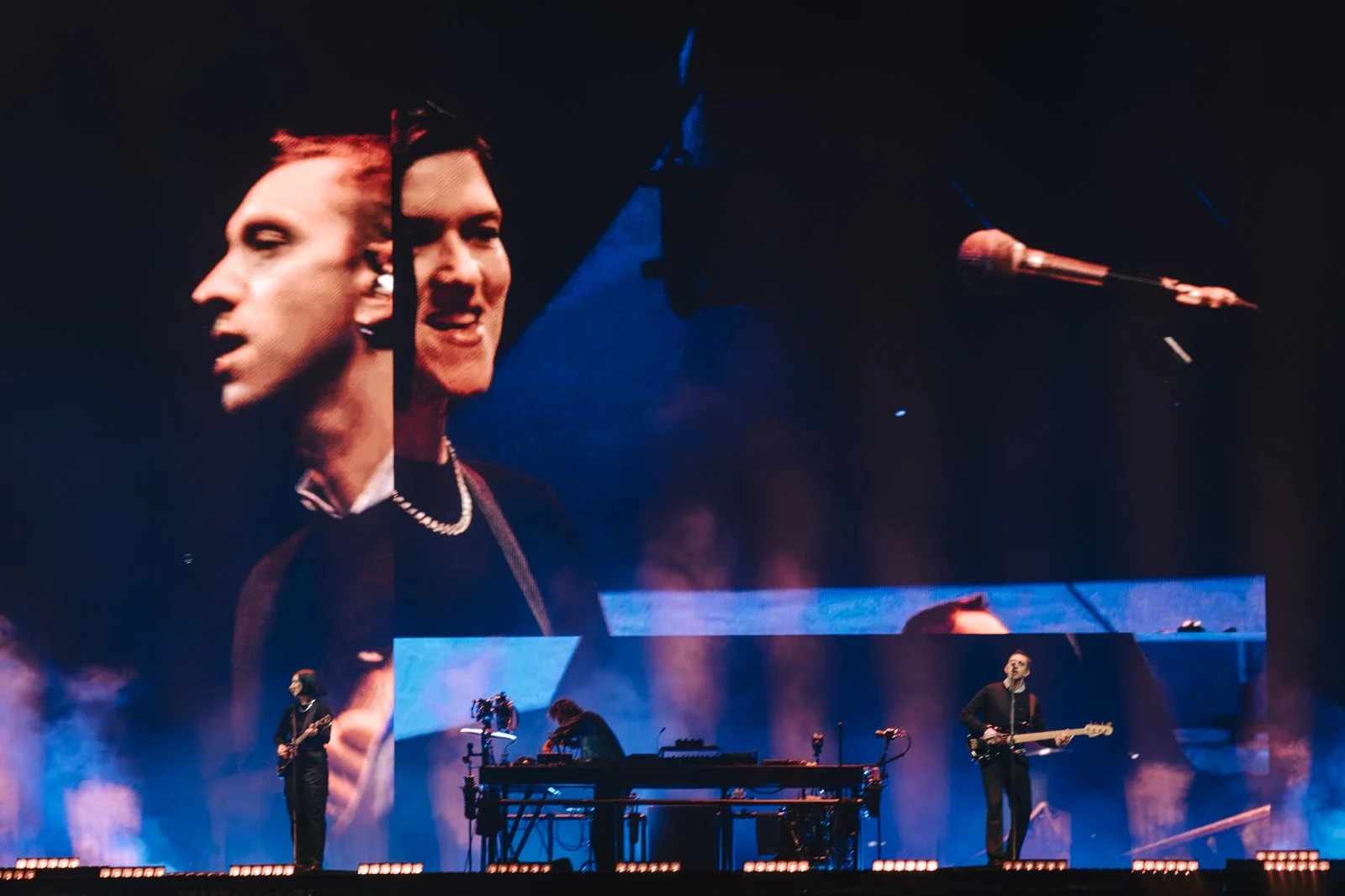
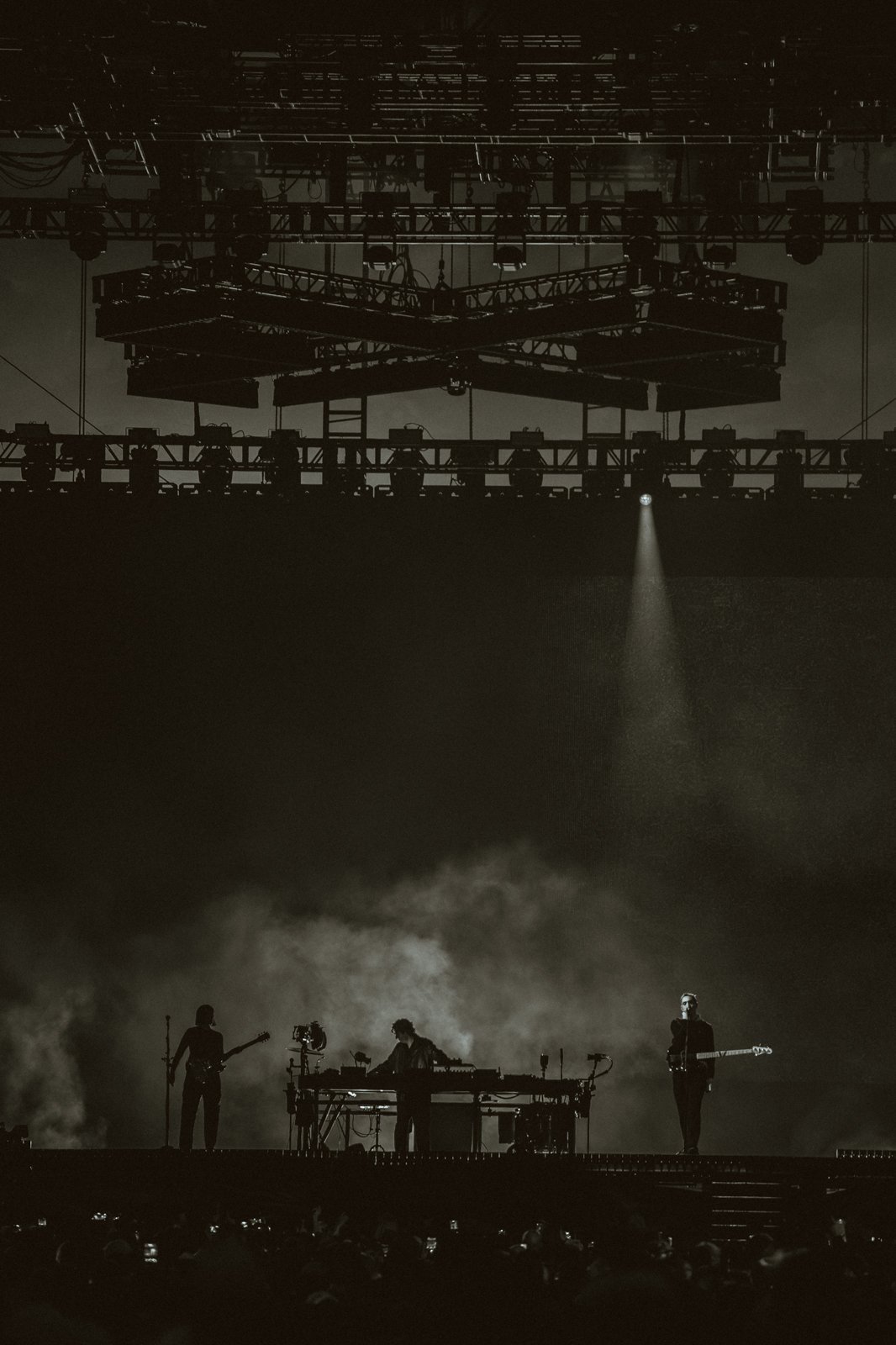
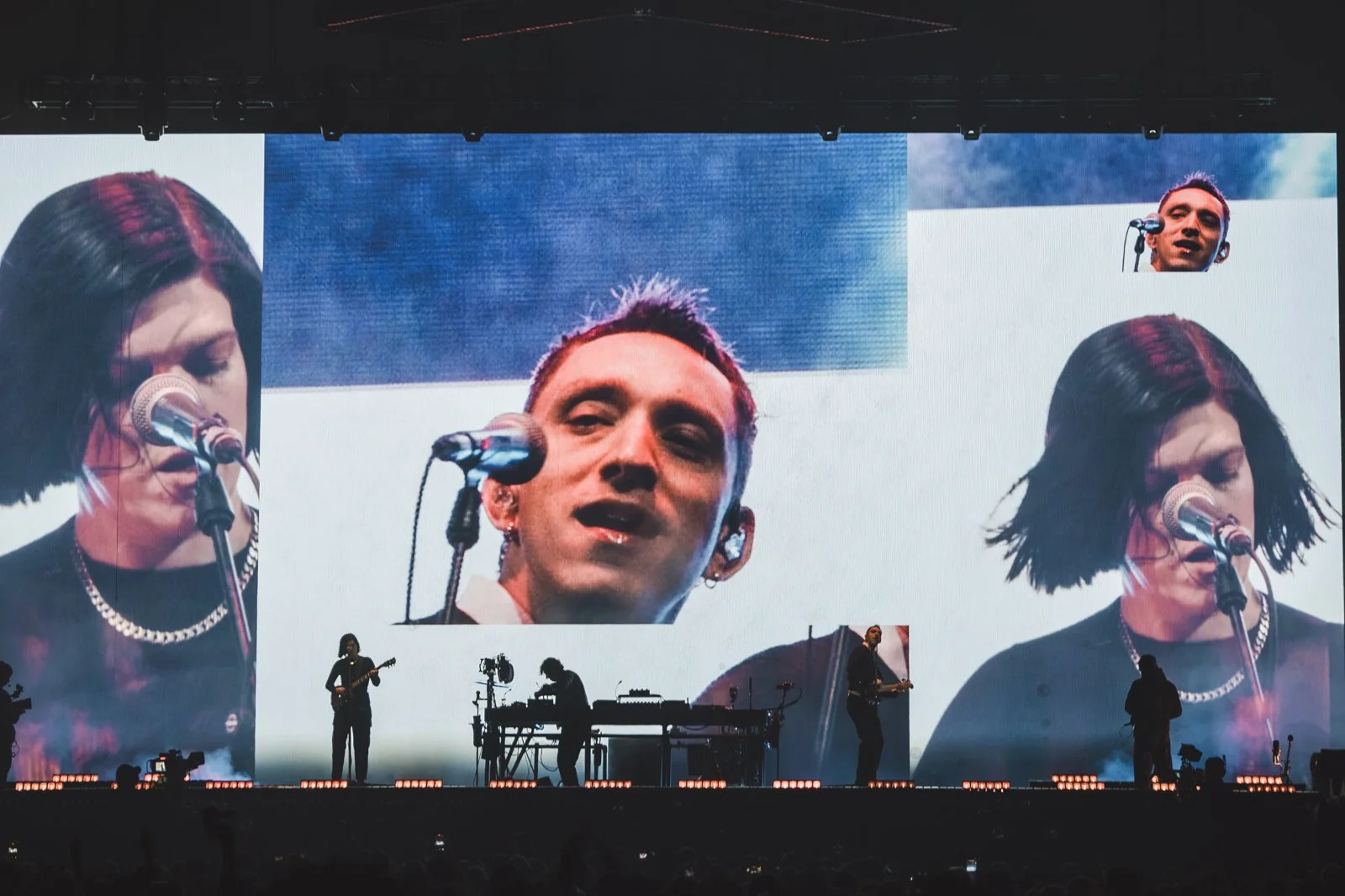
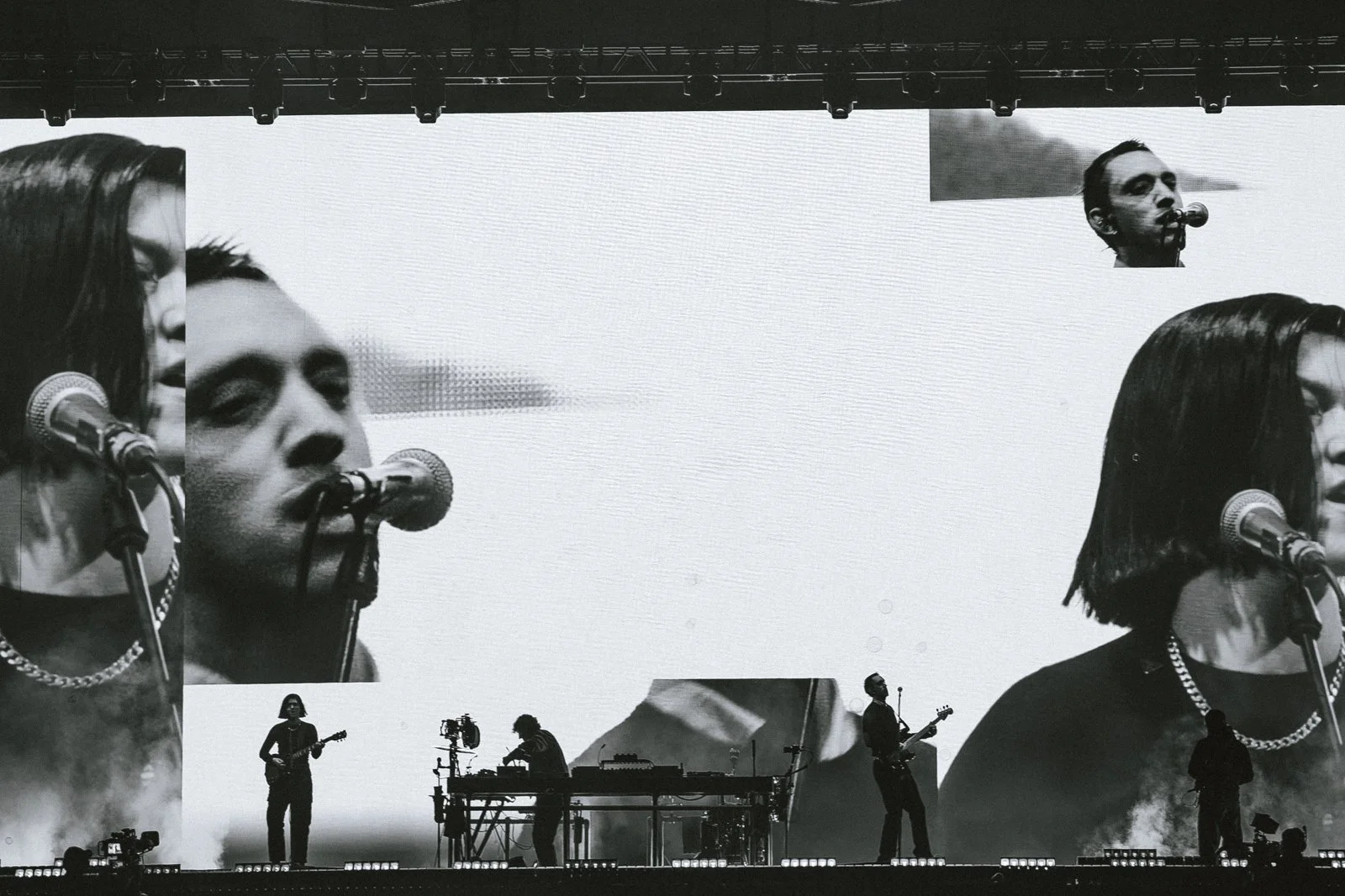
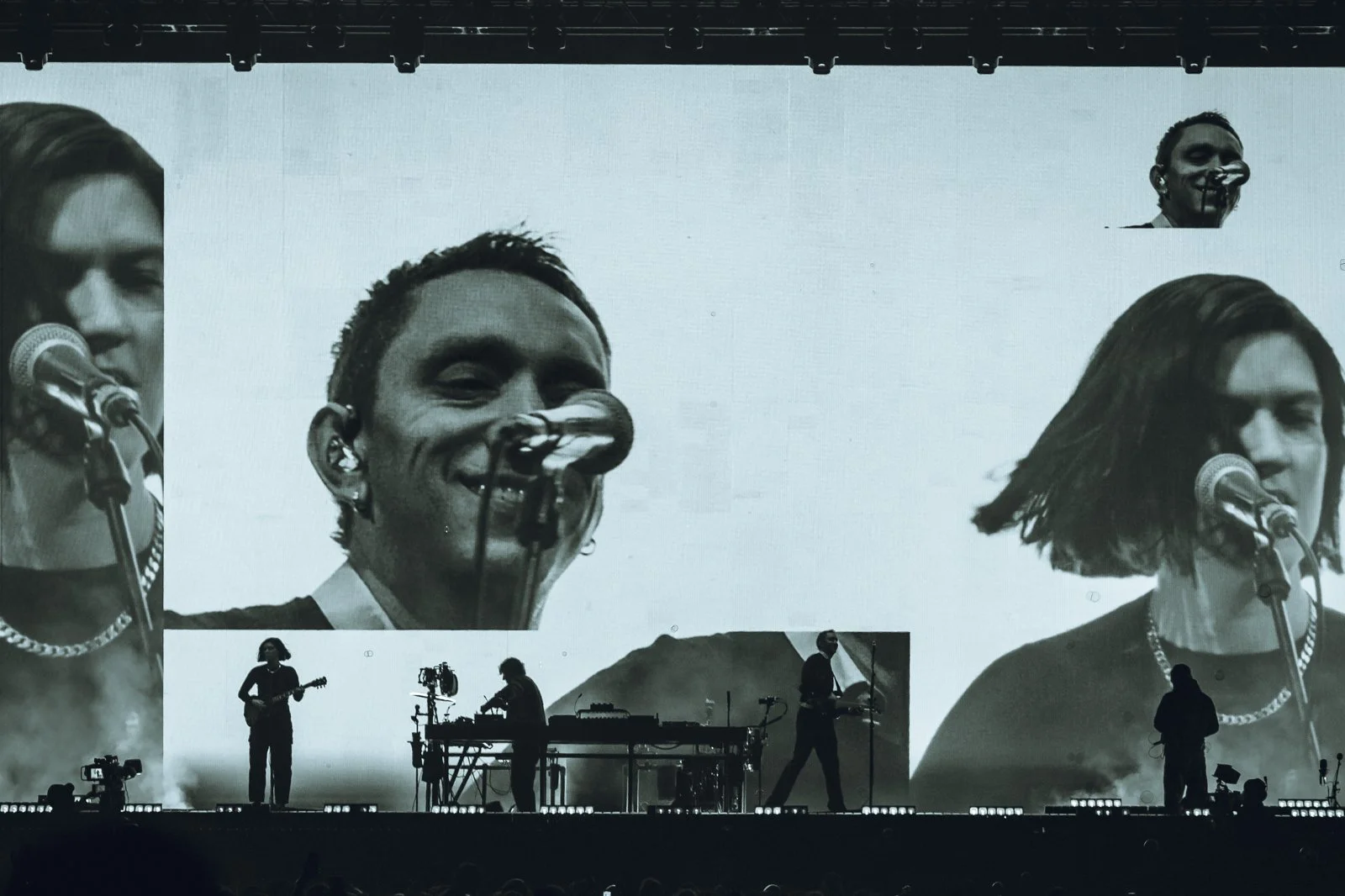
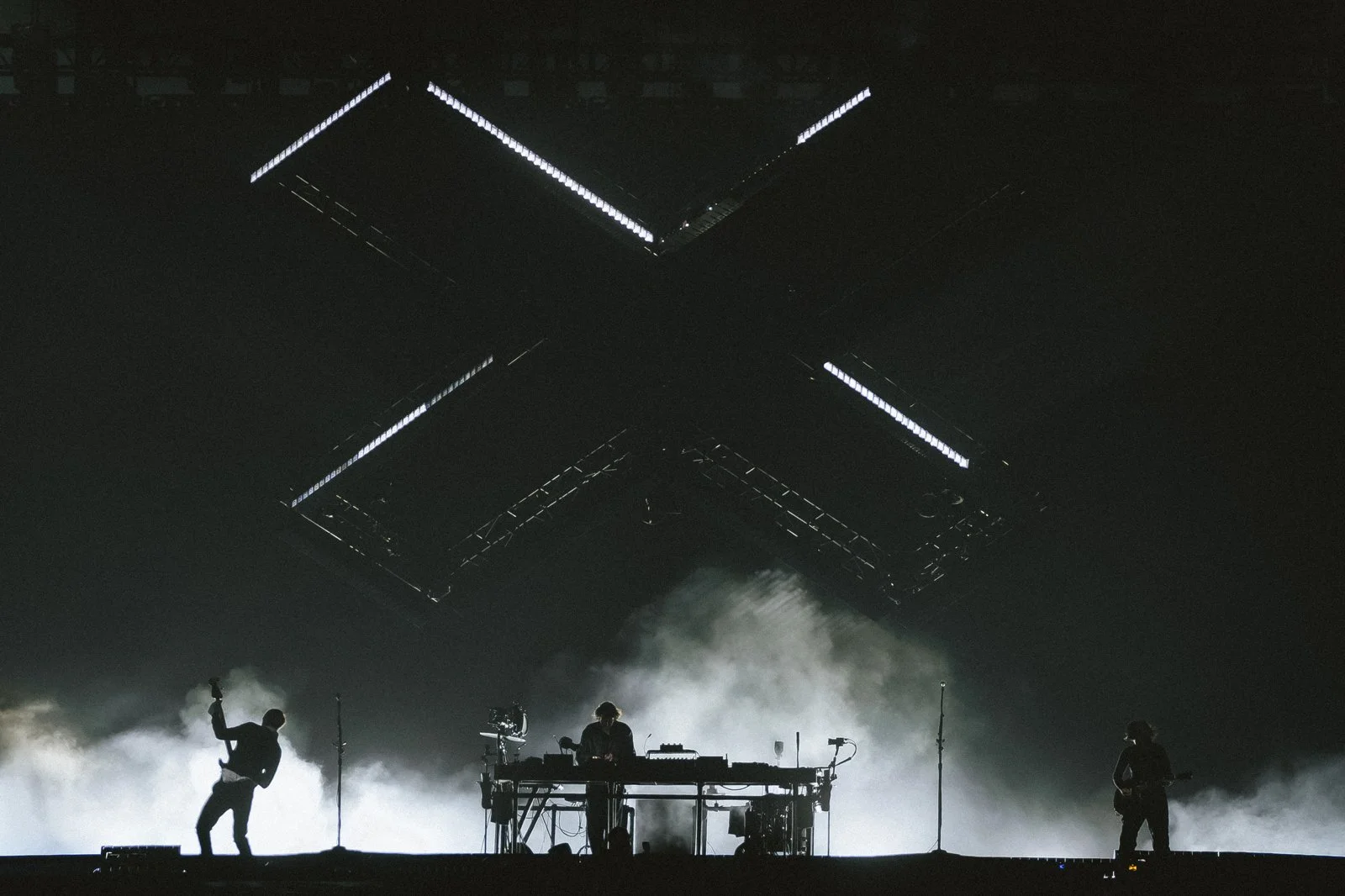
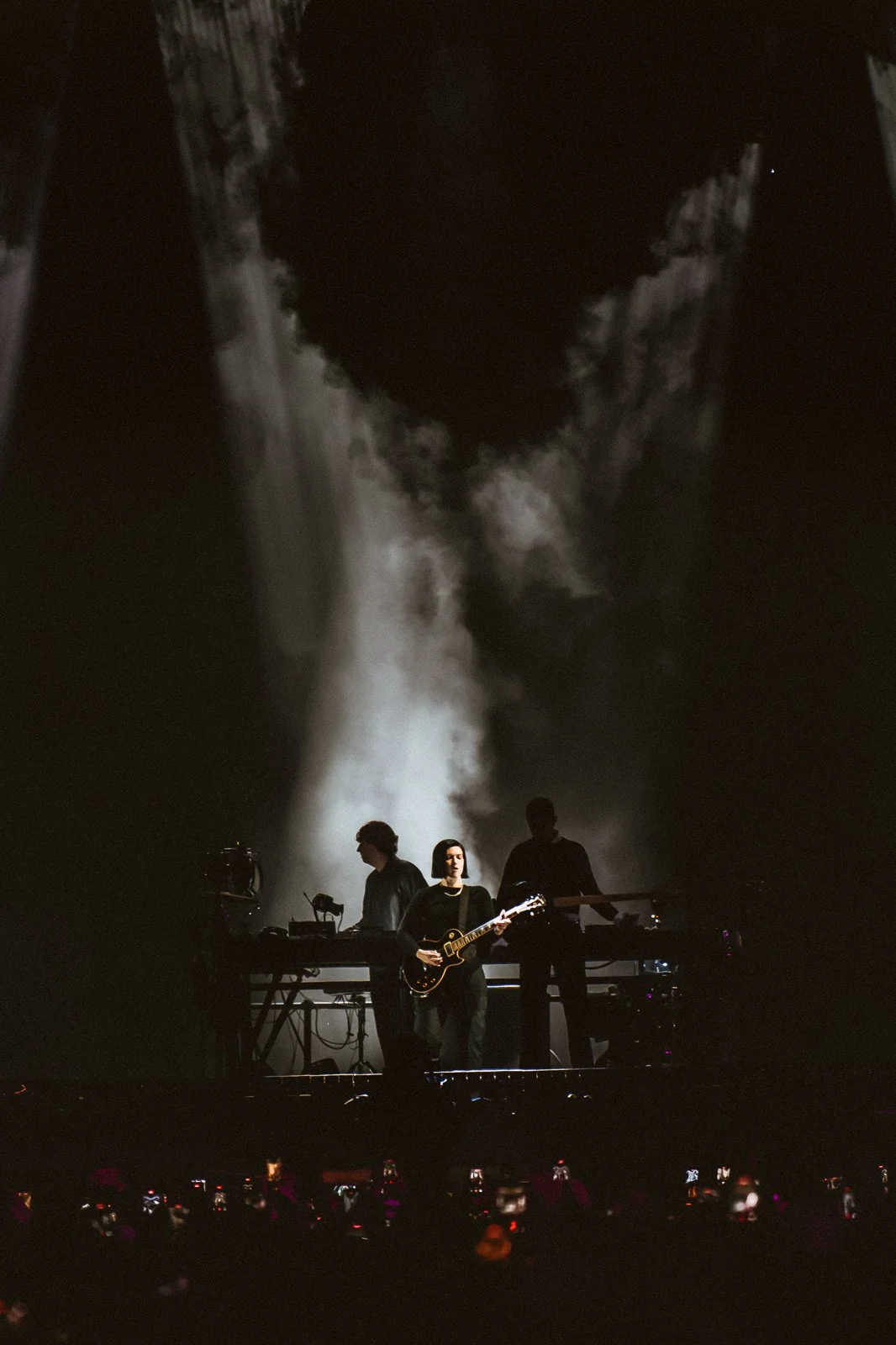
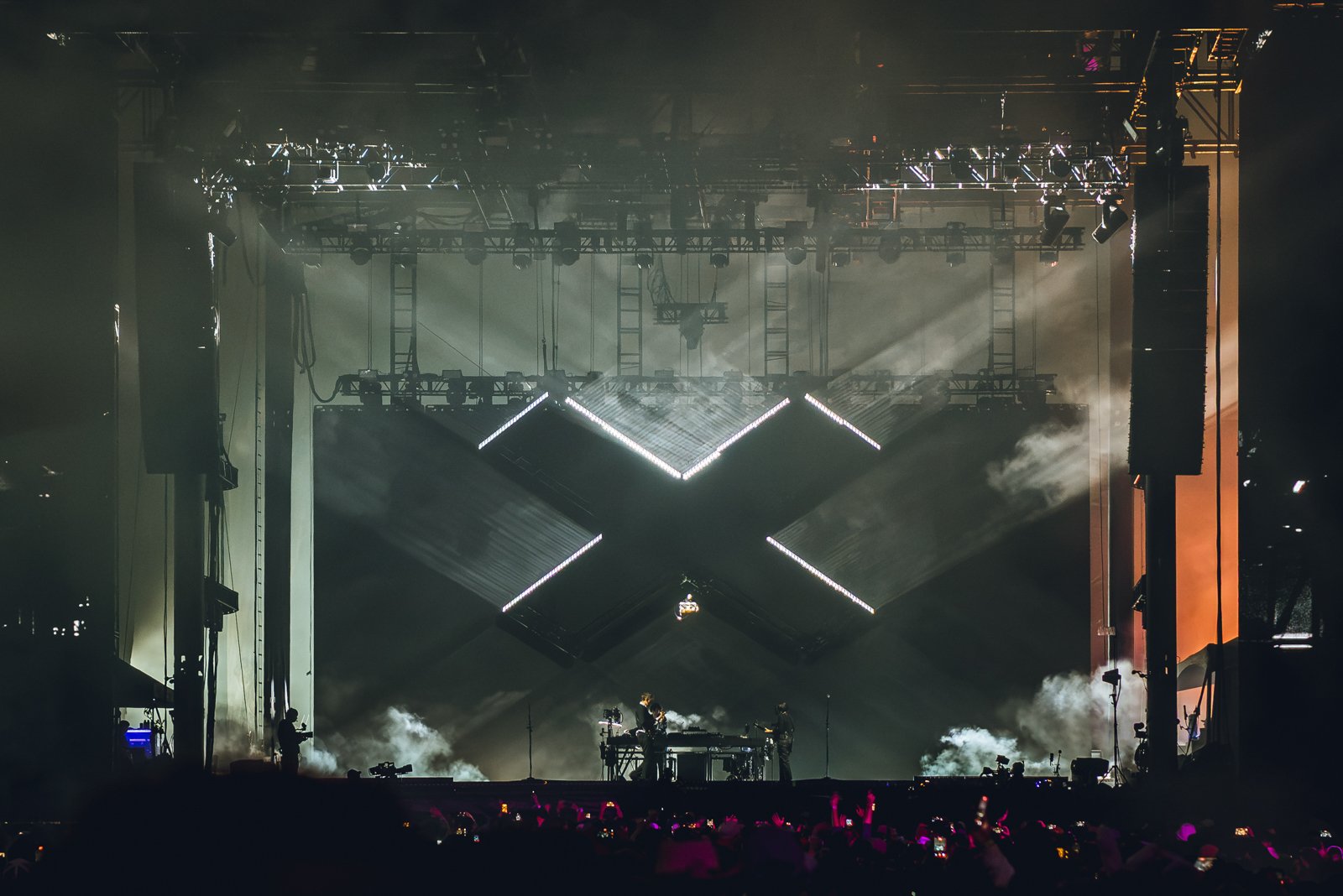
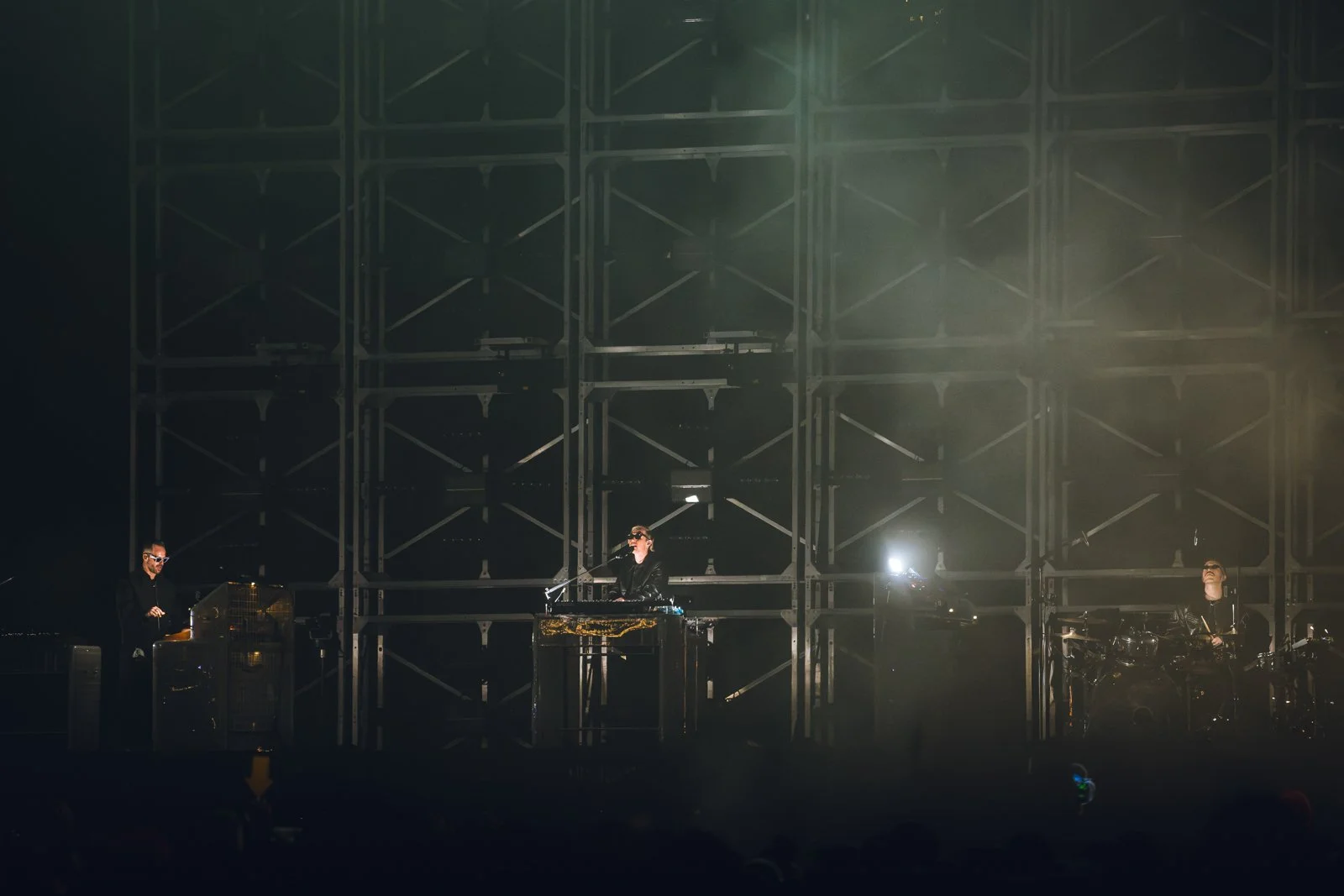
THE XX carried the same potency. With a giant illuminated X hanging over them, they played in near-total darkness to a crowd they've been building since 2009 and have never needed to redecorate for. As at Coachella, the set felt more like victory lap. No new music. All bangers, all the time, as Kendall Roy would have it. Brief spotlights that let each member nod at their own successful solo career.
That urgency of nostalgia — the specific ache of days long gone — hit its fever pitch when the opening notes of "Intro" arrived to close the night. But where Death Cab's version was about the sentiment that walked you down an aisle, the XX did for that era roughly what The Joy of Sex did for suburban marriages in the seventies. A field of people in their early forties, some with kids, all with responsibilities, swaying their hips and attempting to summon the sensual person they were fairly certain they used to be at twenty-four. Charli would be proud.
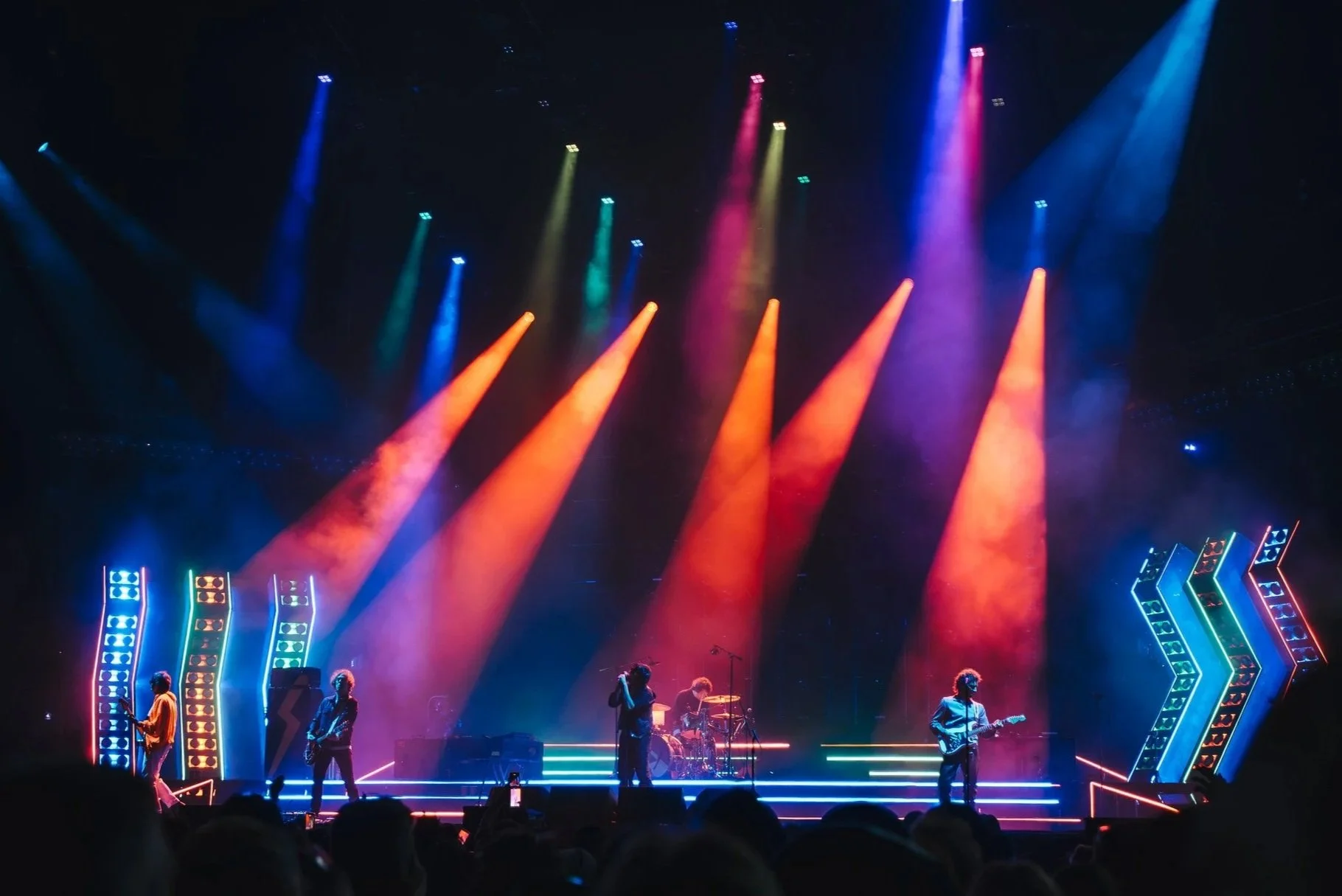
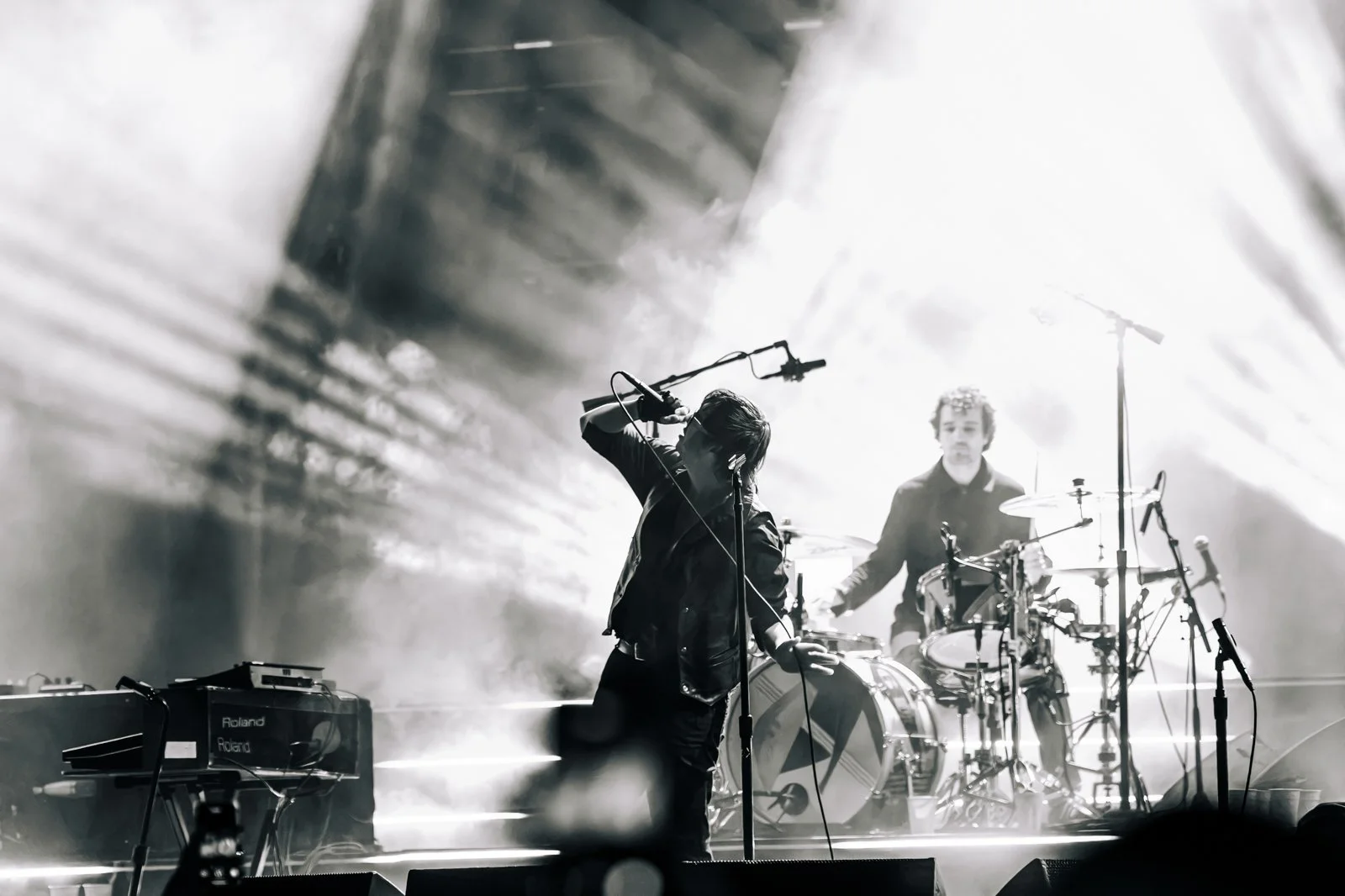
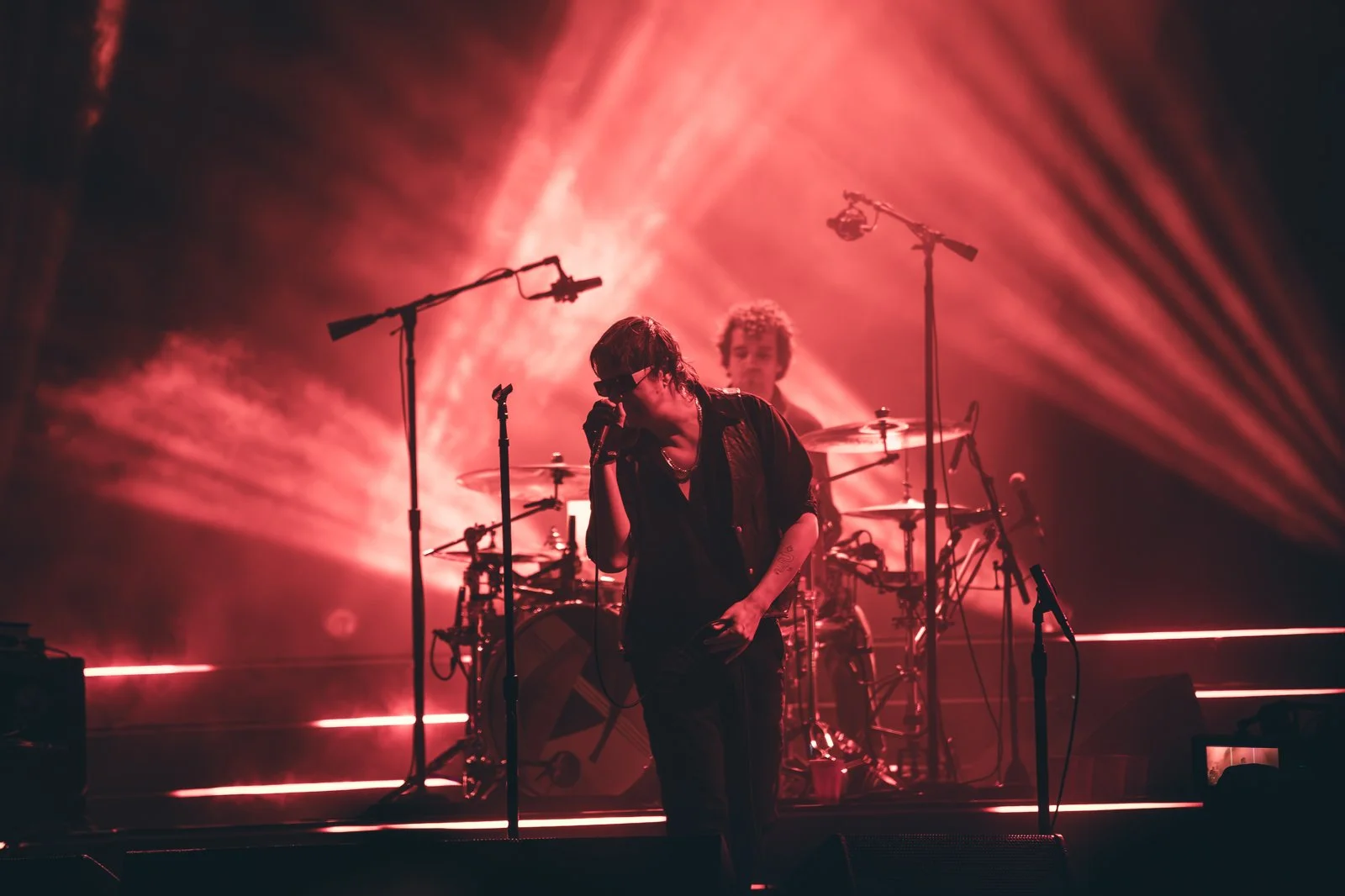
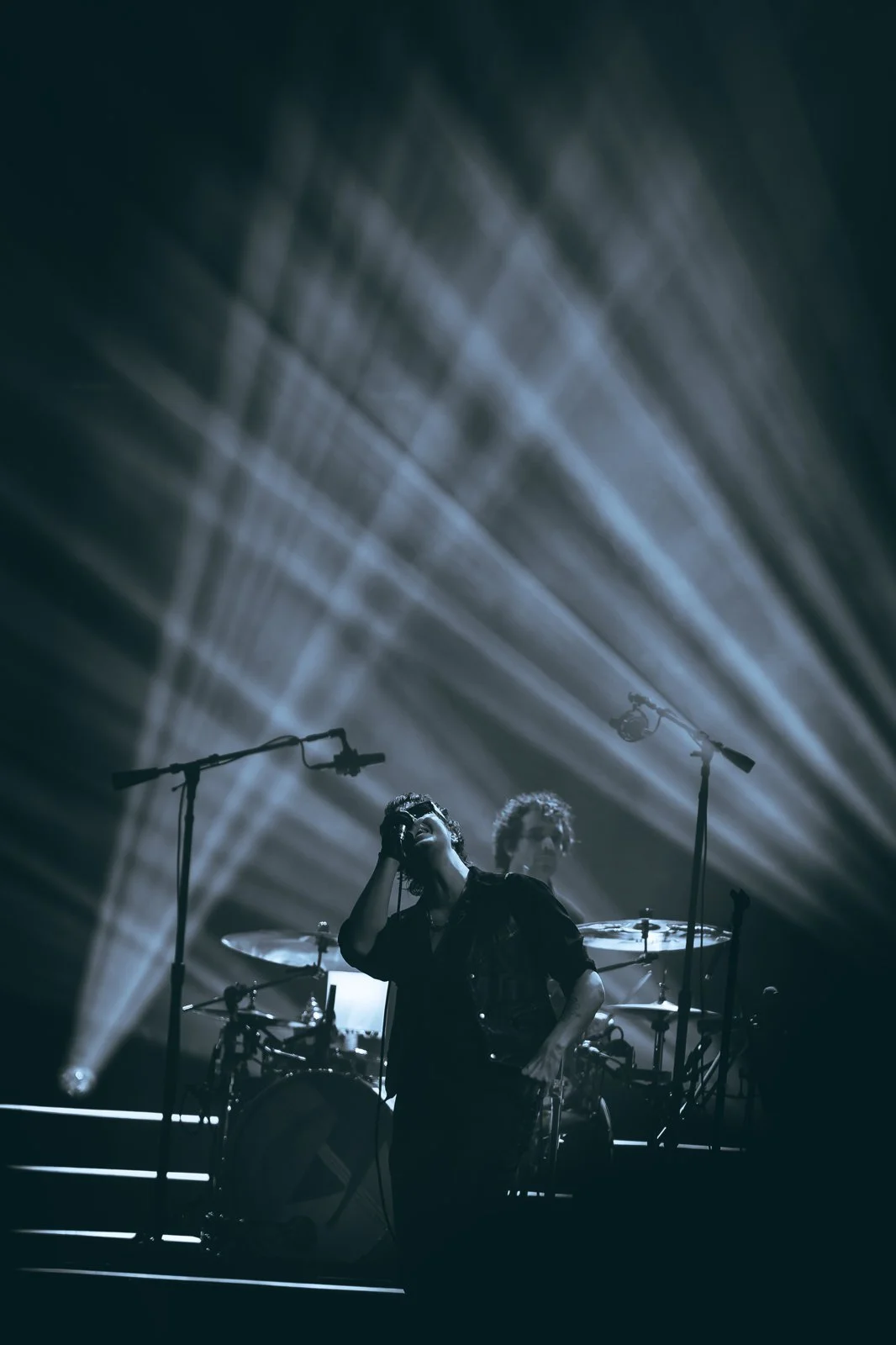
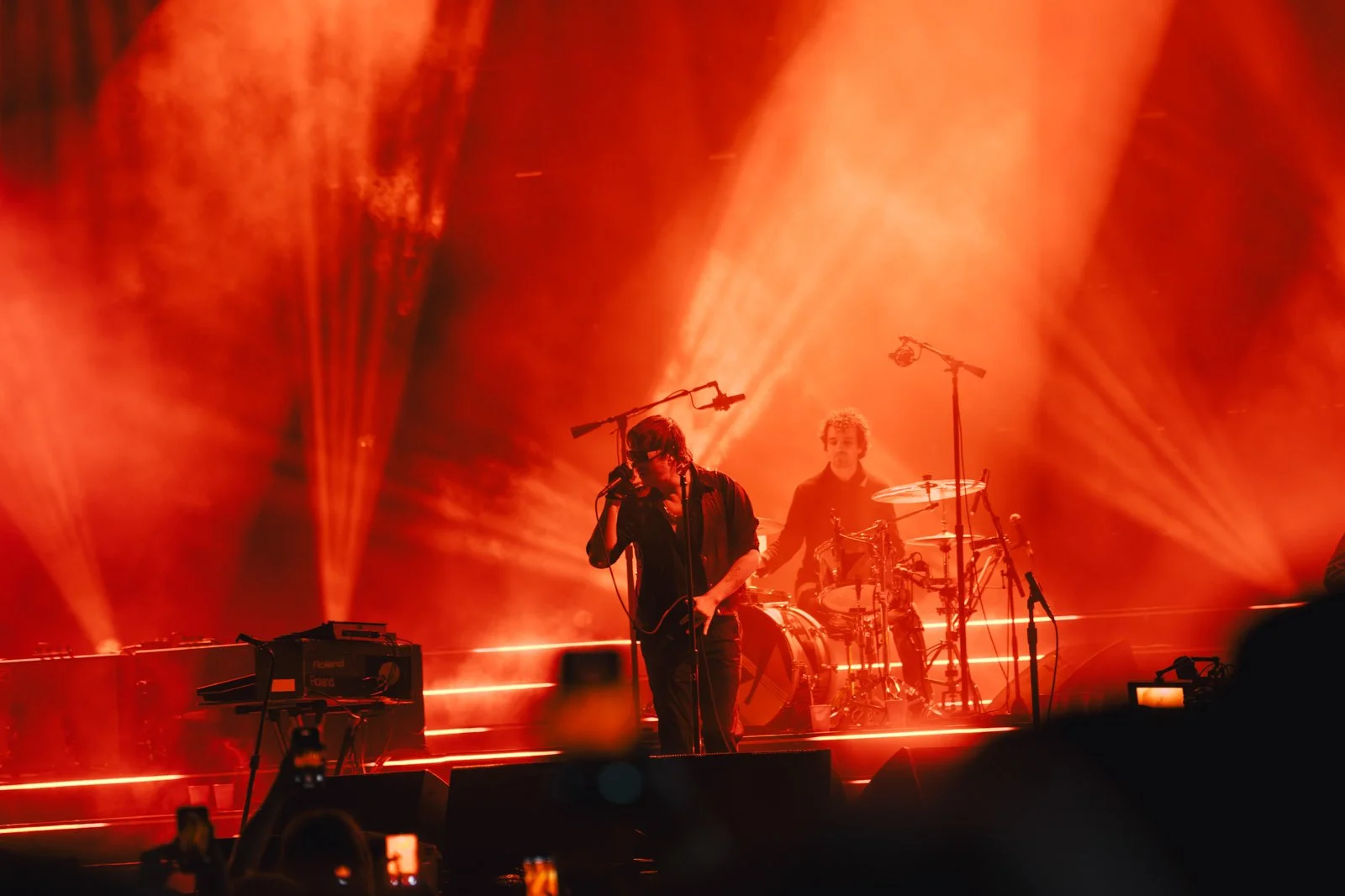
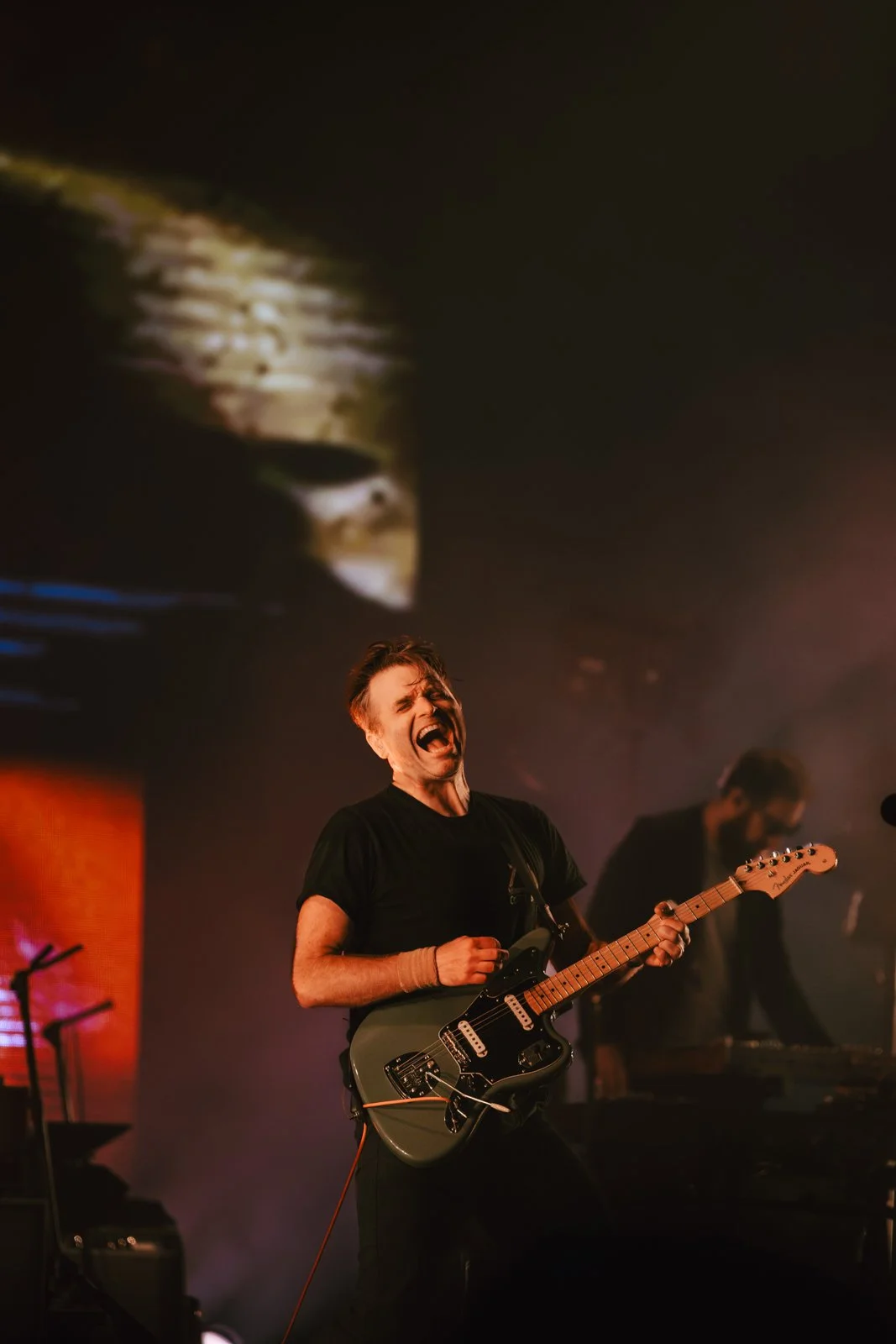
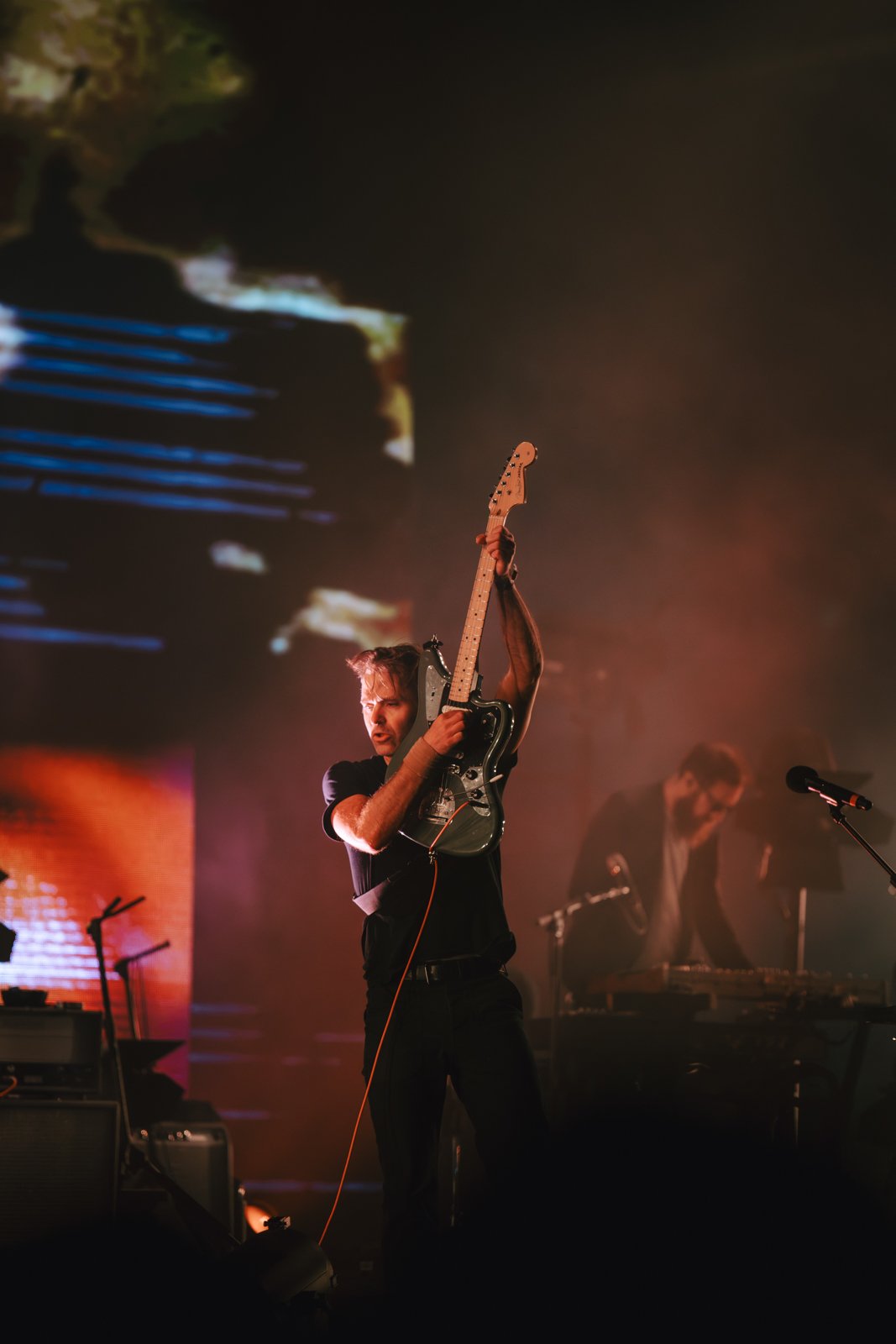
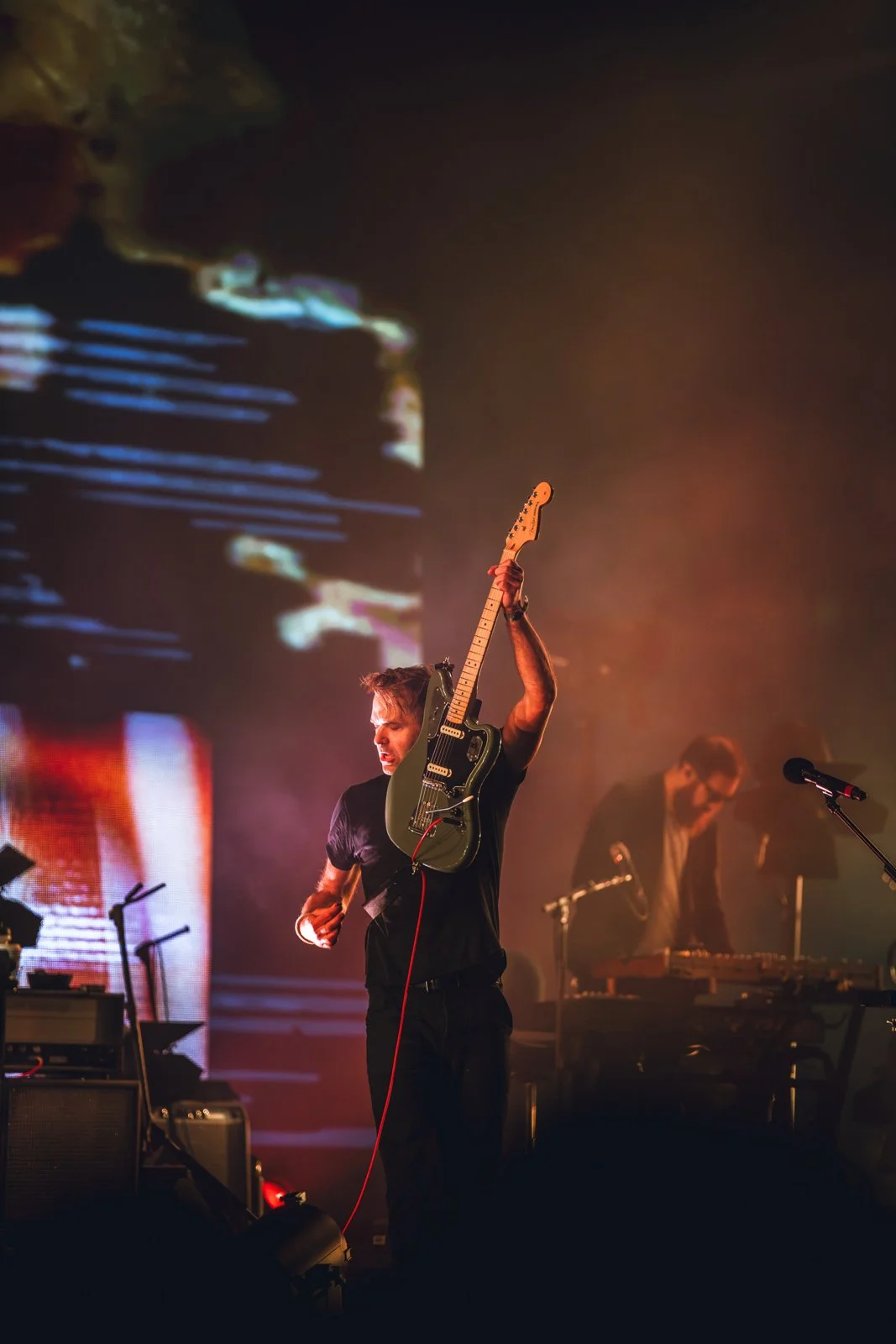
THE STROKES were booked as the past and played the part with total conviction. The first two records are all-time classics and everybody in that field knew the assignment: "Reptilia," "Someday," and "Take It or Leave It," which Charli XCX walked out to sing with them — the future joining the past on a song about being disposable, twenty-four hours after headlining the same stage. It felt like watching camcorder footage of the good old days, from before anyone knew they were the good old days.
Unlike Coachella, they didn't close on a defiant middle finger and a montage of every atrocity the American government has been credibly implicated in. A singular act of defiance stays potent by remaining singular. Do it every night and it becomes a bit.
Their brooding apathy; their refusal to appear to want “it” has been earning them adoring crowds for a quarter century. Potent enough that the audience will happily overlook the ongoing argument about whether their use of auto-tune is working (I think it is), or the fact their frontman spent a verse on the new record insulting a YouTube critic for allegedly failing to recognize art, on an album cycle that followed a Voidz record with an AI-generated cover. In any case, there was no better example of nostalgia’s potency than their setlist. Sixteen songs, two of them from Reality Awaits — their most recent and what their tour is named after. Four came from Is This It, and three from First Impressions of Earth (an album they spent twenty years being told nobody liked). Contrary to popular belief, I don’t think it’s that the band doesn’t know what the audience wants. Rather, it’s that after twenty-five years, they want the same thing.
Words & Photos by Eric Han (@kengjuan)