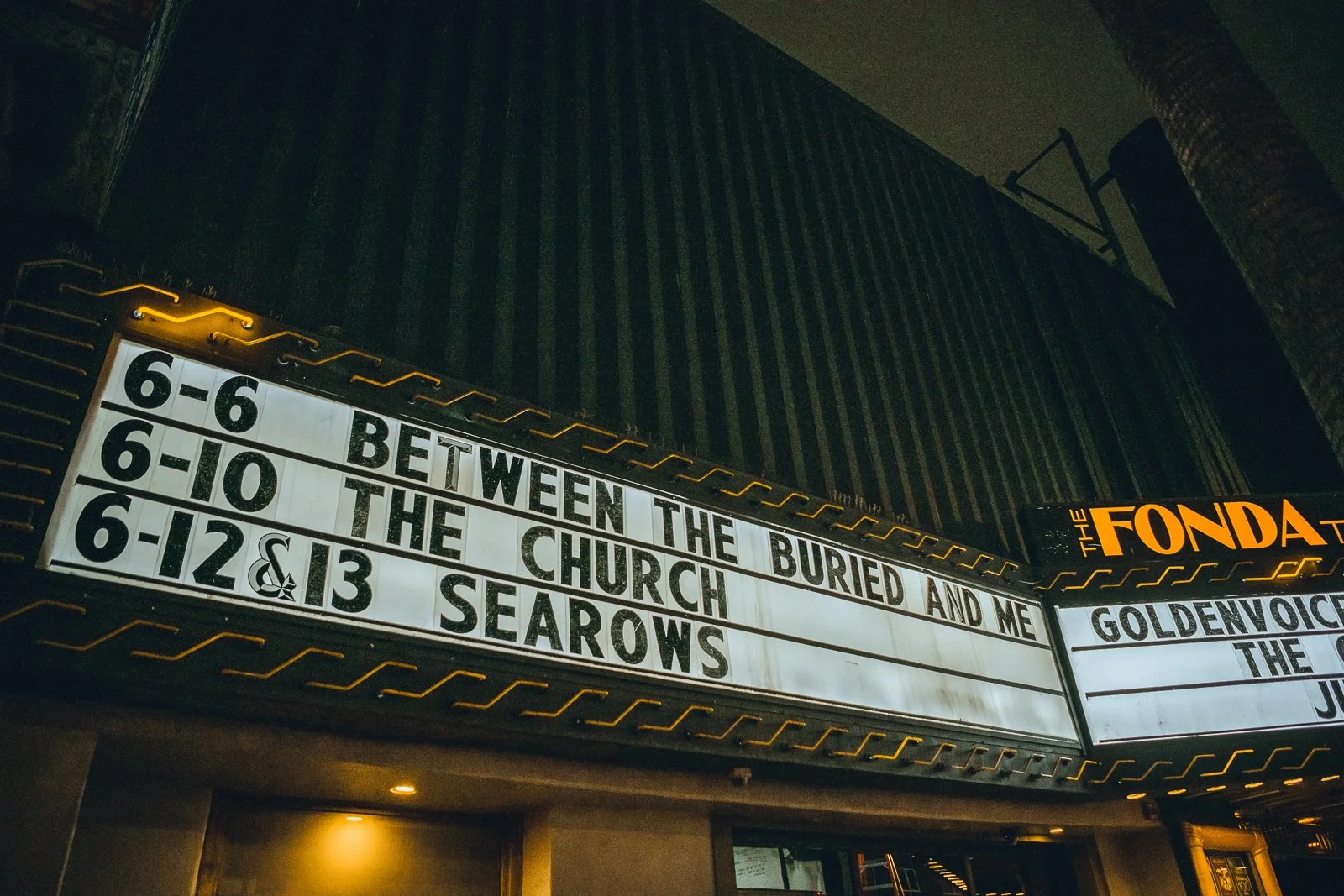
BETWEEN THE BURIED AND ME CHECKED INTO THE FONDA AND NEVER CHECKED OUT
In the Middle Ages, the legend goes, the devil could be summoned by that queasy feeling that comes from splitting an octave clean in half (an interval known as the tritone). The Catholic Church supposedly feared it so much that it forbade its singers from ever using it. The nickname, solidified in modern lore by the likes of Black Sabbath and Slayer, says it clearly: diabolus in musica, the devil in music.
But metal mostly deployed the interval as a gesture, one sinister match-strike mostly for atmosphere. The legend's real trepidation—that dissonance might inspire disorder—kept manifesting across the eras, flaring up whenever someone pushed a clashing note past what the dogma typically allowed.
Monteverdi defended his dissonances against the old guard. Wagner stretched one famously unresolved chord across four hours of opera. Coltrane stacked sheets of sound until he pierced the veil. Thelonious Monk, who heard a radio host accuse him of leaning on wrong notes, reportedly called the station to inform them the piano doesn't have any. Wrong notes, it turns out, are just notes the rest of us haven't learned to yearn for yet.
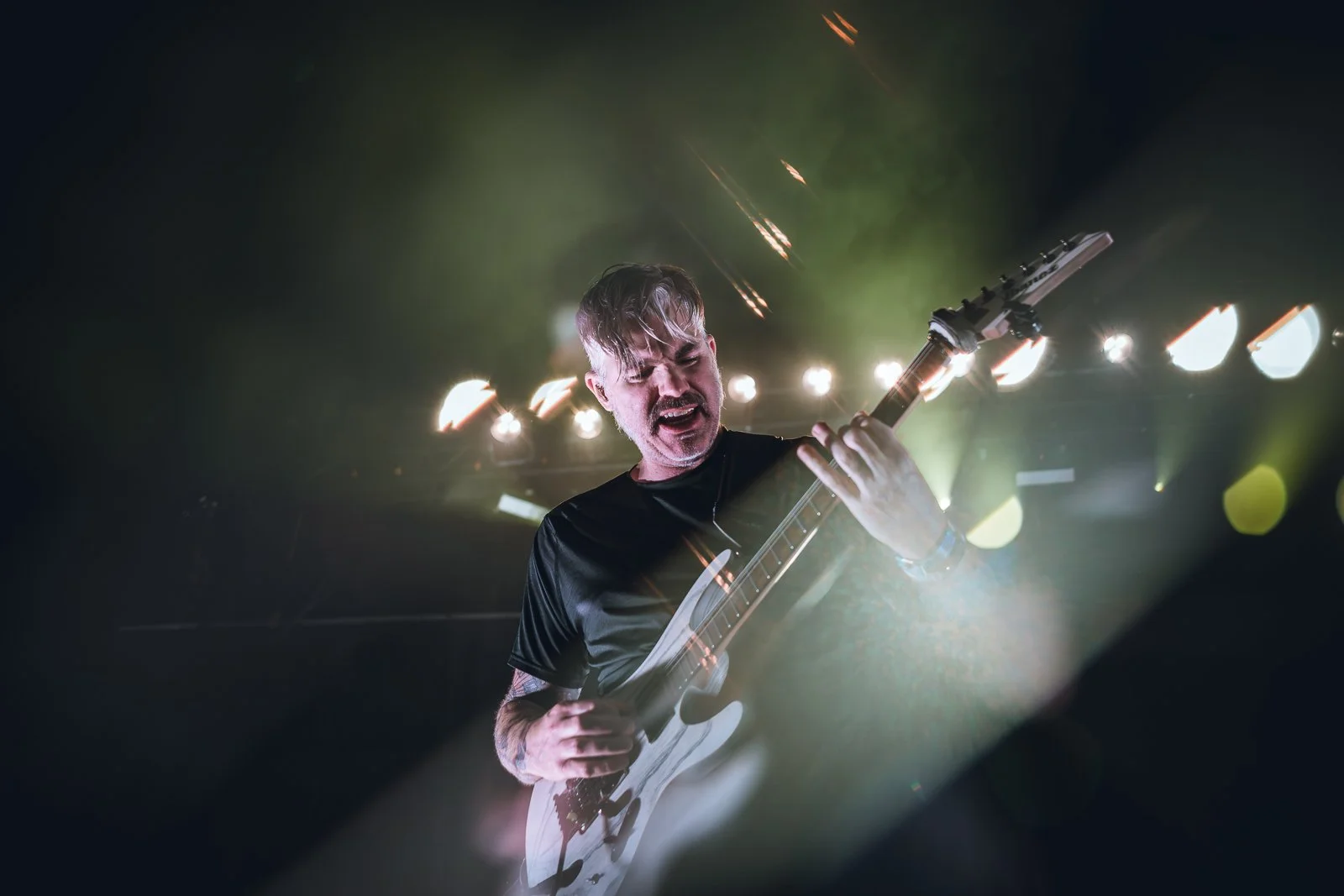
Between the Buried and Me have spent twenty-six years debating that argument at a ferocious velocity. Formed in Raleigh in 2000—Tommy Rogers on vocals and keys, Paul Waggoner on guitar, Dan Briggs on bass, Blake Richardson on drums—they built a catalog on the premise that the devil's interval and a heavenly hymn are roommates, not enemies. Their music is a cacophony in the truest sense of the word: drums of death colliding with bebop rhythm, death-metal gutturals interrupted by polka, by hoedown, by what I can only describe as a bag of cats getting thrown across a bridge—and then, without warning, a melody so sweet and guileless it could be hummed to a child at bedtime.
Colors (2007) turned that car-crash whiplash into a steady point of reference for a generation of prog kids (the kind of crowd that dismisses Tool fans decoding Fibonacci sequences in "Lateralus" as child's play), and eleven albums in, their reputation rests not on a sound but on a conflict: the devil's interval they refuse, on principle, to resolve.
Last year's The Blue Nowhere gave that conflict a building to live in: a concept album set inside a hotel of the mind. The territory is familiar to anyone who spends their time chasing cultural artifacts that lean spooky—a Lynchian nightmare, though Rogers frames the hotel as a feeling rather than a haunting, "a space where no one can find you." Nothing is waiting behind the ice machine, just the low electrical hum of a place where reality has stopped checking IDs.
The record swerves harder than anything they've done—INXS gloss, Duran Duran synth-funk, 90125-era Yes pomp and circumstance, all fed into a copy room where a thousand printers are jamming at once, and nobody can find the IT guy—and it split the faithful accordingly. One UK outlet's review needed a dozen asterisks just to print its own polemic. The devil’s dissonance, as it seems, is still holding its divisive influence.
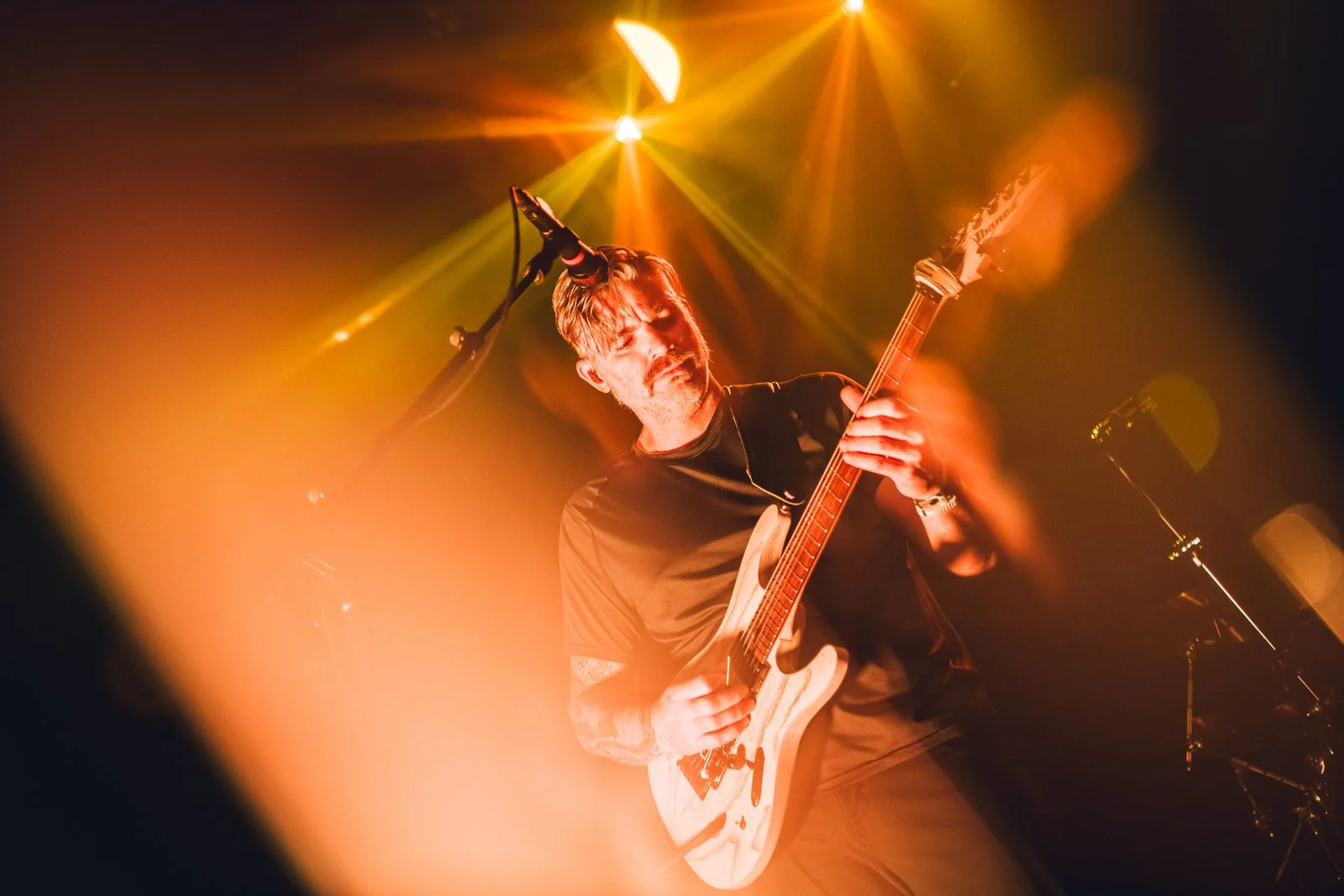
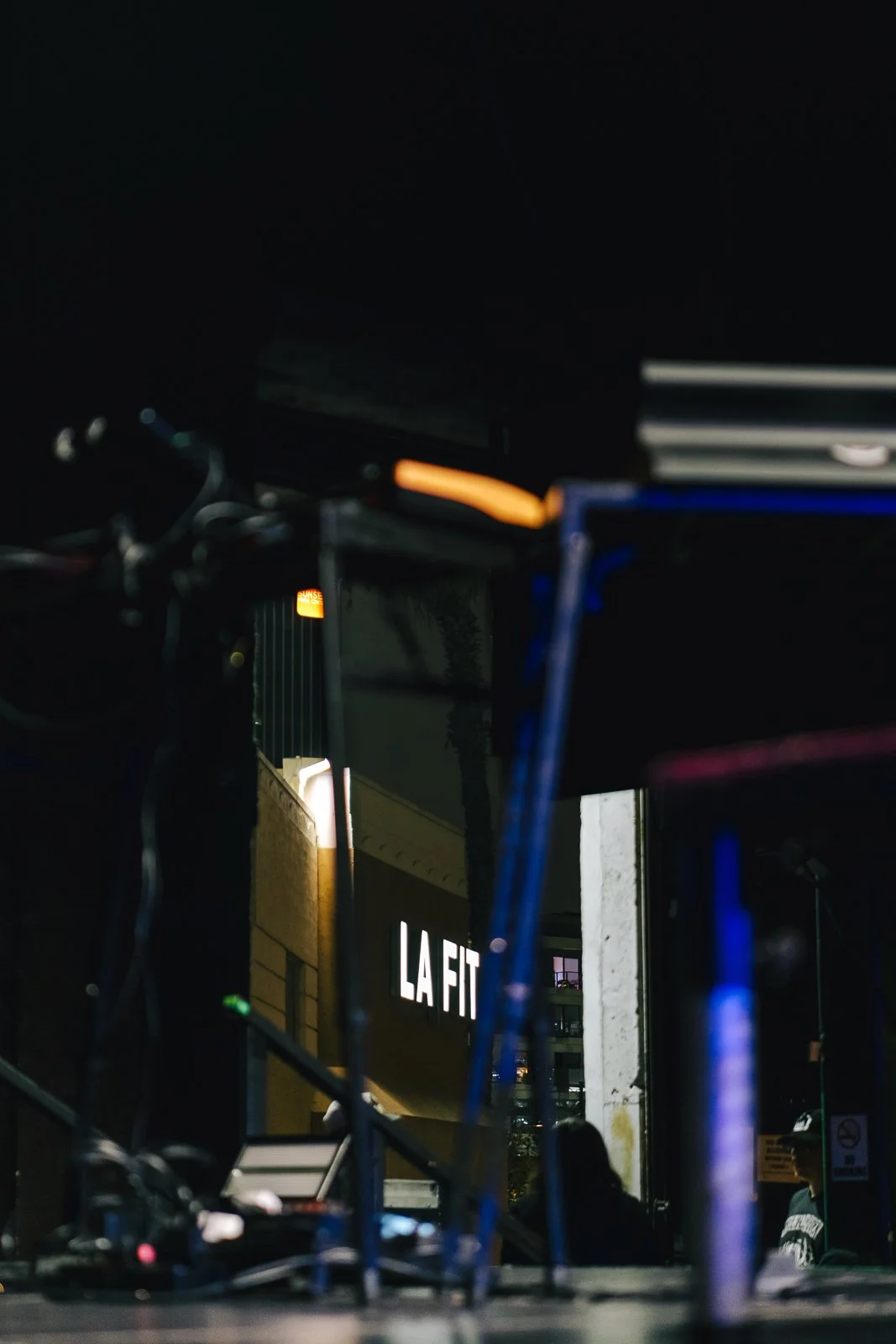
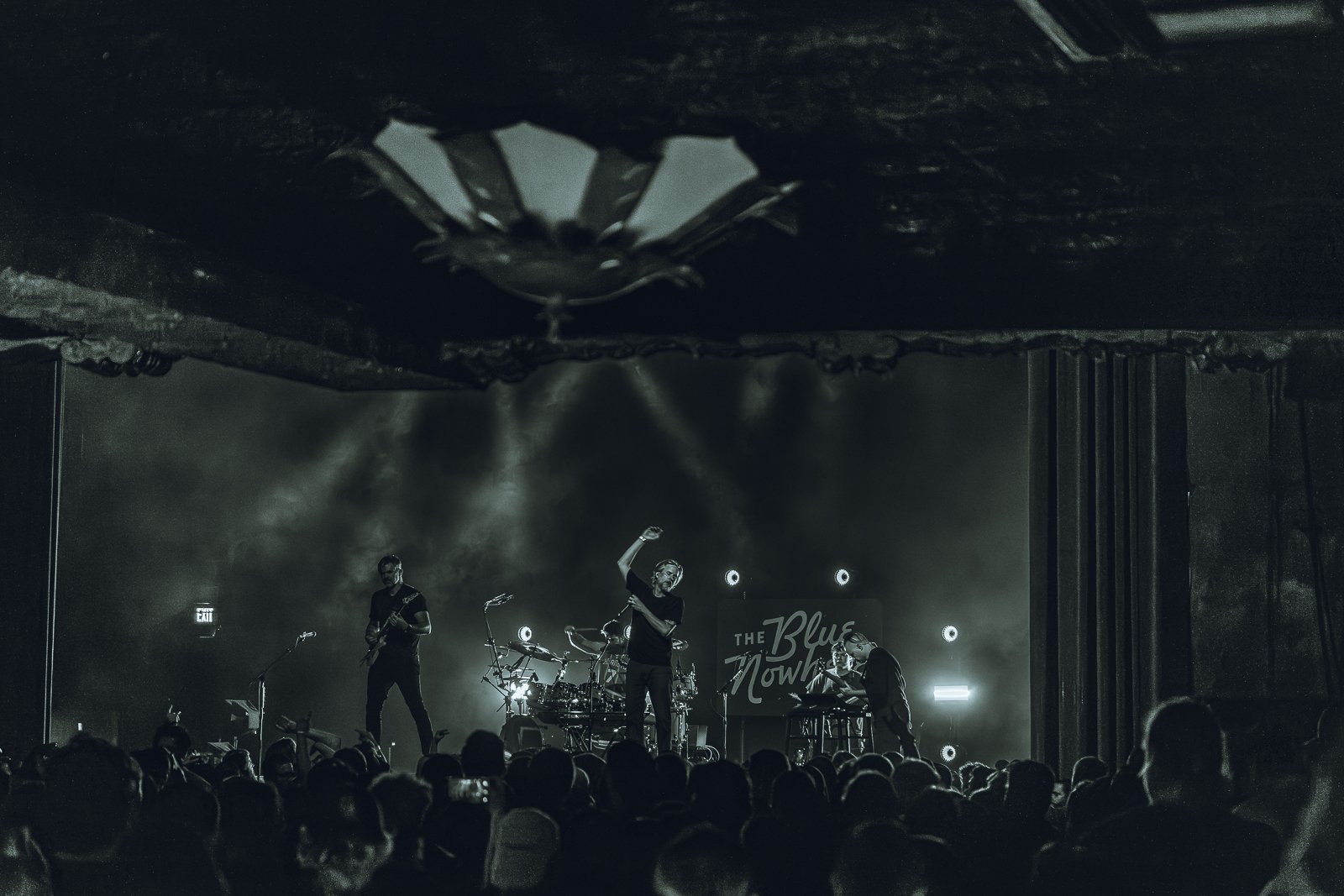
Saturday night, the hotel set up a satellite location at the Fonda Theatre, and before doors opened, the building staged the album's thesis better than any production designer could have. The back walls of the stage stood torn open for the band’s load-in, and as the crew hoisted the motel signage into the rig, the gap framed the Los Angeles that Hollywood Boulevard works so hard to make you forget. Desolate lots, empty asphalt bursting in sodium-orange in the dusk, an LA FIT(ness) sign glowing in the middle distance like a transmission from a snuff film yet to be discovered. More Inland Empire than La La Land—an eerie vacancy, and a fitting one for a band whose entire catalog is a declaration against empty space.
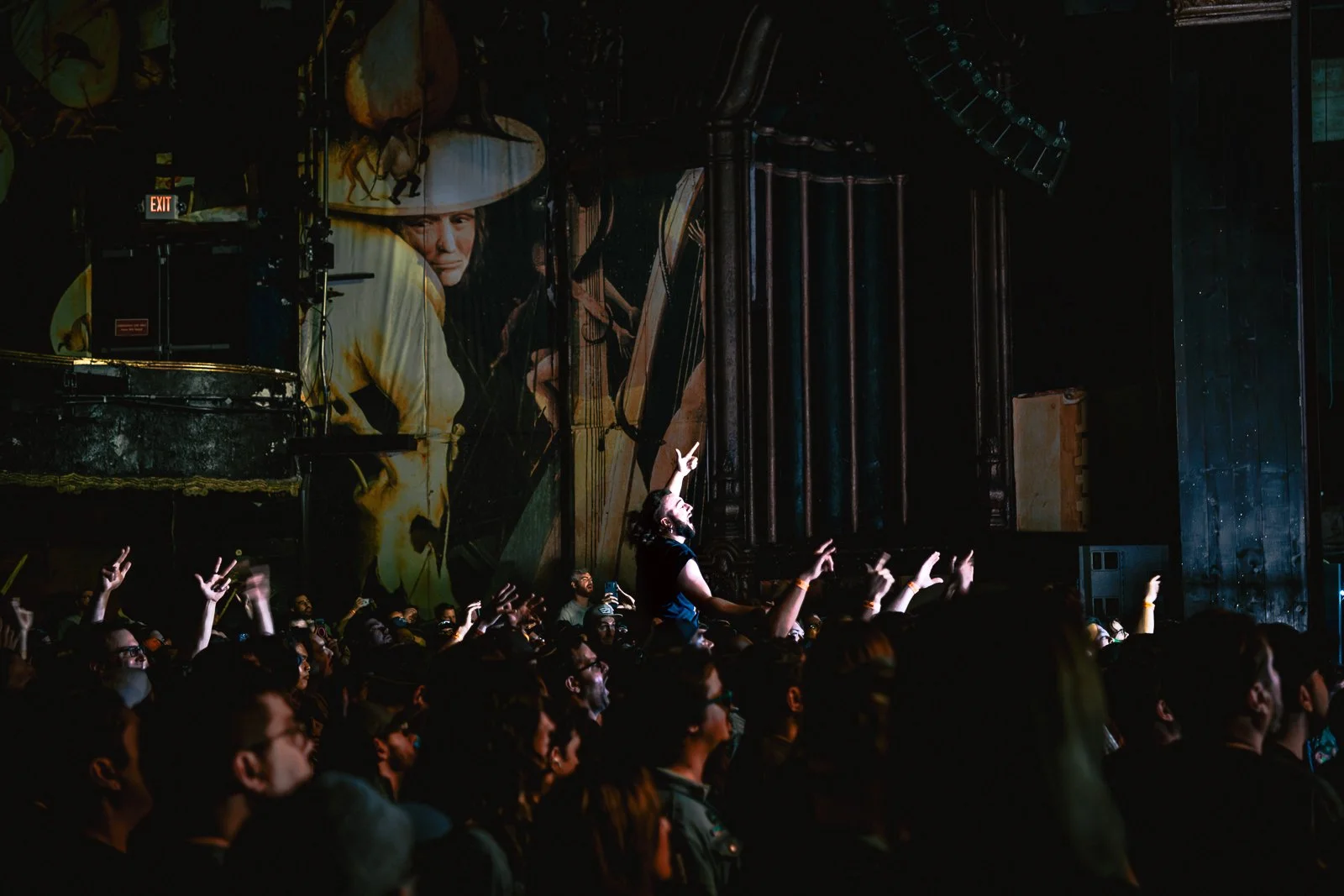
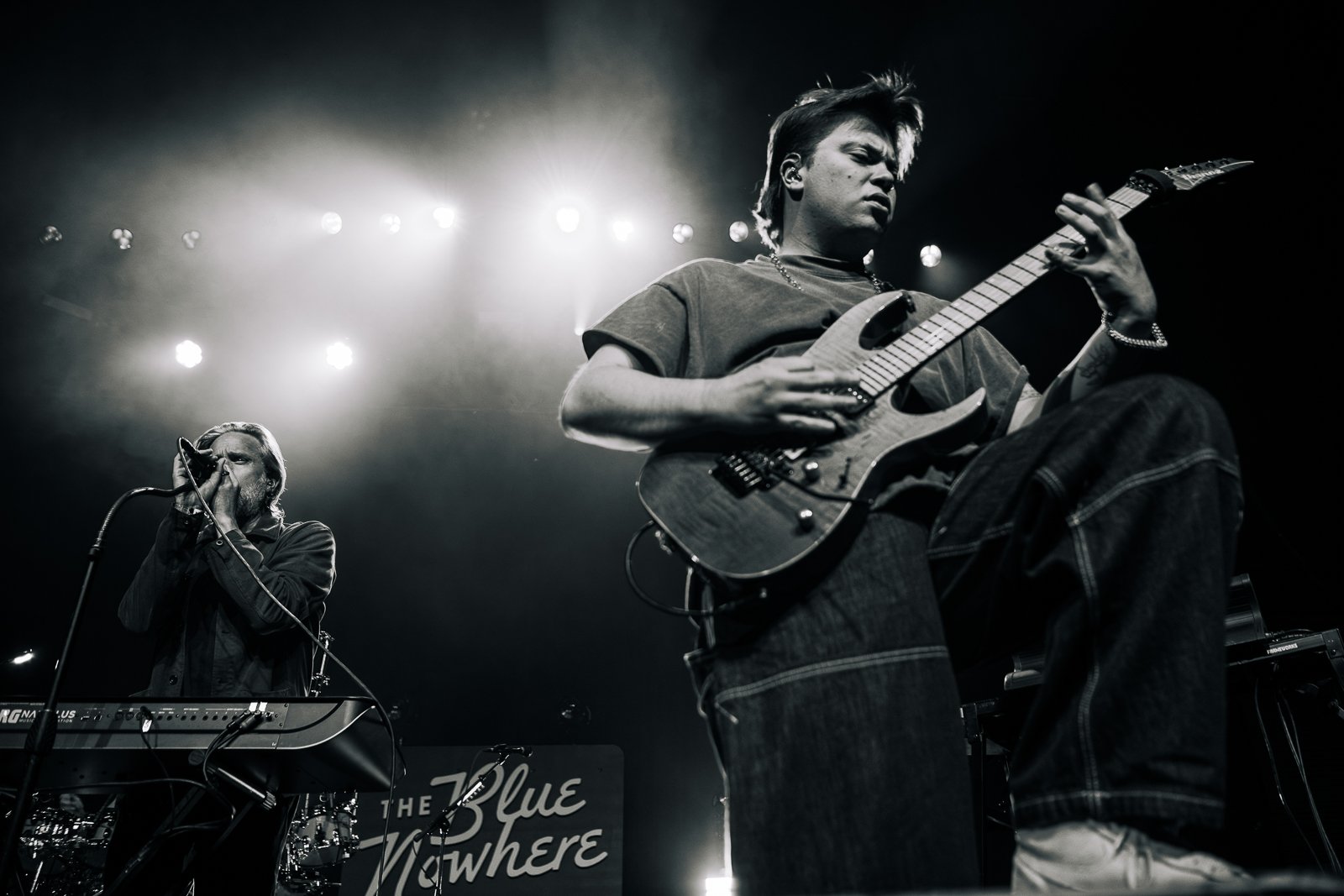
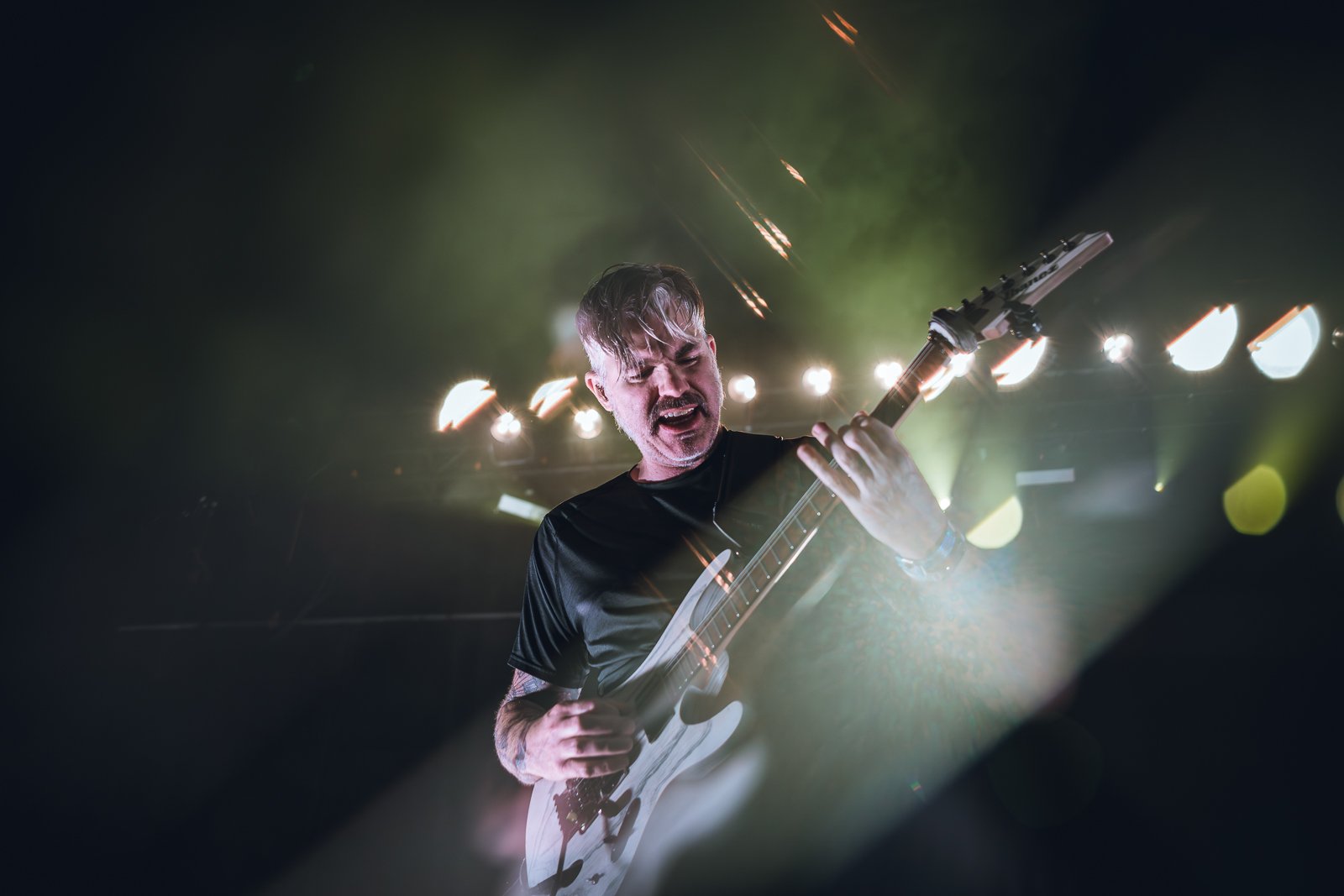
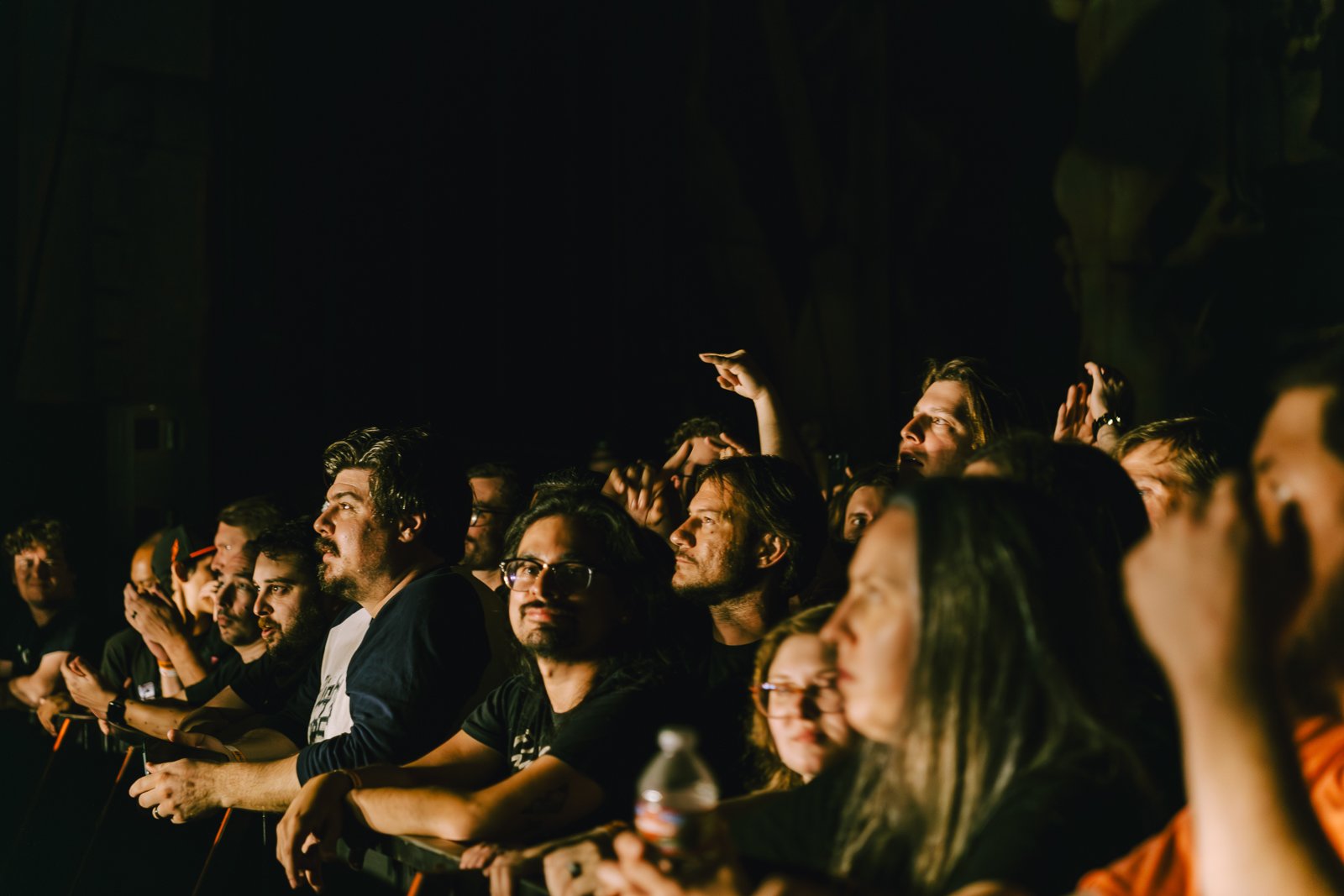
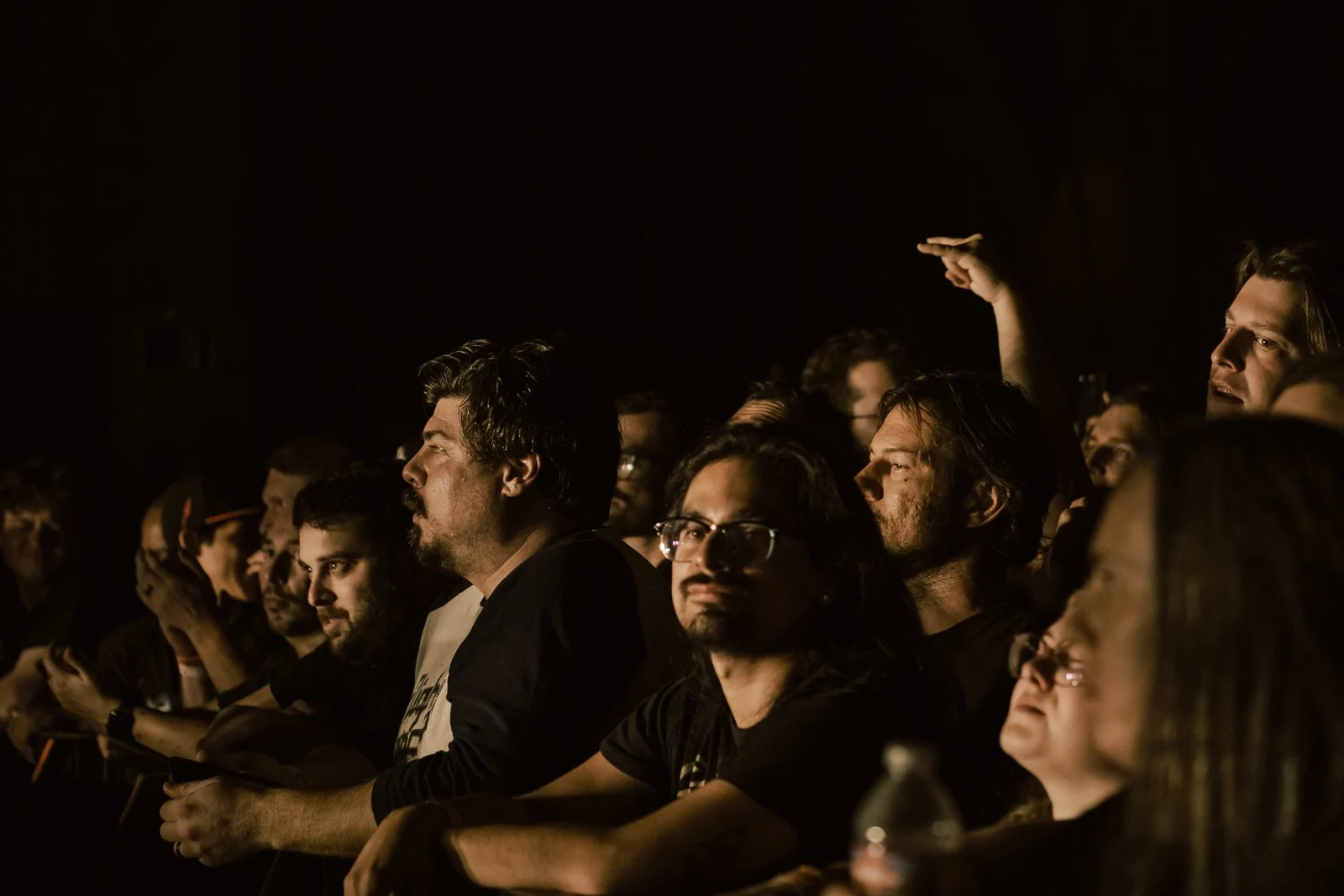
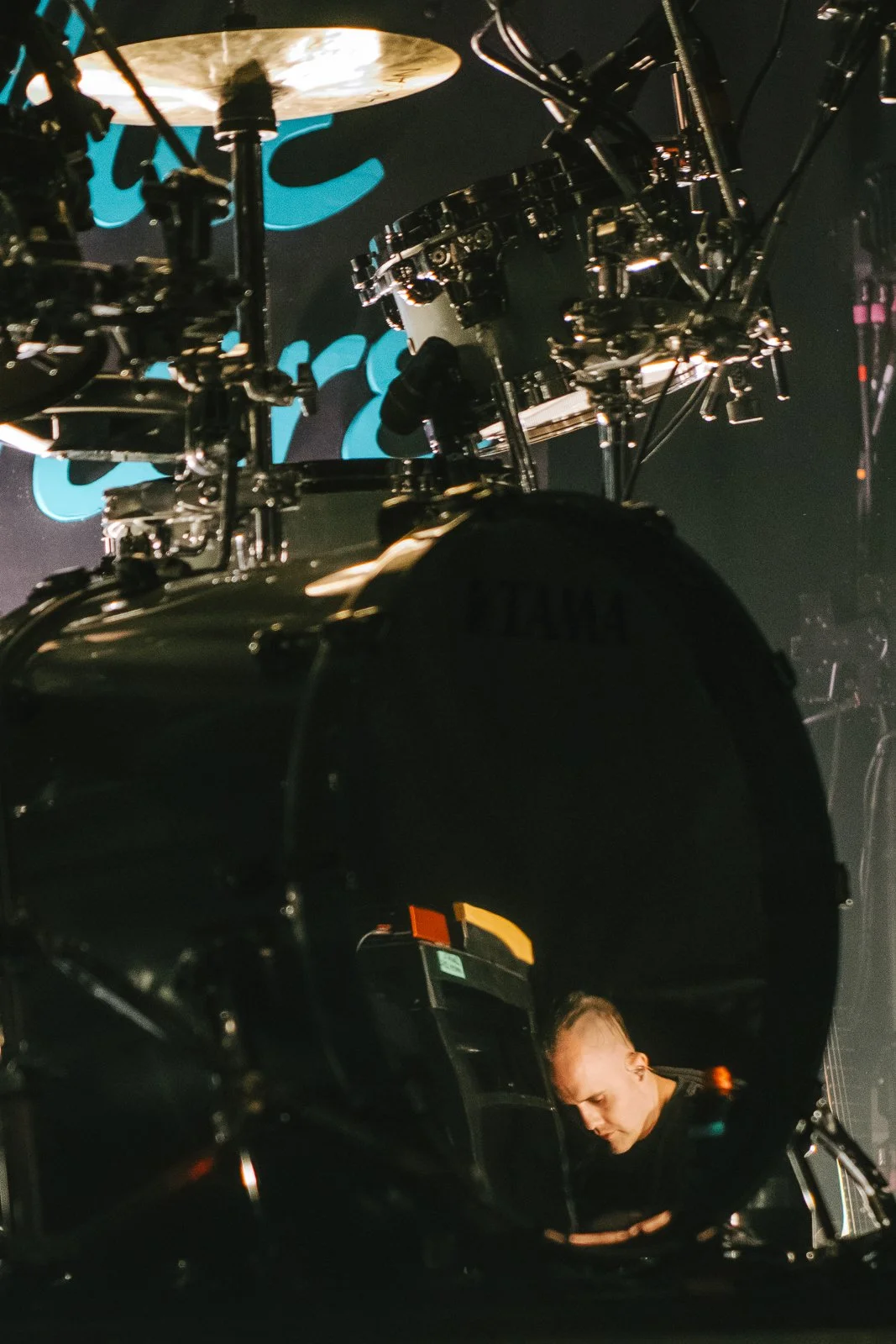
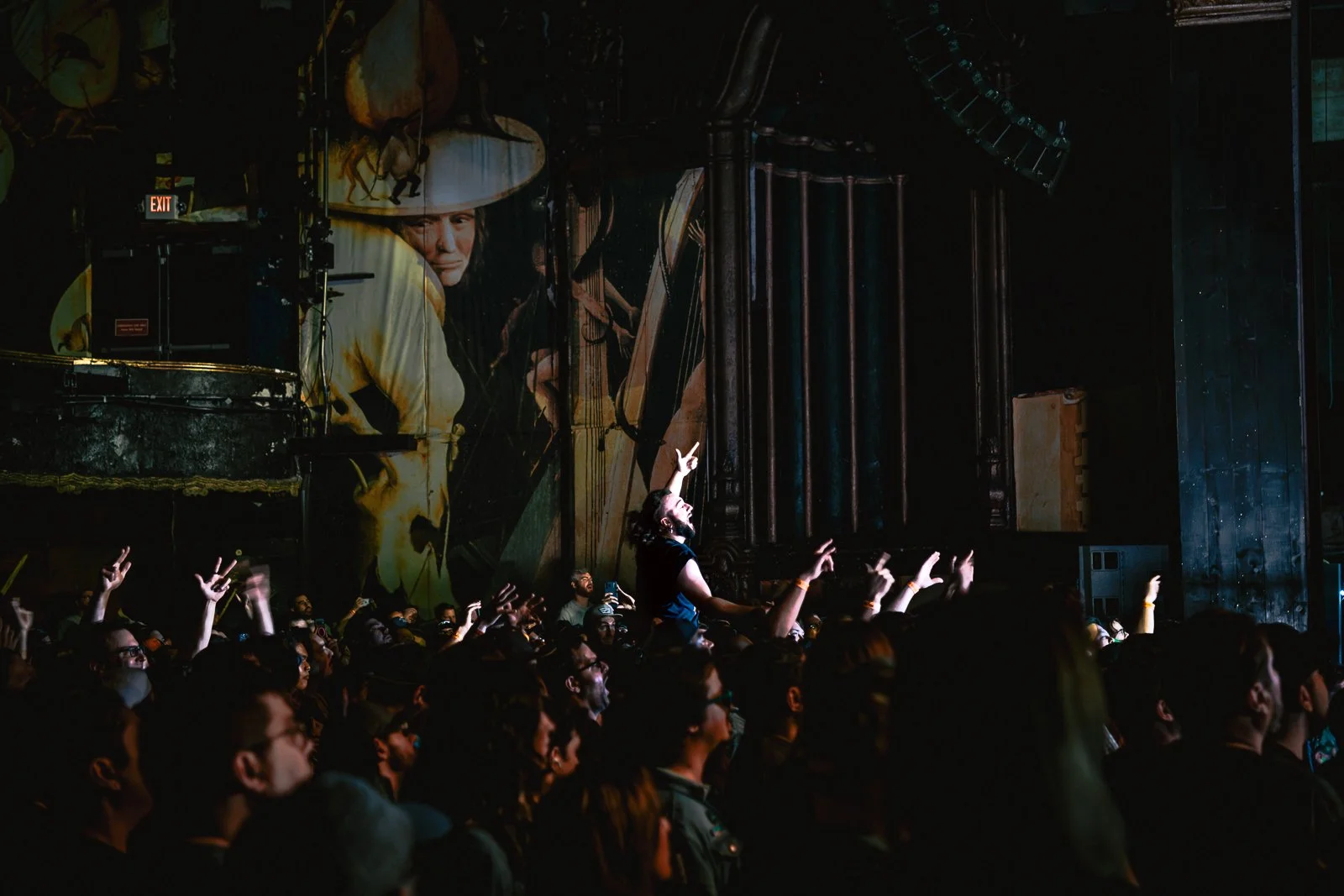
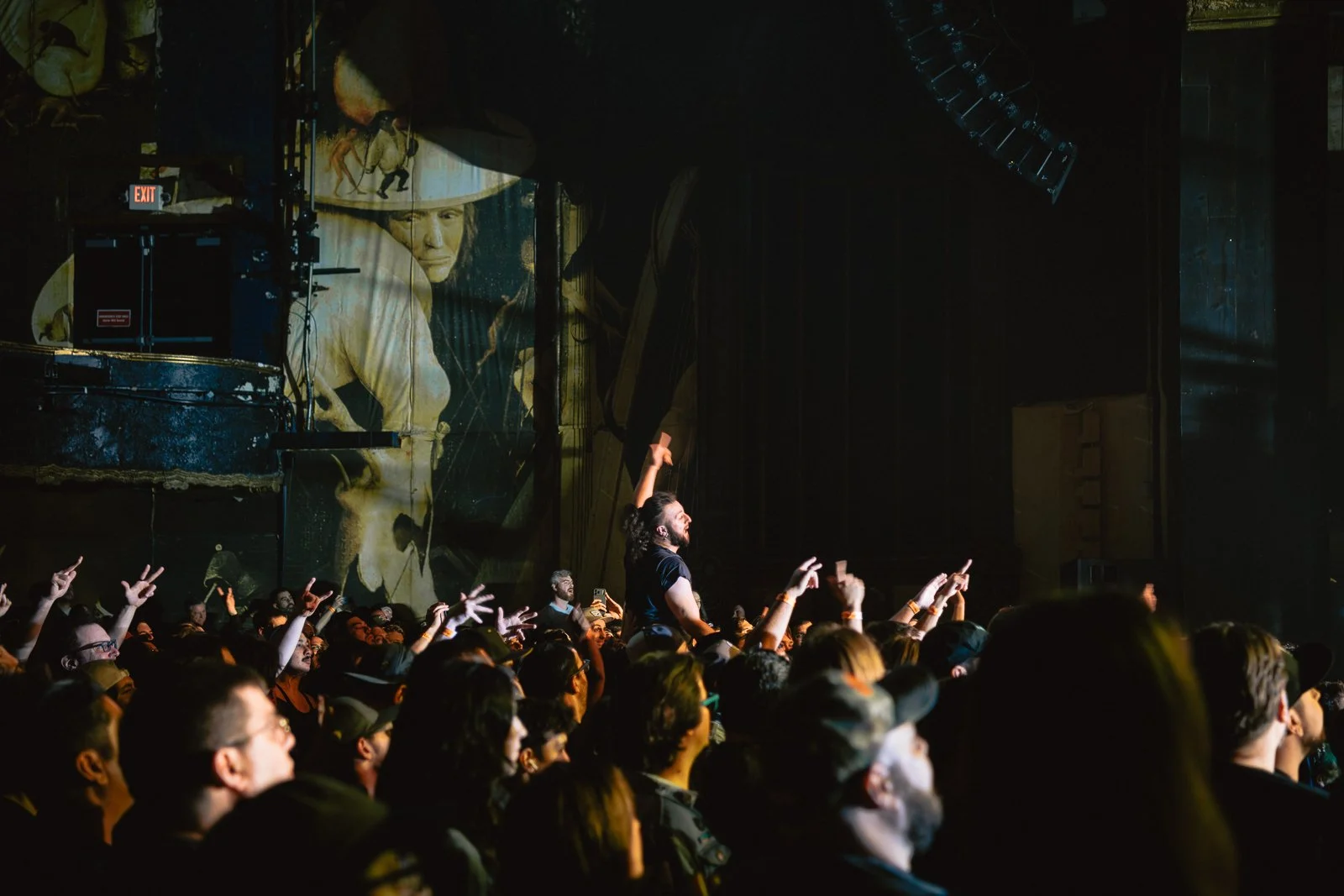
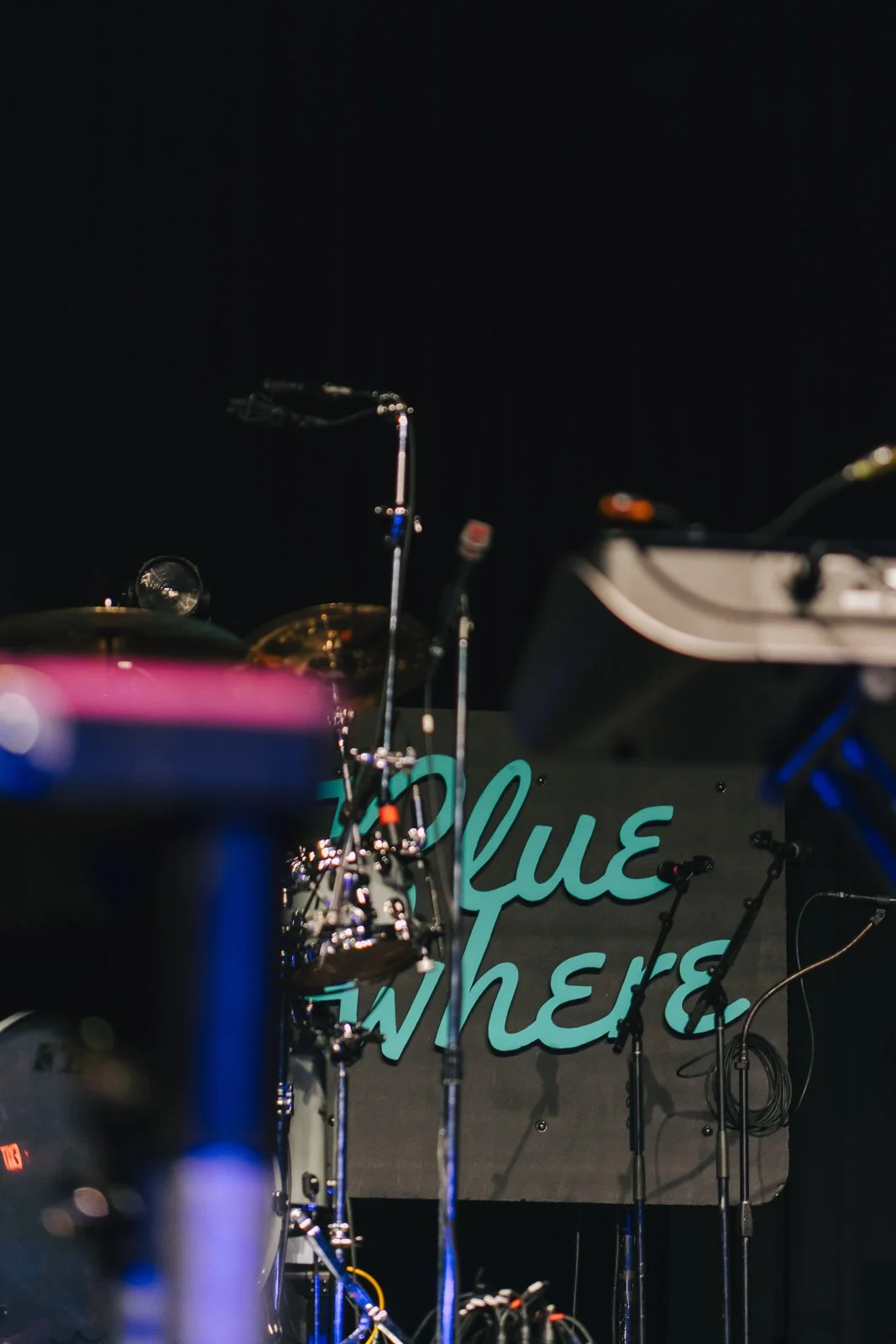
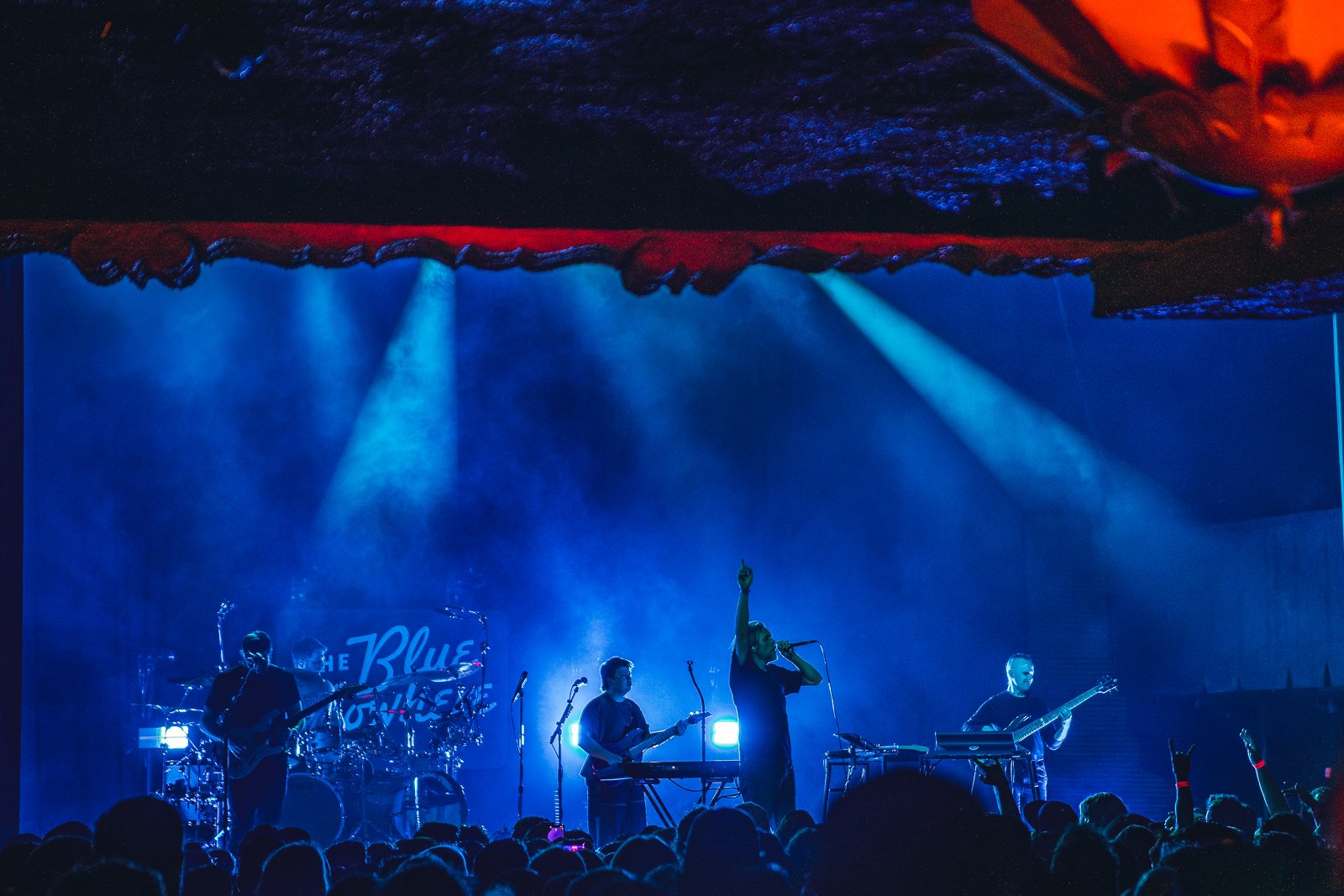
By showtime, the walls had closed, the cursive teal logo of The Blue Nowhere hung over Richardson's drum kit like a “free HBO” signage on a roadside marquee, and the recognizable BTBAM fanbase had filled the floor. Prog dads gripping the barricade like a railing on a rickety boat, at least one guy explaining odd time signatures to a date who is feigning interest, and the most respectful pit in Los Angeles—dudes in black shirts who can recite math theory but failed Algebra II their junior year, picking each other up off the floor between furiously thrown elbows.
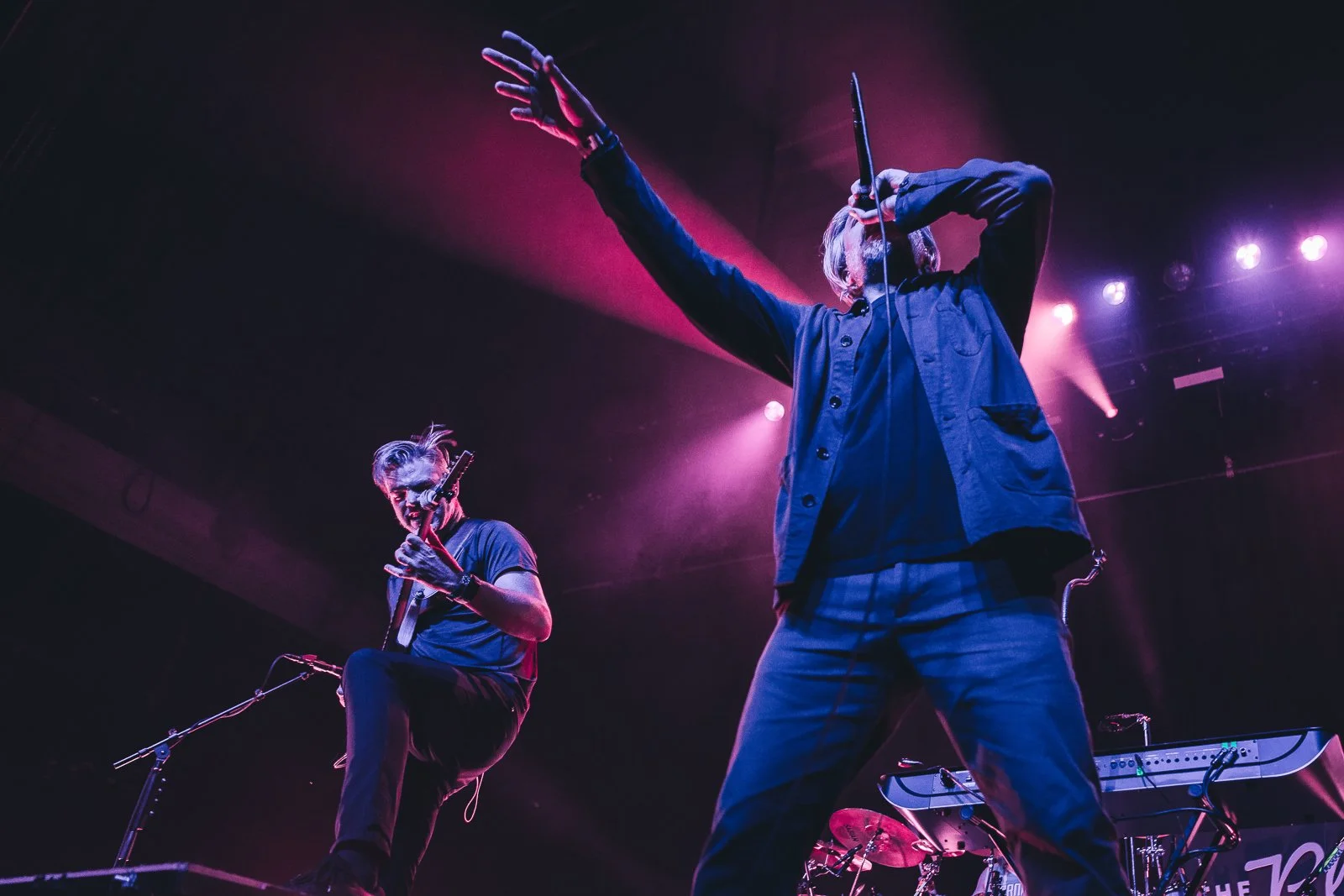
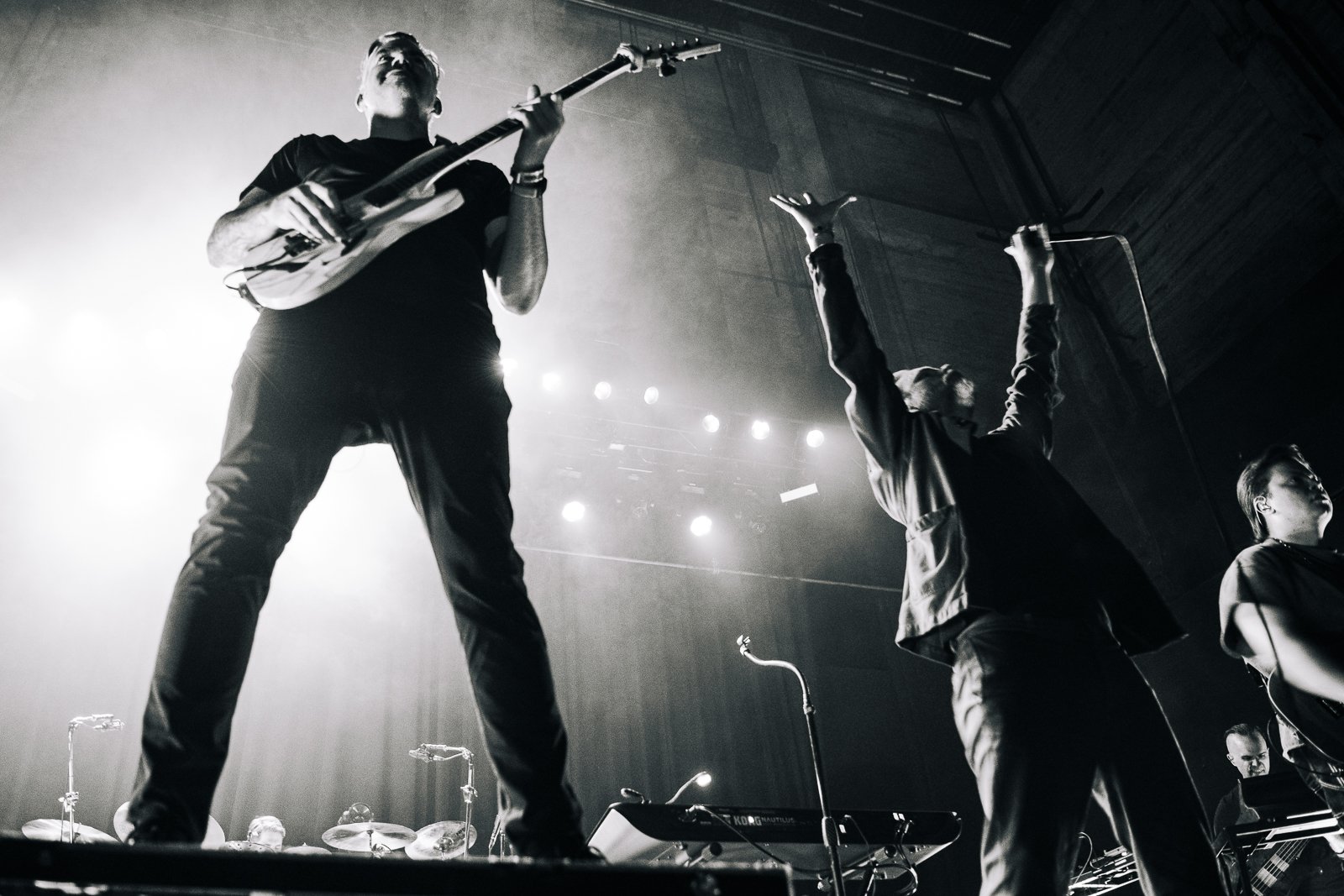
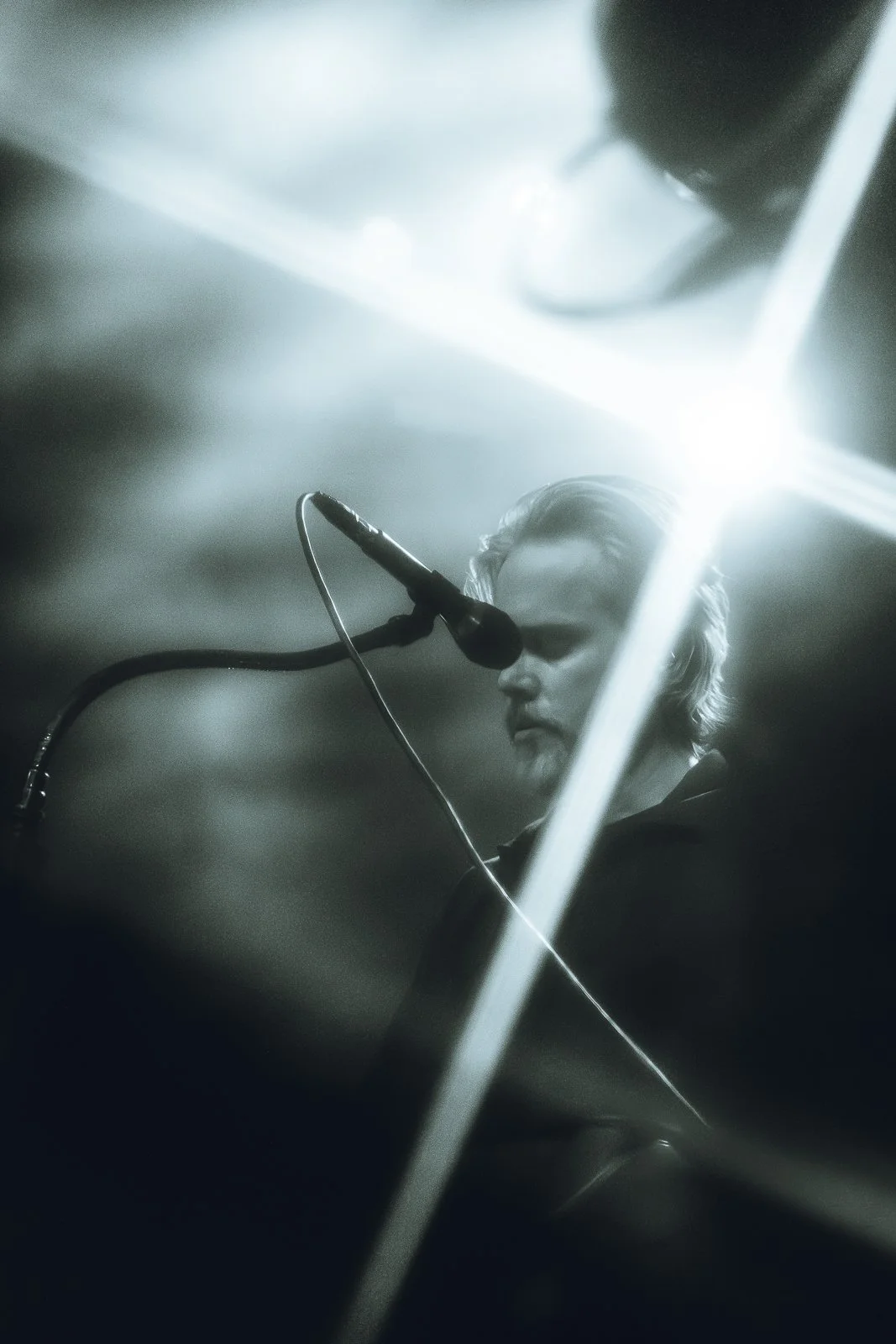
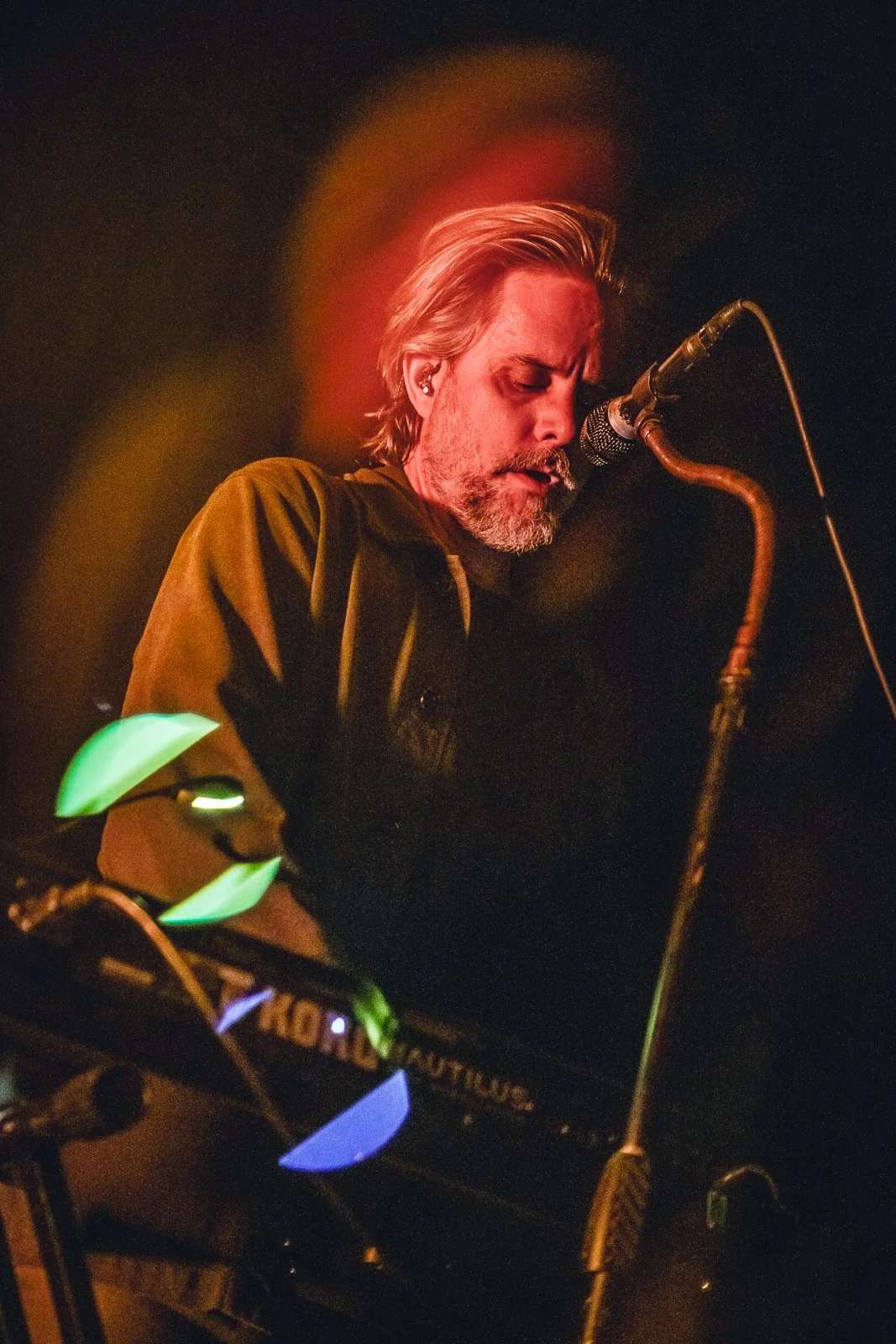
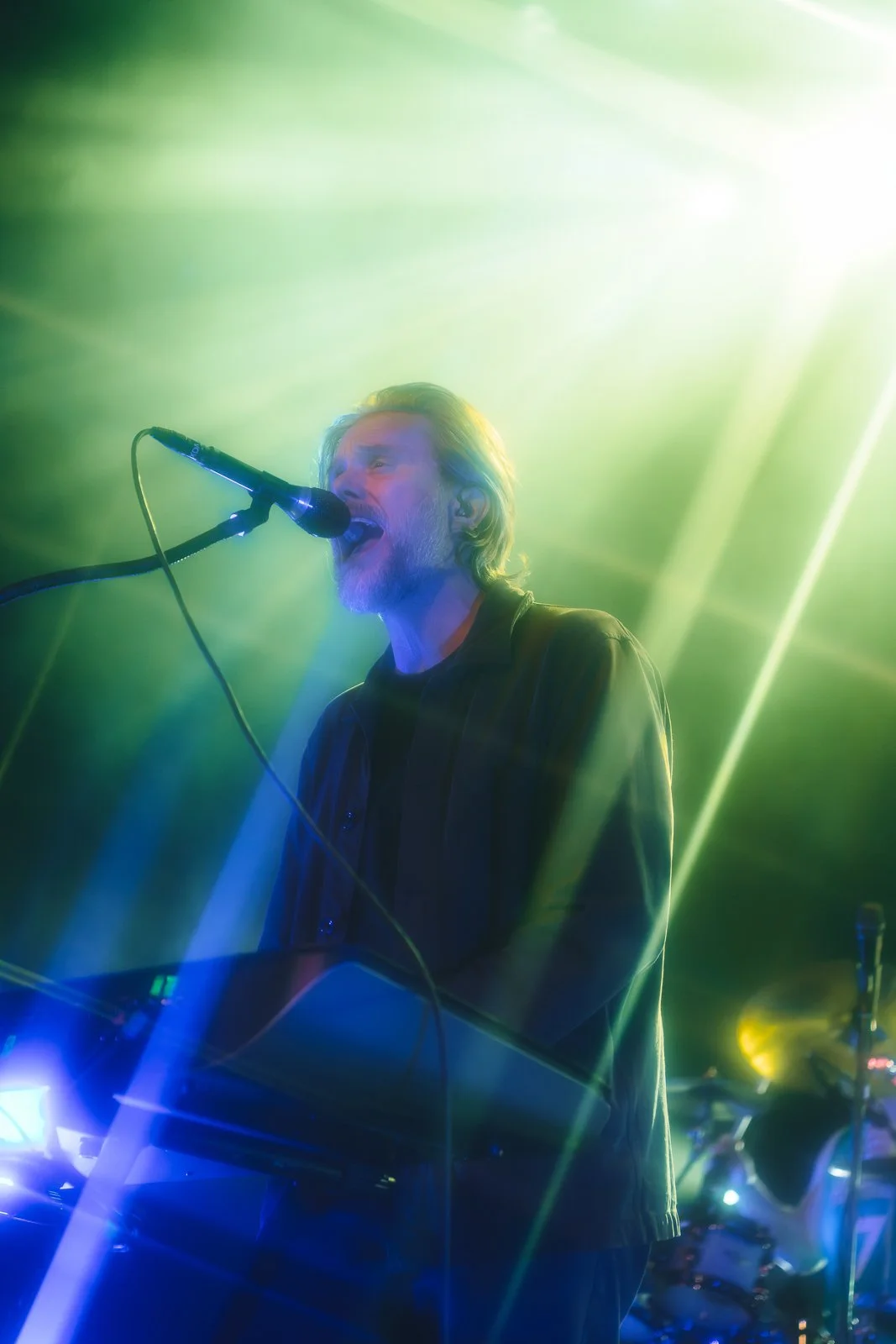
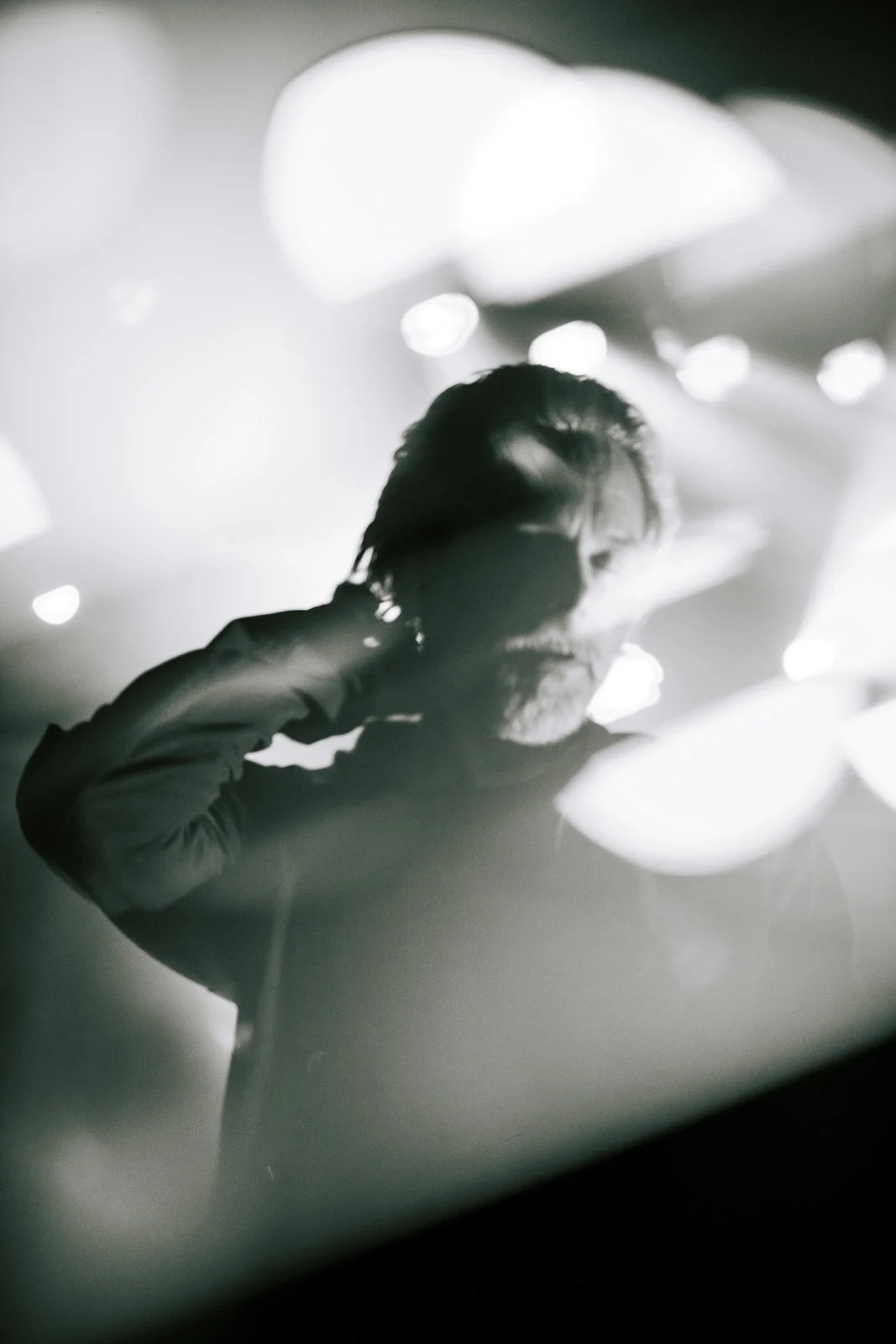
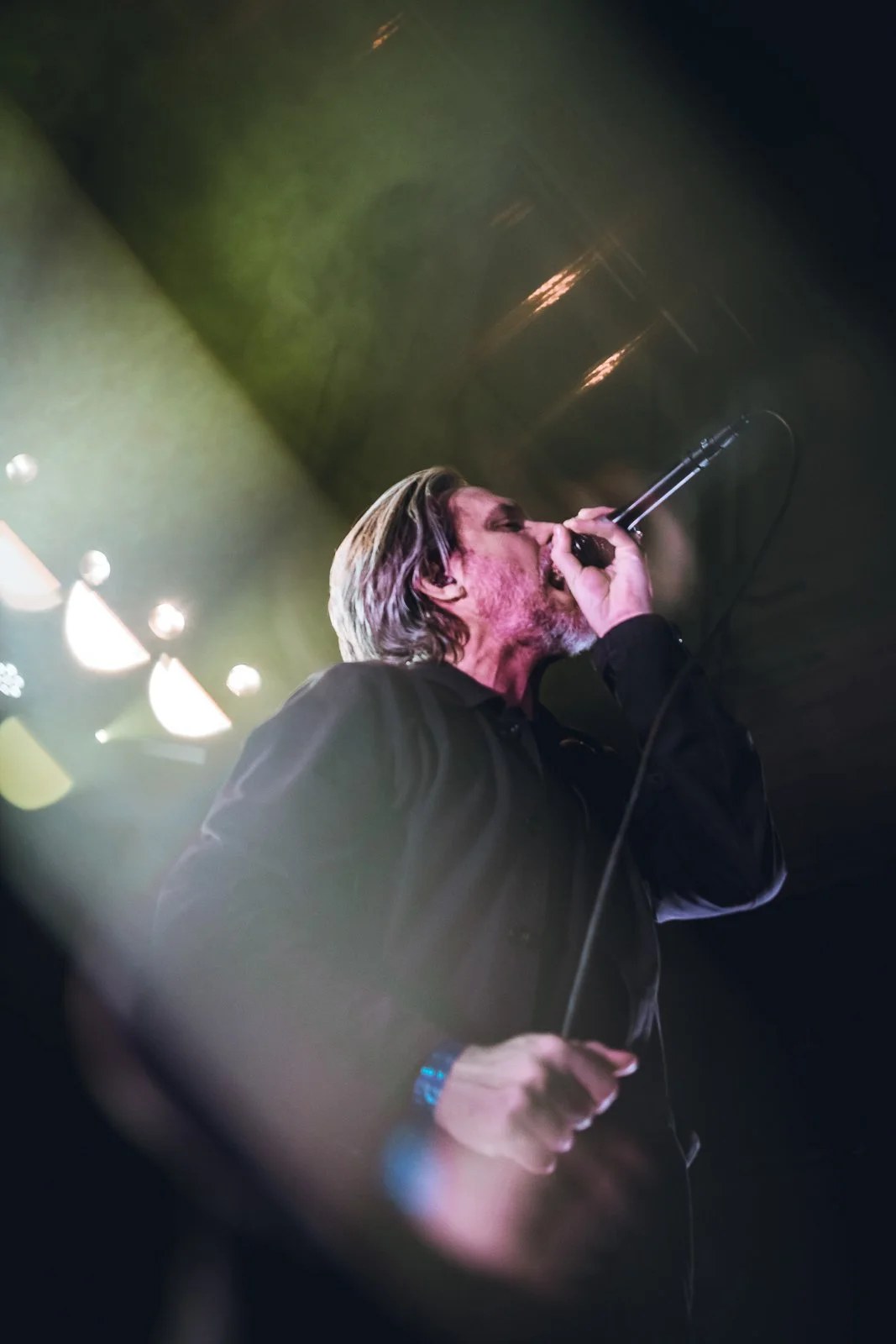
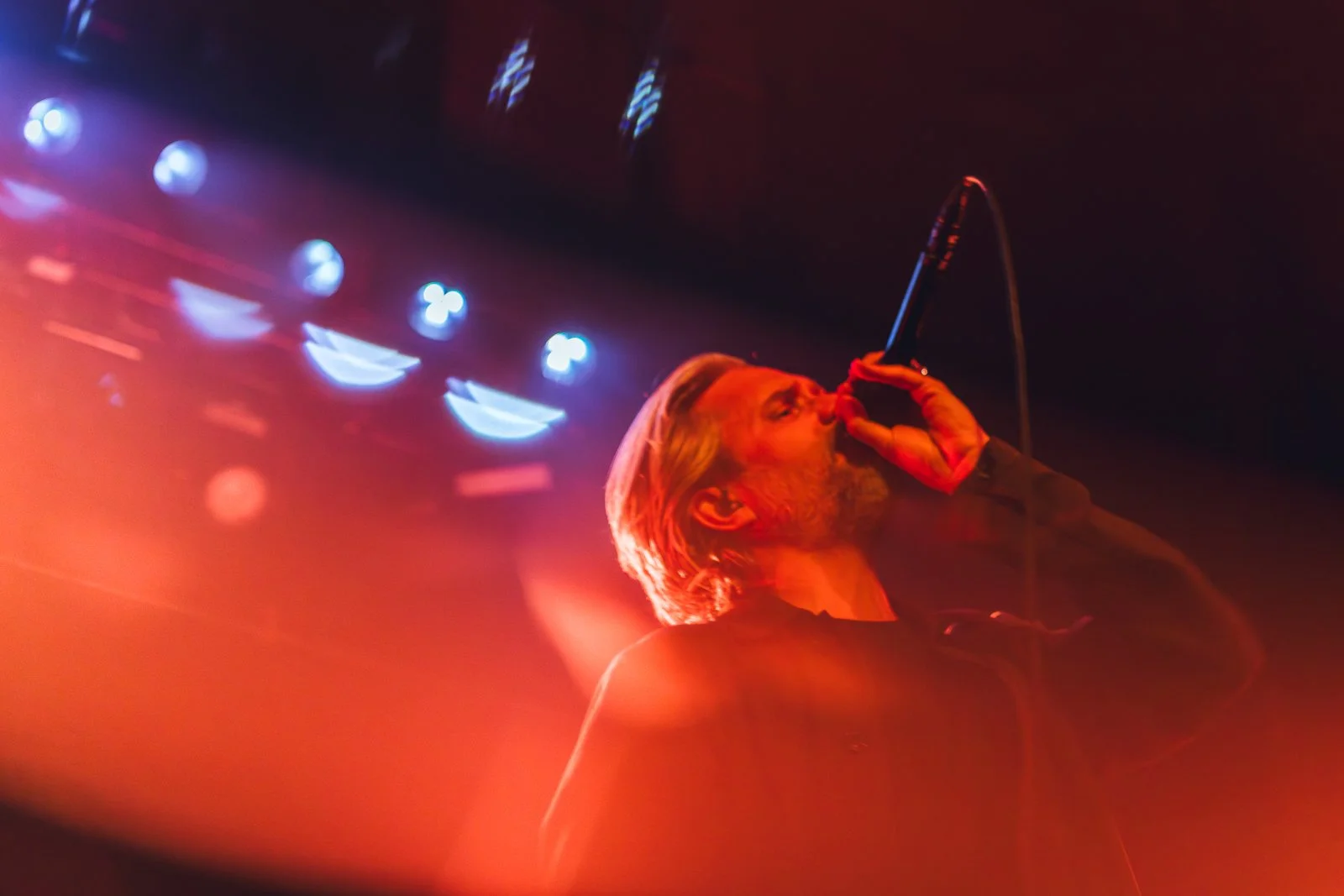
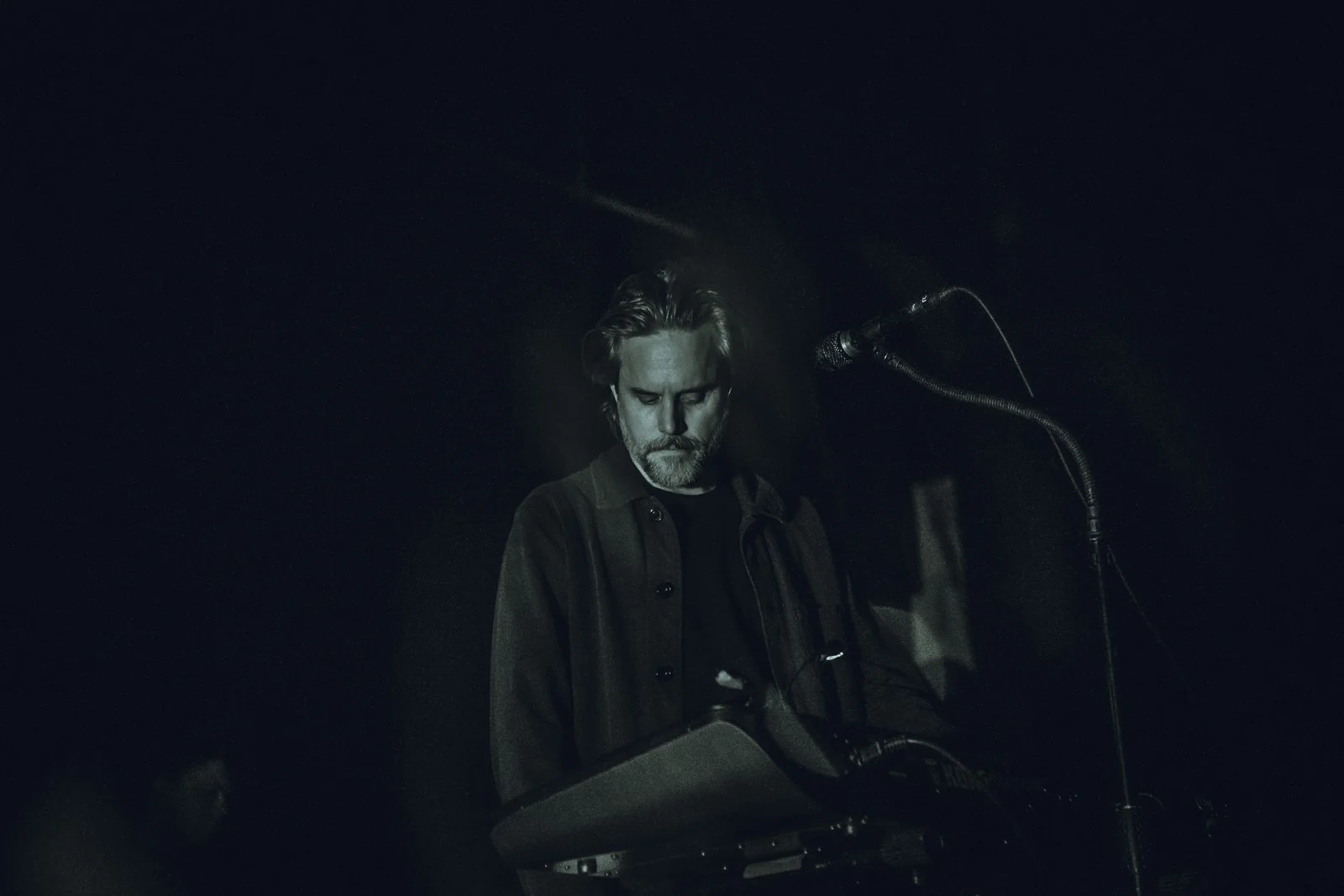
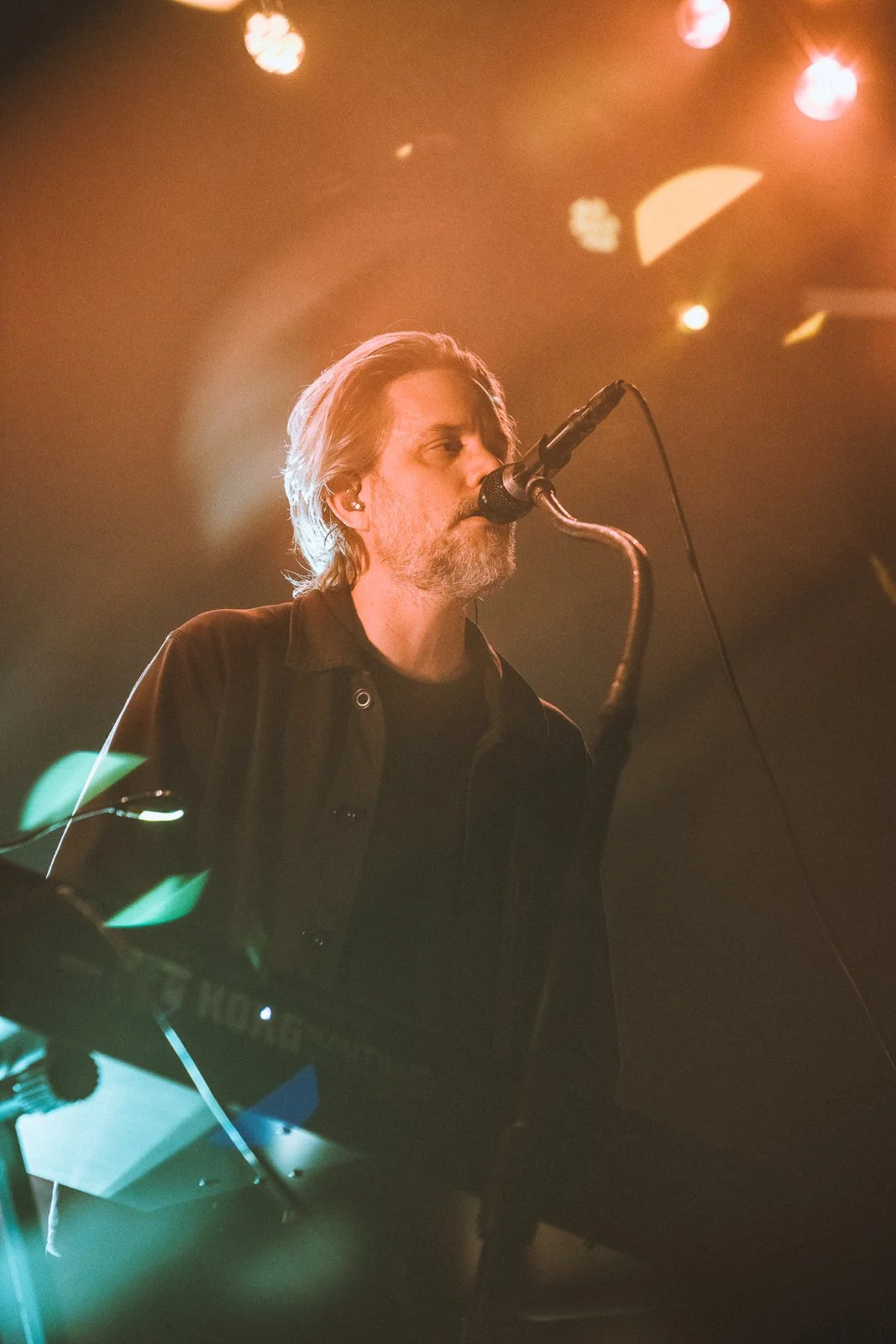
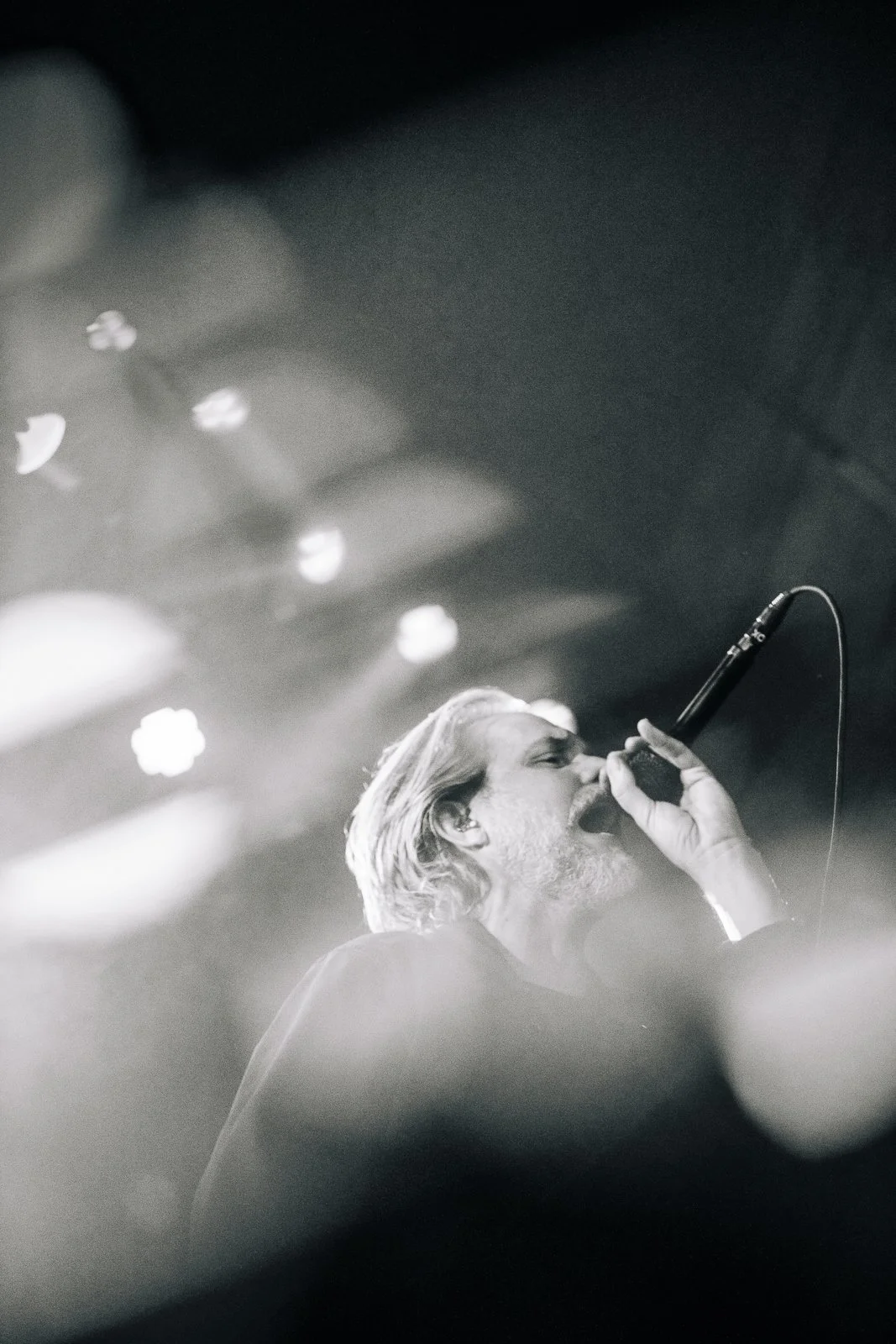
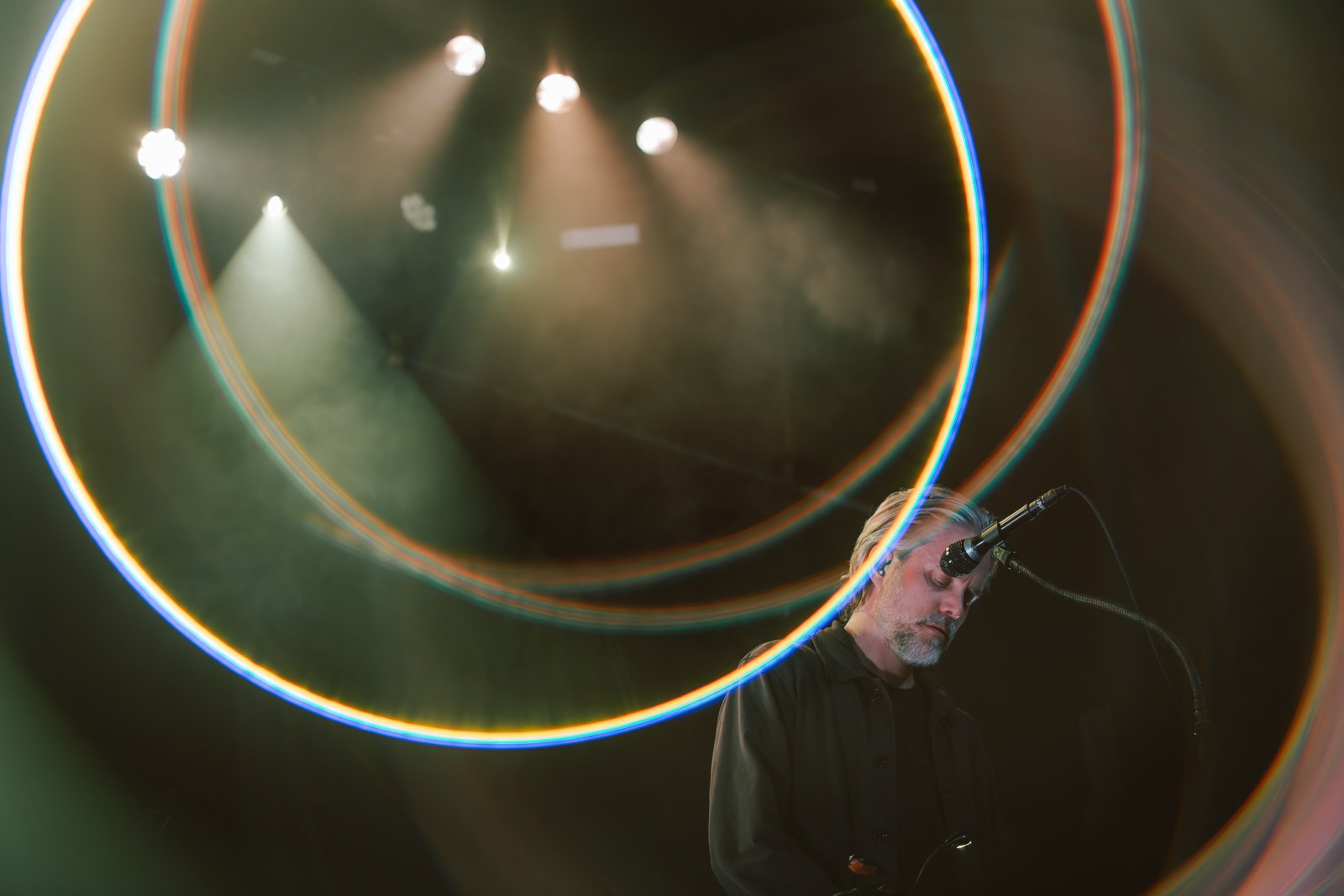
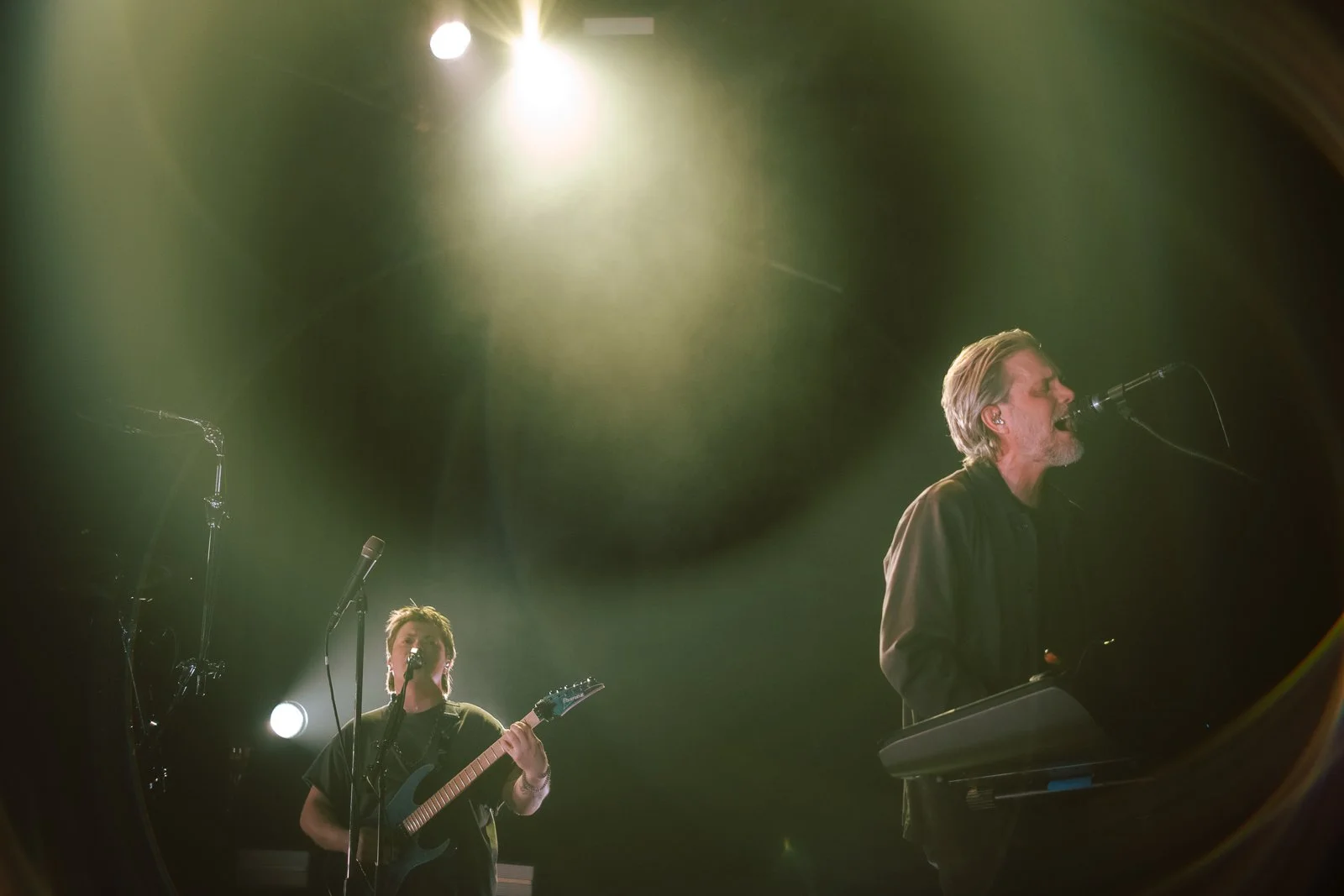
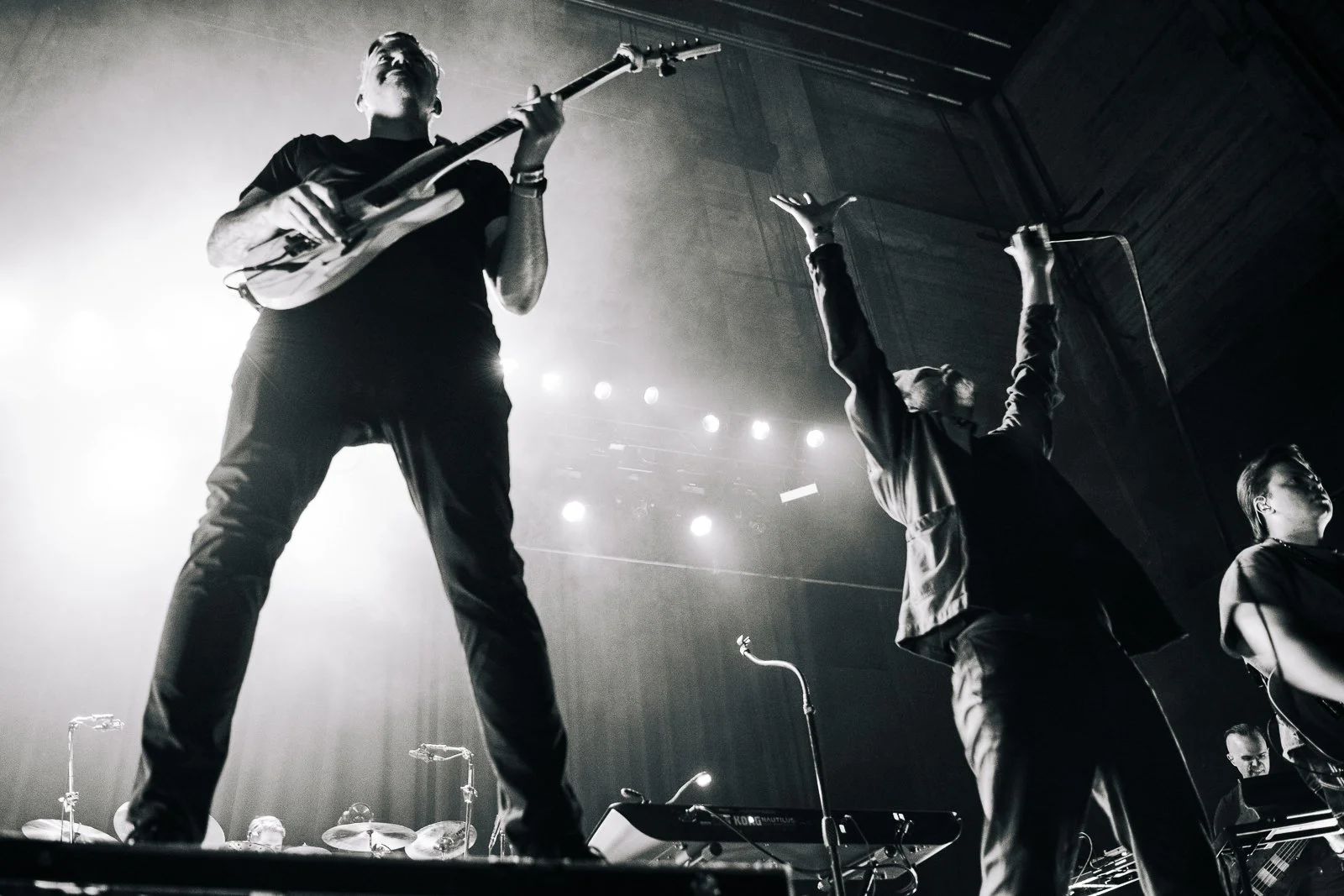
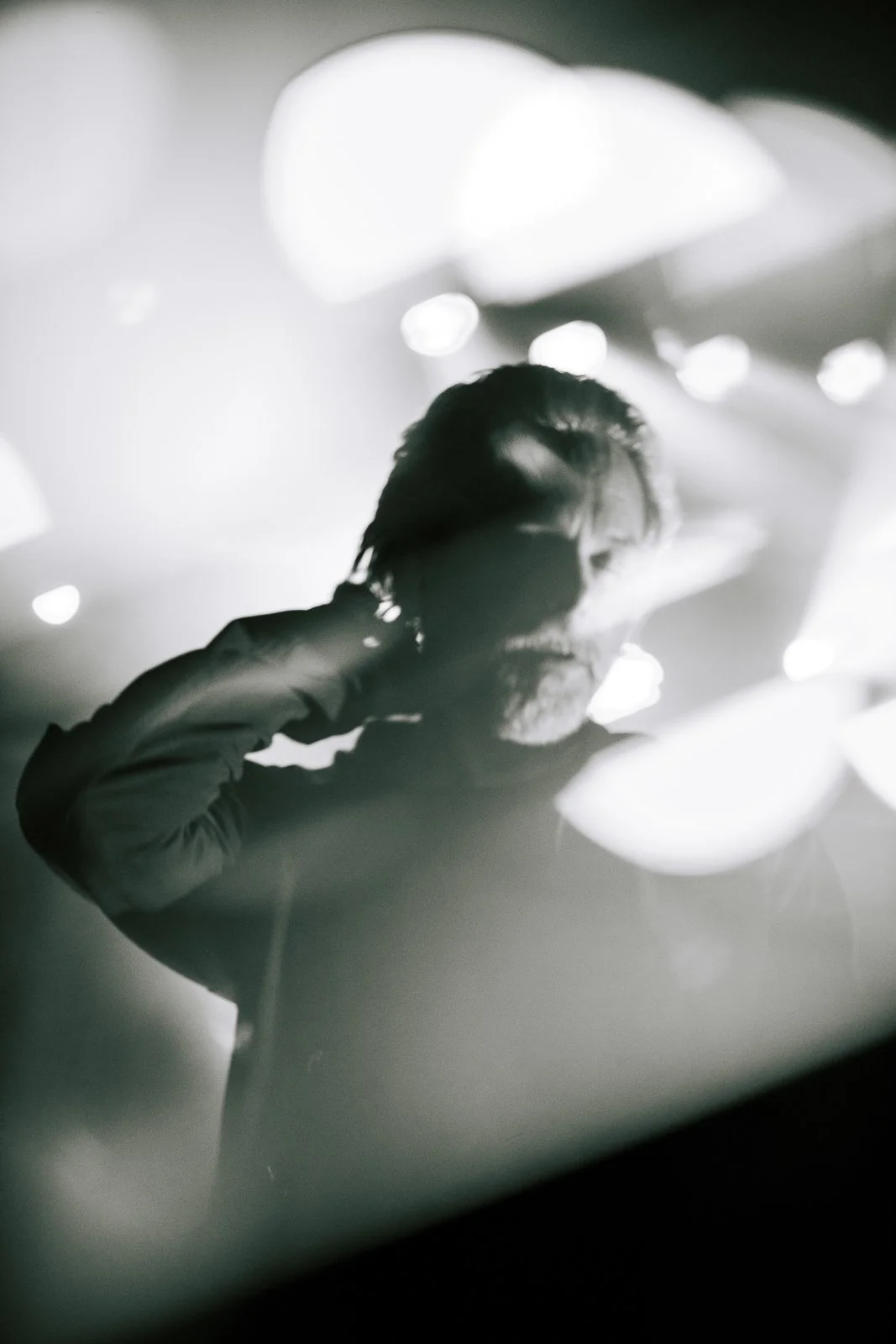
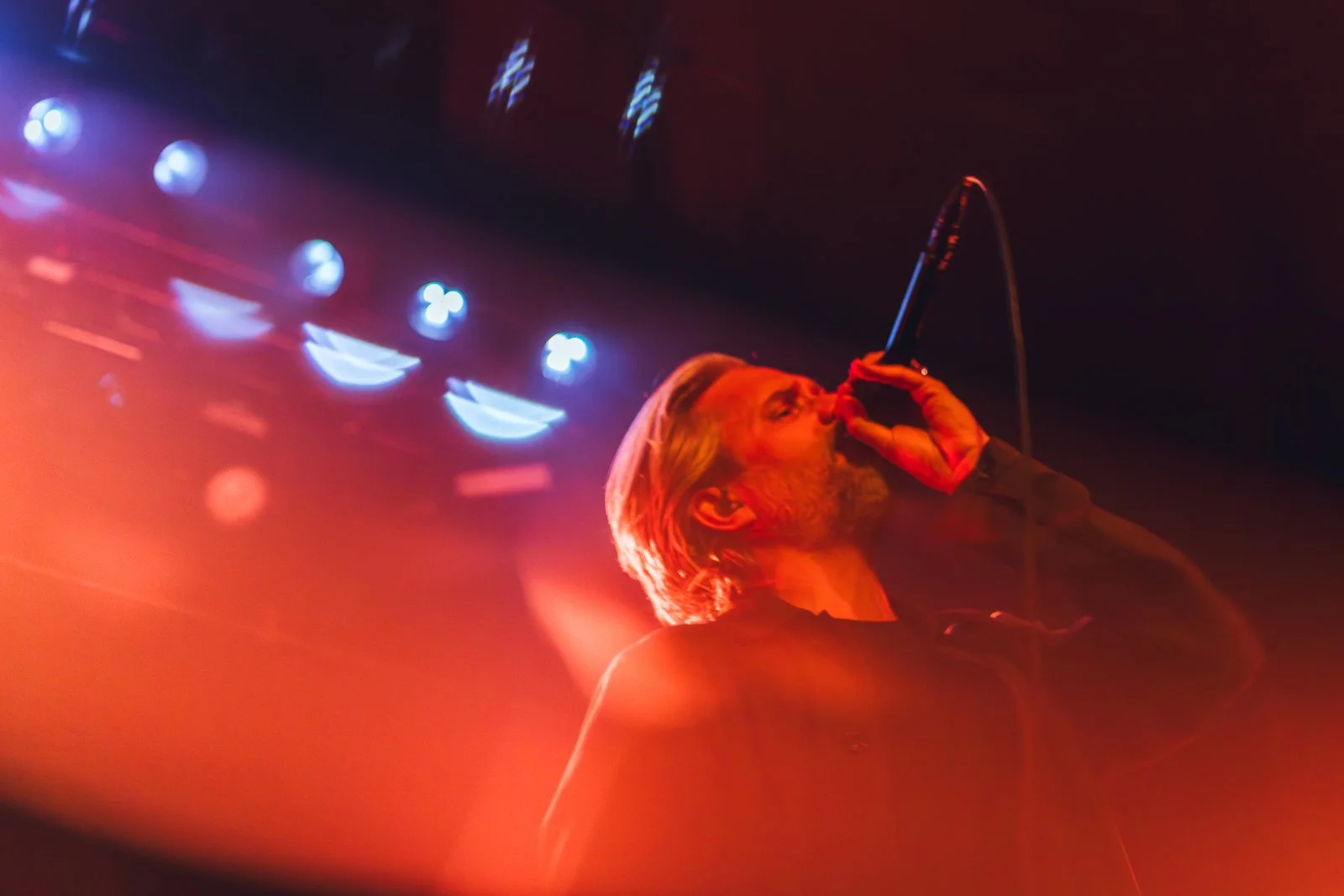
The lights dropped on the taped hum of "Mirador Uncoil" before the band tore into "Psychomanteum," named for the dark mirrored chamber where mourners once tried to summon their dead. When played live, it earns the name. Rogers half-swallowed by shadow behind his Korg Nautilus, clean croon and feral shriek trading places mid-phrase like two guests fighting over one reservation. "Fossil Genera – A Feed from Cloud Mountain" came to explode next, and the floor, all crossed arms moments earlier, broke open like an old wound.
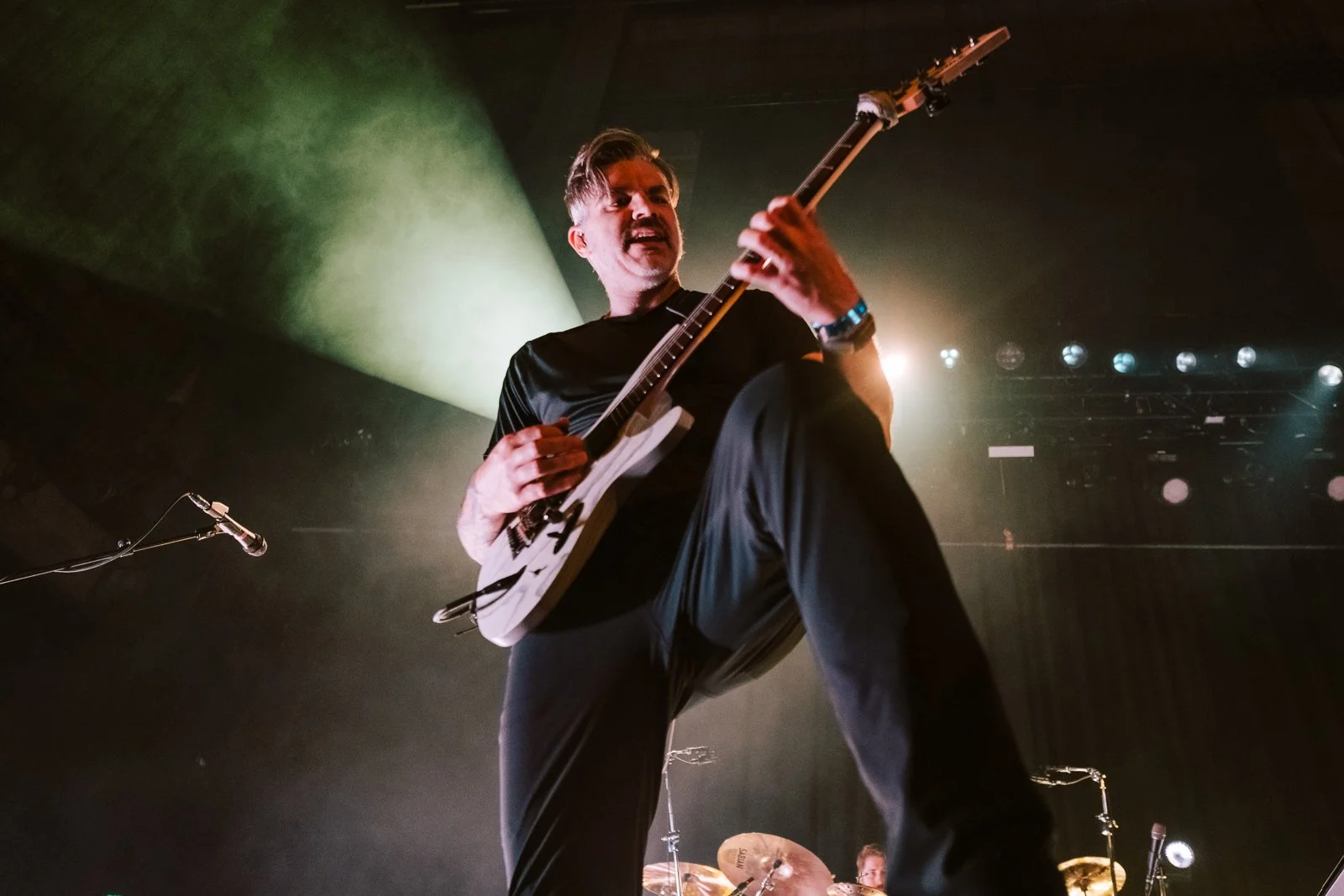
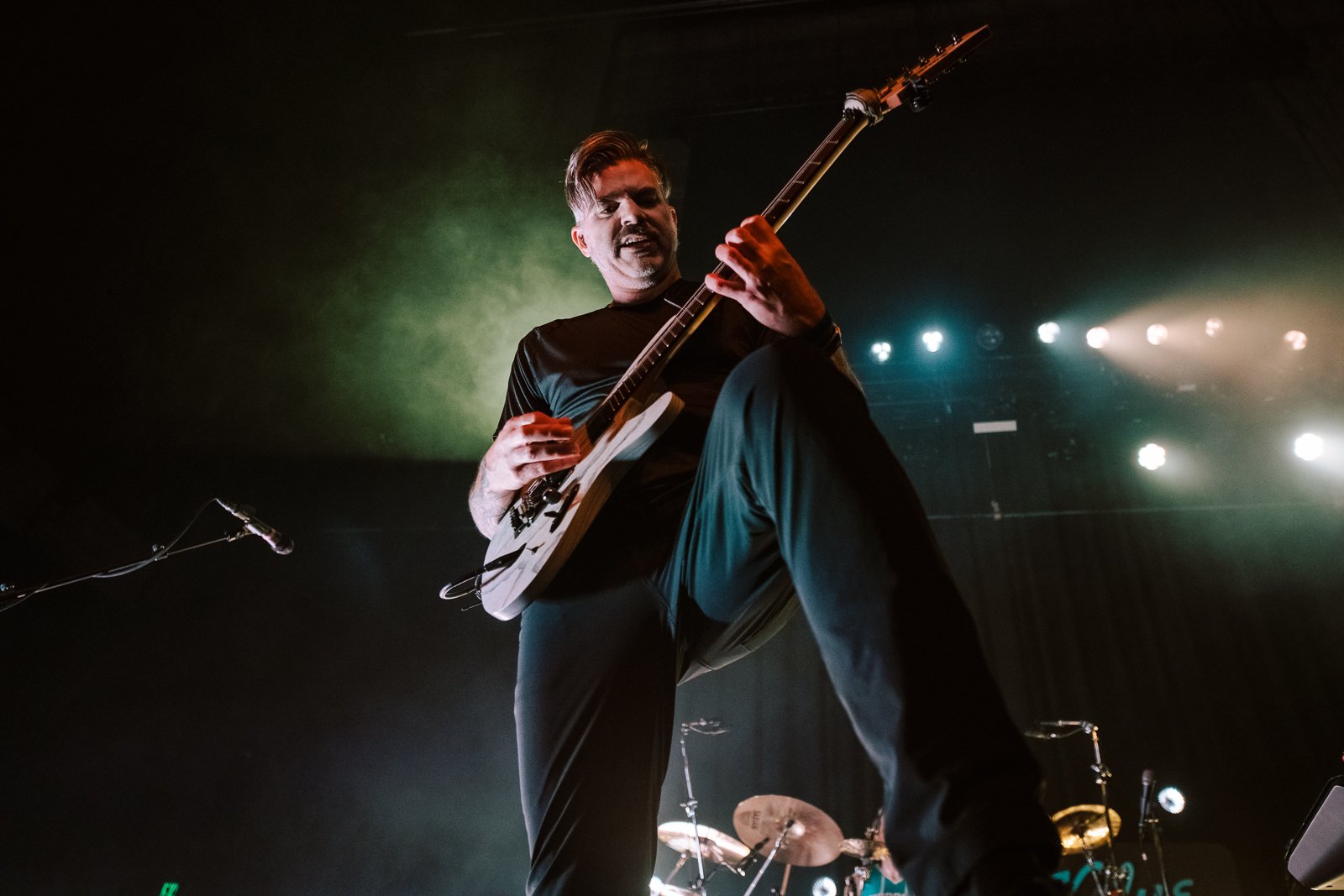
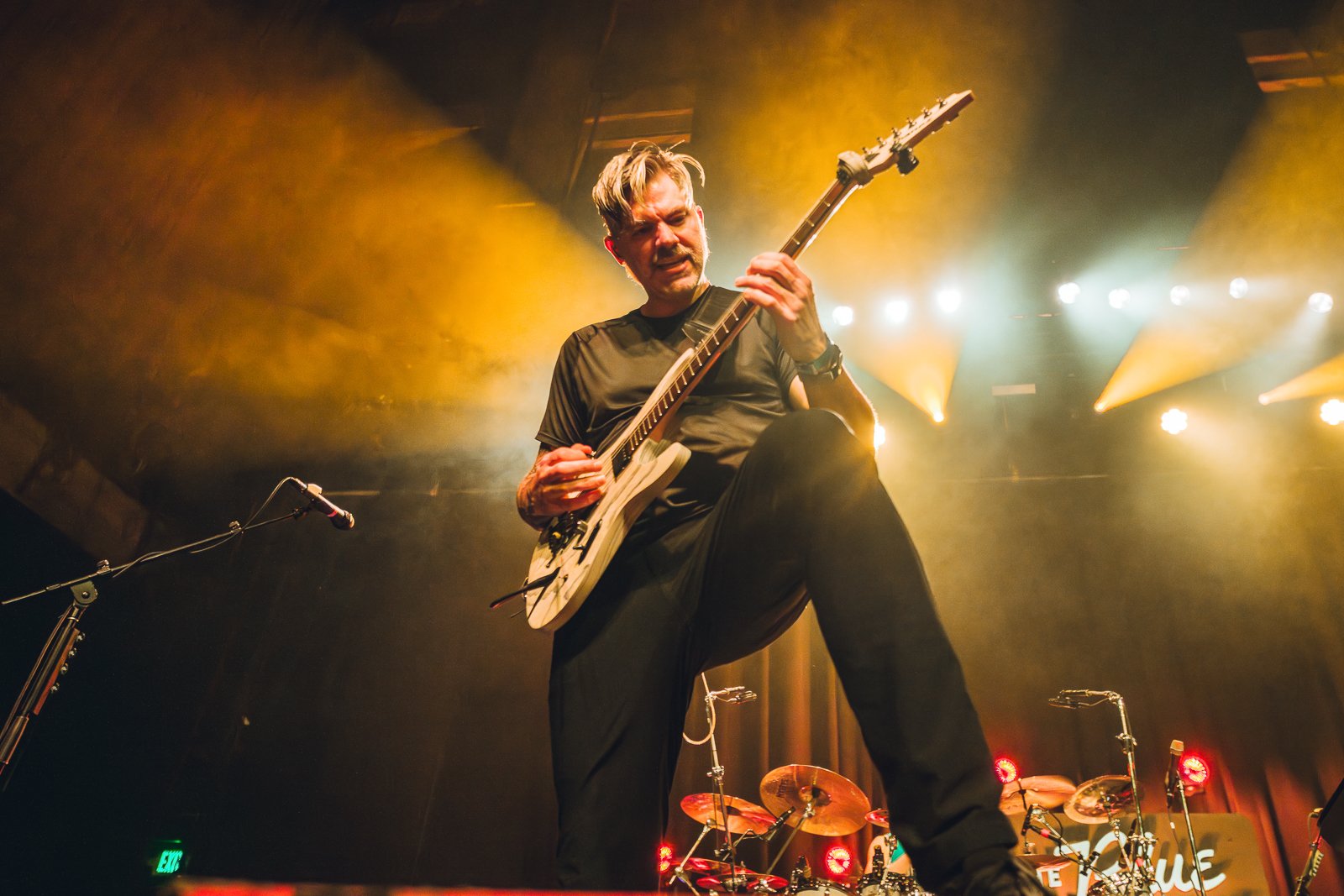
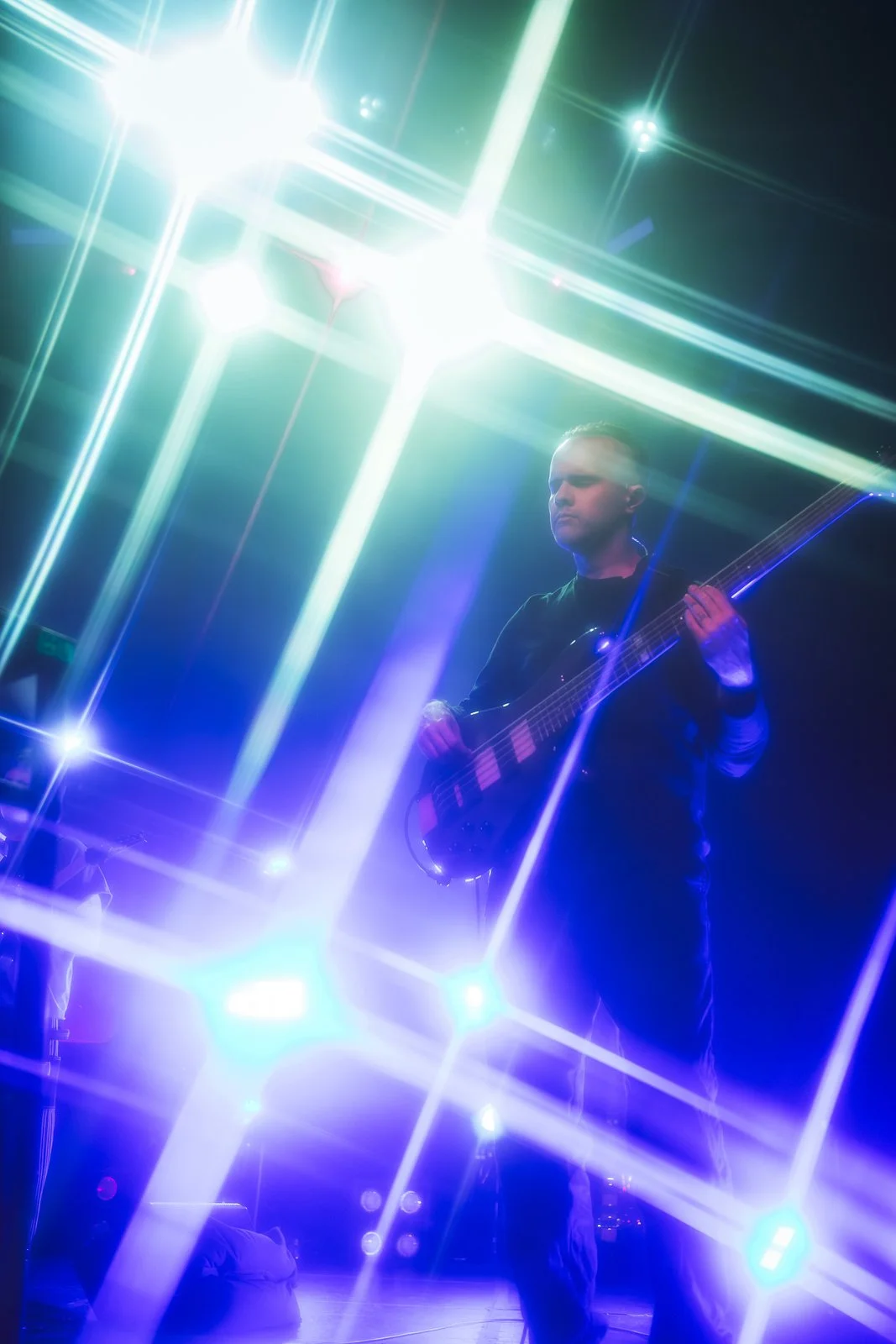
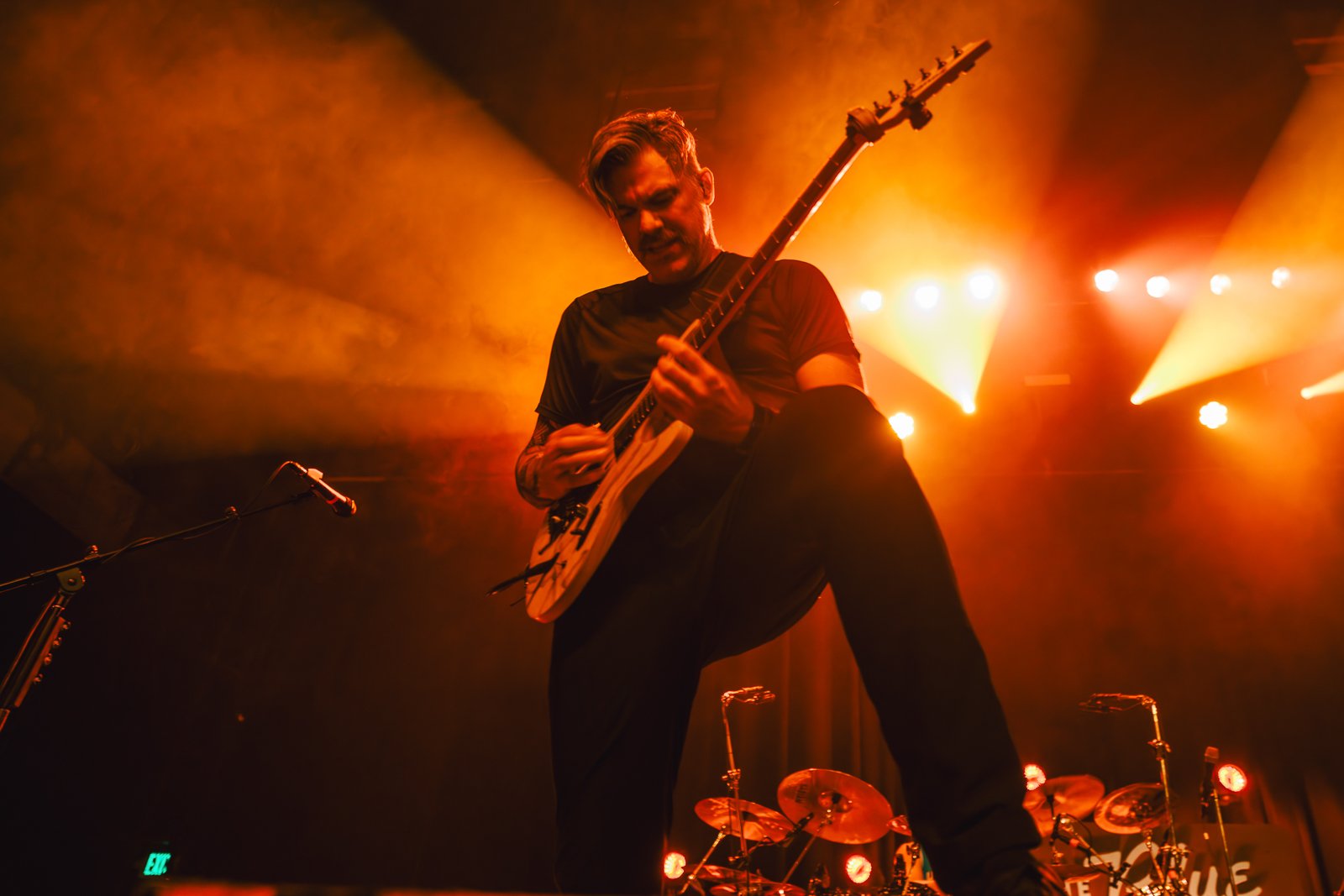
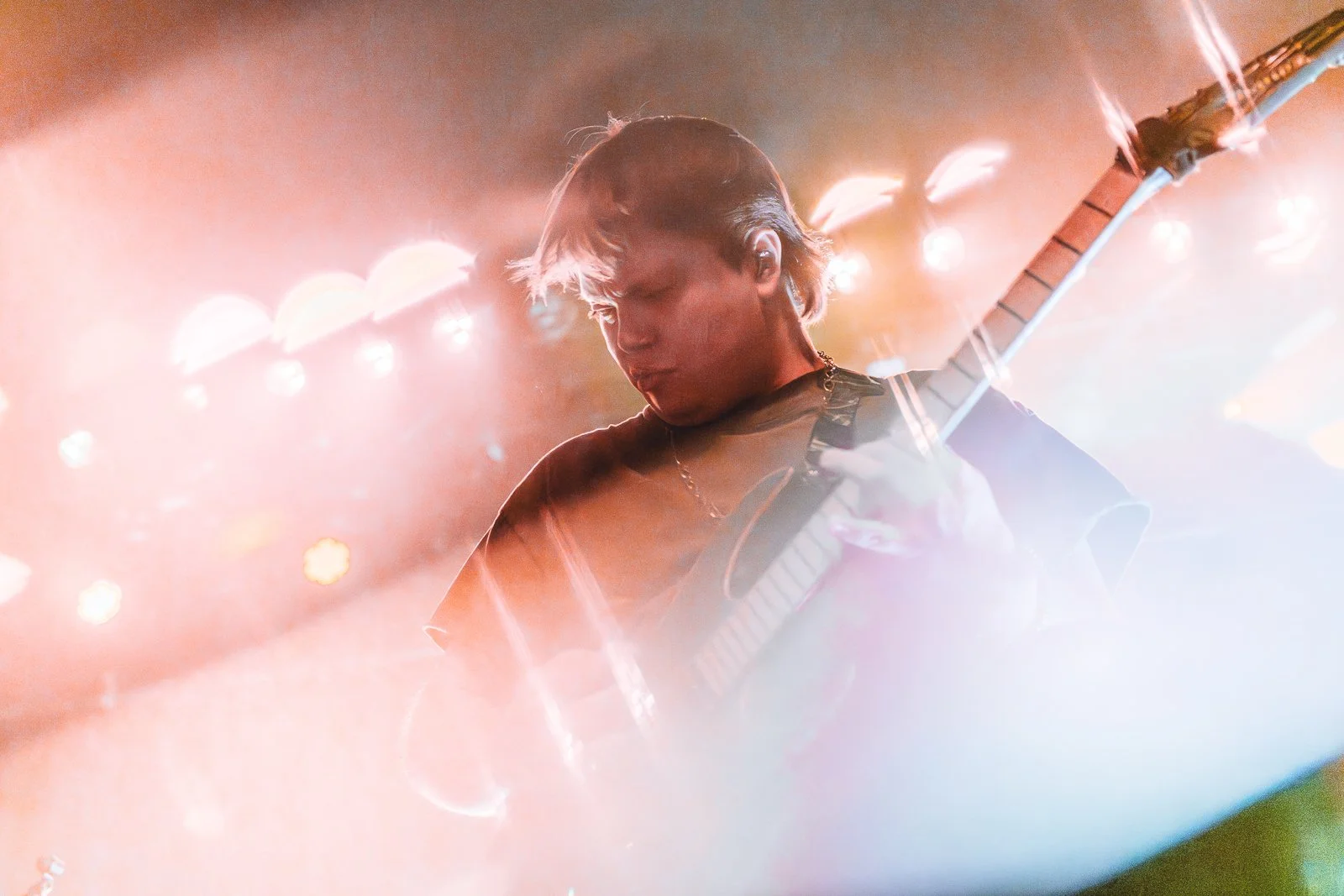
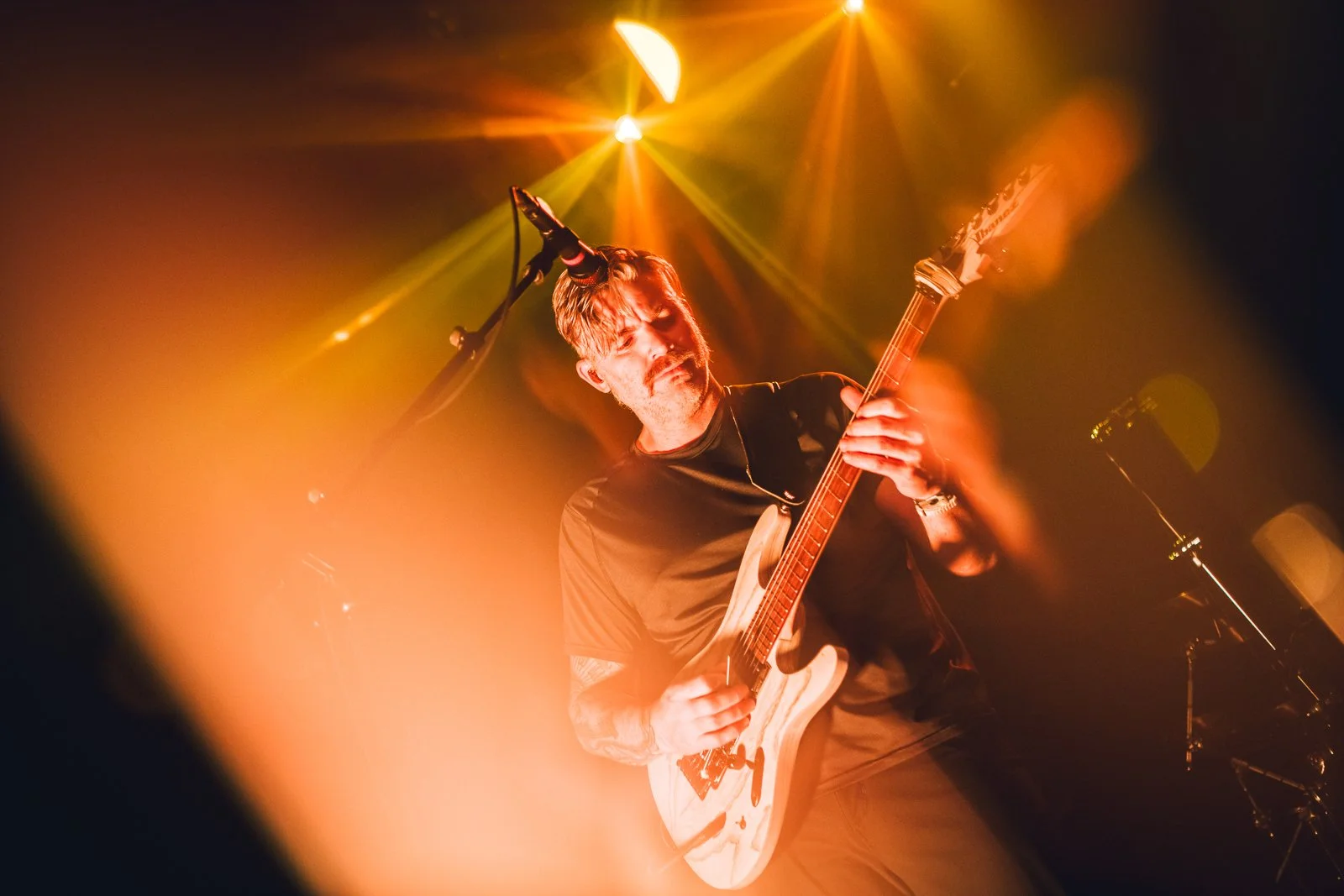
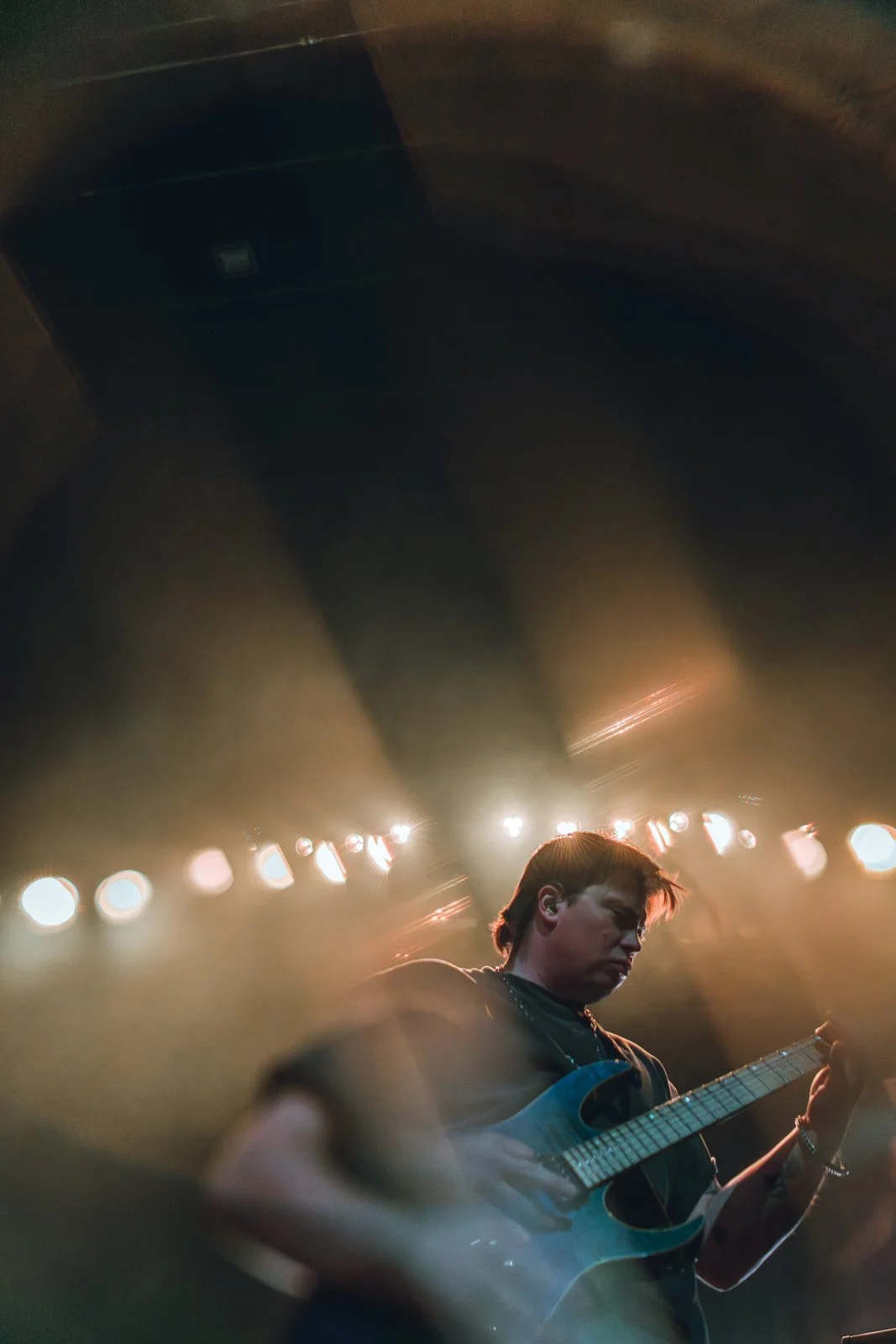
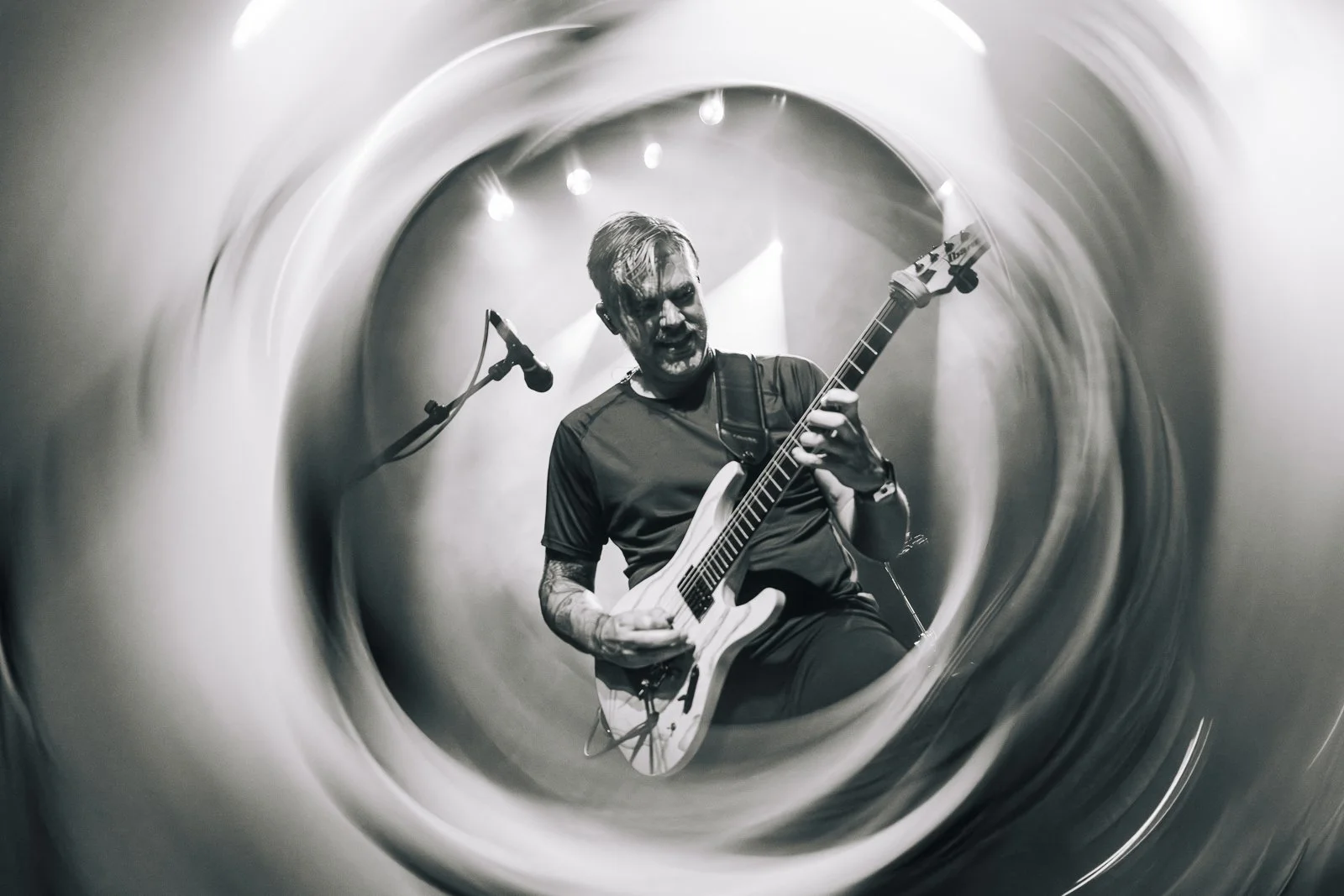
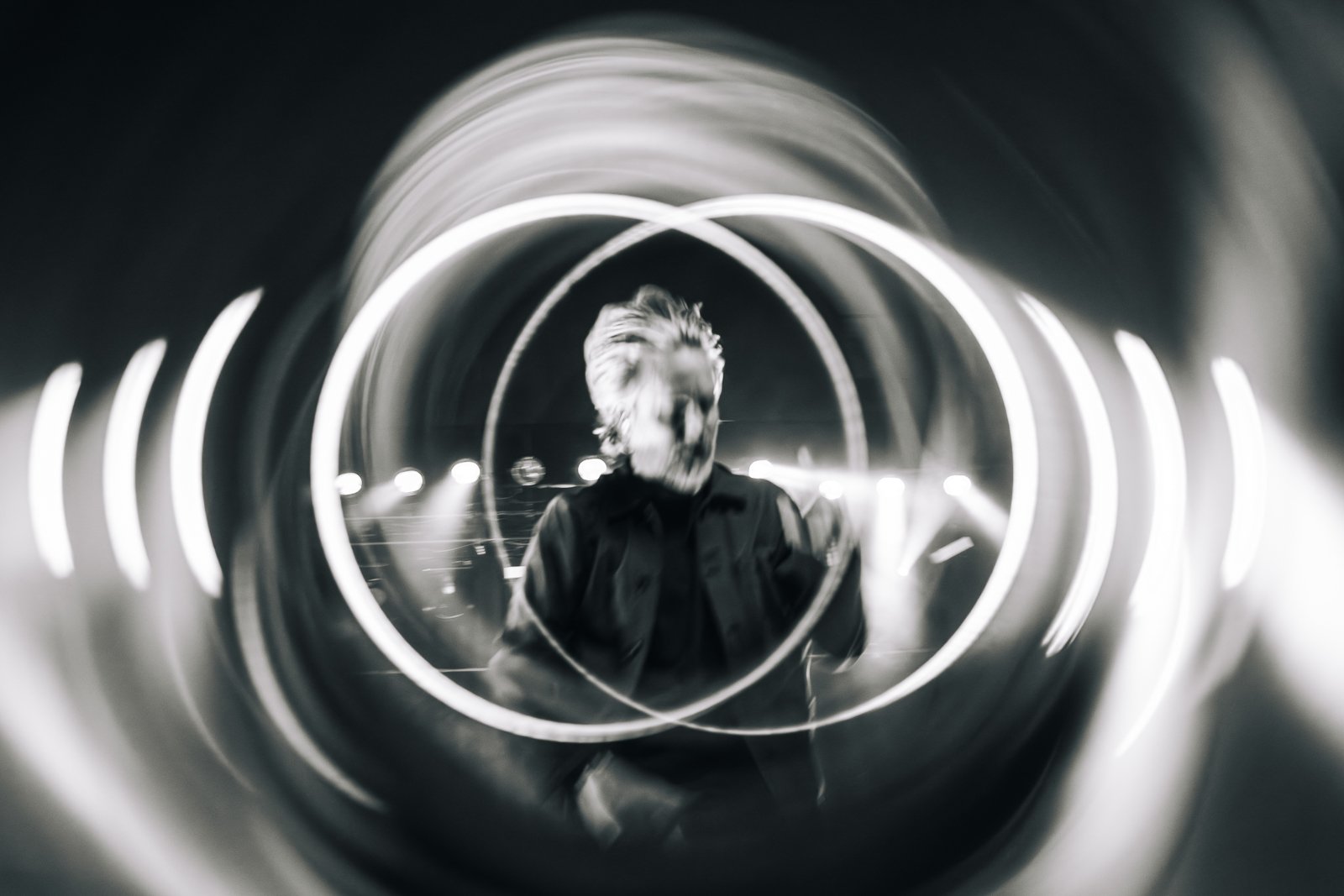
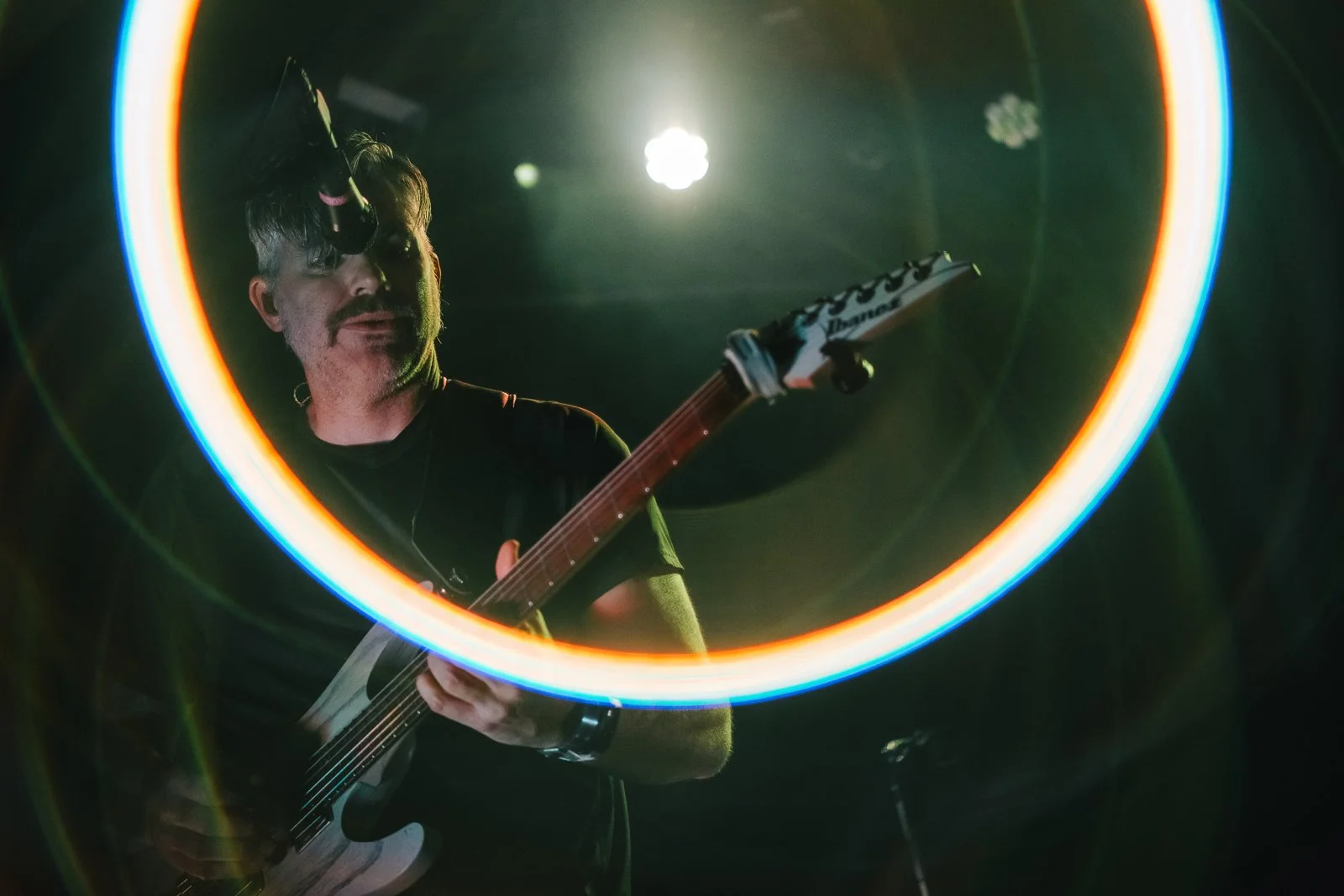
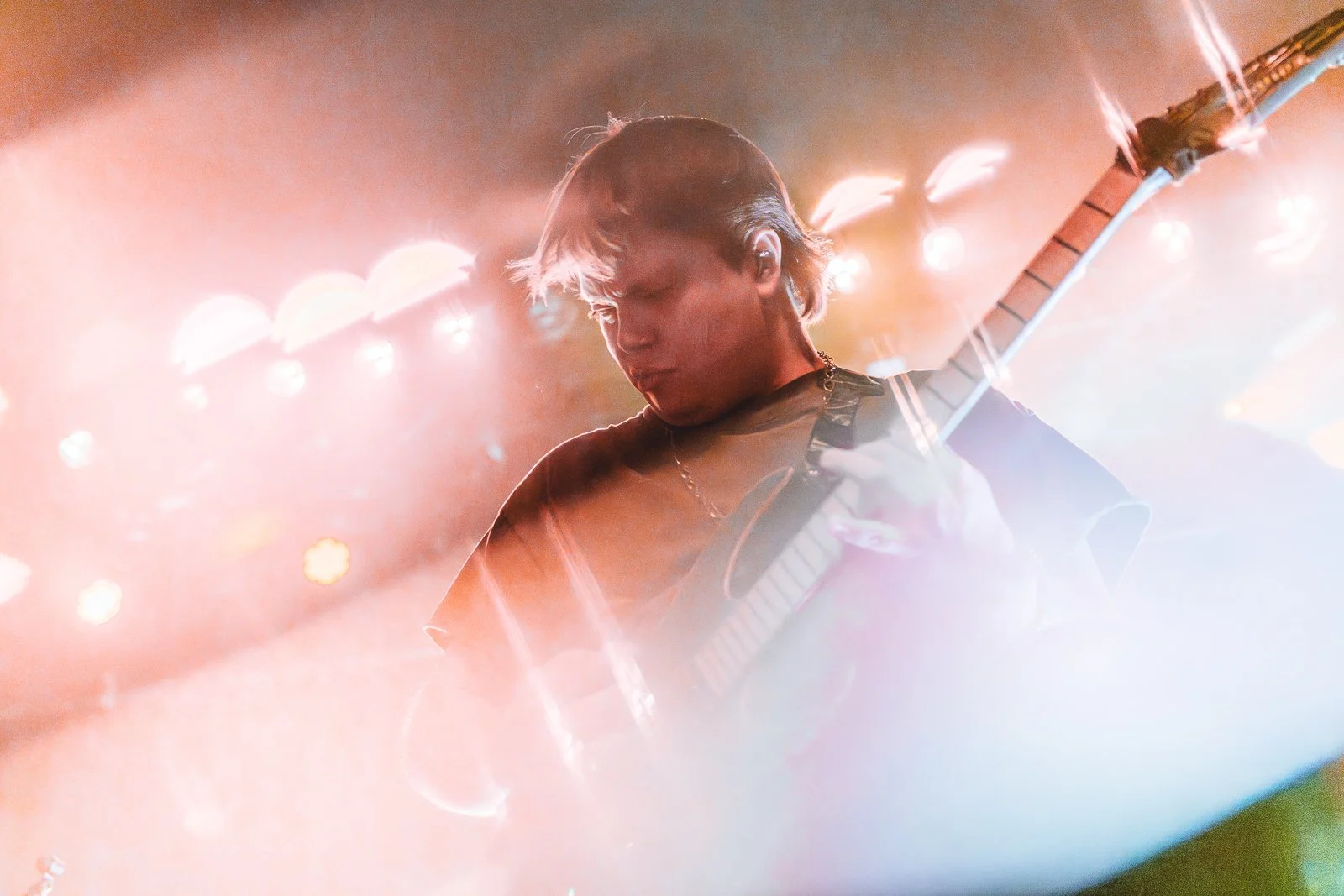
"Condemned to the Gallows" and "God Terror" landed back-to-back—Waggoner at the lip of the stage peeling off runs smuggled in as if he was Trey Anastasio—while Briggs, splintered in prismatic light, anchored the ten-minute "Absent Thereafter" with the rubbery looseness that keeps their heaviest material from feeling overwhelming. Cacophony, to borrow a line from the iconic Nicole Kidman, “feels good at a place like this.”
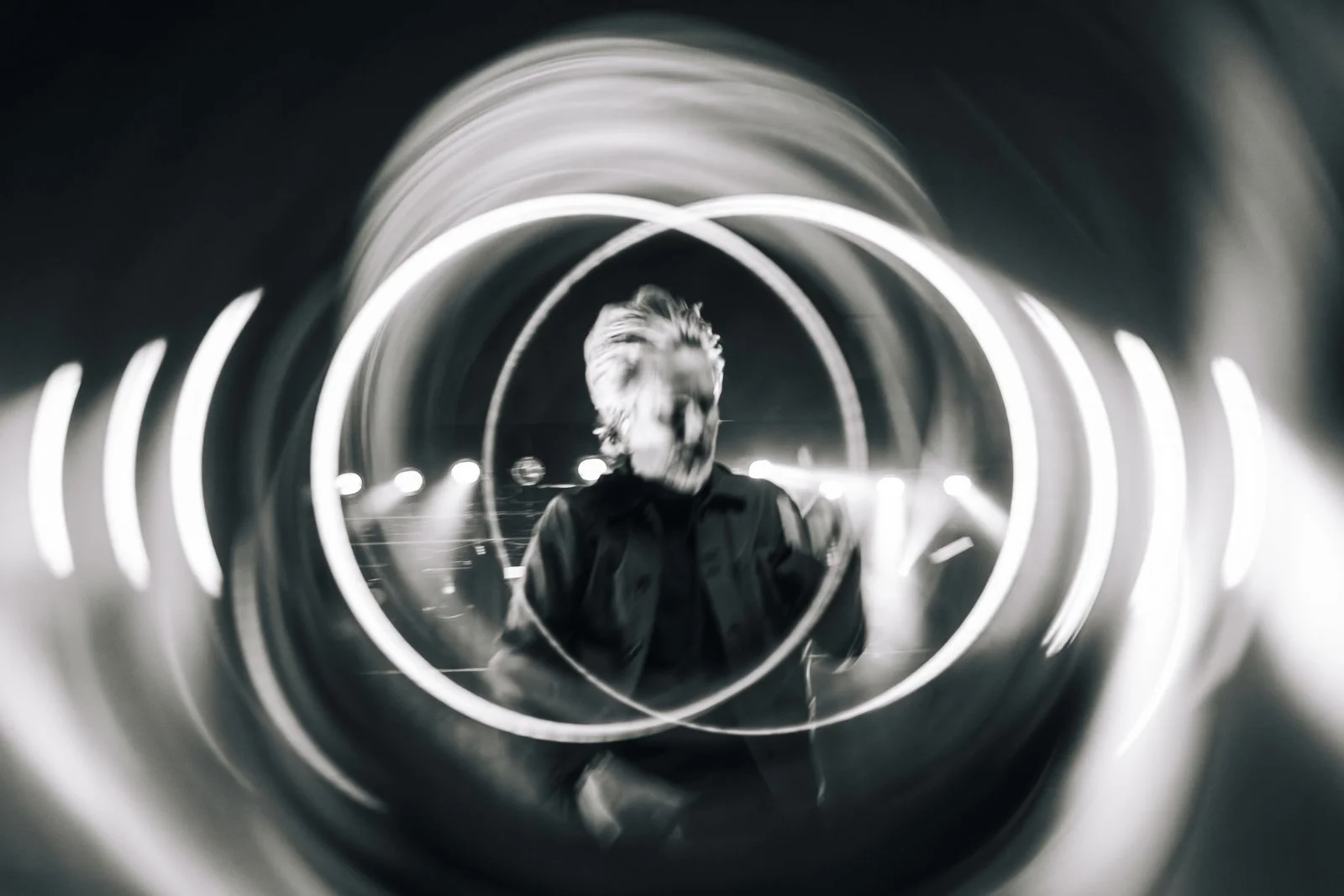
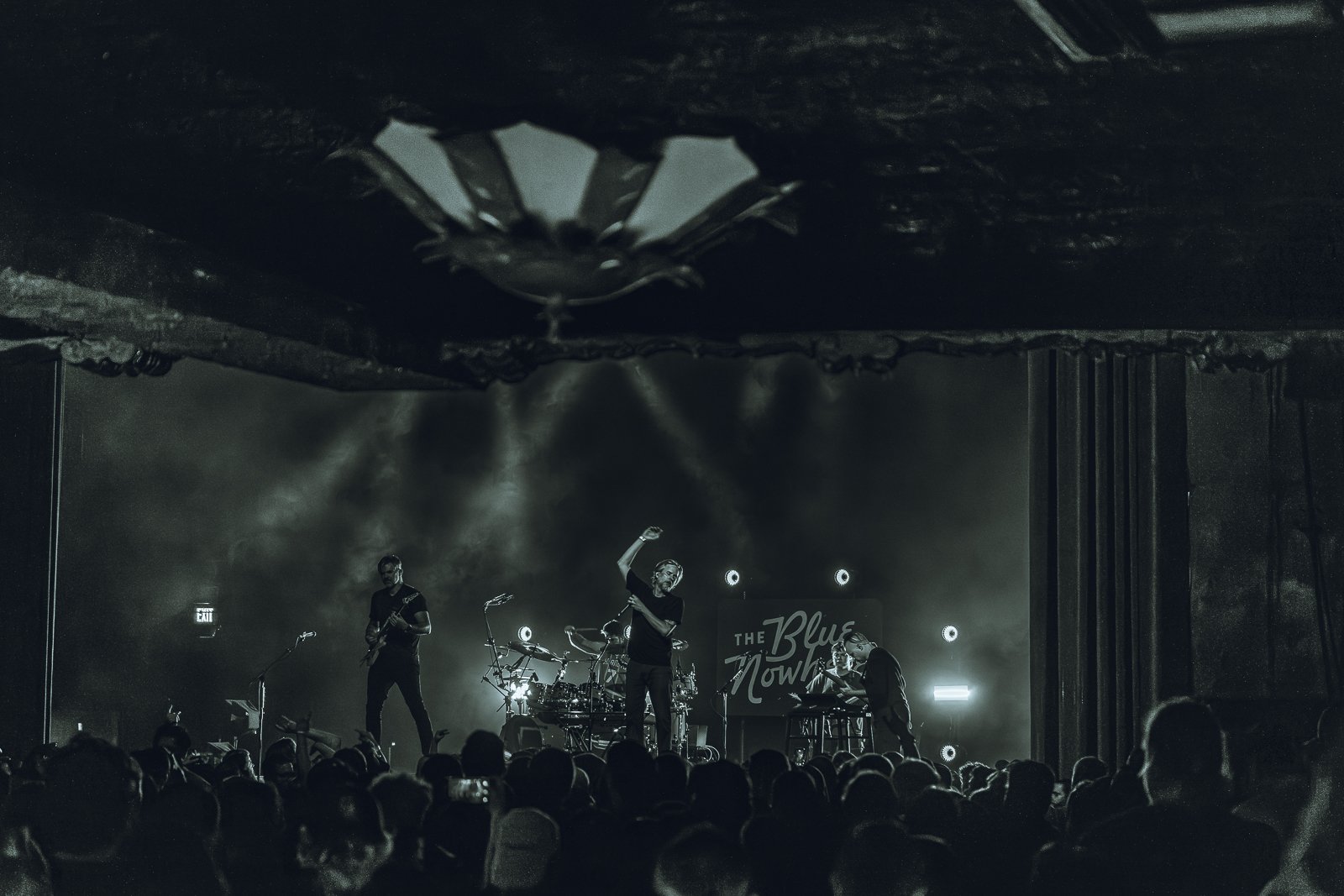
Then onto "Selkies: The Endless Obsession," two decades old and still their most-played song. Waggoner's closing solo is a soaring, weeping melody that has launched a thousand bedroom guitar covers. "The Future Is Behind Us" closed the set in Colors II before the encore the diehards came for: "Silent Flight Parliament" into "Goodbye to Everything Reprise," fourteen-plus minutes of Parallax II dissolving into a swan song. The loudest band in a thousand-mile radius went out flipping T.S. Eliot the bird—the bang and the whimper, in that order, dissolving into a fragile farewell.
Inside the Fonda, ugliness and sweetness were obligations to each other—every lullaby earning another breath by absorbing a scream—while the void waited on the other side of a cheap motel plaster. And whatever the devil's interval was once feared to summon, on Saturday it filled a room in Hollywood. Between the Buried and Me have spent a quarter century playing it louder and stranger, trusting the room to stay until a late checkout.