

GIUSEPPE CUCÉ’S 21 GRAMMI IS A WARM, EMOTIONAL JOURNEY TOLD ENTIRELY IN ITALIAN
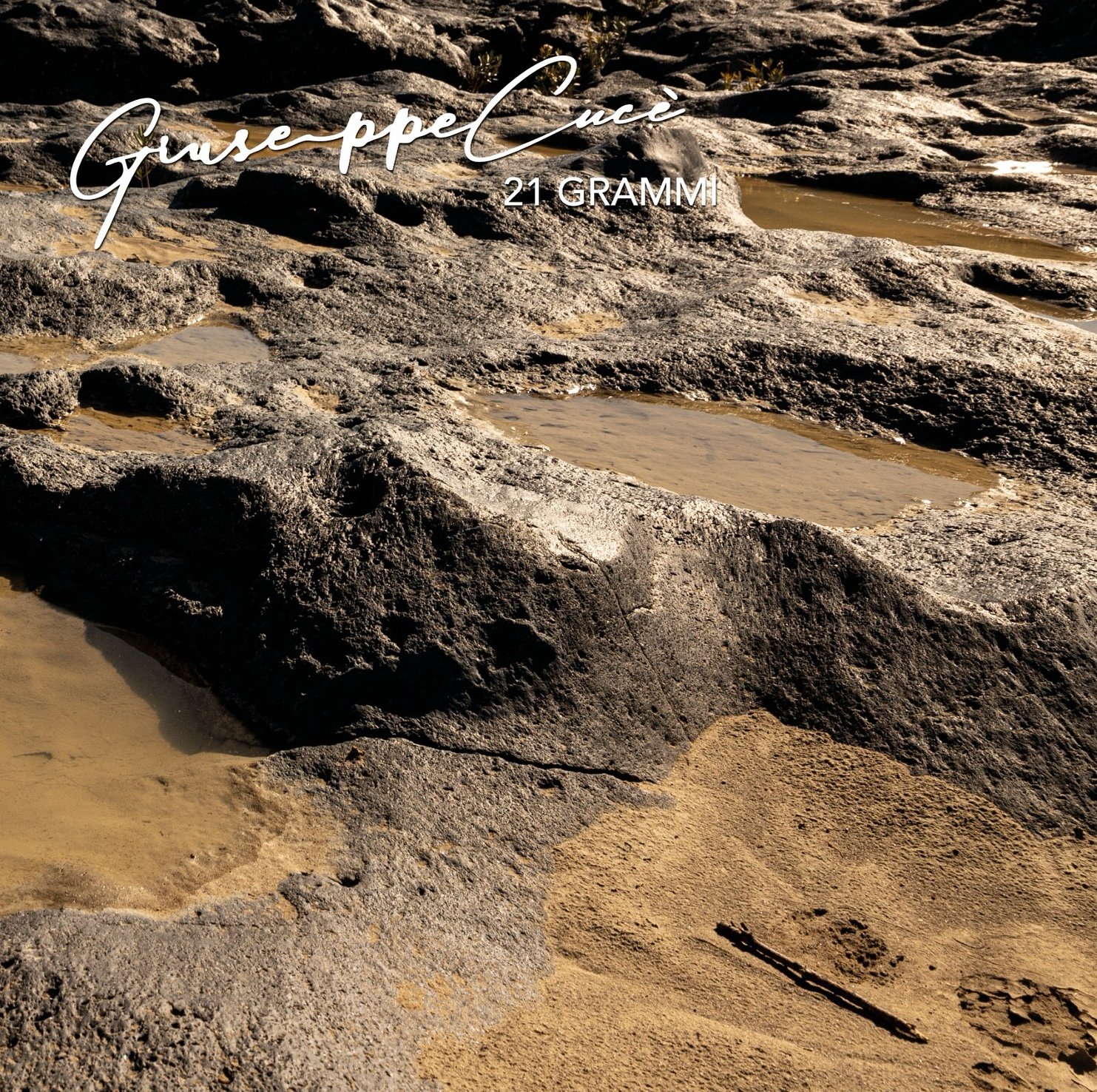
From the very first note, 21 grammi makes it clear that this is a record driven by feeling, intention, and patience. Sung entirely in Italian, Giuseppe Cucé lets the language itself become part of the emotion, allowing tone, melody, and delivery to carry meaning just as much as the words. He never rushes a moment or overstates a feeling, instead trusting space and subtlety to lead.
Moving fluidly between warmth and melancholy, intimacy and release, 21 grammi feels less like a performance and more like a shared experience. It’s a record rooted in human connection and quiet reflection, where even listeners who don’t speak the language can feel exactly what’s being said. Let’s dig in:
“E tutt’ così vero,” which translates to “it’s all so true,” is a gorgeous, feverish opener for 21 grammi. Giuseppe Cucé has a natural gift for words, delivering lyrics that feel honest and effortless. The music itself is pure movement, warm, rhythmic, and impossible to sit still to, with a strong Latin feel that invites you to dance without overthinking it. It’s joyful, heartfelt, and full of life, the kind of song that makes everything feel a little brighter and maybe leaves you craving a cannoli once it’s over.
“Ventuno,” which translates to “next,” arrives as the album’s second track and immediately shifts the mood inward. It’s slow, elegant, and deeply endearing, built around a sense of quiet patience rather than momentum. Giuseppe Cucé sounds completely exposed here, letting emotion lead rather than performance.
His vocals are tender and fragile, carrying a weight that feels unmistakably real, while the beautiful piano in the background gently holds everything together without ever overpowering the moment. It’s understated, intimate, and devastating in the softest way. If this song doesn’t hit you somewhere deep, you may want to check your pulse.
“Dimmi cosa vuoi,” the album’s third track, translates to “tell me what you want,” and it plays like a moment of honest frustration laid bare. Cucé sounds caught between vulnerability and impatience, singing directly to someone he wants clarity from, someone he needs to be real with.
Instrumentally, the song stays slow and restrained, continuing the emotional pacing set by the previous track. A beautiful piano carries the arrangement's weight, allowing the feeling to do the heavy lifting rather than the production. It’s understated, intimate, and quietly powerful, letting the tension and longing speak for themselves.
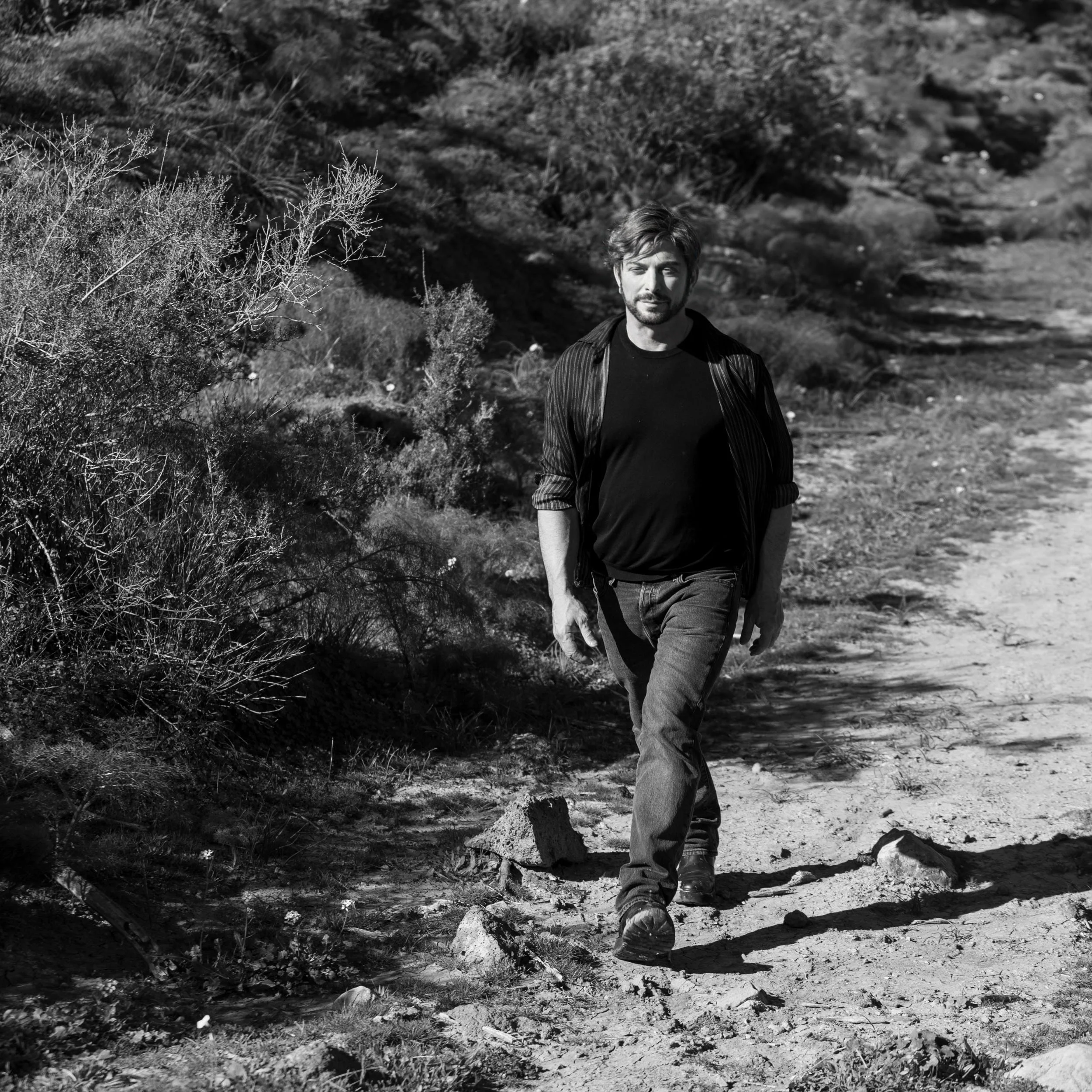
“Fragile equilibrio” picks up the pace and lets Cucé fully stretch his vocal range, delivering a beautiful and expressive performance that feels both confident and emotional. The song leans into an anthemic feel, hitting with a sense of lift and momentum that stands out immediately.
Pumping drums drive the track forward while the piano plays with purpose, adding brightness and energy without losing emotional depth. Everything about the song feels big and full-bodied, striking a balance between power and elegance. It’s bold, uplifting, and easily one of the strongest moments on the album, and it quickly became one of our favorites.
“La mia dea” is a stunning, understated track, carried by a beautiful piano line that runs gracefully throughout, giving it a sense of elegance and emotional depth from start to finish.
“Cuore d’inverno,” which translates to “winter’s heart,” is rich, dramatic, and beautifully constructed. The track layers guitar, piano, and sweeping strings into an arrangement that feels both luxurious and intentional, showing just how refined Cucé’s songwriting has become.
It’s a larger-than-life song, but one that understands the power of restraint. The verses pull back and soften, giving the listener room to breathe before the chorus surges back in with full emotional force. That push and pull make each return hit harder, turning “Cuore d’inverno” into a moment that feels cinematic, immersive, and deeply affecting.
“Tutto quello che vuoi,” the album’s seventh track, is a gorgeous and quietly captivating moment. Built around warmth and subtlety, the song features soft female backing vocals that drift in the background, adding depth and tenderness without ever stealing the spotlight. The result feels rich, intimate, and enveloping.
Translating to “whatever you want,” the track carries an effortless cool, leaning into elegance rather than excess. The strings are especially striking here, adding texture and emotion, while the vocal performance stands out as one of the album’s most expressive. It’s a song that lingers, revealing more of itself the longer you sit with it.
“Una notte infinita,” the album’s second-to-last track, is slow, reflective, and quietly emotional. Translating to “an endless night,” the song leans into a somber mood, carried by understated piano and strings that sound rich and intentional. It’s a sad but beautiful moment that lingers without overstaying its welcome.
“Di estate non si muore” closes the album on a high note, bringing back the upbeat, life-affirming energy of the opening track, which feels like the perfect full-circle moment. Lively and warm, it’s an ideal way to wrap up a very solid record.
Translating to “you don’t die in the summer,” the song is filled with joyful references to living well. Good food, good times, and letting yourself fully enjoy the moment. It’s carefree, celebratory, and made for movement, leaving you with the urge to dance as the album fades out.
Taken as a whole, 21 grammi is a carefully paced, deeply human record that moves effortlessly between joy, heartbreak, reflection, and release. Giuseppe Cucé shows a rare confidence in letting songs breathe, trusting emotion over excess and storytelling over spectacle. Every track feels intentional, whether it’s inviting you to dance, sit quietly with your thoughts, or get lost somewhere in between. By the time the album closes, it doesn’t feel like you’ve just listened to a collection of songs. It feels like you’ve lived inside a moment, one that’s warm, honest, and lingering long after the final note fades.