

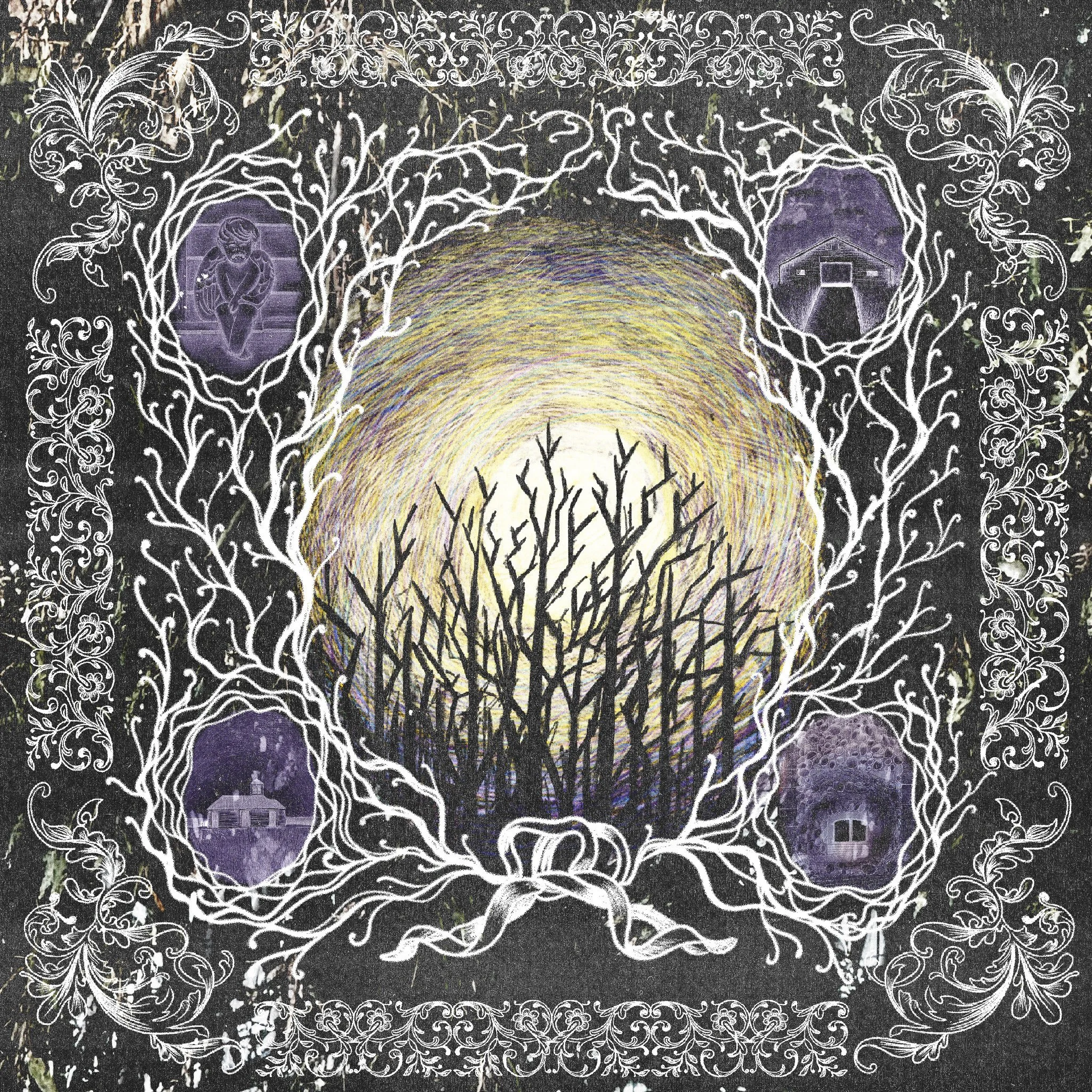
Stinkus is the musical alter ego of Tyler Thompson, a Los Angeles-based producer and writer who has spent years shaping songs for artists like girlhouse, WILD, BEL, The Mowgli’s, Smallpools, and more. The nickname came from a long line of silly variations on “Tink,” eventually landing on Stinkus simply because it made him laugh. This project is his personal sandbox, a place where he can follow every impulse without industry notes or expectations.
For his new album, I love you, trackstar, Thompson disappeared to a cabin in rural Michigan with all his gear and spent two weeks creating whatever felt true in the moment. His inspirations shift constantly, something he credits to having OCD and being bipolar, and that restless creative energy is stitched through every corner of the record. Alex G, Pinegrove, and MJ Lenderman all loom in the background, but the album still feels like its own world, tied together by the fact that every sound was born in the same small room.
What follows is a track-by-track walk-through of an album that captures Thompson’s humor, heart, instincts, and all the weird little thoughts that make Stinkus exactly who he is.
“Plastic Blue” opens I Love You, Trackstar with a playful mix of humor and an easygoing, ridiculously catchy vibe. The acoustic guitar hook is infectious, and the soft, steady drums give the whole song a warm pulse that pulls you in right away. Tyler Thompson, also known as Stinkus, really knocked it out of the park here. He has a gift for making melodies feel instantly familiar, and this track is catchy as hell because of it.
What makes the song even sweeter is the way it ramps up at the end. The electric guitar comes crashing in and takes everything to a whole new level, lifting the track into a full-on burst of energy that feels earned and satisfying. By the time it wraps, you almost feel like reaching for an icy pop and hoping it comes in plastic blue.
“Falling In Love” floats in on silky production and a calm, late-night vibe. Ocean LeClair’s guest vocals blend effortlessly with Thompson’s, creating a warm, intimate atmosphere that feels perfect for long drives or early morning walks. The track has a clean, downtempo charm that hints at AJR but with all the excess stripped away. With more than 26k streams on Spotify, it’s clear listeners connect with the tenderness in lines like “I go anywhere that you go.” Thompson’s affection feels real, and the chemistry between him and LeClair only makes the song hit deeper.
“only when it comes to you, I guess” immediately comes in with a sense of hesitation, and the music matches that feeling perfectly. The track leans into a slow, intimate vibe that brushes up against bedroom pop without fully living there. The acoustic guitar carries most of the weight, warm and steady, while the soft bass and subtle drums round everything out in a really satisfying way. When the gentle electric guitar enters, it adds just the right touch of emotion. The whole thing becomes another soft banger that feels honest, tender, and easy to fall into.

“Casino” is a quick two-minute burst of fun, the kind of track you immediately want to crank all the way up. It has that playful energy Tyler Thompson has been nailing throughout the record, and he leans into it fully here. The vibe is light, catchy, and effortless, the kind of song that gets stuck in your head before you even realize it.
As the track moves toward the finish line, everything starts to swell. The volume rises, the energy heats up, and the whole thing shifts into a more chaotic and exciting gear. Some moments hint at the emotional charm of Owen, and other moments that feel undeniably like Stinkus carving out his own lane. It is quick, punchy, and gone before you want it to be, which is why it works.
“Curiously Intent (underdog)” brings back some of the familiar textures we’ve been hearing throughout the album, but with a fresh twist. The electric guitar stretches out with an elongated, almost pedal-steel quality that gives the track a dreamy bend without losing the Stinkus identity. It’s a subtle shift, but a really cool evolution of Thompson’s already well-shaped sound.
The title track, “I love you, trackstar,” is easily one of the standouts on the album. The moment it starts, that bright, playful electronic intro grabs your attention. It has the same infectious charm you’d hear from Kyle Andrews blended with the shimmering, joyful chaos of early Passion Pit. It really does feel like a sonic love child of the two in the best way.
Thompson’s harmonies on the chorus are a huge highlight, adding warmth and lift without ever feeling overdone. The production throughout the track is crisp, colorful, and incredibly tight, making it one of those songs you want to loop the second it ends. It is the kind of title track that pulls the whole album into focus and shows exactly what Stinkus does best.
“Still (Interlude)” arrives as track seven and works as a gentle reset between the album’s two halves. It’s short, just over a minute, but it does what an interlude should do. It gives the album a moment to breathe, clears the sonic palette, and leads you into the next stretch of the record with a calm, reflective touch. It lingers in a good way, keeping the flow feeling fresh.
“Holy Virgin” is the most-played track on the album for a reason. It is huge. The song carries the same emotional weight and earthy warmth you get from Noah Kahan, and it hits with that kind of immediate staying power. It is ridiculously catchy, the type of track you play once and suddenly find yourself reaching for it to replay without thinking. Yeah, it’s that damn good.
The drums and guitars feel massive, working together with Thompson’s voice to create these thunderous, soaring moments that anchor the entire record. It is one of those songs that defines an album the second you hear it, and “Holy Virgin” absolutely earns that spot.
“Bleeding Orange” slows the pace and lets the acoustic guitar take center stage, carrying the emotional weight with a warm, aching simplicity. There is a cinematic softness to the track that feels instantly familiar, almost like it wandered in from the soundtrack of Call Me By Your Name. It has that same sun-drenched melancholy, the quiet intimacy, the feeling of a moment you do not want to end. It is a beautiful, stripped-back highlight that lingers long after it fades.

“take what you want” swings hard into a burst of punk rock chaos we didn’t see coming, and it rules. It is loud, messy in the right places, and proves Stinkus has way more range than anyone might have expected. Halfway through, the song suddenly fractures into what sounds like a sample from an early ‘90s New York R&B tape, then drops into a low, whispered moment that feels strange and hypnotic in the coolest way. It is weird, it is left-field, and it works. The track also features lophille, who seems to shape those softer, slower pockets that make the whole thing more unpredictable.
“Wide Eye” leans so closely into the textures and ideas explored earlier on the record that it ends up feeling a little too familiar. It is not a bad track by any stretch, but it echoes the vibe of several songs before it, almost like a sibling rather than a standalone moment. It still carries the Stinkus charm, but compared to the variety and surprise elsewhere on the album, this one doesn’t carve out its own identity as strongly.
“Coming To An End” brings some of the album’s best bass and guitar textures, locking into a groove that grabs you right away. The track’s rhythm section carries a lot of weight here, giving the song its pulse while the melody slips in with an easy, infectious charm.
“Maggie My Dog” slows things down with distant acoustic guitar and intimate vocals before it bursts into full-on rock. The line “Maggie my dog loves me when I’m sober and when I’m not” is honestly hilarious and instantly memorable. It is one of the most charming moments on the album, a song that makes it crystal clear how much Thompson adores his four-legged best friend.
“The Oath” closes the album with a lush, full sound that feels intentional and steady. The lyrics hit with real clarity, and the production is strong from start to finish. At nearly five minutes, it asks for a little more patience than some of the earlier tracks, but it still lands as a confident final statement, wrapping up the record with a sense of weight and closure.
Taken as a whole, I love you, trackstar feels like Tyler Thompson opening every window into his world and letting us wander through it. The album moves from playful to tender to chaotic to heartfelt without ever losing its sense of identity. Stinkus proves he is not just experimenting with sound but truly shaping it, finding a way to make even the quirkiest ideas feel honest and intentional.
What makes the record work is the balance. For every big, explosive moment, there is a quiet one waiting around the corner. For every joke or playful turn, there is a line that hits harder than expected. It is an album packed with personality, creativity, and an emotional through line that sneaks up on you by the end.
I love you, trackstar shows an artist growing in real time, taking risks, stretching his range, and having a damn good time doing it. And whether he is whispering, shouting, laughing, or breaking your heart a little, Thompson makes it almost impossible not to root for him.
Hello, World!