

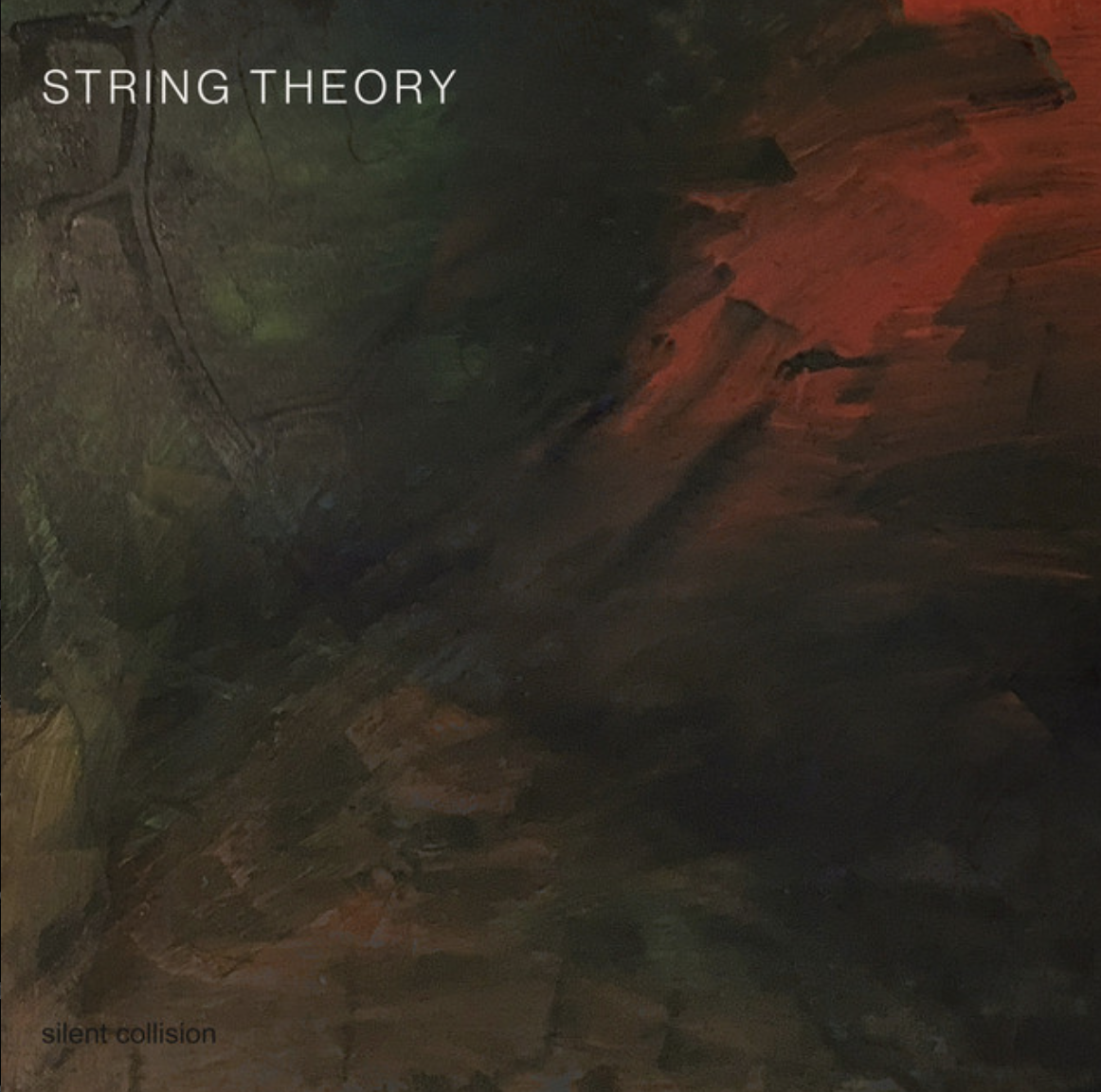
Music can take us to places we've never been, bring back memories we thought we'd forgotten, and stir emotions we sometimes struggle to put into words. But what happens when an album removes words from the equation entirely? On String Theory, silent collision aka Austyn Moffat answers that question with 13 beautifully crafted instrumental compositions that blur the lines between ambient electronic music, cinematic soundscapes, and deeply personal storytelling.
Built around delicate piano melodies, sweeping strings, atmospheric synths, and resonating bass, String Theory asks you to do more than simply listen. It invites you to close your eyes, let your imagination wander, and become part of the music itself. At times haunting and unsettling, at others warm and overwhelmingly beautiful, the record feels like a journey through the darkest corners of the human experience before eventually finding its way back into the light. And while everyone may interpret that journey differently, one thing becomes clear as the album unfolds: silent collision has created something worth experiencing from beginning to end. Let’s dig in:
The opening track, “Approaching The Precipice,” begins with a deep, resonant bass note, followed by faint whispers and elongated, atmospheric sounds that slowly fill the space around you. If fog had an anthem, this would be it. Dark, cold, and almost haunting, the track carries an underlying sense of unease, occasionally broken by subtle glimmers of hope. There's something strangely comforting about its emptiness, as though you're drifting through an unfamiliar world with no clear sense of direction. It's a fitting introduction that sets the tone for what lies ahead, serving as a prologue to an album that promises a sonic journey through space, color, and emotion. Rather than revealing too much too soon, the track leaves you suspended in anticipation, wondering where the music will take you next.
Then, as though the first rays of sunlight are breaking through the darkness, a delicate arpeggiated synth ushers in the second track, “Freefall.” silent collision does a marvelous job of connecting the two songs so seamlessly that they almost feel like one continuous piece of music. Strings take center stage, weaving effortlessly between the surrounding instruments as each melody builds on the last. Warmth emerges, a striking contrast to the cold, haunting atmosphere of the opener. The layers rise and fall with natural fluidity, creating the sensation of floating weightlessly through an ever-changing soundscape. It's a beautiful progression that allows the album to slowly reveal itself without losing the mystery established in its opening moments.
Track three, “Everything, All At Once,” continues the album’s instrumental journey without lyrics, much like the previous two tracks. But words aren't necessary here; the instruments do all the talking. The atmosphere shifts as the album takes a darker, more sinister turn, creating an almost oppressive feeling that weighs on the listener.
Despite its unsettling undertones, the track features a gorgeous piano melody layered with atmospheric synths and deep, resonating bass. The contrast between the delicate piano and heavier textures creates an uneasy beauty, as though something ominous is lurking beneath the surface. It's a shift, proving that music can evoke power, tension, and vulnerability without a single word.
“Weightless, Suspended” arrives as the fourth track, once again placing the keys front and center, this time with a keyboard-driven melody. The layered synths carry a distinctly retro sound, reminiscent of S U R V I V E, the electronic group whose members helped create the iconic theme for Stranger Things. The track has a cinematic quality, blending nostalgic electronic textures with an atmosphere that feels both mysterious and strangely familiar.
It's a bold composition, but it never demands your attention. Instead, it gently draws you in, inviting you to wander into the unknown, take a chance, and trust something beyond yourself. A sense of adventure lies beneath the uncertainty, like stepping into a dark forest with no idea what lies ahead, yet feeling compelled to keep moving forward.
Track five, “Vestige,” feels like a moment to catch your breath. Imagine wandering deep into the woods, only to stumble upon something unexpected, something you weren't searching for but are glad you found. Calm and discovery run through it, with European-inspired synths layered into a rich, atmospheric soundscape. It's a brief moment of reflection before the journey into the unknown continues.
“Doom, Impending” picks up where the previous track left off, transforming familiar sounds into something entirely its own. It's a musical metamorphosis, something silent collision handles effortlessly. Clocking in at over three minutes, it's one of the album's longest tracks, pulling listeners into a hypnotic atmosphere that practically demands you sink into your couch and contemplate existence. It's immersive, unsettling, and almost designed to feel like an out-of-body experience.

The seventh track on String Theory, “Fragile Horizons,” heightens anticipation, as if you're preparing for battle or standing on the edge of a life-changing moment. An underlying feeling suggests something significant is about to happen, and the music captures that uncertainty beautifully. Synths dominate the track, building an expansive soundscape that feels almost carved from sonic wood, with each layer adding texture and depth.
Determination runs through the song, balancing moments of tension with an almost triumphant atmosphere. The melodies seem to push forward with purpose, creating the feeling of approaching a turning point without knowing exactly what awaits on the other side. It's another example of silent collision's ability to tell a story without words, allowing the listener's imagination to fill in the spaces between the sounds.
“My Reflection, Glimmering” opens with a beautiful, breathing piano melody, letting each note linger before the next arrives. It's soft, inviting, and deeply reflective, much like the title suggests. The composition's gentleness instantly transports you somewhere familiar, perhaps a place you've longed to return to or only imagined.
And when you finally arrive, you find yourself standing, or perhaps sitting, in quiet amazement. What lies before you isn't some distant dream or unattainable destination, but something you've been searching for all along: yourself. The freedom to simply exist, to be comfortable in your own skin, and to embrace who you truly are. It's a beautiful reminder that sometimes the most meaningful journeys lead us back to ourselves.
“Impermanence” carries forward the delicate piano melodies of the previous track, this time introducing a beautiful violin that adds another layer of warmth and emotion. The two instruments complement each other effortlessly, making the song feel like a natural extension of “My Reflection, Glimmering.” It's remarkable how seamlessly silent collision connects these compositions, letting each track stand on its own while contributing to something much larger. Rather than a collection of individual songs, String Theory feels like one continuous story, with every note helping guide the listener through its unfolding journey.
The tenth track on the LP, “Surrender,” paints another vivid sonic picture that perfectly captures its title. It's a somber composition that conjures images of dark clouds gathering overhead and the uneasy feeling of letting go, surrendering control to someone else, for better or worse. Vulnerability weaves throughout, as though you're caught between finding peace in acceptance and fearing what comes next. Strings return to the forefront here, delivering some of the album's most beautiful and emotionally stirring moments. It's a haunting piece that captures the delicate balance between trust, uncertainty, and the freedom that sometimes comes with letting go.
“The Sky Opened, For Me” brings a welcome sense of warmth, renewal, and optimism, as though the darkness that once surrounded you has finally begun to lift. It feels like it's pulling you from the rubble, through the pain, and out of the woods, offering a fresh start and the freedom to embrace who you truly are. Elongated strings and delicate piano notes create an inviting atmosphere, carrying a sense of hope that feels both earned and deeply personal. The composition feels wonderfully cinematic, almost like a film score unfolding before your ears.
“Shooting Stars” is the album's most-played track on Spotify, and it's easy to see why. A tantalizing piano melody takes center stage, backed by deep bass and a subtle synth layer that hums beneath the surface. The combination is nothing short of beautiful, creating an atmosphere that feels both intimate and expansive. Each instrument has room to breathe, allowing the composition to unfold naturally without ever feeling rushed.
“Shooting Stars” has a cinematic quality that evokes the emotional depth of Explosions in the Sky. It's the kind of track that makes you want to close your eyes and disappear into the music, letting your imagination take over. No lyrics or grand gestures are needed when the instruments can express this much emotion. It's easily one of the standout moments on String Theory, and a track that deserves all the attention it's getting.
The album's final track, “The Warm Embrace of the Sun,” brings String Theory to a beautiful close with a heartfelt, comforting collection of sounds that feels like the first sunlight breaking through after a long storm. It's as though the album began by finding you in a dark, uncertain place in life, then slowly guided you through a journey of reflection, vulnerability, and self-discovery. Along the way, the music challenges you to think, feel, question, and confront parts of yourself you may have long ignored. By the time you reach this final composition, there's a sense of peace and acceptance, as though you've finally emerged from the darkness and arrived somewhere you were always meant to be. You're still yourself, but somehow stronger, wiser, and more at ease with the person you've become. It's a fitting and deeply moving conclusion to an album that feels less like a collection of songs and more like a journey back to yourself.
What makes String Theory such a remarkable listening experience isn't necessarily any single track, but the way silent collision brings all 13 compositions together into something that feels deeply personal. Every piano note, sweeping string arrangement, and atmospheric synth serves a purpose, creating a musical narrative that doesn't need lyrics to tell its story. The album weaves darkness, uncertainty, beauty, and ultimately hope throughout, with each track representing another chapter in a journey that feels different depending on who's listening. It's the kind of record that rewards your full attention, preferably with a good pair of headphones and a willingness to let your mind wander.
In a world where music is often consumed one song at a time, String Theory reminds us of the beauty of experiencing an album from beginning to end. silent collision has created something cinematic, emotional, and wonderfully immersive, allowing listeners to find their own meaning within its layers. You may enter this album carrying the weight of the world, but by the time the final notes fade, you'll likely feel a little lighter. And perhaps that's String Theory's greatest accomplishment: it doesn't tell you how to feel. It simply gives you the space to feel something.