

ARMAND POPA CHANNELS CHAOS INTO A BOLD PSYCHEDELIC STATEMENT ON FUZZ PANIC
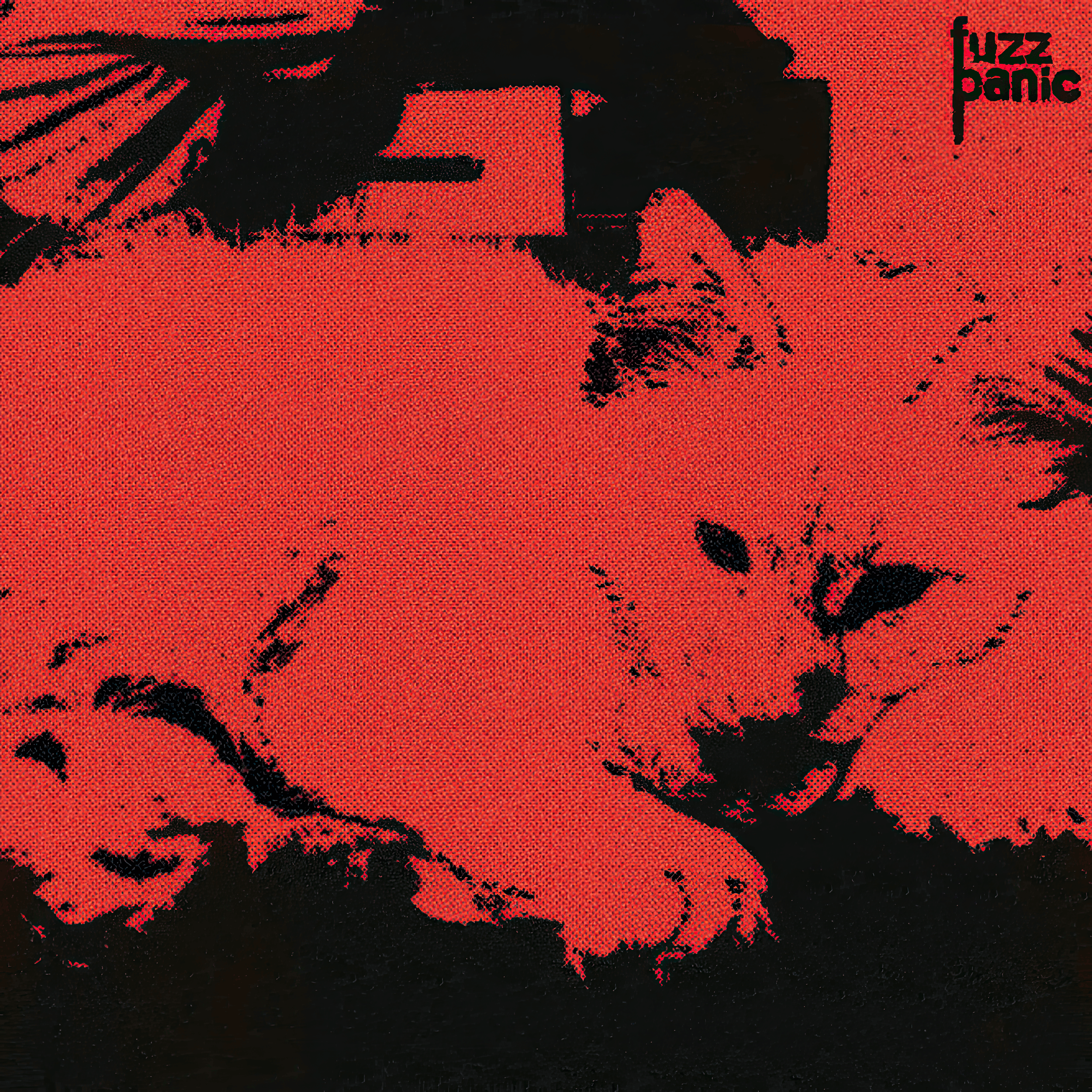
Every once in a while, you come across an artist where it’s clear things are starting to click in real time. That’s exactly where Armand Popa is at right now.
With Fuzz Panic, his second album, Popa leans all the way into the chaos. It’s a raw, fuzz-drenched psychedelic rock record built on live energy and a constant sense of overload. The themes run deep, touching on overstimulation, anxiety, and trying to stay human in the middle of everything crashing in at once. What makes it hit harder is how it was made. Self-produced, intentionally imperfect, and designed to feel alive rather than polished into something sterile.
It’s louder, more expansive, and way more confident, but still keeps that unfiltered edge that makes it feel real. There’s no sense of overreach here, just an artist pushing himself and actually landing it. Let’s dig in:
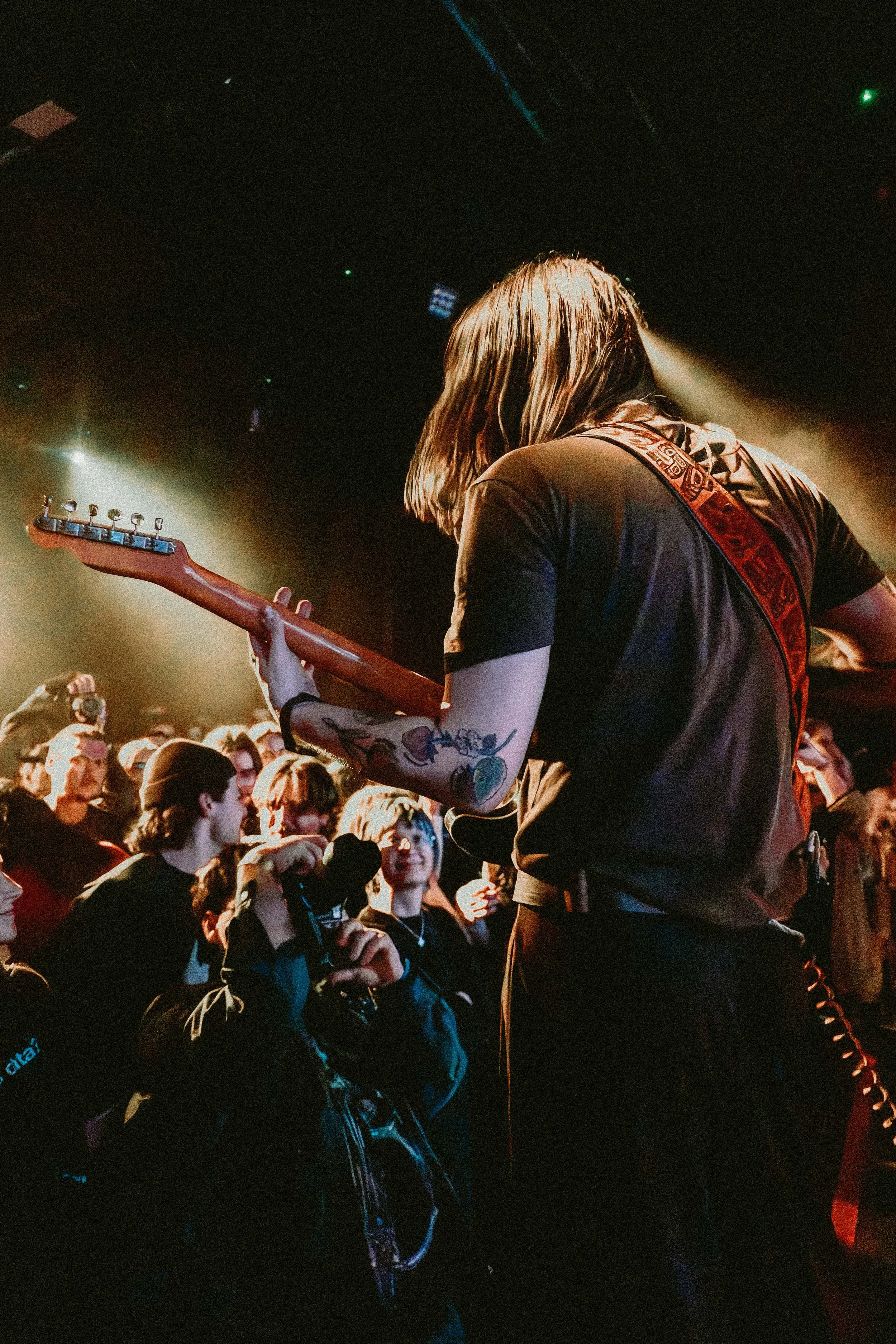
The opening track on Armand Popa’s Fuzz Panic is fittingly titled “Intro,” and it does exactly what it’s supposed to do, just with a lot more bite. From the jump, it unleashes a wave of loud, fuzzed-out guitars, thunderous drums, and a bassline that feels both grounded and completely unhinged. No easing in on this album, folks.
“Intro” sets the tone for what unfolds as a deeply psychedelic and sonically dense record, one that feels like a defining moment for Popa as a fully self-contained artist. As a one-man band, the level of control and chaos he’s able to balance here is seriously impressive. There’s a sense that everything is intentional, even when it feels like it’s spiraling.
And yeah, it’s hard not to hear shades of a certain modern psych heavyweight in the mix. We won’t say it outright, but let’s just say… Kevin P**ker might want to keep an ear out.
On “Brain Rot,” Popa leans fully into his vocal prowess and delivers. His voice carries a bold, commanding presence, but there’s still a subtle sense of innocence underneath it that keeps things from feeling overbearing. Lyrically, it’s direct and unapologetic, very much a “listen to me” moment, and it works.
The guitars absolutely rip here, blending bluesy undertones with a psych-leaning indie pop edge. It’s a mix that shouldn’t feel this seamless, but somehow does. The whole track comes together like a perfectly balanced cocktail, gritty, vibrant, and surprisingly addictive.
The third track, “Puma,” comes in swinging with serious Royal Blood energy, built around a tight back-and-forth between guitar and drums that feels like a full-on sparring match. It’s punchy, aggressive, and locked in, with each element trading blows without ever losing control. The track hits with a ferocity that demands volume, the kind of song that feels like it’s meant to be experienced live as soon as humanly possible.
“Afterglow” is another clear reminder of why Armand Popa stands out. His strength as both a guitarist and producer is on full display here. The guitar work is sharp and expressive, layered with effects that give the track a distinct character without overdoing it.
The song leans into a dreamy, psychedelic pop feel during the verses, pulling you into a more controlled, atmospheric space. Then the chorus hits, and everything breaks loose. It expands, gets louder, and pushes past that restraint in a way that feels earned, not forced. It’s one of those tracks that reveals more with each listen. The kind you keep coming back to, not just for the hooks, but for the details tucked inside.
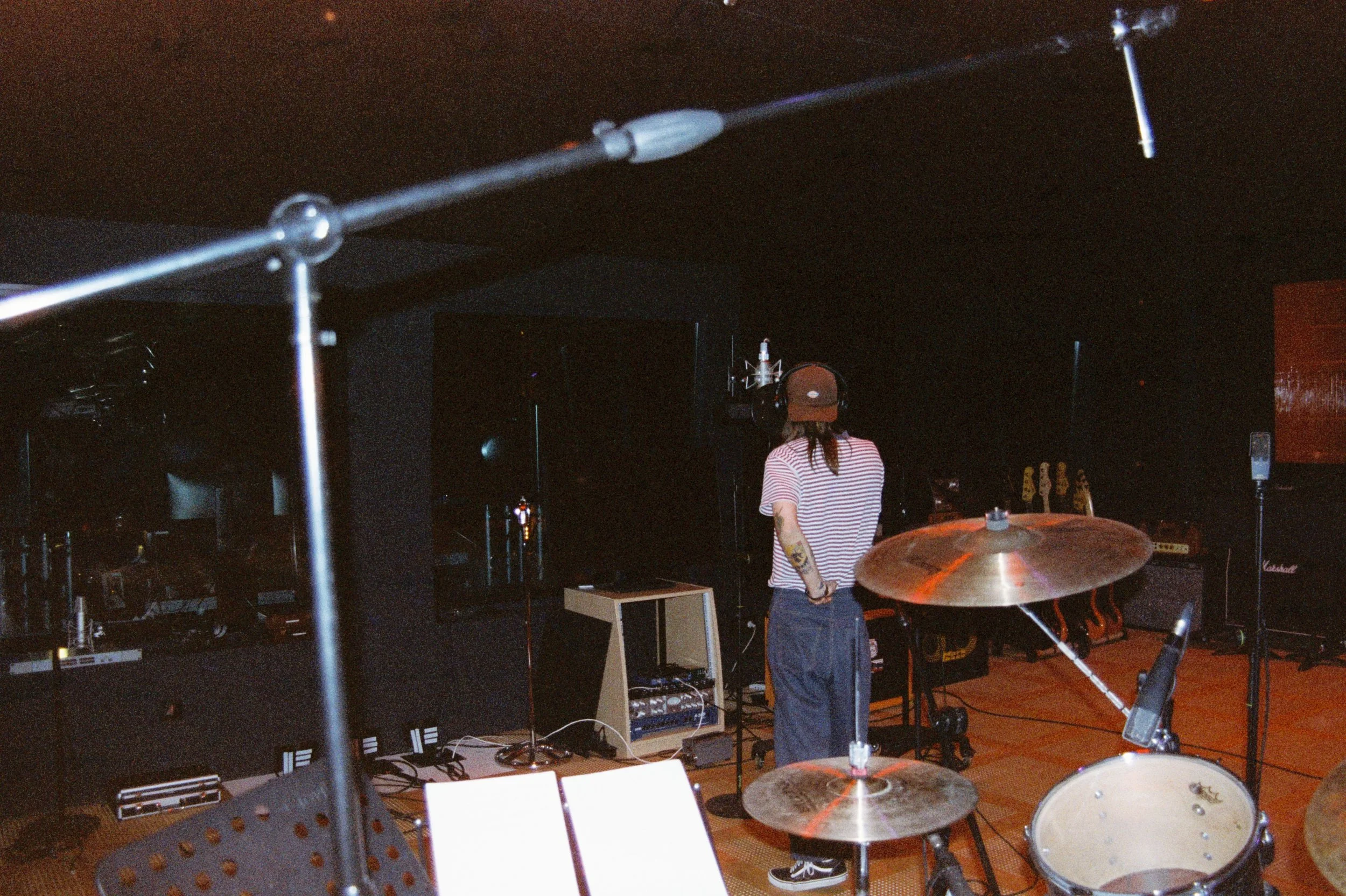
The fifth track on Fuzz Panic, “Red Wizard,” finds Popa leaning all the way into his vocal strengths. The melodies are instantly catchy, fresh, and feel completely his own, the kind that stick after one pass and have you singing along before you realize it.
Clocking in at just under six minutes, the track takes its time in the best way. It weaves between structured, riff-driven sections and more open, exploratory moments where Popa lets the guitar breathe across the fretboard. There’s a sense of movement throughout, like the song is constantly evolving rather than sitting still.
It’s immersive, a little hypnotic, and built to be experienced, not rushed. Throw this on while driving the PCH with the windows down and just let it take over.
“Under” and “Sun” push the album into a different lane, opening it up with a stronger sense of space and atmosphere. Both tracks lean into airy, almost cosmic textures, expanding on the mood hinted at in the closing moments before them and letting it fully take shape.
There’s a clear sense of intention throughout. Every sound feels placed with purpose, building depth without overcrowding the mix. The result is a stretch of the album that breathes, offering contrast to the heavier moments while still feeling connected. It’s a subtle shift, but an important one, showing Popa’s control not just in impact, but in restraint.
The final track, “Rough,” closes the album with a full display of musicality, firing on all cylinders and tying everything together in a way that feels both expansive and intentional. It pulls from multiple corners of Popa’s sound, blending twangy, almost country-leaning guitar tones with psychedelic rock and blues in a way that feels surprisingly natural.
There’s a real sense of freedom here. The track doesn’t stick to one lane; it moves, shifts, and evolves, hinting at something that almost feels like its own genre. Vocally, Popa goes all in. His range stretches across the rock spectrum, delivering moments that feel raw, controlled, and completely unrestrained all at once.
Even flashes of heavier, almost metal-leaning riffs cut through the mix, adding another layer of intensity to an already dynamic closer. “Rough” doesn’t just end the album; it leaves a lasting impression.
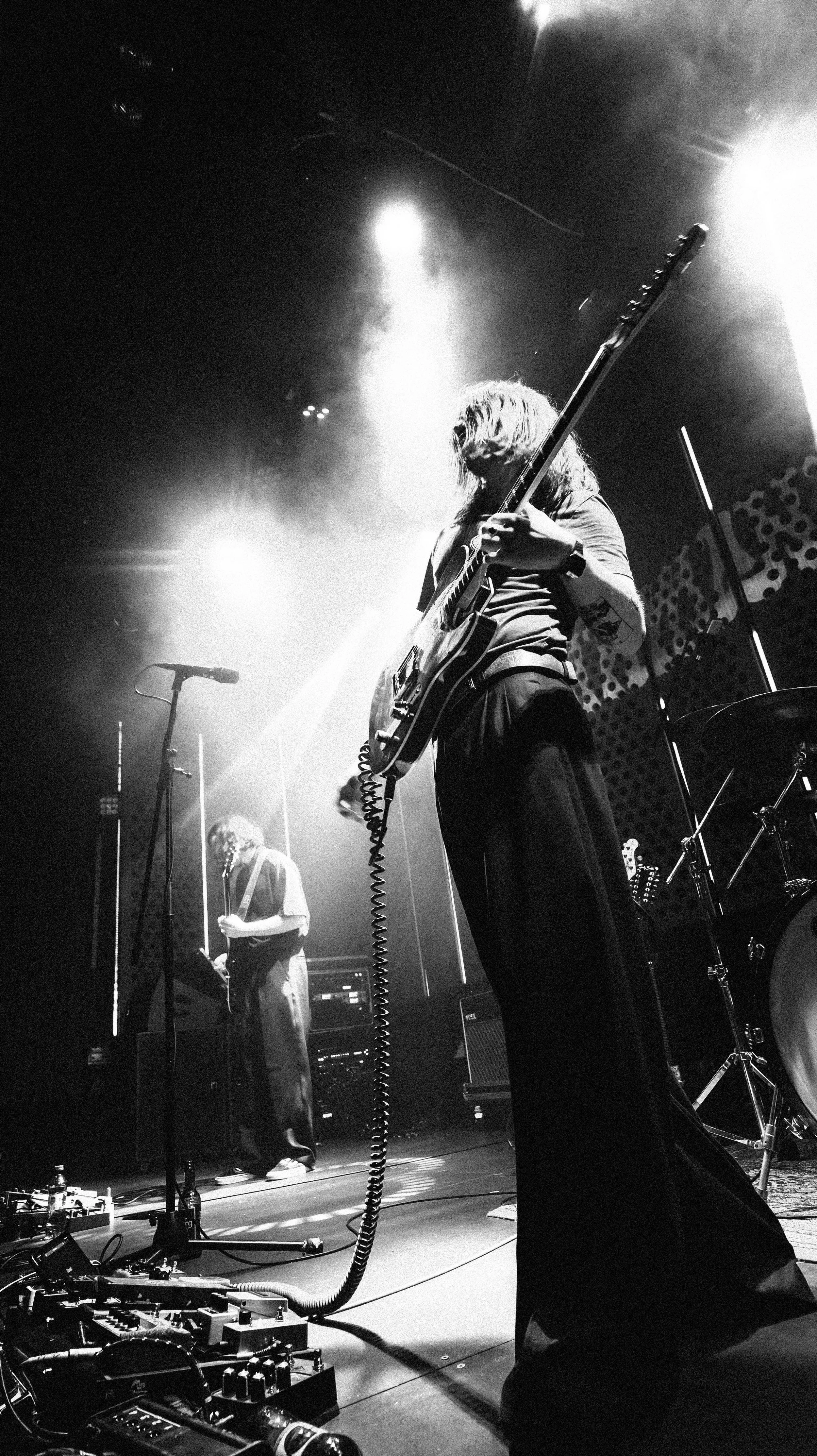
At the end of the day, Fuzz Panic feels like a real step up for Armand Popa. This being his second album, you can hear the growth. There’s more confidence, more range, and a better sense of when to go all out and when to pull things back.
What really hits is how dialed in everything feels. Nothing sounds accidental, but it also never feels overthought. For a one-man project, that’s not easy to pull off. Instead of feeling limited, he actually benefits from it. The whole record feels like one clear vision from start to finish.
This isn’t just a solid follow-up, it feels like Popa figuring out exactly what he wants to be. And if this is where he’s at on album two, there’s a lot more coming.