File Image
For years, fans, artists, independent venues, and even regulators have pointed to the same problem in the live music industry: Live Nation and Ticketmaster.
This week, it looked like there might finally be a reckoning. The U.S. Department of Justice had spent years building an antitrust case that many believed could actually break up the most powerful company in live entertainment.
Instead, Live Nation settled.
No breakup. No structural reform. Just another deal that lets the company keep the same system critics have been complaining about for more than a decade.
In other words, the monopoly remains.
Groups representing musicians immediately called it what it is. The organization United Musicians and Allied Workers said the settlement “allows the live music monopoly to continue,” calling the outcome “cowardly and disappointing.” It’s hard to argue with that assessment when the core structure of the industry remains untouched.
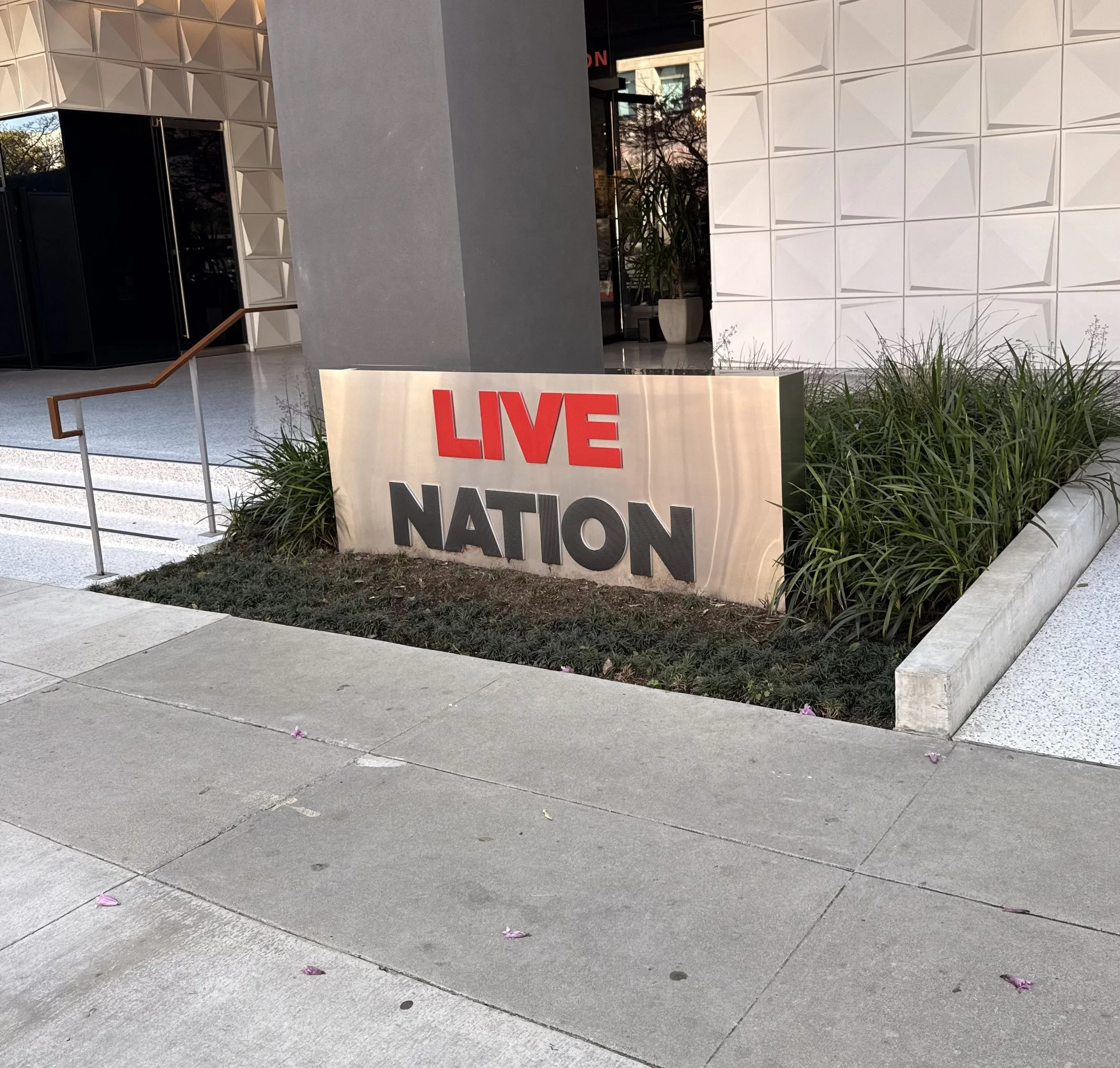
Live Nation is not just another company in the concert business. Through its ownership of Ticketmaster, its massive promotion arm, and its control or influence over hundreds of venues, the company has assembled an extraordinary level of power over nearly every step of the live music ecosystem.
Artists often have little choice but to work within that system. Venues risk losing tours if they push back. Fans are left paying the bill in the form of skyrocketing ticket prices and endless service fees.
And yet, once again, the company walks away largely intact.
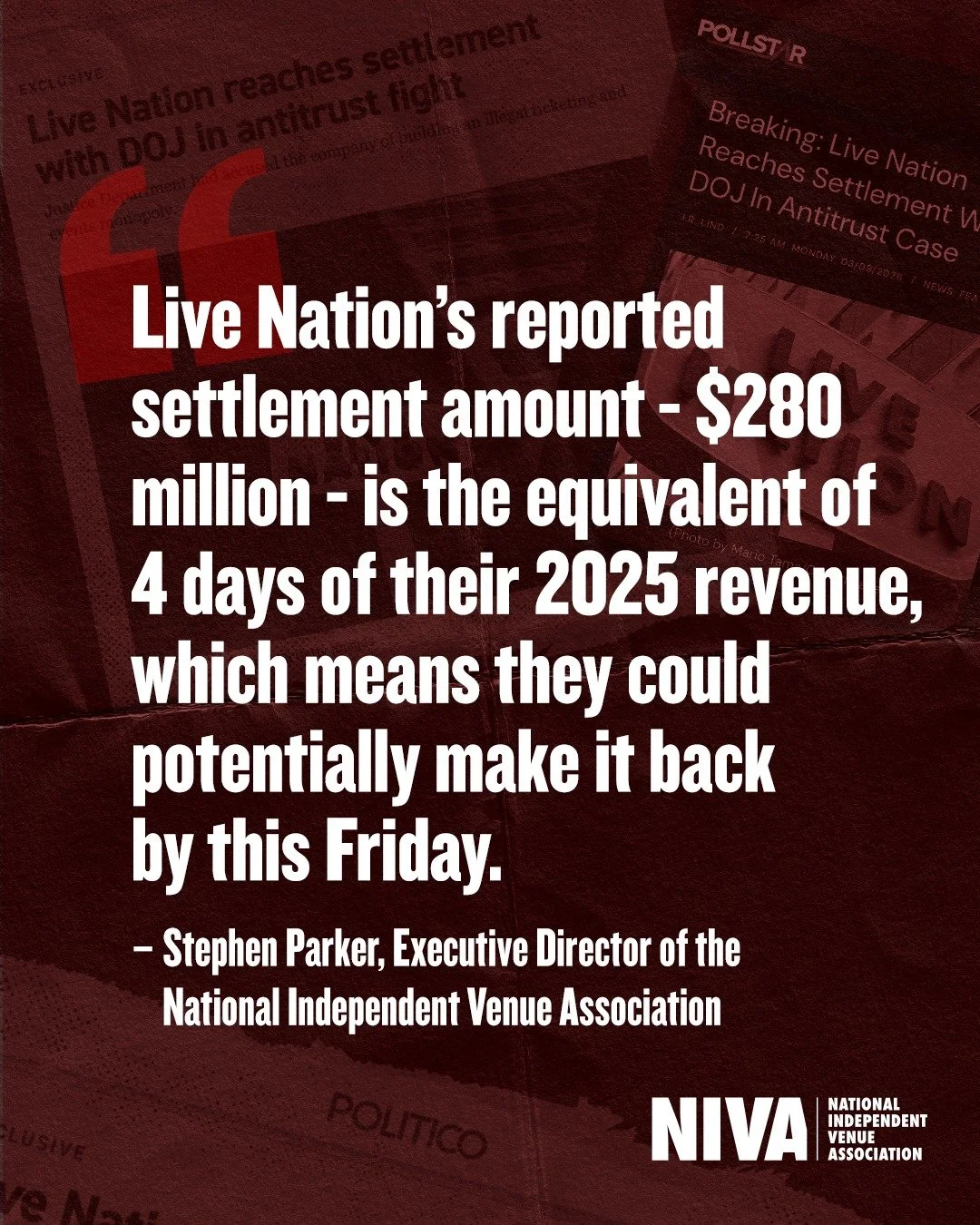
The settlement reportedly includes a roughly $200 million penalty. That might sound like a serious number until you realize that for a corporation the size of Live Nation, it amounts to less than a third of a year’s profits. That’s not punishment. That’s a cost of doing business.
Consumers who have spent years paying inflated ticket prices and junk fees deserved far more than a financial slap on the wrist.
The timing and circumstances surrounding the settlement raise even more uncomfortable questions. Reports indicate that Live Nation hired well-connected political lobbyists while the case was pending, and that senior antitrust officials involved in the litigation were pushed out during the process. Whether or not those moves directly influenced the outcome, they add to a growing perception that massive corporations still have a playbook for avoiding meaningful consequences.
Even the judge overseeing the case appeared frustrated when the settlement surfaced in court. According to reports, Judge Arun Subramanian criticized the parties for failing to properly inform the court that an agreement had been reached, calling the situation “absolute disrespect for the court, the jury and this entire process.”
Meanwhile, several states involved in the case aren’t ready to give up. New York Attorney General Letitia James has already signaled that some states plan to continue pursuing the case independently, arguing they will keep fighting “so that we can secure justice for all those harmed by Live Nation’s monopoly.”
That may now be the only path toward meaningful change.
For fans, the story has become painfully predictable. Tickets go on sale. The site crashes. Fees stack up. Prices explode on resale markets. Politicians hold hearings. Everyone expresses outrage. Then the system keeps running exactly the same way.
That’s what happens when one company controls the pipeline from artist to venue to ticket sale.
The live music industry was built on the idea that concerts are communal, chaotic, and a little bit democratic. Anyone could form a band, book a room, and play a show.
But the modern concert economy increasingly looks like something else entirely: a vertically integrated empire where one corporation controls the gates.
Allowing Live Nation to keep Ticketmaster without meaningful structural change is a missed opportunity to restore competition to the live entertainment market.
Fans deserved a real fix. Artists deserved leverage. Independent venues deserved a fighting chance.
Instead, Live Nation got another settlement.
And the monopoly rolls on.